
The Forager’s Guide to Montana Puffballs
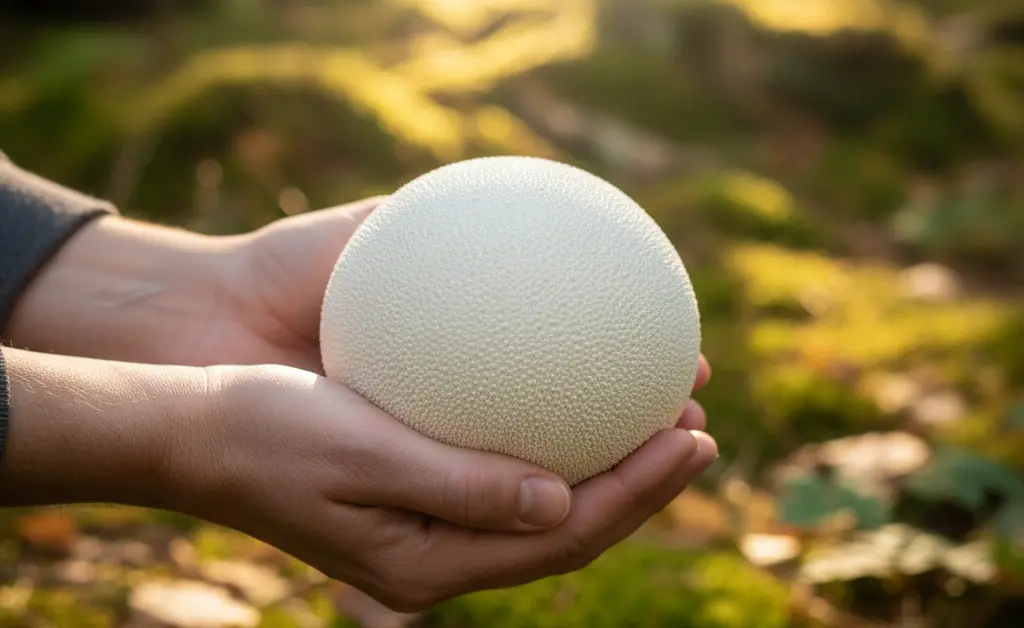
Embarking on the journey of wild mushroom foraging can often begin with a mix of excitement and trepidation, especially when aiming to identify edible species safely. This guide is designed to transform that initial uncertainty into a confident and successful foraging experience for those interested in Montana’s fungal treasures. By providing clear, actionable information on identifying, collecting, and preparing puffball mushroom montana, it aims to empower both novice and experienced foragers. You will learn how to distinguish edible puffballs from their potentially harmful counterparts, understand their preferred habitats, and gather them responsibly. This comprehensive resource will help you confidently navigate the fields and forests, ensuring a rewarding harvest and the safe enjoyment of these unique fungi from the Big Sky Country.
Edible Puffball Mushrooms in Montana
Montana’s diverse ecosystems are home to several types of edible puffball mushrooms, which are generally recognizable by their spherical or pear-shaped appearance and lack of gills. These fungi range in size from small, golf-ball-sized varieties to giant puffballs that can resemble a soccer ball. When cut open, edible puffballs should always be uniformly white and firm inside. The internal structure, often described as a marshmallow-like texture, is a key characteristic to look for. The puffball mushroom montana offers a unique texture and mild flavor that can complement various dishes.
Common Puffball Species Found in Montana
Several species of puffballs thrive in Montana. The most sought-after include the giant puffball (Calvatia gigantea), which can grow to impressive sizes, and various smaller species such as the pear-shaped puffball (Apioperdon pyriforme) and the common puffball (Lycoperdon perlatum). While their sizes and shapes vary, they all share the crucial internal characteristic of being solid white and homogeneous when young and fresh. Understanding the Key Characteristics of Puffballs specific to each common type can significantly aid in identification and ensure a safe foraging experience.
Identifying Puffball Mushrooms in Montana
Accurate identification is paramount when foraging for any wild mushroom, and puffballs are no exception. The primary identifier for an edible puffball mushroom montana is its internal structure: it must be solid white throughout, with no gills, no evidence of a developing cap and stem, and no discoloration. Any hint of yellow, brown, or purple inside, or the presence of a miniature mushroom shape, indicates it is not an edible puffball. The outer skin can vary in texture from smooth to warty, depending on the species, but the internal uniformity is the most critical feature. Always slice a puffball open from top to bottom to inspect its entire cross-section.
Puffball Mushroom Look-Alikes in Montana
One of the most critical aspects of foraging is understanding what not to pick. Several fungi can resemble puffballs, especially in their early growth stages, but are either inedible or toxic. A significant concern is the immature “button” stage of some poisonous mushrooms, particularly certain Amanita species, which can appear as a small, round object before developing their characteristic caps and gills. The Danger of Amanita Species cannot be overstated, as some are deadly. These immature Amanitas, when cut open, will reveal the distinct outline of a mushroom – a cap, gills, and stem – differentiating them from true puffballs which are uniformly solid white inside. Other look-alikes might include earthballs (Scleroderma spp.), which have a darker, purplish-black interior and a tough rind, making them easily distinguishable upon cutting. Always practice The Importance of Positive Identification by cross-referencing multiple field guide descriptions and, if unsure, consulting with an experienced mycologist or a local foraging expert.
Collecting Puffball Mushrooms in Montana
When collecting puffball mushroom montana, choose specimens that are firm and feel heavy for their size. Avoid any puffballs that feel soft, squishy, or show signs of decay. Always cut the puffball at its base rather than pulling it from the ground to minimize disturbance to the mycelial network, which allows for future growth. Inspect each puffball carefully for insects or signs of mold before placing it in a breathable basket or mesh bag. This method allows spores to disperse as you walk, contributing to the mushroom’s propagation.
Seasonal Availability in Montana
Puffball mushrooms in Montana typically appear from late spring through fall, with peak seasons varying depending on the specific species and local weather conditions. Many species thrive after periods of rain and in moderate temperatures. For instance, giant puffballs are often found in late summer and early fall. Knowing When to Harvest for Best Quality involves observing local conditions and understanding the specific growth cycles of different puffball varieties in your area.
Where to Find Puffball Mushrooms in Montana
Locating puffball mushrooms in Montana often requires understanding their preferred environments. These fungi do not grow on trees like some other wild mushrooms but are typically found on the ground in various terrestrial habitats. They can appear in grassy areas, open woodlands, meadows, and even disturbed ground like pastures or roadsides. Finding puffball mushroom montana often involves exploring areas with a mix of sun and partial shade.
Montana Habitats for Puffballs
Montana’s diverse landscapes provide ideal conditions for puffballs. You might discover them in deciduous or mixed forests, particularly along edges or clearings where there is ample light and moisture. Grassy fields, golf courses, and even suburban lawns can host giant puffballs. Smaller varieties often prefer the leaf litter of woodlands. Understanding these Montana Habitats for Puffballs enhances your chances of a successful foraging trip. Remember to seek permission before foraging on private land and adhere to Ethical Foraging Practices, such as leaving enough specimens for others and for reproduction.
Harvesting and Preparing Puffball Mushrooms in Montana
After a successful harvest, the next step is proper preparation. Begin by Cleaning and Storing Puffballs; gently brush off any dirt or debris, but avoid washing them unless absolutely necessary, as they can absorb water and become soggy. If you must wash them, do so quickly and pat them dry immediately. For giant puffballs, peeling the outer skin is often recommended, especially if it’s tough or discolored. Slice the puffballs into slabs or cubes. They have a mild, earthy flavor and a unique spongy texture that holds up well to cooking. They can be sautéed with butter and herbs, breaded and fried, or added to soups and stews. There are many Cooking and Recipe Ideas that highlight the versatility of puffballs. They do not store well fresh for long periods, so it’s best to cook them shortly after harvesting. Cooked puffballs can be frozen for later use.
Safety Precautions for Foraging Puffballs in Montana
Foraging for wild mushrooms carries inherent risks, and safety should always be the top priority. The most crucial rule is: “When in doubt, throw it out.” Never consume a mushroom unless you are 100% certain of its identification. Always cut open any potential puffball to confirm it is uniformly white inside and shows no signs of gills or a developing mushroom embryo. Be especially cautious of “Are white puffballs poisonous?” questions, as some toxic look-alikes also have white exteriors. It is strongly advised for beginners to forage with an experienced guide or to use multiple reputable field guides for cross-referencing. If you experience any adverse symptoms after consuming wild mushrooms, seek medical attention immediately. Always inform others about what you have foraged and consumed. Foraging should be an enjoyable and safe activity, so always prioritize careful identification over a bountiful harvest. For scientific information on mushrooms, you can refer to the National Institutes of Health.
This material is shared for educational insight, not for clinical decision-making. When considering the consumption of foraged items, it is essential to exercise extreme caution and ensure positive identification. The information provided is for general knowledge and should not be used as a substitute for consulting with a professional mycologist or foraging expert. Always prioritize safety and verify the edibility of any wild plant or fungus before consumption.
FAQ
Are puffball mushrooms edible in Montana?
Certain species of puffball mushrooms are known for their edibility and are enjoyed by foragers. The key to safe consumption is proper identification, ensuring the mushroom is indeed a puffball and not a toxic look-alike.
What do puffball mushrooms look like in Montana?
Puffball mushrooms in Montana typically present as round or irregularly shaped fungi that lack a distinct stem. Their interior is usually solid and white when young, gradually developing spores that turn powdery and brown or yellowish with maturity.
Where can I find puffball mushrooms in Montana?
You can often find puffball mushrooms growing in grassy areas, meadows, fields, and sometimes in wooded environments across Montana. They tend to emerge during the warmer, wetter months, from late spring through early fall.
How do I identify a puffball mushroom in Montana?
Identifying a puffball mushroom in Montana involves observing its distinct lack of gills or a stem, and its generally round shape. A crucial identification step is to slice the mushroom lengthwise; a young, edible puffball will have a uniform, firm white interior, whereas a developing or toxic mushroom might show signs of internal structure or color.
Continue reading
You May Also Like
A Forager’s Guide to Montana’s Edible Mushrooms
Get trusted identification advice for the edible mushrooms Montana has to offer, from common morels to prized chanterelles and boletes.
A Forager’s Guide to Montana’s Edible Mushrooms
Get trusted identification advice for the edible mushrooms Montana has to offer, from common morels to prized chanterelles and boletes.
A Forager's Guide to Indiana Puffballs
This page covers the puffball mushroom Indiana provides, with details on safe identification, foraging locations, and poisonous look-alikes.