
Safely Identifying Puffballs in North Carolina
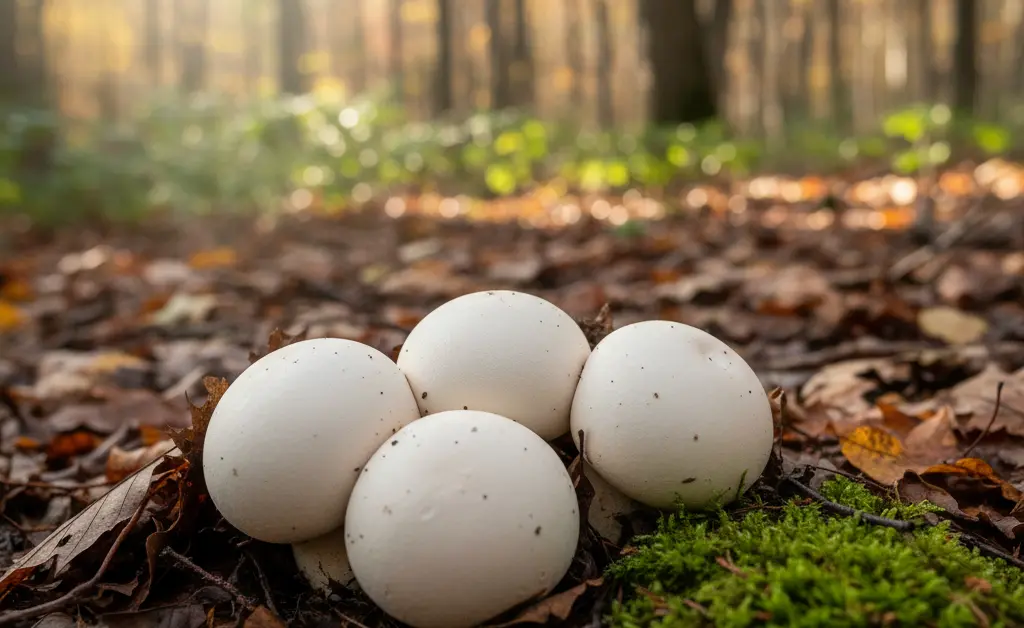
A common belief might be that all puffball-like fungi are harmless, leading some to assume any round, white mushroom is safe to consume. This widespread misconception overlooks crucial distinctions that separate edible species from their potentially toxic look-alikes. In reality, while many varieties of puffball mushroom North Carolina are indeed choice edibles, careful identification is paramount to ensure safety and avoid adverse health reactions. This article aims to provide clear, actionable guidance on identifying puffballs in the state, helping enthusiasts confidently distinguish between safe and unsafe finds. We will explore key features, common look-alikes, and specific characteristics relevant to the region, empowering you to approach foraging with informed caution.
Puffball Mushroom North Carolina Edible
General Edibility Guidelines
Many types of puffball mushroom North Carolina are highly regarded by foragers for their unique texture and mild flavor. The primary rule for determining edibility is to slice the mushroom vertically through the center. A truly edible puffball will have a solid, uniformly white interior with no signs of discoloration, developing gills, or an outline of a cap and stem. Any yellow, brown, purple, or black discoloration, or the presence of internal structures resembling a typical gilled mushroom, indicates it is either too old, a different species, or potentially toxic. It is also important to ensure the puffball is firm and fresh, as older specimens may develop a softer, yellowish interior and an unpleasant odor.
Is a puffball mushroom good to eat?
When properly identified and prepared, many puffball species are considered excellent edibles. Their mild, earthy flavor makes them versatile in the kitchen, often absorbing the flavors of other ingredients. They can be sliced and fried, added to stir-fries, incorporated into soups, or used as a meat substitute in various dishes. The texture is often described as meaty or spongy. However, it is crucial to consume only fresh specimens and always cook them thoroughly. Never consume a puffball raw, as some individuals may experience digestive upset even from edible varieties when uncooked.
Puffball Mushroom North Carolina Poisonous
Distinguishing Edible from Poisonous Puffballs
While many puffballs are delicious, some fungi that resemble them can be poisonous. The most critical distinction lies in the internal structure. True puffballs, when cut open, will have a solid, uniform white flesh with no internal differentiation. In contrast, young button stages of deadly Amanita species, often referred to as “destroying angels,” can initially appear as white, round objects that might be mistaken for puffballs. However, cutting an Amanita button in half will reveal the nascent cap, gills, and stem within, often accompanied by a universal veil, or volva, at the base. It is imperative to look for these internal characteristics to avoid dangerous look-alikes when foraging for any puffball mushroom North Carolina.
How to tell if a puffball mushroom is poisonous?
The definitive test for identifying a potentially poisonous puffball mimic is the cross-section method. Always cut any suspected puffball in half, from top to bottom. If the interior is anything other than uniformly white, solid flesh, it should not be consumed. If you observe any hint of developing gills, a cap, or a stem structure within the white flesh, it is very likely a young, immature gilled mushroom, which could be deadly. Additionally, avoid any puffball that has discolored or spongy flesh, or that has an unpleasant odor, as these may indicate spoilage or a non-edible species.
Giant Puffball Mushroom North Carolina
Key Identification Features for North Carolina Species
The giant puffball, scientifically known as Calvatia gigantea, is one of the most sought-after edible puffballs and can be found in North Carolina. Its most distinctive feature is its immense size, often growing from the size of a soccer ball to potentially larger than a watermelon. They typically have a smooth or slightly leathery, pure white exterior, which may become yellowish or brownish with age. When sliced open, the interior of a fresh giant puffball mushroom North Carolina will be uniformly solid and bright white, resembling marshmallow of puffball mushroom. They lack a stalk and gills, growing directly on the ground in grassy areas, meadows, or open woodlands, particularly after summer rains and into the fall.
White Puffball Mushroom North Carolina
How do I identify a puffball mushroom?
Identifying a white puffball mushroom North Carolina, whether large or small, involves a few key steps. First, observe its general shape, which is typically round or pear-shaped. The exterior color is often white or off-white, sometimes with a slightly textured or warted surface, though some species can be smoother. The most crucial step for positive identification and ensuring edibility is to cut the mushroom vertically down the middle. A true puffball, suitable for consumption, will reveal a solid, unblemished, pure white interior without any visible cap, gills, or stem structures. Any variation from this pure white, uniform flesh—such as yellowing, browning, or the presence of internal mushroom shapes—indicates it should not be consumed.
Identifying Puffball Mushrooms in North Carolina
Key Identification Features for North Carolina Species
When identifying puffball mushrooms in North Carolina, several characteristics are paramount. Firstly, assess the overall shape, which can range from perfectly spherical to pear-shaped or even amorphous. The exterior texture varies by species, from smooth and leathery to having small spines or warts. The color typically starts white and may transition to cream or light brown as it ages. The definitive identification step, critical for safety, involves cutting the mushroom cleanly in half. A safe, edible puffball will always present a solid, consistent, pure white interior with no discernible internal structures like gills or a stem. Any discoloration, or the formation of a developing mushroom within, immediately disqualifies it as a safe edible puffball.
Where to Find Puffball Mushrooms in North Carolina
Geographic Distribution within North Carolina
Puffball mushrooms are relatively widespread across North Carolina, though their appearance can be sporadic and dependent on environmental conditions. They are most commonly found in grassy areas such as lawns, pastures, and golf courses, as well as in deciduous or mixed woodlands, often along forest edges or clearings. Rich, loamy soils and areas with decaying wood or leaf litter can also be prime locations. While they can appear throughout the warmer months, late summer and fall, particularly after significant rainfall, tend to be the most fruitful seasons for finding puffballs in the state. Specific species may have preferences for certain habitats, but general open woods and grassy spots are good starting points for foragers.
Potential Look-Alikes and Safety Concerns
Dangerous Mimics
The most dangerous look-alikes for puffball mushrooms are the immature button stages of deadly Amanita species, such as the Destroying Angel (Amanita virosa) or Death Cap (Amanita phalloides). These young fungi can appear as small, white, round objects emerging from the soil, deceptively similar to small puffballs. However, slicing them open will reveal the distinct internal structures of a gilled mushroom—a nascent cap, gills, and stem—often encased within a universal veil that forms a cup-like volva at the base. Consuming even a small amount of these deadly mushrooms can be fatal, underscoring the absolute necessity of the cross-section identification method.
What can be mistaken for a puffball mushroom?
Beyond the deadly Amanitas, other fungi and even inedible puffballs can be mistaken for choice edible puffballs. Scleroderma species, commonly known as Earthballs or False Puffballs, are another common mimic. Unlike true puffballs, Earthballs have a much tougher outer skin and, most critically, an interior that is dark purple-black, often marbled with white veins, even when young. They also tend to have a distinct, unpleasant odor. Additionally, some boletes in their button stage or even truffle-like fungi might be confusing. The unwavering rule remains: if a mushroom presumed to be a puffball does not have a solid, pure white, undifferentiated interior upon being cut open, it must be discarded to prevent potential illness or worse outcomes.
Successfully identifying edible puffball mushrooms in North Carolina requires adherence to strict identification guidelines, especially the critical step of cutting every specimen in half. While many varieties offer a delicious culinary experience, the presence of toxic look-alikes demands meticulous attention to detail. Always prioritize safety over abundance, and when in doubt, err on the side of caution by not consuming an unfamiliar mushroom. Informed foraging, coupled with respect for nature’s nuances, ensures a rewarding and safe experience.
This information is provided for educational purposes only. It is not intended to be a substitute for professional advice, diagnosis, or treatment. Always seek the guidance of a qualified expert for any health concerns or before making any decisions related to mushroom foraging or consumption. The author and publisher are not responsible for any adverse effects resulting from the use of the information contained herein. For more on mushroom safety, you can consult the NHS.
FAQ
What do puffball mushrooms look like in North Carolina?
Puffball mushrooms in North Carolina are typically spherical or pear-shaped, ranging in size from small to quite large. Their exterior is smooth and whitish or tan, and internally they are solid with a spongy texture, lacking distinct gills or stems. As they mature, they develop a powdery spore mass inside, which is eventually expelled through an opening.
Where are puffball mushrooms found in North Carolina?
These fungi are commonly found in grassy areas like lawns, meadows, and pastures across North Carolina, though some species also grow in forests. They often appear after periods of rain, thriving in damp soil conditions. You might also encounter them along trails and in disturbed soils.
Are puffball mushrooms in North Carolina poisonous?
Most puffball mushrooms are not considered poisonous, but misidentification is a significant concern. Some poisonous mushrooms can resemble puffballs when young and solid. Therefore, it is crucial to be absolutely certain of identification before considering any interaction beyond observation.
Can you eat puffball mushrooms in North Carolina?
Certain puffball mushroom species in North Carolina are edible and enjoyed by foragers when they are young and entirely white and solid inside. However, it is imperative to distinguish them from young, poisonous mushrooms that may have an immature cap and stem structure hidden within a puffball-like exterior. Always ensure positive identification by an expert if you intend to consume any wild mushroom.
Continue reading
You May Also Like
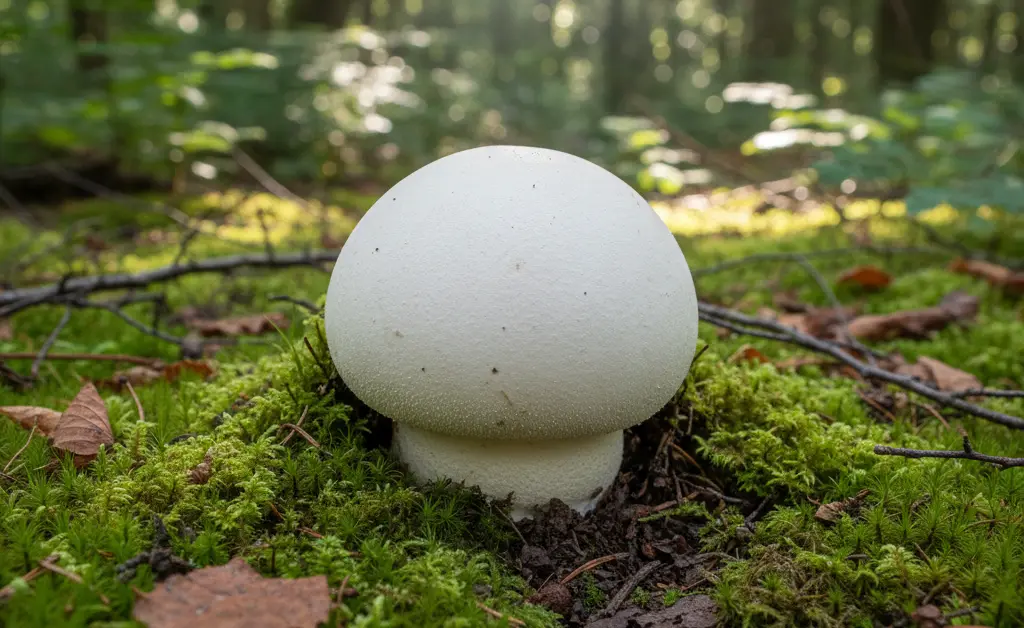
Safely Identifying Puffball Mushrooms in Arkansas
Our guide helps you safely identify the puffball mushroom Arkansas has to offer, detailing key features to confidently avoid toxic look-alikes.
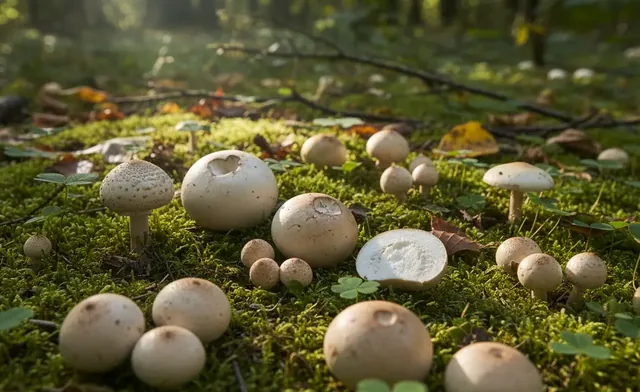
Identifying Edible Puffballs and Their Poisonous Mimics
Avoid deadly mistakes by learning the key visual differences between edible puffballs and poisonous puffball mushroom look alikes like Amanitas.
North Spore's Dried Wild Chanterelle Mushrooms
Enjoy the rich, peppery flavor of our hand-foraged North Spore Dried Wild Chanterelle Mushrooms, perfect for enhancing your favorite dishes.