
Identifying Edible Puffball Mushrooms in Ohio
Puffball mushrooms are a fascinating group of fungi, recognizable by their spherical to pear-shaped forms, which often lack traditional gills and stems. These unique characteristics make them a popular target for foragers, especially when they are young and firm. Their culinary appeal stems from their mild flavor and firm texture, making them versatile ingredients in various dishes. However, correct identification is paramount, as some non-edible or even toxic lookalikes exist. This guide will focus on helping enthusiasts safely identify and understand the suitable environments for the puffball mushroom ohio, ensuring a rewarding foraging experience within the state’s diverse ecosystems while emphasizing safety and responsible harvesting practices.
Identifying Puffball Mushrooms in Ohio
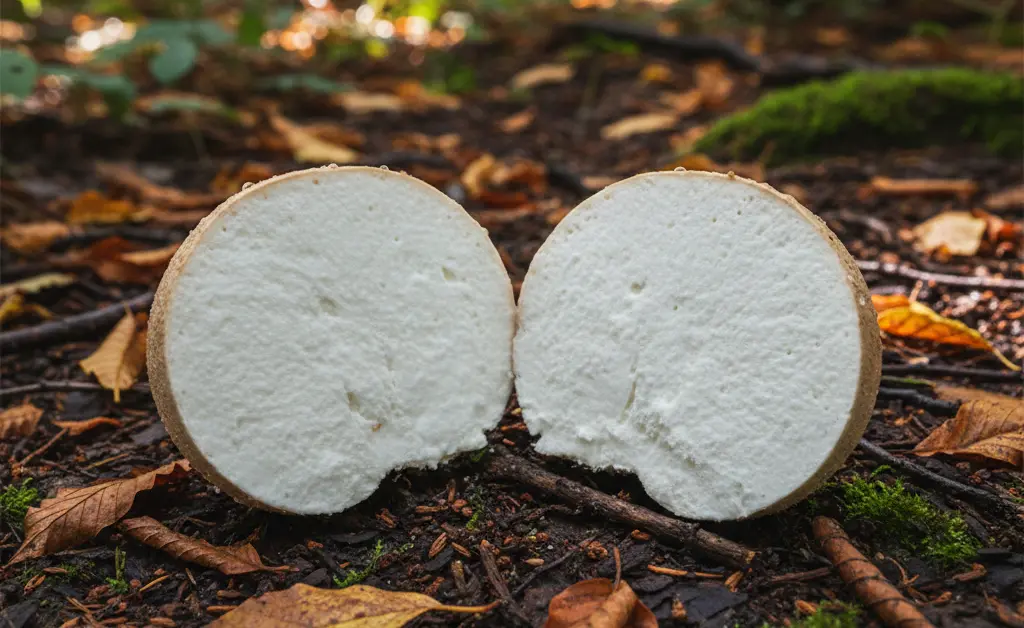
Identifying the puffball mushroom in Ohio involves paying close attention to several key characteristics. True puffballs are typically recognized by their spherical, pear-shaped, or sometimes club-shaped fruiting bodies. Crucially, when cut open, a true edible puffball will be pure white, solid, and uniform throughout its interior, with no evidence of gills, stems, or caps forming within. The texture should be firm, akin to a marshmallow or a block of tofu. As puffballs mature, their internal flesh begins to yellow, then turn greenish-brown, and eventually becomes powdery with spores; at these later stages, they are generally not considered suitable for consumption. The outer surface can vary from smooth to scaly, and some species may have small spines or warts, but these features often diminish with age or vary among species.
Common Puffball Species in Ohio
Ohio is home to several types of puffball mushrooms, each with its own subtle distinctions. The Giant Puffball (Calvatia gigantea) is perhaps the most sought-after, known for its immense size, often resembling a large soccer ball. Its surface is typically smooth and white or off-white. The Pear-shaped Puffball (Apioperder.com/puffball-mushroom), a smaller species, frequently grows in clusters on decaying wood and has a more pear-like shape. Another common variety is the Common Puffball (Lycoperdon perlatum), which is smaller and features distinct, conical spines that eventually fall off, leaving a netted pattern on its surface. While their appearances differ, the fundamental rule for edibility—pure white, uniform interior—applies to all these species, making proper identification vital for any puffball mushroom ohio.
Where to Find Puffball Mushrooms in Ohio
When searching for the puffball mushroom in Ohio, understanding their preferred habitats significantly increases the chances of a successful find. Most puffball species favor environments with rich, well-drained soil and ample organic matter. They are often found in deciduous forests, mixed woodlands, and grassy areas at the edges of forests. Open fields, meadows, and even lawns and parks can be productive hunting grounds, especially for larger species like the Giant Puffball. They tend to grow in areas where there is leaf litter or decaying wood, as many are saprobic, meaning they derive nutrients from dead organic material. Look for them both on the ground and occasionally on decaying stumps or logs.
Ohio Specific Locations
Within Ohio, puffball mushrooms can be found across various regions, from the forested areas of Wayne National Forest in the southeastern part of the state to the woodlots and fields of central and northern Ohio. State parks, nature preserves, and even private properties with suitable habitats can host these fungi. It is always crucial to obtain permission before foraging on private land and to be aware of any regulations regarding foraging in public areas. The diverse ecosystems of Ohio, including its extensive network of state parks and forests, provide ample opportunities for foragers to discover the distinctive puffball mushroom ohio.
When Do Puffball Mushrooms Grow in Ohio?
The appearance of the puffball mushroom in Ohio is heavily influenced by environmental conditions, particularly moisture and temperature. Generally, puffballs thrive during periods of regular rainfall followed by warm, humid weather. This often means that late spring, summer, and early autumn are prime times for their growth. A significant rain event can often trigger a flush of new mushrooms, making the days following such weather ideal for foraging. However, extreme drought or unusually cold temperatures can inhibit their development.
Seasonal Availability
While some smaller puffball species might emerge in late spring, the peak season for many desirable varieties, including the Giant Puffball, typically runs from late summer through early fall in Ohio. This period, roughly from August to October, often provides the most reliable conditions for finding mature, firm puffballs. As the season progresses and temperatures drop, their growth slows, and existing specimens will likely have matured past their edible stage, becoming spore-filled. Foragers should plan their expeditions during these optimal months for the best chance to find pristine examples of the puffball mushroom ohio.
Are Ohio Puffball Mushrooms Edible?
Many varieties of puffball mushrooms found in Ohio are considered edible, highly prized for their mild flavor and firm, almost bread-like texture when young. However, the critical factor for edibility is their internal condition. Only puffballs that are pure white, firm, and uniform throughout the entire interior should be considered for consumption. If the internal flesh shows any signs of yellowing, browning, or purpling, or if there is any indication of gills or a cap forming, it should not be eaten. These are signs that the mushroom is either too old, or it could be a toxic look-alike. When properly identified and prepared, puffballs can be a delightful addition to various culinary dishes, absorbing flavors well and serving as a versatile ingredient.
Puffball mushroom ohio poisonous
While many types of puffball mushrooms in Ohio are edible, it is paramount to be aware that certain toxic fungi can mimic their appearance, especially when young. Some deadly mushrooms, such as the immature Death Cap (Amanita phalloides) or Destroying Angel (Amanita virosa), can appear as small, white, button-like structures encased in a universal veil, potentially resembling a young puffball. The crucial distinguishing feature is that when cut open, these toxic look-alikes will reveal developing gills and a rudimentary cap and stem structure inside, whereas a true edible puffball will always be pure white and solid with no internal differentiation. Consuming such poisonous species can lead to severe illness or be fatal. Therefore, for any puffball mushroom ohio, strict adherence to the “pure white, solid inside” rule is non-negotiable. If there is any doubt whatsoever, it is always safest to discard the mushroom rather than risk consumption.
Giant puffball mushroom ohio
The Giant Puffball, known scientifically as Calvatia gigantea, is one of the most exciting finds for mushroom foragers in Ohio. True to its name, these impressive fungi can grow to substantial sizes, often ranging from that of a volleyball to a basketball, and occasionally even larger. Their large, spherical, or sometimes slightly flattened shape and smooth, white to off-white exterior make them relatively easy to spot in fields, meadows, and open woodlands. The sheer size of a single Giant Puffball can provide a significant amount of edible mushroom, making them a highly desirable target. As with all puffballs, the edibility of a giant puffball mushroom Ohio specimen hinges entirely on its internal condition; it must be pure white and firm throughout, without any signs of discoloration or internal structures, to be considered safe for culinary use. Their mild flavor and firm texture make them excellent for slicing into “steaks” or dicing for various recipes.
Foraging for puffball mushrooms in Ohio can be a rewarding experience, connecting enthusiasts with the diverse natural world of the state. With careful attention to identification markers, an understanding of preferred habitats, and respect for seasonal availability, individuals can safely enjoy the unique culinary attributes of these fascinating fungi. Always prioritize safety and responsible harvesting to ensure both personal well-being and the sustainability of these natural resources for future generations.
This content is for informational use and should not be considered medical instruction. It is not intended to diagnose, treat, cure, or prevent any disease or health condition. Foraging for wild mushrooms carries inherent risks, and misidentification can lead to serious health consequences. Always consult with a qualified expert or mycologist before consuming any wild mushroom. This information does not replace professional advice.
FAQ
What do puffball mushrooms look like in Ohio?
Puffball mushrooms in Ohio typically present as round or pear-shaped fungi that lack distinct stems and caps. When young, their interior is uniformly white and solid, resembling a puffball. As they mature, the internal flesh breaks down into powdery spores, which are released when the mushroom is disturbed.
Are puffball mushrooms poisonous in Ohio?
Most puffball mushrooms are not poisonous, but identification is crucial as some toxic mushrooms can resemble them. It is essential to ensure the mushroom is truly a puffball, meaning it is solid white and homogenous on the inside without any developing gills or cap structures. If there is any uncertainty, it is best to avoid consumption.
What time of year are puffball mushrooms found in Ohio?
Puffball mushrooms are most commonly found in Ohio during the late summer and fall months. This period, generally from August through October, offers the warm and humid conditions that many puffball species require to fruit. You might also find some varieties appearing in spring or early summer after sufficient rainfall.
Can you eat a white puffball mushroom?
Young, firm, and solid white puffball mushrooms are generally considered edible and are known for their mild, sometimes described as tofu-like, flavor. The key to edibility is confirming the interior is pure white and sponge-like, without any signs of developing gills or other mushroom structures. If the interior shows any discoloration or differentiation, it is no longer considered good for eating.
Continue reading
You May Also Like
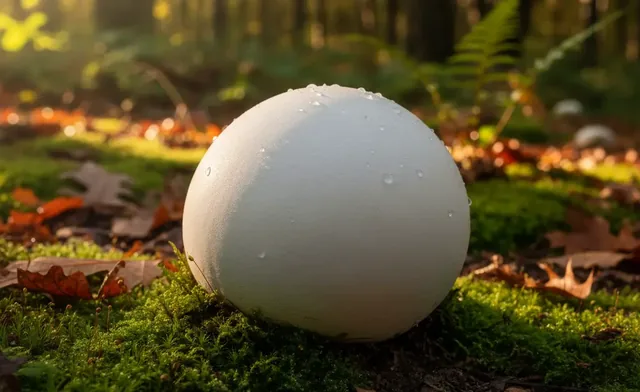
Identifying Edible Puffball Mushrooms in Maryland
This guide details how to identify the edible puffball mushroom Maryland, covering key characteristics and the best times for safe foraging.
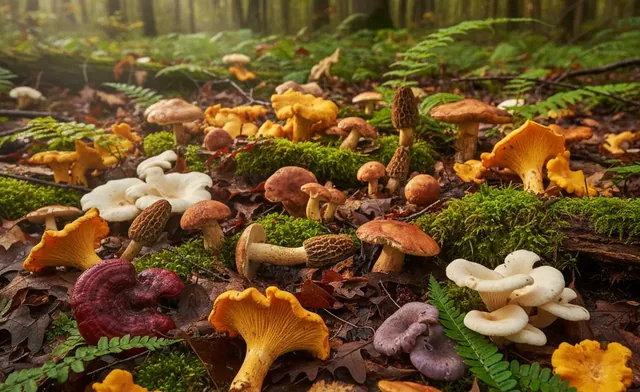
A Field Guide to Ohio's Edible Mushrooms
Safely foraging for edible mushrooms Ohio requires expert identification skills and knowledge of the common species found throughout the state.
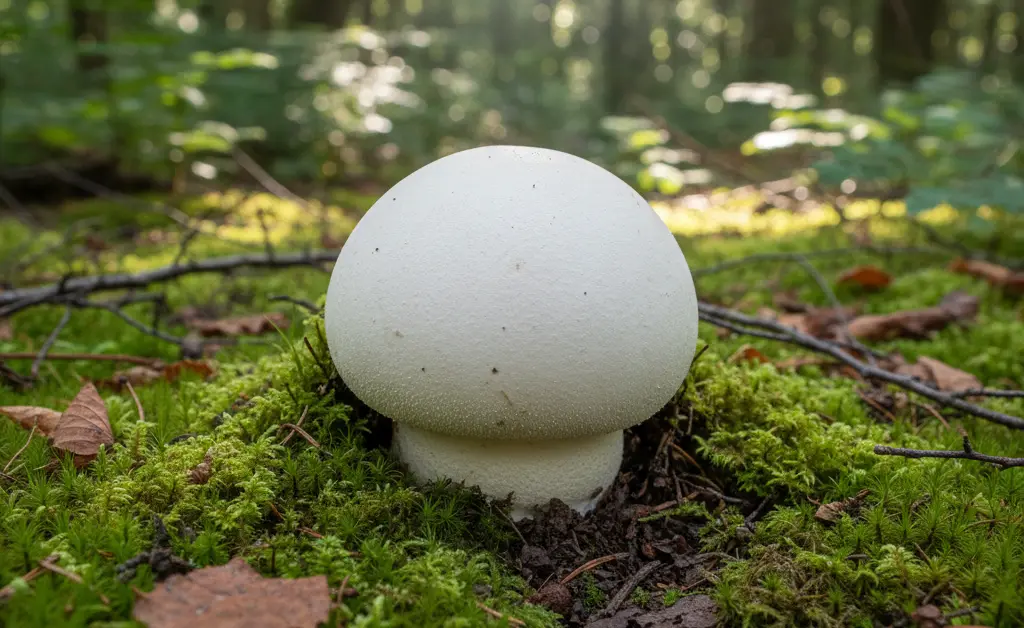
Safely Identifying Puffball Mushrooms in Arkansas
Our guide helps you safely identify the puffball mushroom Arkansas has to offer, detailing key features to confidently avoid toxic look-alikes.