
Identifying Edible Puffball Mushrooms in Maryland
Are you curious about foraging for wild mushrooms but feel overwhelmed by the need for accurate identification? Many aspiring foragers face the challenge of distinguishing safe, edible species from potentially harmful look-alikes. This uncertainty can be a significant barrier, especially when considering prized finds like puffball mushrooms. Successfully identifying and safely harvesting these unique fungi requires specific knowledge, from their distinctive characteristics to their preferred habitats and seasons. Without reliable guidance, the excitement of discovery can quickly turn into apprehension. This article aims to address these common concerns, providing a comprehensive guide to help you confidently identify edible puffball mushroom Maryland varieties, ensuring a safe and rewarding foraging experience. We will cover key features, locations, and seasons to help you enjoy this natural delicacy with peace of mind.
Puffball Mushroom Maryland Edible
Maryland’s diverse ecosystems are home to several types of puffball mushrooms, some of which are highly prized for their culinary value. Understanding the general characteristics of these edible varieties is crucial for safe foraging. While they share the common trait of lacking visible gills and having a spherical or pear-like shape, each species possesses unique features that aid in identification. Successfully identifying an edible puffball mushroom Maryland requires attention to detail, from size and color to surface texture and internal structure. You can learn more about puffball mushrooms at puffball mushrooms.
About Giant Puffball
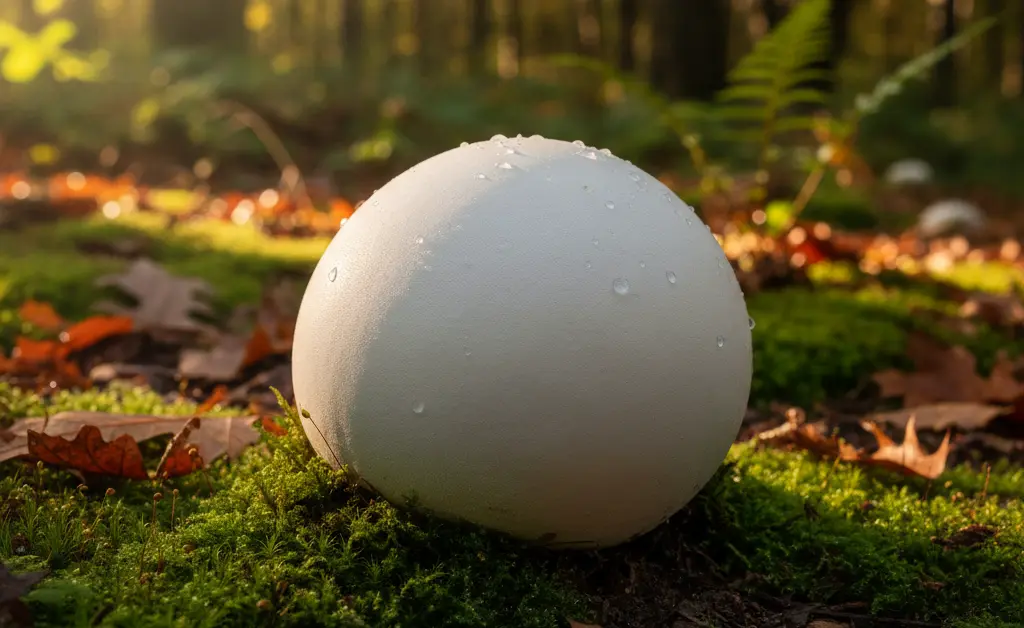
The Giant Puffball, scientifically known as Calvatia gigantea (or sometimes Langermannia gigantea), is perhaps the most well-known and sought-after edible puffball. True to its name, it can grow to an impressive size, often resembling a large soccer ball or even bigger, with specimens sometimes exceeding 20 inches in diameter and weighing several pounds. Its exterior is typically smooth, white, or off-white, and it has a firm, marshmallow-like texture when young. Internally, a healthy, edible Giant Puffball will have a uniformly white, dense flesh, similar to fresh mozzarella cheese. Any discoloration, particularly yellow or green tints, suggests the mushroom is past its prime or may be a different, potentially inedible species.
About Gemmed Puffball
The Gemmed Puffball, Lycoperdon perlatum, is a smaller but equally common edible species. It typically ranges from 1 to 4 inches in height and has a pear-shaped or club-like appearance. Its most distinctive feature is its surface, which is covered with small, wart-like spines or “gems” that can be easily rubbed off, leaving behind a net-like pattern. The color is usually off-white to brownish, and like other edible puffballs, its interior flesh must be entirely white and firm for safe consumption. As it matures, the interior turns yellowish and then greenish-brown, signaling that it is no longer suitable for eating.
About Umber-brown Puffball
The Umber-brown Puffball, often identified as Lycoperdon umbrinum or Lycoperdon pyriforme (pear-shaped puffball), is another smaller, edible variety. This puffball typically grows in dense clusters, often on decaying wood or stumps. It is generally pear-shaped, ranging from 1 to 3 inches tall, with a cap-like top and a narrower base. Its surface can be smooth or finely granular, and its color varies from whitish to tan to an umber-brown, especially as it ages. The interior must be solid white for edibility. The ability to grow in clusters and on wood can distinguish it from other ground-dwelling puffballs.
Giant Puffball Mushroom Maryland
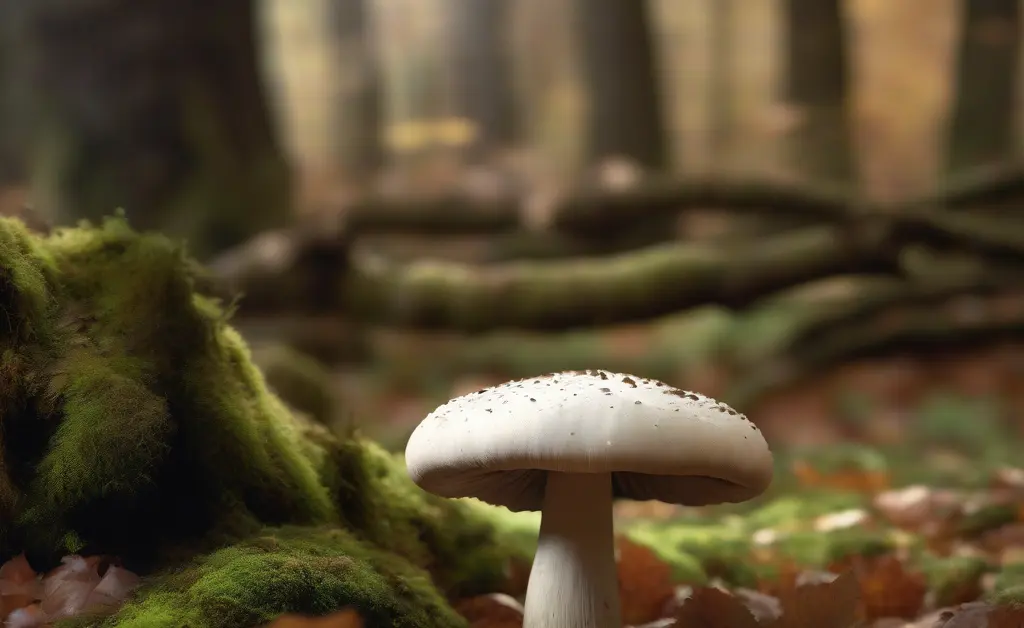
The Giant Puffball mushroom is a particularly exciting find for foragers in Maryland due to its substantial size and delicious flavor. Its presence is often a highlight of the late summer and early autumn foraging seasons. Knowing where and when to look for this specific species can significantly increase the chances of a successful harvest in the state.
Geographic Distribution in Maryland
Giant Puffball mushrooms are widely distributed across Maryland, favoring open areas, meadows, pastures, and the edges of woodlands. They are also frequently found in lawns, golf courses, and disturbed ground where there is rich soil and decaying organic matter. While they can appear almost anywhere with suitable conditions, they are often encountered in areas with deciduous trees, though they do not grow directly on wood like some other fungi. Their large size makes them relatively easy to spot once you are in an appropriate habitat.
Fruiting Season
In Maryland, the Giant Puffball mushroom typically fruits from late summer through early autumn. The prime season generally runs from August through October, depending on local weather patterns. Ideal conditions include warm temperatures followed by consistent rainfall, which provides the necessary moisture for these fungi to emerge. A sudden flush of rain after a dry spell can often trigger their growth, making them a common sight in fields and open woodlands during these months.
Edible Puffball Mushroom Maryland Identification
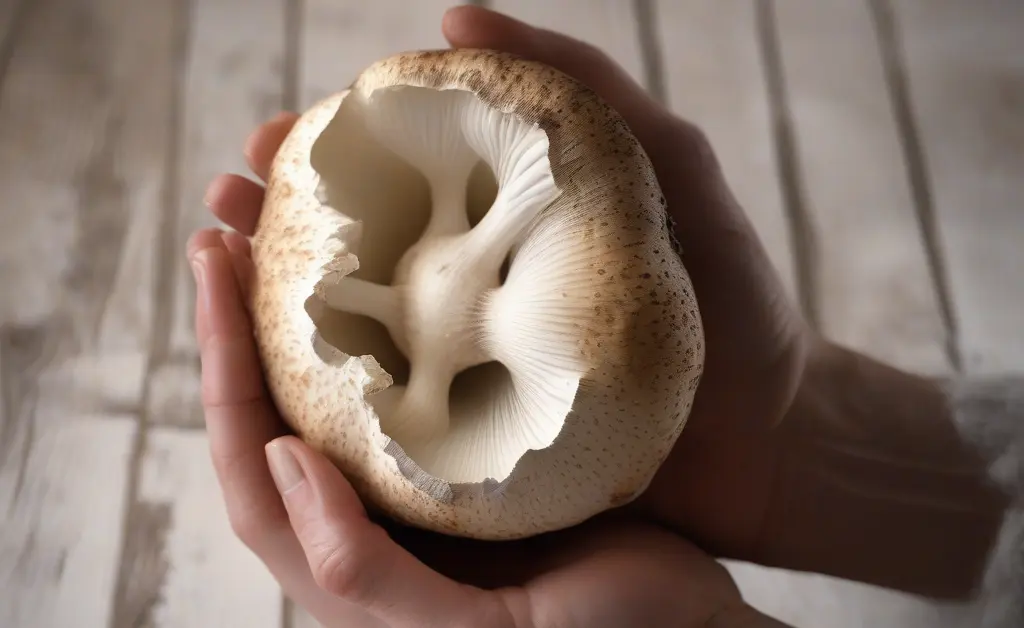
Accurate identification is paramount when foraging for any wild mushroom, especially for the puffball mushroom Maryland offers. While many puffballs are edible, some look-alikes can be toxic. Key identification features for edible puffballs include a solid, uniformly white interior (gleba) and the absence of any gill structures. Always slice a puffball open from top to bottom before considering it for consumption to confirm these internal characteristics.
General Characteristics
Edible puffballs generally share a few defining characteristics. They lack gills, a stem, or a cap in the traditional mushroom sense. Their spores are produced internally. The exterior can be smooth, warty, or granular, depending on the species. The most critical general characteristic is the internal flesh: it must be completely white, firm, and homogenous, with no signs of yellowing, greening, or any developing outline of a cap or gills.
Size and Shape
Puffballs vary significantly in size, from small, marble-sized specimens to giant ones weighing many pounds. Shapes can range from perfectly spherical to pear-shaped, sometimes with a constricted base resembling a rudimentary stem. The Giant Puffball is distinctive for its large, often bowling ball-like dimensions, while Gemmed and Umber-brown Puffballs are typically smaller and more pear-shaped.
Color and Texture
Most edible puffballs start as white or off-white. The texture of the outer skin can vary from smooth (Giant Puffball) to covered in small, easily removable spines (Gemmed Puffball). As puffballs age, their color may change to yellowish or brownish, and their internal flesh will begin to discolor and soften. For culinary purposes, only young, pure white puffballs are desirable.
Interior Appearance (Gleba)
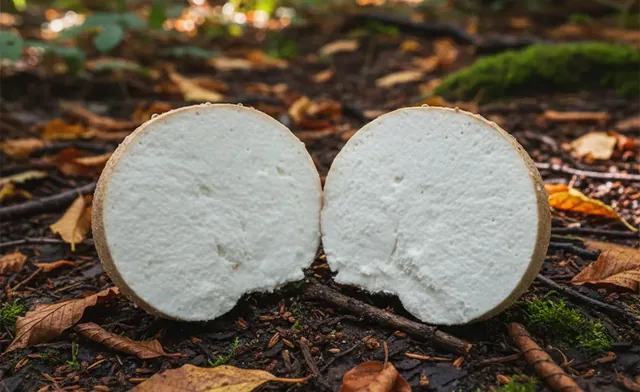
The gleba, or interior flesh, is the most crucial identification factor. For an edible puffball, the gleba must be solid white, like a marshmallow or fresh cheese, and uniform throughout. If the interior shows any yellowish, greenish, purplish, or brownish discoloration, or if there is any visible outline of a cap and gills (indicating it might be a button stage of a toxic gilled mushroom like Amanita), the mushroom should be discarded immediately. This is the primary safety check. For information on mushroom safety, consult with the CDC.
Habitat Preferences (woods, pastures, lawns)
Puffballs are quite versatile in their habitat. They can be found in a variety of environments, including open woodlands, grassy fields, pastures, and even suburban lawns. Some, like the Umber-brown Puffball, prefer to grow on decaying wood, while others, like the Giant Puffball, are typically found on the ground in rich soil.
Similar Species and How to Differentiate
Several mushrooms can be mistaken for edible puffballs. The most dangerous look-alike is the button stage of toxic gilled mushrooms, particularly some species of Amanita, which are deadly poisonous. These young mushrooms, when sliced open, will reveal the developing outlines of gills and a cap within the “puffball.” True puffballs, even when very young, will have a solid, undifferentiated white interior. Earthballs (Scleroderma species) are another common look-alike. These fungi have a tougher, often scaly or warty skin, and when cut open, their interior will be purplish-black or dark and firm, not pure white. Always cut a puffball in half to verify the solid white interior and absence of internal structures before considering it edible.
Where to Find Giant Puffball Mushrooms in Maryland
Locating a Giant Puffball mushroom Maryland can be an exciting experience for foragers. These impressive fungi prefer specific environments, making certain areas more promising for a successful hunt. They tend to thrive in open, grassy areas with rich soil, often at the edges of deciduous forests or in clearings where sunlight can penetrate. Meadows, pastures, and even well-maintained lawns are common spots. They are often found growing solitarily or in small groups rather than dense clusters. Identifying areas with a history of puffball growth can be a good starting point, as they often reappear in the same locations year after year. Pay close attention to areas that retain moisture but are not waterlogged, as well as disturbed grounds, which seem to favor their emergence.
When to Find Giant Puffball Mushrooms in Maryland
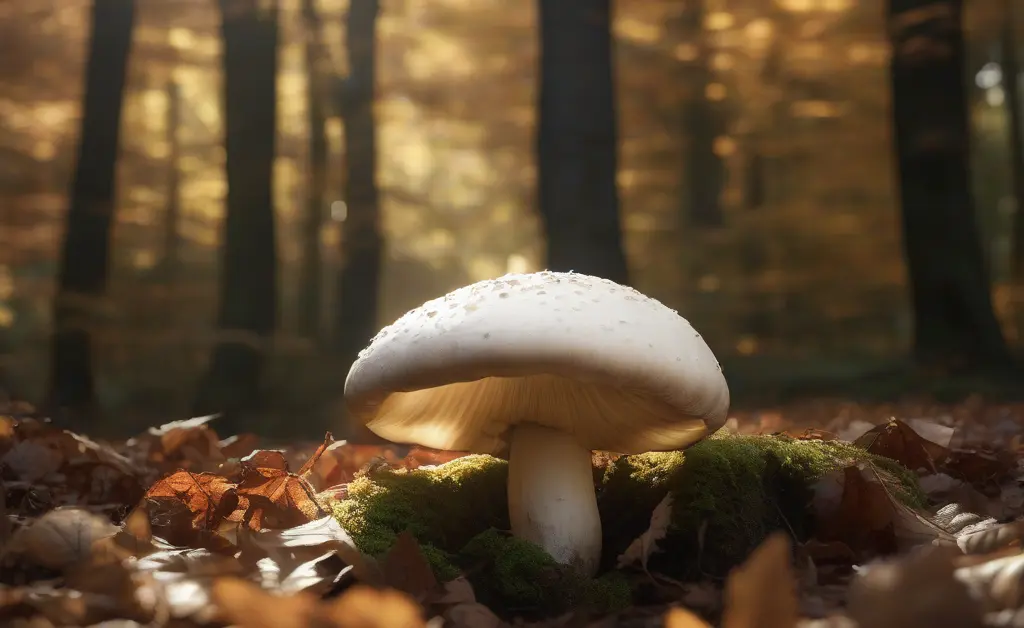
The optimal time to find Giant Puffball mushrooms in Maryland typically falls within the late summer and early autumn months. This period, generally from late August through October, provides the ideal conditions for their growth. They flourish after periods of consistent rainfall followed by mild temperatures. A sudden onset of cool, moist weather after a warmer spell often triggers a flush of fruiting. Monitoring local weather patterns and soil moisture levels can help predict their appearance. While their season is relatively short, when conditions are right, they can appear quite rapidly and grow to significant sizes in just a few days. Foragers should look for them before the first hard frost, as colder temperatures will usually bring their season to an end.
Edibility of Giant Puffball Mushrooms
The Giant Puffball mushroom is widely regarded as an excellent edible fungus, particularly when young and fresh. Understanding its edibility is key to safely enjoying this large and flavorful find. The quality of a puffball for consumption directly correlates with its age and internal condition. A prime puffball mushroom Maryland offers will have a completely pure white, firm, and uniform interior. This solid white flesh ensures it is young, fresh, and free from spores or developing internal structures that could indicate a toxic look-alike.
Edible Stages
Only young puffball mushrooms that are entirely white on the inside should be consumed. As a puffball matures, its gleba (internal flesh) begins to turn yellowish, then greenish, and eventually brownish, developing into a powdery mass of spores. At these later stages, the mushroom is no longer considered edible due to its texture, taste, and potential to cause digestive upset. Always slice the mushroom in half from top to bottom to inspect the interior thoroughly. If there is any discoloration or evidence of forming gills or a stem, discard it.
Preparation and Cooking
Once properly identified as edible, Giant Puffballs can be prepared in various ways. Their mild, earthy flavor and firm texture make them a versatile ingredient. They absorb flavors well and can be sliced into steaks and fried, breaded and deep-fried, added to stir-fries, or diced and incorporated into soups and stews. It’s often recommended to peel the outer skin, especially if it feels tough or slightly discolored, though many foragers consume it. Ensure they are cooked thoroughly before eating. Always try a small amount first to check for individual sensitivities, as with any new food.
Foraging for puffball mushrooms in Maryland can be a deeply rewarding activity, offering both the thrill of discovery and the delight of a unique culinary experience. However, the importance of accurate identification cannot be overstated. By understanding the distinct characteristics of edible species like the Giant Puffball, Gemmed Puffball, and Umber-brown Puffball, and diligently checking for the tell-tale solid white interior, you can confidently distinguish safe finds from their potentially harmful look-alikes. Remember to always forage responsibly, respecting natural habitats and ensuring you are certain of your identification before consumption. With careful observation and adherence to identification guidelines, you can safely enjoy the abundance that Maryland’s natural landscapes have to offer.
This content is for informational use and should not be considered medical instruction. It is intended to provide general knowledge regarding mushroom identification and should not be used as a substitute for professional mycological advice or for treating any health conditions. Always consult with a qualified expert before consuming wild mushrooms. Improper identification can lead to serious health risks. This information is not a guide for self-diagnosis or self-treatment.
FAQ
Are puffball mushrooms in Maryland edible?
Edibility of puffball mushrooms can vary, and proper identification is crucial. Only young, firm puffballs with pure white interiors are typically considered safe to eat, as older specimens or those with colored interiors can be unpalatable or even toxic.
How big do puffball mushrooms get in Maryland?
Puffball mushroom sizes can range considerably depending on the specific species present in Maryland. Some species remain quite small, while others, like the Giant Puffball, can grow to be impressively large, sometimes reaching diameters of over a foot.
Where do puffball mushrooms grow in Maryland?
Puffball mushrooms can be found in diverse habitats across Maryland, often favoring grassy areas such as lawns, meadows, and pastures. They may also appear in woodlands, fields, and even along roadsides.
What time of year do puffball mushrooms grow in Maryland?
The growing season for puffball mushrooms in Maryland generally spans from late spring through fall. Peak fruiting often occurs during the warmer, wetter months of summer and early autumn.
Continue reading
You May Also Like
Identifying Edible Puffball Mushrooms in Ohio
Correctly identify the puffball mushroom ohio with this guide to its key features, edibility, and how to safely distinguish it from toxic lookalikes.
Foraging for Edible Mushrooms in Maryland
Safely start foraging with this beginner's guide to edible mushrooms Maryland, covering key identification tips and the best times to find them.
Safely Identifying Puffball Mushrooms in Arkansas
Our guide helps you safely identify the puffball mushroom Arkansas has to offer, detailing key features to confidently avoid toxic look-alikes.