
A Guide to Poisonous Puffball Look-Alikes
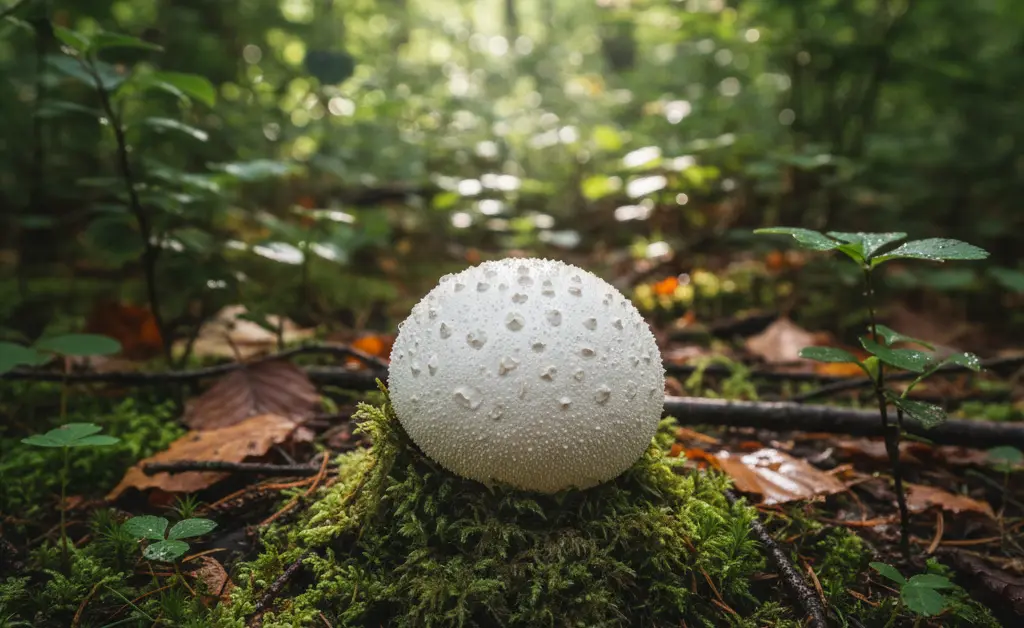
Foraging for wild mushrooms is a rewarding but challenging activity that demands precision. This pursuit requires a thorough understanding of species, especially when distinguishing edible varieties from their potentially harmful look-alikes. While many puffball species are widely enjoyed for their culinary value, concerns about a puffball mushroom poisonous variant often arise due to confusing similarities with other toxic fungi. This guide aims to clarify these distinctions, providing essential knowledge for safe identification and dispelling common misconceptions surrounding these fascinating organisms. Understanding these critical differences is paramount for anyone considering consuming wild mushrooms gathered from the wild, ensuring both safety and enjoyment.
Differentiating Puffballs from Poisonous Look-alikes
Accurate identification is the cornerstone of safe mushroom foraging, especially when it comes to separating true puffballs from their dangerous counterparts. A key characteristic of true puffball fungi is their interior: when cut open, a young, edible puffball will have a solid, uniformly white, marshmallow-like flesh with no discernible internal structures like gills. This uniform white interior is a crucial indicator. The presence of any dark coloration, an outline of developing gills, or a distinct cap and stem structure within the mushroom signals that it is not a true puffball and should be avoided. The confusion surrounding a potentially puffball mushroom poisonous imposter often stems from misidentifying gilled mushrooms in their “button” stage or, more commonly, mistaking toxic “false puffballs” for true puffballs. We will explore these puffball mushroom look-alikes carefully.
One of the most perilous look-alikes are young, unexpanded species from the Amanita genus, such as the Death Cap (*Amanita phalloides*) or Destroying Angel (*Amanita virosa*). In their button stage, these mushrooms can appear somewhat round and solid, superficially resembling a puffball. However, cutting them vertically will reveal the distinct embryonic gills and the outline of a cap and stem, often encased within a universal veil that forms a sac-like structure called a volva at the base. True puffballs, by contrast, lack gills, a cap, or a volva. Other mushroom mimics to avoid include *Scleroderma* species, commonly known as earthballs or “false puffballs.” These fungi, while somewhat spherical, typically have a much tougher, leathery outer skin and, when cut open, display a dark, purplish-black, or marbled interior, often with a firm, rubbery texture. The importance of proper identification cannot be overstated; when dealing with wild fungi, always confirm key characteristics meticulously. This guide can help with puffball mushroom identification.
Risks and Warnings Associated with Puffball Mushrooms
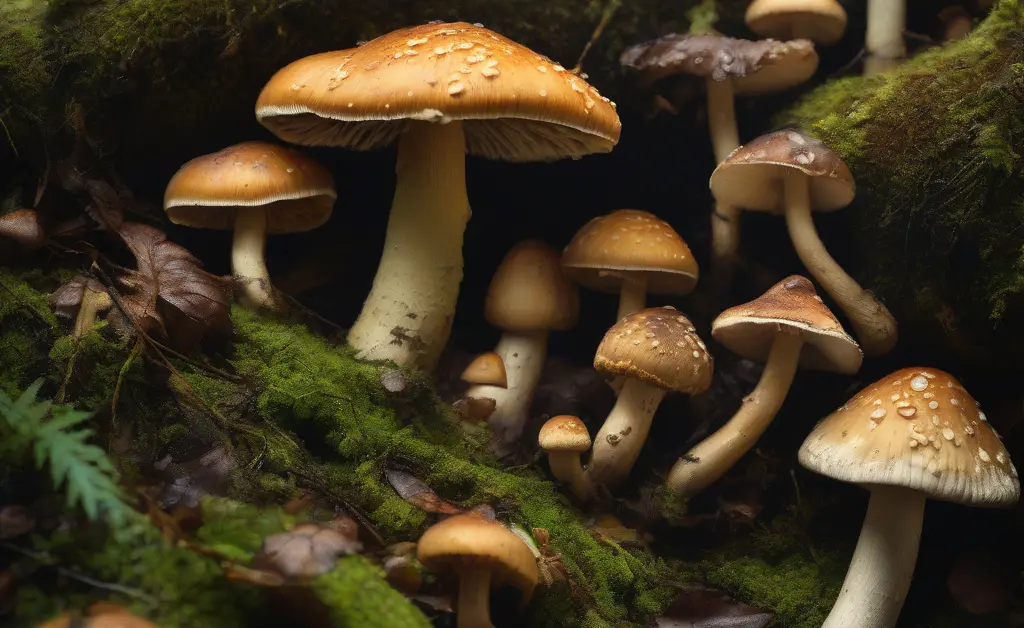
While many true puffball species are considered choice edibles when young and properly identified, the risks associated with consuming a puffball mushroom poisonous look-alike are significant. Misidentification can lead to serious health consequences, ranging from severe gastrointestinal upset to life-threatening organ damage. The specific outcome of eating a toxic mushroom depends entirely on the species consumed, with some, like certain Amanita species, containing potent toxins that can be fatal if ingested. It is critical to understand that even seemingly harmless gastrointestinal symptoms can mask more severe internal damage that may not manifest for hours or even days after consumption. For general health guidance, consult the WHO.
Beyond the dangers of toxic mushroom mimics, it’s also worth noting that some individuals may experience allergic reactions to edible puffballs, similar to sensitivities one might have to other foods. Symptoms could include skin rashes, digestive issues, or respiratory discomfort. Furthermore, while true puffballs are safe to eat when young, their edibility changes as they mature. As spores develop, the interior of a true puffball transforms from uniformly white to yellow, then brown, and eventually to a powdery, greenish-brown mass. At this stage, the mushroom is considered over-mature and generally unpalatable, and while not inherently toxic in the way a poisonous look-alike is, it may cause digestive upset if consumed due to its altered composition. Therefore, for safe foraging, only young, firm puffballs with a pure white interior should be considered for consumption. Can puffballs make you sick? Yes, if misidentified or consumed when over-mature by sensitive individuals.
Are All Puffballs Edible?
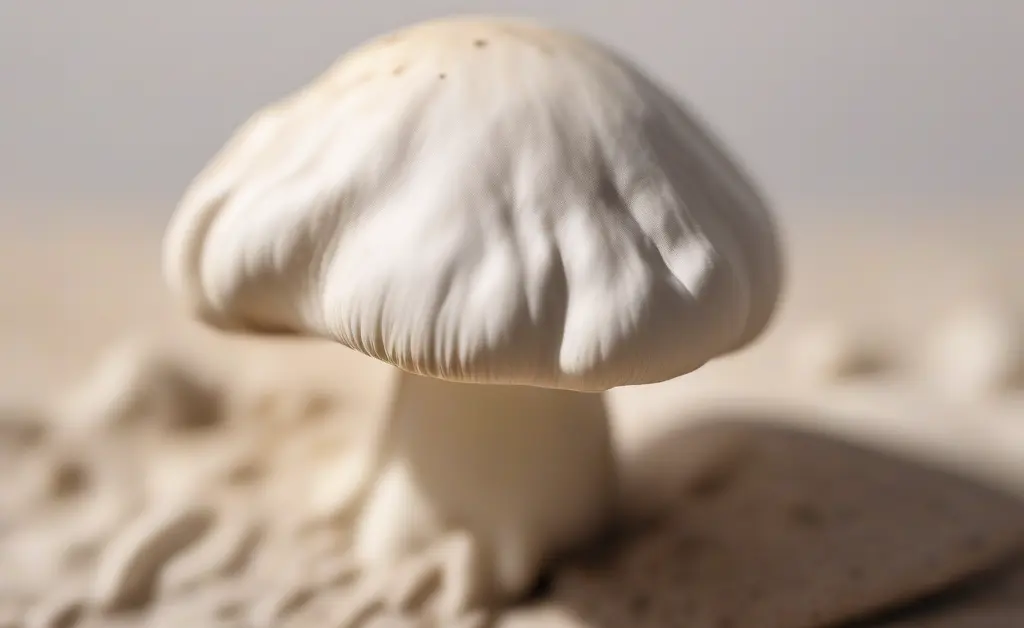
The question of whether all puffballs are edible is a common one, and the simple answer is no—at least, not all fungi that *appear* to be puffballs are safe for consumption. While many species of true puffballs are indeed highly prized culinary mushrooms, particularly when young and firm, the confusion surrounding what constitutes a true puffball often leads to this query. Edible common puffball species are characterized by their completely white, solid interior and absence of any gills or stem structures. However, it is crucial to recognize that the term “puffball” is sometimes used loosely, encompassing various spherical fungi, some of which are not edible or are outright toxic. Thus, the idea of a puffball mushroom poisonous variant is less about true puffballs being inherently toxic, and more about mistaken identity. Many true puffballs are indeed puffball mushroom edible when correctly identified.
To safely enjoy edible puffballs, proper identification is paramount. This involves not only recognizing the external features but, more importantly, inspecting the internal structure. Any specimen that shows signs of gills, a developing stem, or has any color other than pure white inside should be immediately discarded. This rigorous approach helps to prevent the accidental consumption of toxic look-alikes and ensures puffball mushroom safety. The critical lesson for foragers is that while many true puffballs are edible, thorough verification is always necessary before consumption.
The Myth of Poisonous Puffballs
The notion that puffballs themselves are inherently poisonous is largely a myth, originating from the critical confusion with their toxic look-alikes. True puffball species, such as the Giant Puffball (*Calvatia gigantea*) or Common Puffball (*Lycoperdon perlatum*), are not poisonous and are, in fact, enjoyed by many foragers for their mild flavor and versatility in cooking, provided they are harvested when young and their flesh is entirely white. The concern about a puffball mushroom poisonous threat typically arises when these edible fungi are mistaken for genuinely dangerous mushrooms. The primary culprits for this misidentification are young button stage Amanita mushrooms, which contain deadly toxins, and false puffballs (*Scleroderma* species), which can cause severe gastrointestinal distress.
Therefore, when people ask, “are puffball fungi poisonous?” or “is a puffball mushroom toxic?”, they are usually thinking of the consequences of misidentification rather than an inherent toxicity of true puffballs. The key to safe foraging is understanding that the true danger lies not in the puffball itself, but in the lack of knowledge required to distinguish it from its harmful mimics. The golden rule for any wild food, especially mushrooms, is “when in doubt, throw it out.” This simple principle underscores the importance of correct identification for puffball mushroom safety, emphasizing caution over culinary ambition. Be aware of a puffball mushroom that is green inside, as this is a sign of spoilage or maturity.
Navigating the world of wild mushrooms requires diligence and a deep respect for the potential dangers of misidentification. While many true puffball species offer a delicious addition to the culinary repertoire, the critical takeaway is the absolute necessity of precise identification. By understanding the key differentiating features of true puffballs from their poisonous look-alikes, foragers can significantly mitigate risks. Always remember that safety in foraging is paramount, and when it comes to consuming wild fungi, certainty should always outweigh assumption.
This article aims to inform, not to replace professional healthcare advice. The information provided about mushroom identification and potential toxicity is for educational purposes only and should not be used as a substitute for expert guidance. Consuming wild mushrooms can carry inherent risks, and misidentification can lead to severe health consequences. Always consult with a qualified mycologist or medical professional for accurate identification or if you suspect mushroom poisoning.
FAQ
Can puffball mushrooms be poisonous?
While many puffball mushrooms are edible and enjoyed by foragers, certain species can be mistaken for poisonous mushrooms, particularly when they are young and round. It’s crucial to correctly identify puffballs, as some immature toxic mushrooms can resemble them before their distinct features develop. Proper identification is key to ensuring safety.
How do I know if a puffball mushroom is poisonous?
The most reliable way to determine if a puffball mushroom is safe to consume is by its internal structure when cut open. Edible puffballs will have a uniform white interior throughout, with no signs of gills, cap, or stem development. Any appearance of internal structures like gills or discoloration indicates it is not a true puffball or is past its prime for eating.
Are all puffball mushrooms edible and safe to eat?
No, not all puffball mushrooms are considered edible and safe to eat. While common varieties like the giant puffball are well-known for their edibility, there are look-alikes and some species that are not suitable for consumption. Misidentification can lead to consuming toxic mushrooms, so absolute certainty in identification is paramount before considering any puffball for consumption.
Continue reading
You May Also Like
Distinguishing Puffballs From Their Poisonous Look-Alikes
Confidently tell true puffballs from a poisonous puffball mushroom look alike by examining key internal and external features to ensure safe foraging.
How to Identify Poisonous Hedgehog Look-Alikes
Confidently identify the differences between safe species and hedgehog mushroom poisonous look alikes using our clear, expert visual guide.

Where to Buy Fresh and Dried Puffball Mushrooms?
Our guide to semaglutide for weight loss reviews its clinical efficacy, side effects, and cost to help you evaluate if it's the right choice.