
Identifying Edible Puffballs and Their Poisonous Mimics
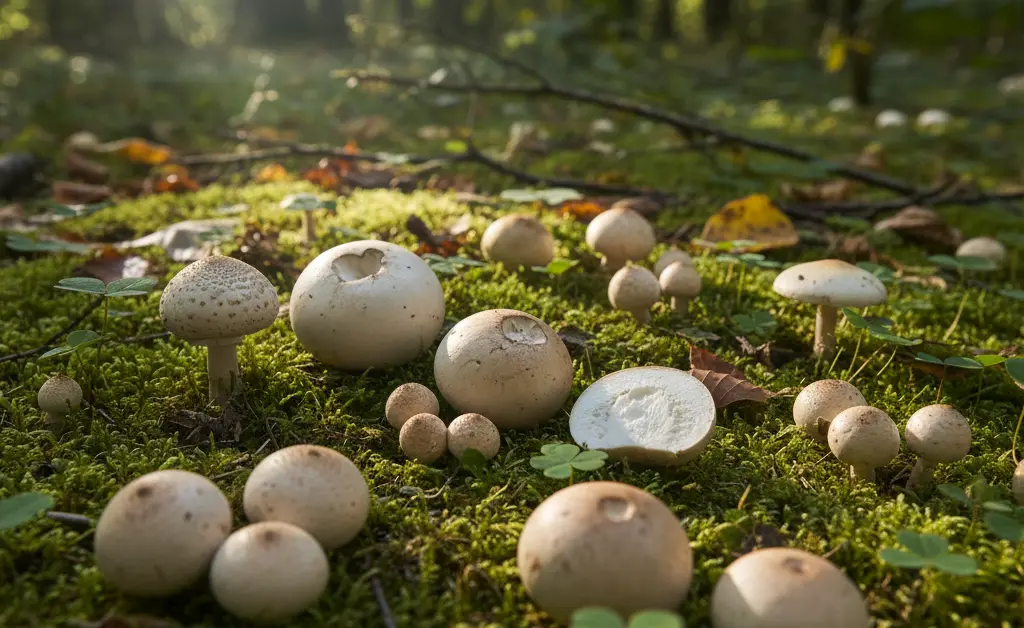
Puffball mushrooms are a common sight in many outdoor environments, often sought after by foragers. However, identifying them correctly is crucial, as several species can bear a striking resemblance to edible puffballs. Misidentification can lead to serious health issues, making it essential for anyone considering foraging to understand the key differences between edible fungi and their doppelgangers. This guide is designed to clarify the distinctions and highlight important characteristics that separate true puffballs from their potentially harmful counterparts. By focusing on common puffball mushroom look alikes, we aim to provide comprehensive information to help ensure safe foraging practices. Learning to differentiate between safe and toxic varieties is not just a recommendation, but a critical step for anyone who enjoys collecting wild fungi for consumption, safeguarding well-being and promoting responsible engagement with nature’s bounty.
Edible vs. Poisonous Puffball Look Alikes
Distinguishing between edible puffballs and their potentially poisonous counterparts is paramount for safe foraging. While many true puffballs are considered a culinary delight, several species, including some that are toxic, can mimic their appearance, especially in early growth stages. The most critical step in identifying a true puffball from its puffball mushroom look alikes is to always slice the mushroom in half vertically. An edible puffball will have a uniformly white, solid interior without any evidence of gills, stems, or discoloration. Any deviation from this characteristic—such as a dark, spongy interior, or the presence of developing gill structures—indicates that it is not a true edible puffball and should be discarded. For more on puffball mushroom identification, always consult reliable resources.
What Mushroom Looks Like a Puffball?
Many fungi can bear a superficial resemblance to puffballs, particularly when they are young and immature. These imposters often share a rounded or globular shape and a white or off-white exterior. Some mushrooms, even those from unrelated families, might present as a solid, fleshy mass during their button stage, leading to potential confusion. This initial similarity is why a thorough internal examination is always necessary, as external characteristics alone are rarely sufficient for positive identification.
Puffball Mushroom Look Alikes Pictures
While visual aids can be helpful, relying solely on pictures to identify puffball mushroom look alikes can be misleading. Photographs often fail to convey critical tactile sensations, internal textures, or subtle color variations that are essential for accurate identification. They can, however, serve as a valuable reference point when used in conjunction with detailed descriptions, field guides, and, most importantly, careful physical examination of the specimen itself. Always cross-reference multiple reliable sources and never consume a mushroom based purely on photographic comparison.
Puffball Mushroom Look Alikes
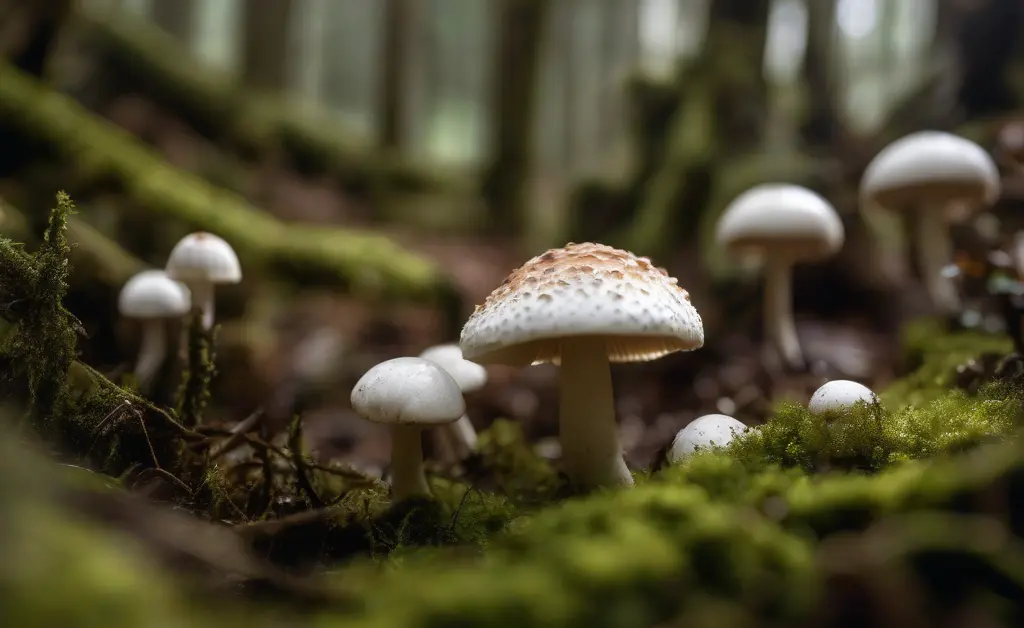
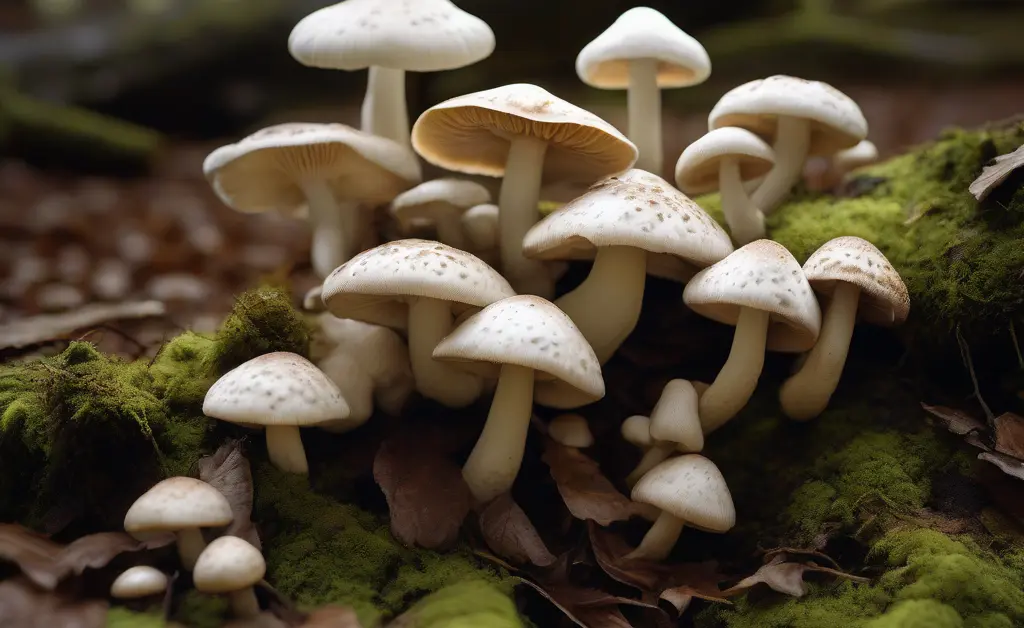
The range of fungi that can be confused with edible puffballs is diverse, and understanding the specific characteristics of these puffball mushroom look alikes is vital for any aspiring forager. From species that cause mild gastrointestinal upset to those that are deadly, the risks associated with misidentification underscore the importance of careful scrutiny. Learning the distinctive traits of each common imposter helps to ensure that only safe, edible specimens make it into your foraging basket.
False Puffballs (e.g., Scleroderma Species/Earthballs)
One of the most common groups of puffball mushroom look alikes are the false puffballs, primarily species within the genus Scleroderma, commonly known as earthballs. Unlike true puffballs, which have a soft, pliable outer skin and a consistently white interior when young, earthballs are characterized by a tough, leathery, or warty outer rind. When sliced open, the interior of an earthball is typically dark purple to black, often marbled with white veins, and becomes powdery with age. These fungi are considered mildly toxic, causing gastrointestinal distress if consumed. Their firm texture and dark internal spore mass are key indicators that differentiate them from true puffballs. It is important to know which puffball mushrooms are poisonous before foraging.
Other Toxic Fungi Resembling Puffballs
Beyond earthballs, other toxic fungi can occasionally be mistaken for puffballs, especially during their immature stages. Some species that develop into more complex forms later may appear as simple, rounded structures when young. Foragers must remain vigilant, as even early-stage mushrooms that will later develop gills and a stem can sometimes resemble a small, firm puffball. The critical rule of cutting every specimen in half helps to reveal the developing internal structures of these other fungi, preventing dangerous errors.
Giant Puffball Mushroom Look Alikes
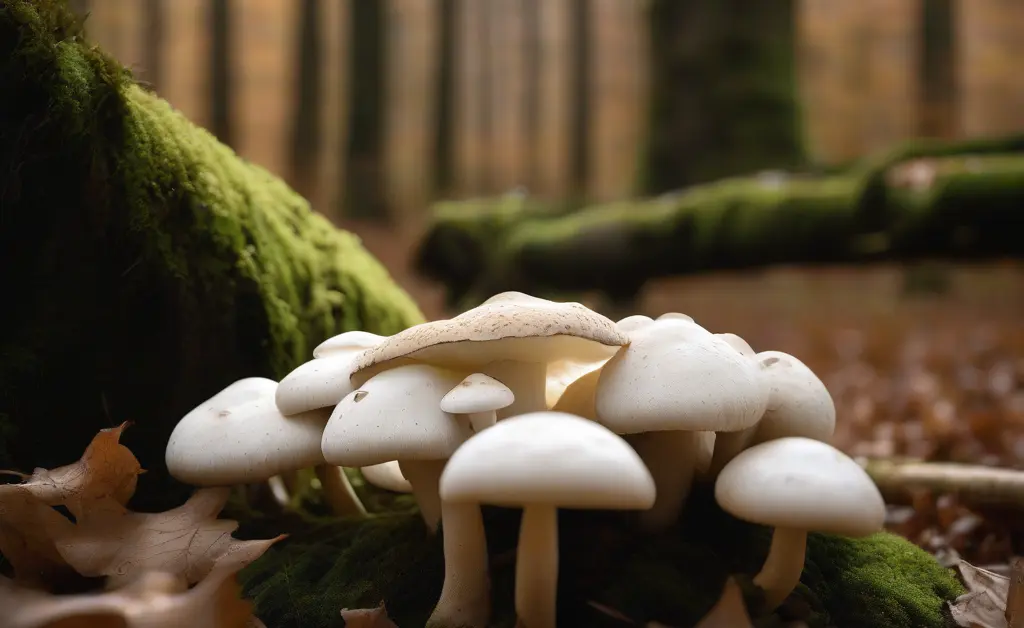
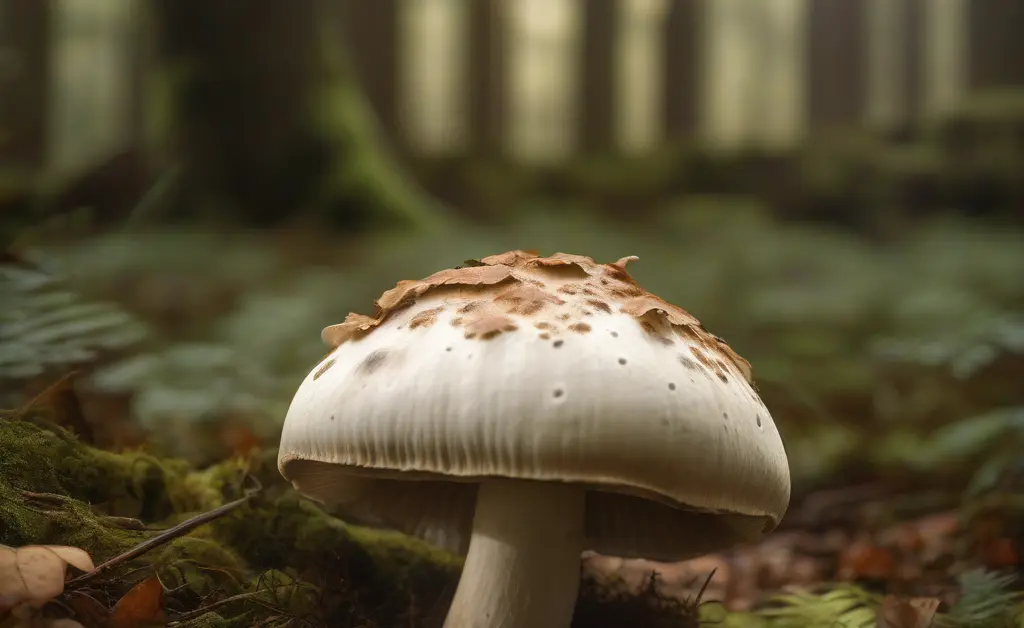
The giant puffball (Calvatia gigantea) is a prized edible mushroom due to its substantial size and mild flavor. However, even this distinctive fungus has its own set of puffball mushroom look alikes that must be carefully distinguished. The danger often lies in the early, button stages of highly toxic species that might not yet show their characteristic features. Foraging for giant puffballs requires the same vigilance and adherence to identification protocols as any other wild mushroom.
Amanita Species (e.g., Destroying Angels)
Perhaps the most critical identification concern when foraging for giant puffballs is the risk of encountering immature Amanita species, such as the deadly Destroying Angels (e.g., Amanita virosa, Amanita bisporigera, Amanita ocreata). In their button stage, young Amanitas are encased in a universal veil, forming a round or egg-shaped structure that can, to the untrained eye, resemble a small puffball. However, cutting an immature Amanita in half will reveal the distinct outline of a developing mushroom, complete with a nascent cap, gills, and stem within the ‘egg.’ This internal structure is never present in a true puffball, which will always show a homogenous, solid white interior. The consumption of even a small piece of a Destroying Angel can be fatal, making this differentiation absolutely critical.
Common Puffball Mushroom Look-Alikes
Foraging requires a keen eye and a thorough understanding of the features that distinguish edible species from their imposters. While the diversity of fungi can seem overwhelming, focusing on the most common puffball mushroom look-alikes helps to build foundational knowledge. These often include the toxic earthballs, as well as the lethal immature Amanita “eggs.” Consistent practice of the “cut it in half” rule and observation of internal structure are the most reliable methods for avoiding dangerous misidentifications. Beginners should always consult with experienced mycologists or join local mushroom clubs for hands-on learning.
Key Differences Between Puffballs and Their Look-Alikes

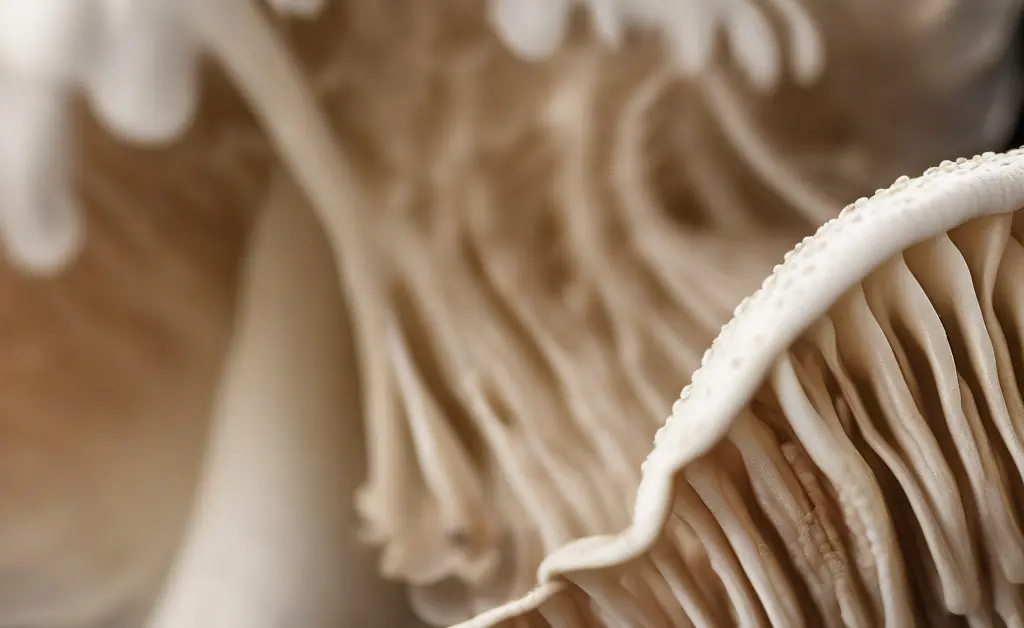
Understanding the key differences is paramount for safe foraging. The most crucial distinguishing characteristic lies in the internal structure of the mushroom. When any suspected puffball is cut vertically from top to bottom, an edible puffball will display a completely solid, uniformly white flesh throughout its interior. There should be no signs of a cap, gills, stem, or any dark discoloration. This homogenous white interior is a hallmark of an edible puffball. In contrast, puffball mushroom look alikes will often reveal developing gill structures, a distinct stem outline, or a dark, spongy, or discolored spore mass when cut open. False puffballs like earthballs will typically have a tough rind and a dark, purplish-black, or olive-colored interior. Immature toxic Amanita species, when bisected, will clearly show the embryonic outline of a cap, gills, and stem within their ‘egg’ stage. Therefore, the simple act of slicing every potential puffball open is the single most important safety measure a forager can take to confirm its identity and avoid potentially fatal mistakes. This is why knowing how to cut a puffball mushroom in half is essential.
Foraging for wild mushrooms can be a rewarding experience, but it comes with a significant responsibility to ensure safety. The abundance of puffball mushroom look alikes necessitates an extremely cautious approach. Always remember the fundamental rule: cut every single specimen open. If the interior is not uniformly white and solid, free from any hint of gills, a stem, or discoloration, it is not an edible puffball. When in doubt, always err on the side of caution and discard the mushroom. Consulting with experienced foragers, utilizing multiple reliable field guides, and developing a thorough understanding of local fungi are essential practices for ensuring safe and enjoyable foraging. For further information on mushroom safety and health, the NHS provides valuable resources.
Readers should understand that this article does not offer medical diagnosis or treatment. The information provided is for educational purposes regarding mushroom identification and foraging safety. Any consumption of wild mushrooms carries inherent risks, and misidentification can lead to severe health consequences. It is always recommended to consult with an expert mycologist for positive identification before consuming any wild fungi.
FAQ
What mushrooms look like puffballs but are poisonous?
Some mushrooms that resemble puffballs, such as the immature stages of certain Amanita species, can be poisonous. These immature Amanitas may appear as a rounded white mass before their cap and stem have fully developed. Distinguishing them from true puffballs requires careful observation of internal structures.
How can you tell a puffball mushroom from a toxic one?
A key characteristic of true puffballs is that when cut open, their interior is uniformly white and spongy, without any discernible shape of a developing cap, stem, or gills. Toxic look-alikes, especially immature Amanitas, will reveal the outline of a mushroom, including a cap and stem, and potentially the beginnings of gills, when sliced. Observing this internal structure is crucial for safe identification.
What is the difference between a puffball and an earthball?
While both are round and lack visible gills, puffball mushrooms have a fleshy, white interior when immature and eventually turn powdery with spores. Earthballs, however, have a dark, often purplish-black, marbled interior that remains firm and rubbery, even in mature specimens. The texture and color of the inside are significant differentiating factors between these puffball mushroom look alikes.
Continue reading
You May Also Like
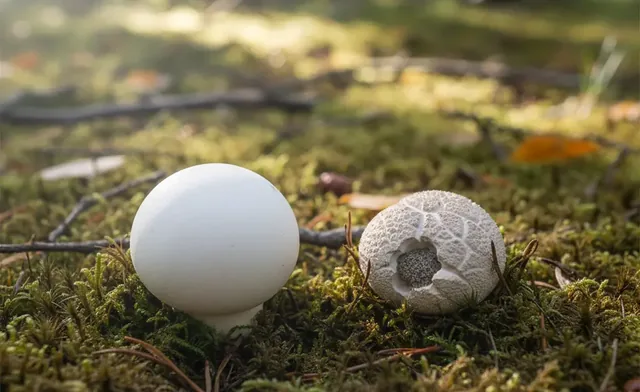
Distinguishing Puffballs From Their Poisonous Look-Alikes
Confidently tell true puffballs from a poisonous puffball mushroom look alike by examining key internal and external features to ensure safe foraging.
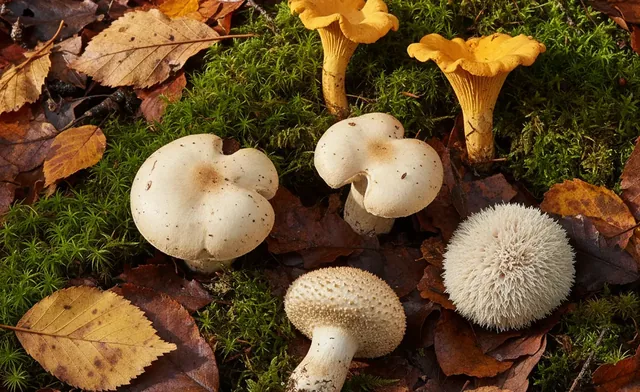
How to Identify Poisonous Hedgehog Look-Alikes
Confidently identify the differences between safe species and hedgehog mushroom poisonous look alikes using our clear, expert visual guide.
Identifying Portobello Mushroom Look-Alikes
Avoid dangerous mistakes by learning the key visual differences that separate edible portobellos from toxic portobello mushroom look alikes.