
Puffball Mushroom Protein: A Nutritional Overview

Puffball mushrooms are not only a culinary curiosity but also a surprisingly robust source of nutrition. Their often-overlooked composition includes a significant array of vitamins, minerals, and, notably, a valuable protein component. This article aims to provide a comprehensive overview of puffball mushroom protein, examining its precise nutritional profile. We will explore the macronutrient and micronutrient breakdown, detail the amino acid composition, and discuss the various health benefits these fungi offer, from muscle support to immune system enhancement. Understanding the full scope of their nutritional contributions can illuminate why puffball mushrooms are increasingly recognized as a beneficial dietary addition.
What is Puffball Mushroom Protein?
Puffball mushrooms, a diverse group of fungi, are becoming recognized not just for their unique appearance and flavor but also for their nutritional density. Central to this is their protein content, which contributes significantly to their overall value as a food source. The protein found in these mushrooms is part of a broader nutritional matrix, offering a distinct profile that sets them apart from many common vegetable proteins.
Defining Puffball Mushroom Protein
Puffball mushroom protein refers to the amino acid chains present within the fungal tissues of puffball varieties. Unlike plant-based proteins, which can sometimes lack certain essential amino acids, fungal proteins are often considered to be of higher biological value, meaning they contain a more complete spectrum of amino acids necessary for human health. This makes puffball mushroom protein a potentially valuable component in vegetarian and vegan diets, or for anyone seeking to diversify their protein sources. The structure and composition of this protein contribute to the mushroom’s texture and overall nutritional impact. Learn more about the puffball mushroom benefits.
Puffball Mushroom Nutrition Facts
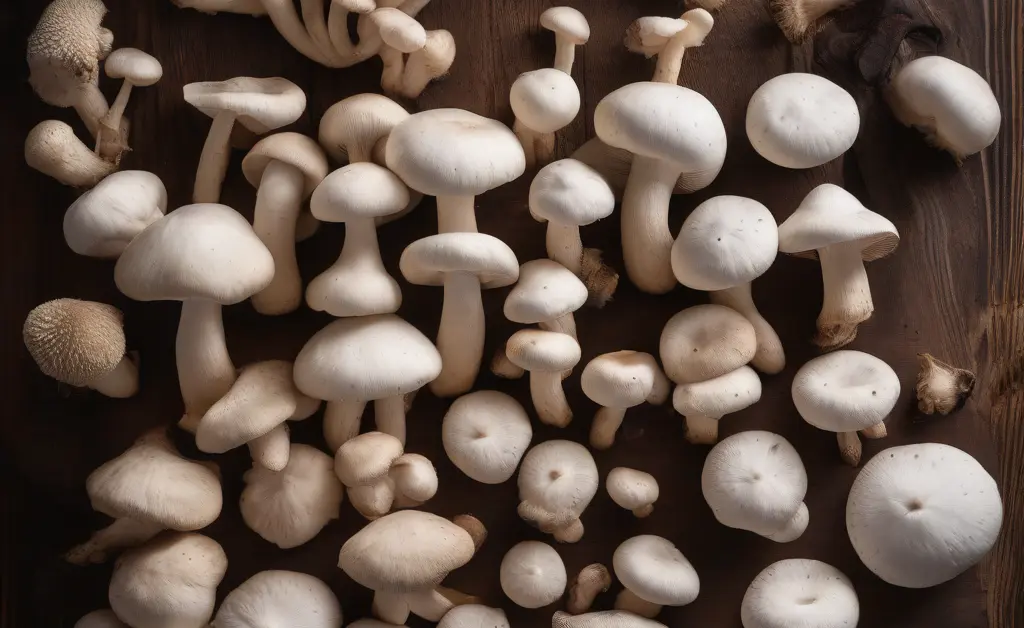
Beyond their unique protein content, puffball mushrooms offer a comprehensive nutritional package. Understanding their full profile helps in appreciating their role in a balanced diet. The presence of significant puffball mushroom protein, alongside other vital nutrients, makes them an interesting subject for nutritional study and dietary inclusion.
Macronutrient Breakdown (Protein, Carbs, Fat)
Puffball mushrooms are generally low in calories and fat, making them a suitable addition for those monitoring caloric intake. Their carbohydrate content is also relatively modest, often consisting of beneficial complex carbohydrates and fibers. However, it is their protein contribution that often garners significant attention. While not as high in protein as animal sources, the quality and digestibility of puffball mushroom protein are considered notable, providing a good complement to other dietary proteins. Discover the puffball mushroom calories and nutritional breakdown.
Micronutrient Content (Vitamins and Minerals)
These fungi are rich in several important micronutrients. They often contain B vitamins, such as riboflavin, niacin, and pantothenic acid, which play crucial roles in energy metabolism and overall cellular function. Additionally, puffball mushrooms may provide minerals like selenium, potassium, phosphorus, and copper, all vital for various bodily processes, including antioxidant defense, nerve function, and bone health.
Fiber Content
Puffball mushrooms are a good source of dietary fiber, which is essential for digestive health. Fiber aids in maintaining regular bowel movements, may help regulate blood sugar levels, and contributes to a feeling of fullness, which can be beneficial for weight management. The fiber in mushrooms, including chitin, also contributes to their unique texture and may have prebiotic effects, supporting a healthy gut microbiome.
Puffball Mushroom Protein Per 100g
While exact figures can vary based on the species, growing conditions, and preparation methods, puffball mushrooms typically offer a moderate amount of protein per serving. This makes them a contributing source of dietary protein when incorporated regularly into meals. The protein density, combined with their low-calorie nature, makes them an efficient nutritional choice for those looking to boost their protein intake without adding excessive calories or fat.
Giant Puffball Mushroom Protein
The giant puffball mushroom (Calvatia gigantea) is particularly renowned not only for its impressive size but also for its substantial nutritional profile. Due to its larger mass, a single serving of giant puffball can provide a notable amount of protein. Its dense, meaty texture further highlights its potential as a protein-rich food item. Many culinary enthusiasts value it for its versatility as a protein substitute in various dishes.
Puffball Mushroom Protein Powder
With the increasing interest in alternative protein sources, puffball mushroom protein is also being explored for its potential in supplemental forms. While not as common as other plant or fungal protein powders, dried and powdered puffball mushrooms could offer a concentrated source of their beneficial protein and other nutrients. Such powders might be incorporated into smoothies, shakes, or other food products to enhance their nutritional value, offering an accessible way to benefit from puffball mushroom protein.
Benefits of Puffball Mushroom Protein
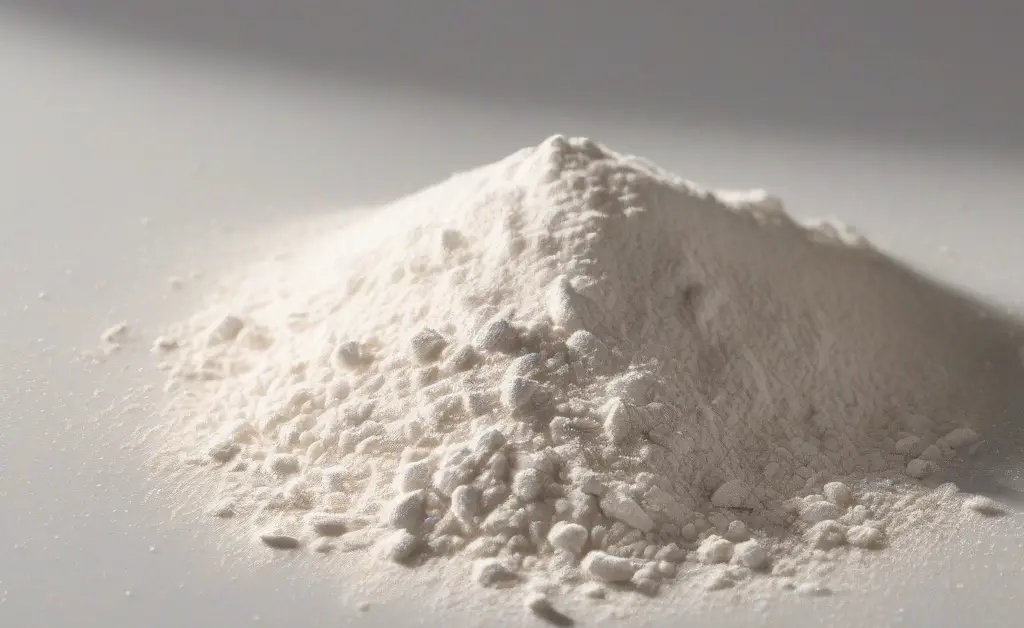
The inclusion of puffball mushroom protein in the diet may offer a range of potential health advantages, stemming from its unique composition of amino acids and associated bioactive compounds. These benefits extend beyond mere macronutrient intake, influencing several physiological systems.
Amino Acid Composition
The protein in puffball mushrooms typically contains a spectrum of amino acids, including some essential ones that the human body cannot produce on its own. While the precise balance can vary, the presence of these crucial building blocks makes puffball mushroom protein valuable for various bodily functions, including tissue repair, enzyme production, and hormone synthesis. This comprehensive amino acid profile contributes to its overall nutritional efficacy. Explore the medicinal uses of puffball mushrooms for more insight.
Puffball mushrooms have shown potential for puffball mushroom benefits for skin due to their nutrient composition.
Muscle Growth and Repair
As a source of protein, puffball mushrooms can play a supportive role in muscle health. Protein is fundamental for the synthesis and repair of muscle tissues, making it an essential nutrient for individuals engaging in physical activity or those looking to maintain muscle mass. Incorporating foods rich in protein, such as those containing puffball mushroom protein, can contribute to the body’s ability to recover and adapt after exercise.
Satiety and Weight Management
Foods rich in protein and fiber, like puffball mushrooms, can contribute to feelings of fullness and satiety. Protein is known to be more satiating than carbohydrates or fats, potentially reducing overall calorie intake by helping to manage appetite. This effect can be beneficial for individuals aiming to manage their body weight or maintain a healthy eating pattern.
Immune System Support
Beyond its protein content, puffball mushrooms contain various compounds, including beta-glucans and other polysaccharides, which have been studied for their potential immune-modulating properties. These compounds, along with the vitamins and minerals present, may contribute to a robust immune response, helping the body defend against various challenges. The synergistic effect of these components, alongside puffball mushroom protein, can offer holistic support for the body’s defenses.
Antioxidant Properties
Puffball mushrooms are known to contain several antioxidant compounds, such as phenolic compounds and selenium. Antioxidants help protect the body’s cells from oxidative stress caused by free radicals, which are implicated in cellular aging and various health concerns. Including antioxidant-rich foods in the diet may contribute to overall cellular health and well-being.
Puffball Mushroom Side Effects
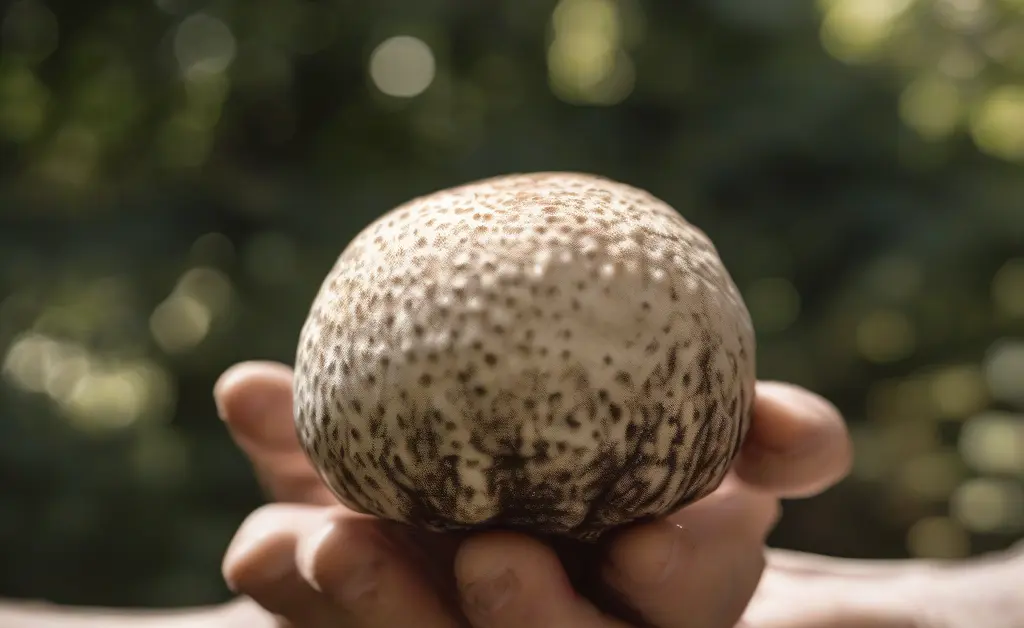
While puffball mushrooms are generally considered safe for consumption when properly identified and prepared, it is important to be aware of potential side effects or considerations. Allergic reactions, though uncommon, can occur with any food. It is crucial to ensure that any wild-foraged puffball mushroom protein source is correctly identified, as some toxic look-alikes exist in the wild. If you are foraging, always consult an expert. Additionally, consuming large quantities of any food, including puffball mushroom protein, could potentially lead to digestive discomfort in sensitive individuals. As with any dietary change, moderation and careful observation are recommended. For further information on mushroom consumption and safety, consult the FDA.
Puffball mushrooms offer a unique and nutritious addition to many diets, providing not only an interesting culinary experience but also a valuable source of protein, fiber, vitamins, and minerals. Their versatile nature allows for various preparations, making them an accessible way to diversify nutrient intake. As research continues to explore their full spectrum of bioactive compounds, puffball mushrooms are likely to gain even more recognition for their potential health-supporting properties, cementing their place as a beneficial fungi in a balanced diet.
This article is written for general understanding and not for medical decision-making. The information provided is for educational purposes only and should not be considered a substitute for professional medical advice, diagnosis, or treatment. Always consult with a qualified healthcare provider before making any decisions about your health or treatment plans.
FAQ
Are puffball mushrooms a good source of protein?
Puffball mushrooms offer a notable amount of protein, contributing to their nutritional value. Their protein content makes them a relevant ingredient for those looking to incorporate more plant-based protein into their diets.
How much protein is in a puffball mushroom?
The protein content can vary depending on the specific species and whether the mushroom is fresh or dried. Generally, puffball mushrooms contain a significant percentage of protein relative to their weight.
What amino acids are in puffball mushrooms?
Puffball mushrooms contain a profile of essential amino acids that are important for bodily functions. These amino acids contribute to the overall nutritional quality of the mushroom, including puffball mushroom protein.
Continue reading
You May Also Like

The Nutritional Value of Puffball Mushrooms
Our complete nutritional guide examines puffball mushroom calories per serving, providing a detailed breakdown of their health and dietary value.

How Does Button Mushroom Protein Compare?
Evaluate how button mushroom protein compares to animal and plant sources with a breakdown of amino acids, calories, and overall benefits.

Where to Buy Fresh and Dried Puffball Mushrooms?
Our guide to semaglutide for weight loss reviews its clinical efficacy, side effects, and cost to help you evaluate if it's the right choice.