
Unveiling the Benefits of Puffball Mushrooms
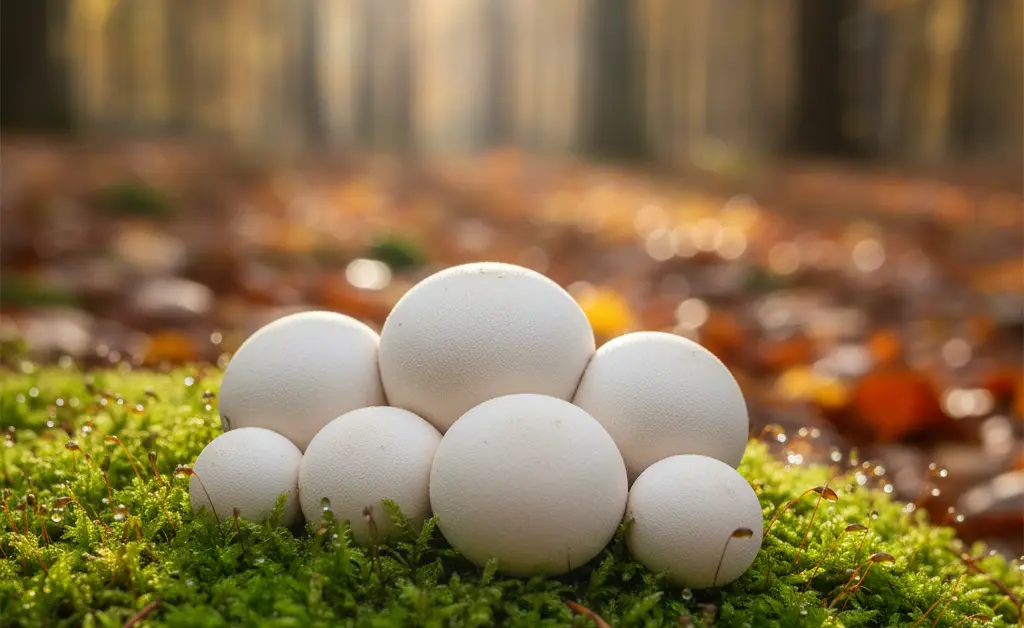
Imagine uncovering a natural wonder right in your own backyard or local woodland, a seemingly humble organism holding secrets to well-being. There’s a certain comfort in knowing that nature often provides simple yet powerful solutions for our health. Puffball mushrooms, with their distinctive appearance, have long intrigued foragers and naturalists alike. Beyond their unique form, scientific inquiry is increasingly shedding light on their potential contributions to human health. This article delves into the various puffball mushroom benefits, exploring their historical uses and the modern research that supports their therapeutic properties, offering a glimpse into how these remarkable fungi can play a role in a holistic approach to wellness.
Puffball Mushroom Benefits and Side Effects
Puffball mushrooms have been a subject of interest for their potential contributions to health for centuries, with traditional practices often utilizing them for various ailments. Modern research continues to explore the wide array of puffball mushroom benefits, delving into their biochemical composition and potential physiological effects. While generally considered safe for consumption when properly identified, it’s important to be aware of potential puffball mushroom side effects, such as allergic reactions or digestive issues, which can occur with any food, especially wild-foraged varieties. Proper identification is crucial to distinguish edible puffballs from toxic look-alikes.
Wound Healing Properties
Historically, puffball mushrooms have been recognized for their potential role in wound care. Certain traditional practices involved applying the spores or dried mushroom material to aid in stopping bleeding and promoting the healing process. Research suggests that compounds within puffball mushrooms may possess properties that support tissue regeneration and offer protective effects to the skin, making them an area of ongoing study for their dermatological applications. For more on this, explore puffball mushroom benefits for skin.
Blood-Clotting Effects
One of the most notable traditional uses of puffball mushrooms involves their perceived ability to influence blood clotting. The spores, in particular, were often employed to help staunch bleeding from minor cuts and abrasions. This traditional knowledge has prompted scientific investigation into the specific compounds responsible for these effects, suggesting a potential interaction with the body’s natural coagulation mechanisms. For more detailed information on the scientific background of mushroom research, you can refer to resources like the National Library of Medicine. However, it is essential to reiterate that these are traditional uses and research is still exploring precise mechanisms.
Immune System Support
Like many other fungi, puffball mushrooms are being studied for their potential to support the immune system. They contain bioactive compounds, such as polysaccharides, which may modulate immune responses. These compounds are thought to interact with immune cells, potentially enhancing the body’s natural defenses and contributing to overall immune health. Incorporating them into a balanced diet may offer a complementary approach to wellness.
Anti-inflammatory Actions
Inflammation is a natural bodily response, but chronic inflammation can contribute to various health concerns. Puffball mushrooms have been investigated for their potential anti-inflammatory properties. Extracts from these fungi contain compounds that may help regulate inflammatory pathways in the body, potentially offering a natural way to support the body’s response to inflammation. This area of research continues to uncover how these mushrooms might contribute to cellular well-being.
Antimicrobial Potential
The natural world is a rich source of antimicrobial compounds, and puffball mushrooms are no exception. Studies have explored the presence of substances within puffballs that exhibit antimicrobial activity against certain bacteria and fungi. This potential for combating microbial growth highlights another dimension of their traditional medicinal uses and suggests an interesting avenue for future pharmaceutical research.
Puffball Mushroom Medicinal Uses
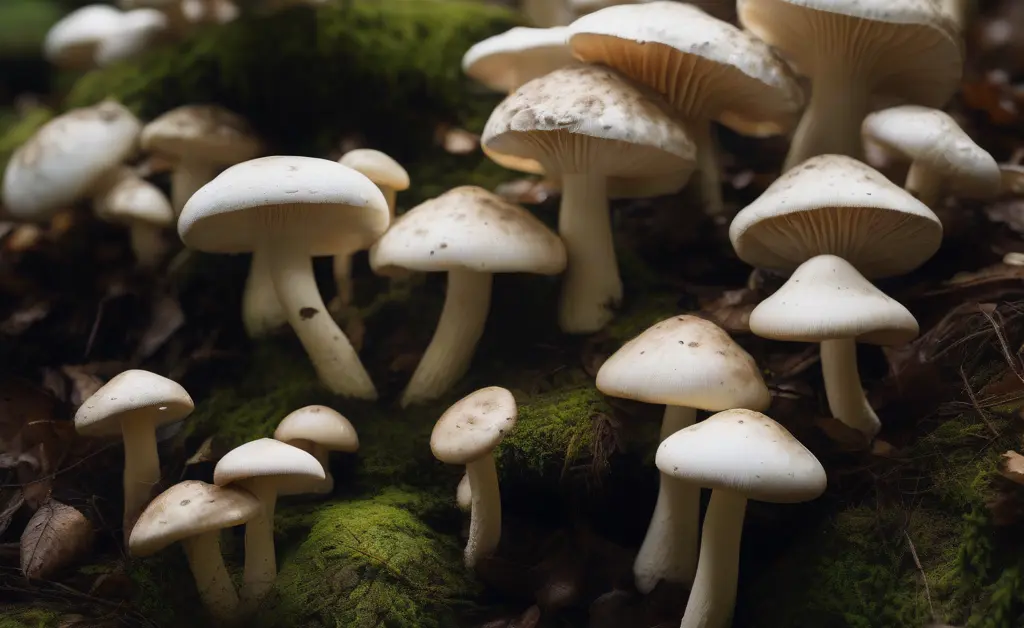
Beyond the specific properties outlined, puffball mushrooms have a long history of broader medicinal applications in various cultures. Traditionally, they were not only used topically for wounds but also ingested, often in teas or cooked forms, for internal ailments. The complete spectrum of puffball mushroom benefits includes their use in folk medicine for conditions ranging from general wellness support to more targeted therapeutic applications, such as for digestive comfort. Modern understanding seeks to validate these traditional uses by identifying the active compounds and understanding their mechanisms of action. It’s crucial for anyone considering foraging for or consuming puffball mushrooms to be adept at identification, as distinguishing edible species from potentially toxic ones is paramount for safety. Are puffball mushrooms edible? Yes, many species are, but only after proper identification. Can you eat puffball mushrooms raw? While some suggest it, cooking is often recommended to improve digestibility and mitigate potential mild irritants. The importance of proper identification cannot be overstated; not all puffballs are edible, and consuming toxic look-alikes can have serious consequences. Always consult field guides or experienced foragers to ensure accurate identification before consumption.
Giant Puffball Mushroom Nutrition and Health Benefits
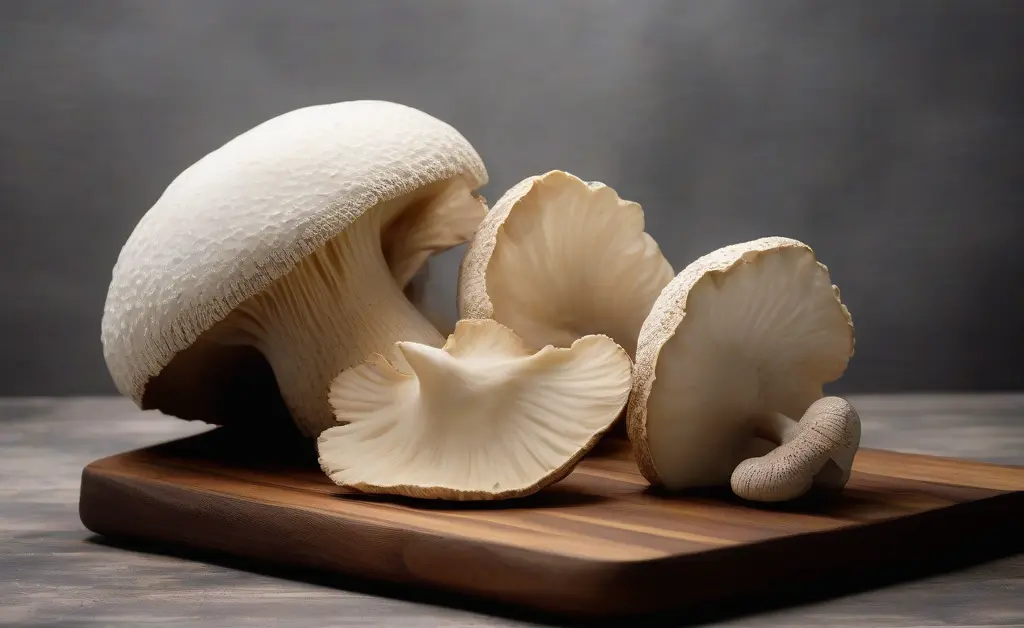
The giant puffball mushroom (Calvatia gigantea) stands out not only for its impressive size but also for its nutritional profile, which contributes significantly to its overall health advantages. Understanding the Giant Puffball Mushroom Nutrition Facts 100g reveals a wealth of beneficial components. These impressive fungi are typically low in calories and fat, while providing a good source of macronutrients, including protein, carbohydrates, and dietary fiber. The fiber content is particularly noteworthy, as it supports digestive health and can contribute to feelings of satiety.
Beyond macronutrients, puffball mushrooms are also sources of various vitamins and minerals, which are essential for numerous bodily functions. While specific levels can vary, they often contain B vitamins, which are crucial for energy metabolism, and minerals like potassium. Furthermore, like many fungi, they possess antioxidant content, which helps protect the body’s cells from oxidative stress. These nutritional attributes collectively contribute to the array of puffball mushroom benefits, positioning them as a healthful addition to a balanced diet. Whether prepared simply or incorporated into complex dishes, their nutritional value can support overall well-being.
Puffball mushrooms, with their rich history in traditional medicine and growing scientific validation, offer a fascinating insight into nature’s potential contributions to human health. From their historical application in wound care and blood clotting to their promising roles in immune support, anti-inflammatory actions, and antimicrobial effects, these fungi present a compelling case for further exploration. Their nutritional value, particularly in varieties like the giant puffball, adds another layer to their appeal as a wholesome food. As research continues to uncover their full therapeutic potential, puffball mushrooms stand as a testament to the diverse and beneficial resources found in the natural world, provided they are identified and prepared correctly.
The content presented here is not a substitute for professional medical guidance. This article is intended for informational purposes only and does not offer medical advice, diagnosis, or treatment. It is always recommended to consult with a qualified healthcare professional before making any decisions related to your health or incorporating new supplements or foods into your regimen, especially concerning potential interactions with medications or existing health conditions.
FAQ
What are the health benefits of mushrooms?
Mushrooms are nutrient-dense foods that contain various vitamins, minerals, and antioxidants. They are known for their complex carbohydrates and unique compounds like beta-glucans, which are relevant to immune system support. Certain mushrooms have also been studied for their potential to contribute to overall wellness.
Continue reading
You May Also Like

Where to Buy Fresh and Dried Puffball Mushrooms?
Our guide to semaglutide for weight loss reviews its clinical efficacy, side effects, and cost to help you evaluate if it's the right choice.

How to Fry Puffball Mushrooms to Golden Perfection
This step-by-step guide provides a complete recipe for fried puffball mushroom, covering preparation, batter, and the best frying technique.

A Forager's Guide to the Giant Puffball Mushroom
A practical guide to safely identify the edible giant puffball mushroom, from its key features to the dangerous look-alikes you must avoid.