
A Practical Guide to Puffball Spore Propagation
Many aspiring mycologists and garden enthusiasts often encounter a common hurdle when attempting to cultivate puffball mushrooms: the lack of clear, actionable guidance on how to initiate growth from their reproductive material. While the sight of a mature puffball can inspire curiosity, understanding the practical steps to propagate them remains a mystery for many. You might have tried to encourage their appearance in your garden, only to find the process less intuitive than anticipated, leading to frustration when desirable results don’t materialize. This challenge often stems from not knowing how to effectively work with the microscopic beginnings of these fungi. This guide aims to demystify the process, offering comprehensive insights into handling and utilizing puffball mushroom spores, enabling you to successfully cultivate these fascinating fungi in your own environment.
What are Puffball Mushroom Spores?

At the core of fungal reproduction are spores, which serve a similar function to seeds in plants. Puffball mushroom spores are the microscopic, dust-like reproductive units released by mature puffball fungi. These spores are incredibly tiny and are typically contained within the puffball’s gleba, or inner spore-bearing mass, which becomes powdery as the mushroom matures. Understanding the nature of puffball mushroom spores is the first step toward successful propagation, as their viability and proper handling are crucial for encouraging new growth. They are designed for dispersal, allowing the fungus to colonize new environments.
The Role of Spores in Puffball Reproduction
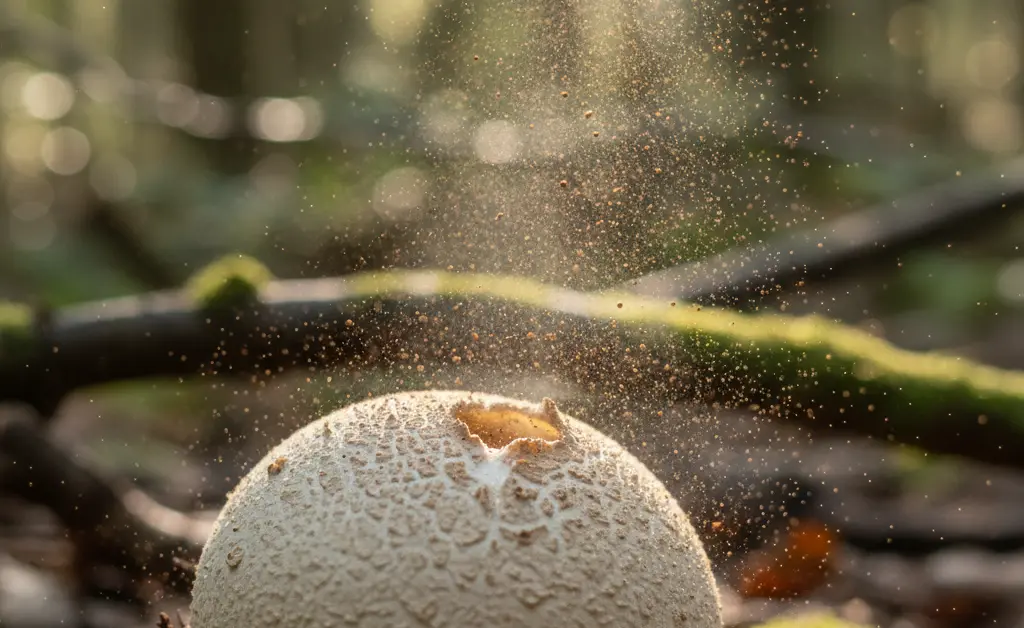
Puffball reproduction is primarily achieved through the dispersion of these microscopic spores. Once a puffball reaches maturity, its internal structure transforms into a powdery mass containing billions of spores. These spores are then released into the environment through various mechanisms, such as wind, rain, or physical impact (like an animal stepping on it). Each spore, under optimal conditions, has the potential to germinate and develop into a network of thread-like structures called hyphae, which collectively form mycelium. This mycelial network is the vegetative part of the fungus, responsible for absorbing nutrients from its substrate and eventually leading to the formation of new puffball fruiting bodies, completing the Puffball Mushroom Life Cycle.
How to Collect and Use Puffball Mushroom Spores for Planting
Collecting and preparing puffball mushroom spores for planting requires attention to detail and a methodical approach. The goal is to gather viable spores and introduce them to a suitable environment where they can germinate and establish mycelial growth. Effective use of puffball mushroom spores can significantly increase the chances of successfully cultivating these unique fungi in your desired location, whether it’s a garden bed, a designated outdoor patch, or a controlled indoor setting. Exploring different puffball mushroom types can also offer insights into varied propagation needs.
Methods for Spore Collection
Collecting spores from mature puffballs is a relatively straightforward process. The most common method involves finding a mature puffball that is soft and powdery when gently squeezed, indicating its spores are ready for release. You can carefully pick the puffball and place it on a sheet of clean paper or aluminum foil. Gently tapping or slicing the puffball may encourage the release of spores. For larger specimens, you might carefully cut it open to access the powdery interior. It’s important to collect the spores in a sterile environment as much as possible to minimize contamination from other fungi or bacteria. Store collected spores in a dry, dark, and cool place until ready for use.
Preparing Spores for Planting
Once collected, puffball mushroom spores often benefit from preparation before planting to enhance their germination rates. A common technique is to create a spore slurry. This involves mixing the collected spores with clean, dechlorinated water. Some cultivators also suggest adding a small amount of sugar or molasses to the water, which may act as a mild nutrient source for the germinating spores. The mixture should be well-stirred to ensure even distribution of the spores. This slurry can then be used to inoculate various substrates, providing the necessary moisture and contact for the spores to begin their growth process. Some specific varieties, like the giant puffball mushroom, may require slightly different preparation techniques.
Inoculating Substrates and Growing Mediums
The final step in propagation is introducing the prepared puffball mushroom spores to appropriate substrates and growing mediums. Puffballs typically thrive in environments rich in organic matter, such as compost, leaf litter, decaying wood chips, or well-draining soil mixes. To inoculate, the spore slurry can be gently poured or sprayed onto the chosen substrate. For outdoor cultivation, you might incorporate the inoculated substrate into a garden bed or a designated patch, ensuring it’s protected from direct, harsh sunlight and remains consistently moist. Maintaining optimal growing conditions, including adequate moisture and warmth, is crucial during this initial phase to encourage the mycelium to establish and spread effectively.
Cultivating puffball mushrooms from spores is a rewarding endeavor that connects you directly with the intricate world of fungi. By understanding the nature of puffball mushroom spores, diligently collecting them, and preparing suitable environments, you can significantly enhance your chances of enjoying these fascinating organisms in your own space. Patience and observation are key, as the growth process from spore to mature fruiting body can take time, but the eventual appearance of these unique fungi makes the effort well worth it. Some people are curious about the puffball mushroom taste, which is best appreciated from home-grown specimens.
This article is meant for general informational use and awareness. It is not intended to be a substitute for professional advice regarding cultivation practices or for identifying wild mushrooms. Always exercise caution and seek expert consultation when identifying and handling wild fungi, as misidentification can have serious consequences. The information provided here is for educational purposes related to general mycological interest. For authoritative health information, consult resources like the NIH.
FAQ
Where can I buy puffball mushroom spores?
Specialty retailers and online vendors focusing on mycology supplies are common sources for puffball mushroom spores. These sources often provide a variety of mushroom species, catering to both hobbyist and commercial growers. Careful selection of a reputable supplier is important for ensuring the quality and viability of the spores.
How do I grow puffball mushrooms from spores?
Growing puffball mushrooms from spores involves a process of inoculation and incubation on a suitable substrate. This typically requires sterile conditions to prevent contamination and specific environmental controls for temperature and humidity. The mycelium needs time to colonize the substrate before fruiting conditions are introduced, leading to the development of the mushrooms.
What do puffball mushroom spores look like?
Puffball mushroom spores are microscopic and are released in vast quantities when the mushroom matures and is disturbed, creating the characteristic puff of “dust.” Individual spores vary in shape and size depending on the species but are generally spherical or oval. Under magnification, their surface texture can also differ, appearing smooth, spiny, or reticulated.
Are puffball mushroom spores safe to handle?
Puffball mushroom spores are generally considered safe to handle by most individuals. However, some people may experience allergic reactions or respiratory irritation from inhaling large amounts of airborne spores. Wearing a mask during the spore release of mature puffballs can help mitigate any potential discomfort.
Continue reading
You May Also Like
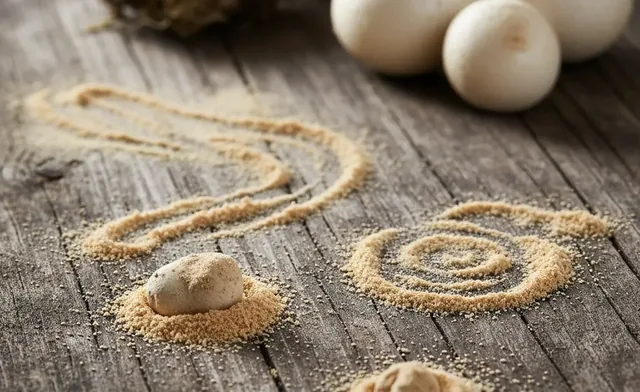
Premium Puffball Mushroom Spores
Grow impressive giant puffballs in your own garden with our premium, lab-tested puffball mushroom spores for sale, shipped fast for results.
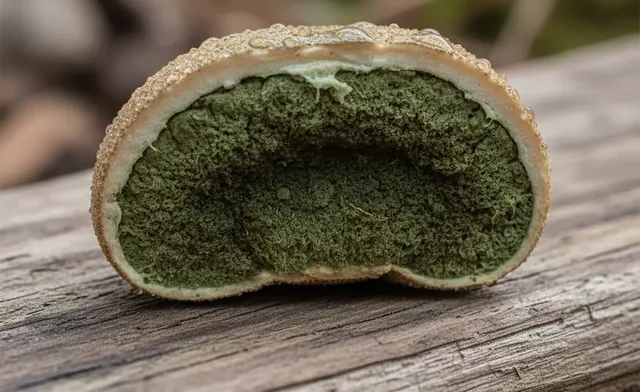
A Puffball's Green Core: Spore Maturity and Safety
If you find a puffball mushroom green inside, it means the fungus has matured to produce its spores and is no longer considered safe to eat.

Where to Buy Fresh and Dried Puffball Mushrooms?
Our guide to semaglutide for weight loss reviews its clinical efficacy, side effects, and cost to help you evaluate if it's the right choice.