
A Puffball’s Green Core: Spore Maturity and Safety
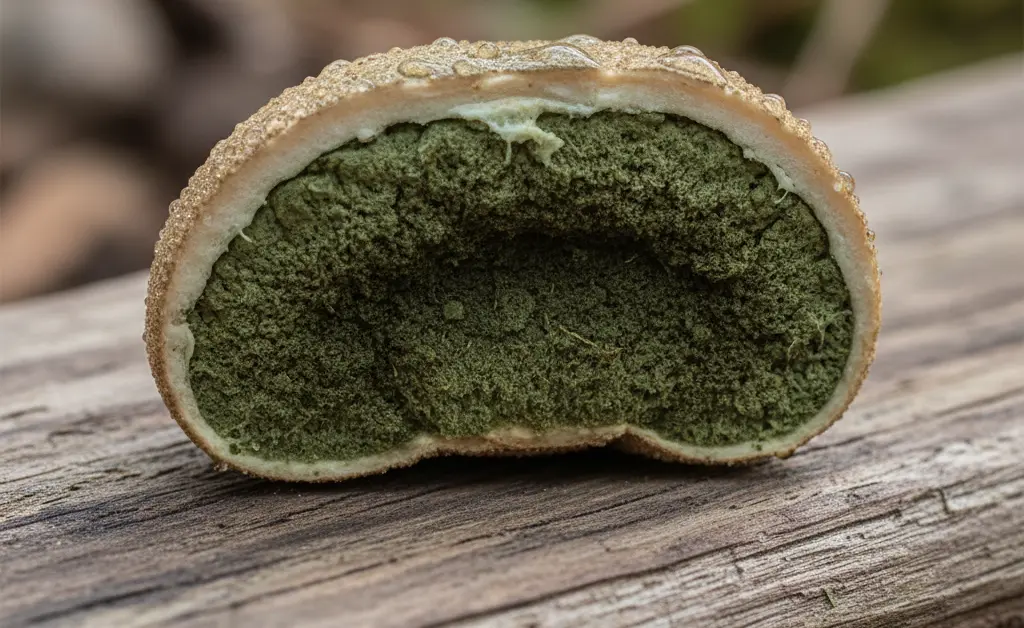
A puffball mushroom, recognized by its spherical or pear-shaped form and often found in open fields or woodlands, is generally sought after for its mild flavor and unique texture when young and white throughout. However, encountering a puffball mushroom green inside can be a cause for concern or curiosity for foragers and culinary enthusiasts alike. This green discoloration signals a significant change within the mushroom, indicating a progression in its life cycle that impacts its edibility and characteristics. Understanding this internal transformation is crucial for safe foraging and consumption. This article explores the reasons behind this green hue and its implications for identifying and preparing puffball mushrooms.
Puffball mushroom green inside
When you encounter a puffball mushroom green inside, it’s a clear signal that the mushroom has progressed significantly in its life cycle. This internal color change moves beyond the ideal, firm, and uniformly white flesh that indicates a prime edible specimen. Instead, the green hue, often accompanied by a softer, more powdery texture, signifies the maturation of spores, which are essential for the mushroom’s reproduction. Foragers typically look for young puffballs that are pristine white throughout, as this stage offers the best culinary experience and is considered safe for consumption. The presence of any internal discoloration, including green, yellow, or brown, serves as a crucial indicator that the mushroom is past its prime for eating. For more on identifying puffball mushrooms, see puffball mushroom identification.
Giant puffball mushroom green inside
The observation of a giant puffball mushroom green inside follows the same biological principles as smaller puffball varieties. Giant puffballs, known scientifically as Calvatia gigantea, are highly prized for their size and delicious taste when young. However, their internal transformation is just as critical to monitor. As these massive fungi mature, their white, marshmallow-like interior begins to change. The green coloration indicates that the millions of spores within are reaching maturity, preparing for dispersal. At this stage, the once firm and palatable flesh becomes soft, spongy, and eventually powdery, filled with these greenish-yellow to olive-brown spores. While often visually striking, this internal green state in a giant puffball signifies it is no longer suitable for culinary use. Examining how puffballs are cut in half can reveal these internal changes, so consult puffball mushroom cut in half for visual guides.
Puffballs! But these were too late…green on the inside
For many foragers, finding a puffball mushroom that is green on the inside is an unfortunate discovery that means “too late” for the harvest. This common experience underscores the importance of timing in mushroom foraging. The window for harvesting puffballs for consumption is relatively narrow, typically when they are young, firm, and entirely white internally. Once the mushroom’s flesh begins to transition to green, it indicates the onset of spore development. This shift often coincides with a change in texture and flavor, becoming less desirable. While the green color itself might not always indicate toxicity, it certainly suggests that the puffball has passed its prime edibility and may lead to digestive discomfort in some individuals due to the high concentration of mature spores. It’s important to distinguish them from other fungi; see puffball mushroom vs amanita for comparative information.
What Causes the Green Inside Puffball Mushrooms?
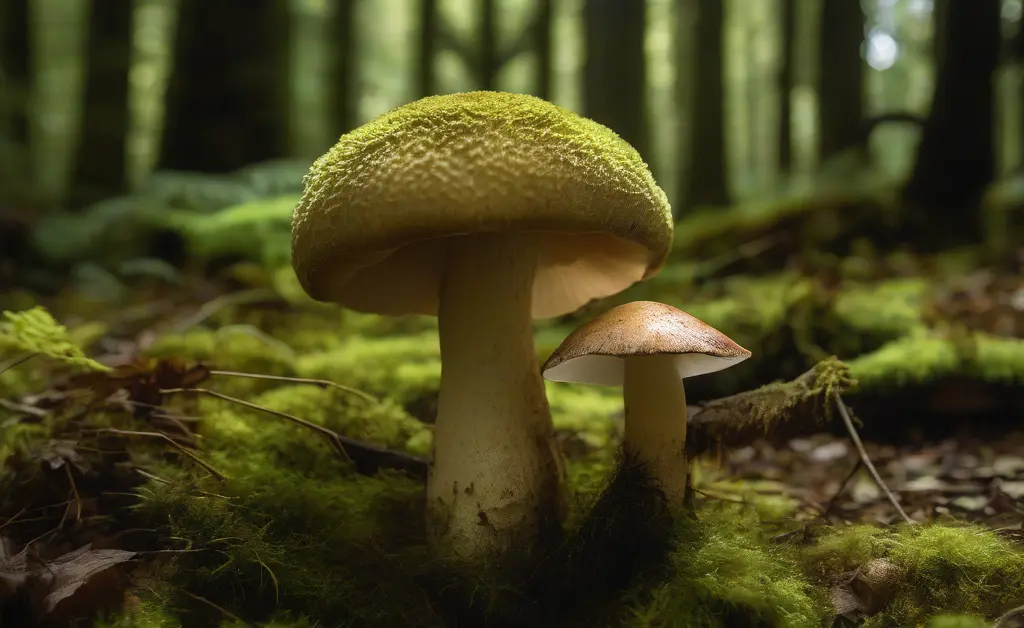
The transformation leading to a puffball mushroom green inside is primarily a natural part of its reproductive cycle. Puffball mushrooms are gasteromycetes, meaning their spores develop internally rather than on external gills. As the mushroom matures, the white, fleshy interior, which is essentially spore-producing tissue called gleba, begins to undergo a profound change. Chlorophyll is not involved in this greening process. Instead, the internal green color is typically attributed to the maturation of spores. These spores, initially microscopic and colorless, develop pigments as they ripen, often turning a yellowish-green, olive, or even brownish hue before becoming a powdery mass. This maturation process can occur relatively quickly, transforming an edible young specimen into a mature, spore-filled one within days, especially in warm or humid conditions. The distinct color change serves as a visual cue for the mushroom to release its mature spores, which will then be dispersed by wind, rain, or physical contact.
Are Puffball Mushrooms with Green Inside Edible?
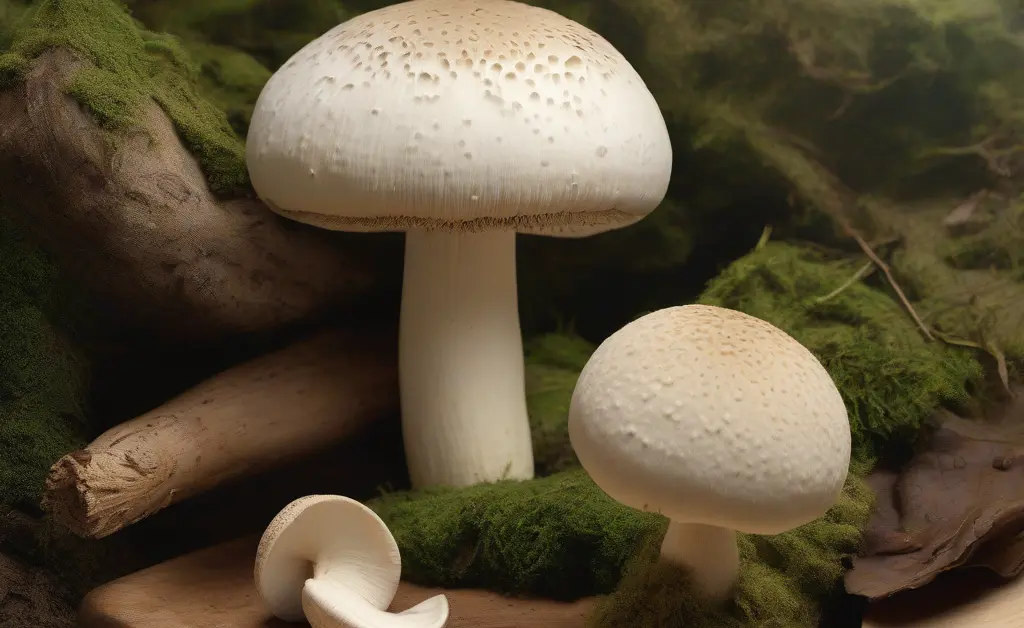
The primary concern with a puffball mushroom green inside is its edibility and potential for causing digestive upset. While the green color itself is typically not indicative of a toxic compound in the same way some poisonous mushrooms are, it strongly suggests that the mushroom is past its prime for safe and enjoyable consumption. The mature spores, which constitute the green powdery mass, are not easily digestible for many people and may lead to gastrointestinal distress, including stomach cramps, nausea, and diarrhea. Therefore, general foraging guidance strongly recommends against consuming any puffball mushroom that shows internal discoloration, whether it be green, yellow, or brown. The ideal puffball for consumption should be uniformly pure white, firm to the touch, and free of any soft spots or insect damage. If there is any doubt about the internal condition or identity of a puffball, it is best to avoid consuming it. Always prioritize safety when foraging for wild mushrooms, and stick to specimens that clearly meet the criteria for edibility. For guidance on edible puffball mushrooms, refer to puffball mushroom edible.
In conclusion, while puffball mushrooms offer a delightful culinary experience when young and pristine white, the presence of a green interior signals a significant stage in its life cycle—the maturation of spores. This transformation typically renders the puffball unsuitable for consumption due to potential digestive discomfort and altered texture. Foragers should always exercise caution and thoroughly inspect the internal flesh of any puffball before considering it for the table. Adhering to the “white and firm” rule for puffball edibility is a key practice for safe and enjoyable mushroom foraging. Information on fungal safety can be found at the WHO.
This article is meant for general informational use and awareness. It is not intended to provide medical advice, diagnosis, or treatment. Information presented here should not be used as a substitute for professional medical or health advice. Always consult with a qualified healthcare professional or mycologist for any health concerns or before making decisions related to consuming wild fungi.
FAQ
Are puffball mushrooms toxic if they have green inside?
When a puffball mushroom develops green or discolored flesh inside, it is a sign that the mushroom is past its prime and has begun to decay. This internal coloration indicates that the mushroom is no longer fresh and may not be safe for consumption, rather than being inherently toxic. Proper identification before consumption is always crucial with wild mushrooms.
What does it mean if a puffball mushroom is green inside?
A puffball mushroom with green inside signifies that the mushroom has matured beyond its edible stage and has started to decompose. This color change is a natural process indicating that the internal tissues are breaking down and spore development has occurred, making it unsuitable for eating. The puffball mushroom green inside is a clear visual cue of its stage of life.
Can you eat a puffball mushroom that is green inside?
It is not recommended to consume puffball mushrooms that have developed green or any discolored flesh internally. This coloration indicates that the mushroom is no longer fresh and is beginning to decay, which can affect its texture and flavor, and potentially lead to digestive upset. Always ensure the interior is uniformly white and firm before considering any mushroom for consumption.
Why is my puffball mushroom turning green?
A puffball mushroom turns green inside because it has reached maturity and is undergoing natural decomposition. During this stage, the internal white flesh begins to break down, often turning yellowish, then greenish, and eventually developing its spore mass. This transformation means the mushroom is no longer in its prime edible condition.
Continue reading
You May Also Like
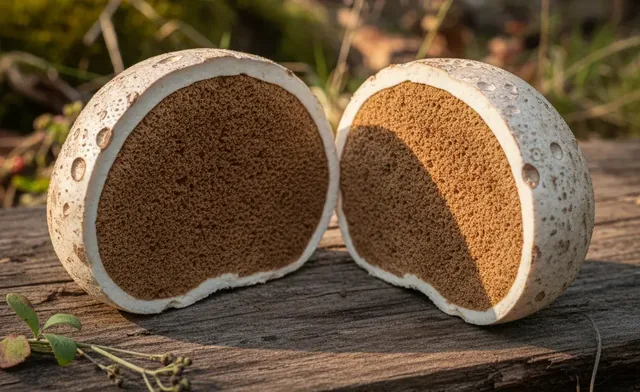
Puffball Edibility: The Meaning of a Brown Interior
A puffball mushroom brown inside signifies that it has begun forming spores, making it past its prime for eating and potentially unsafe.
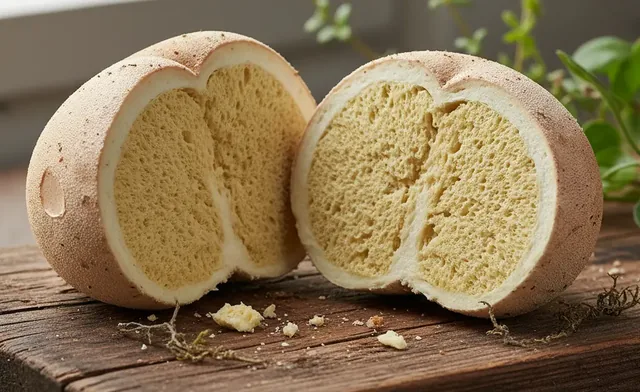
Decoding the Yellow Color in Your Puffball Mushroom
A puffball mushroom yellow inside indicates it has passed its edible stage, so it's crucial to understand what this color means for safety.
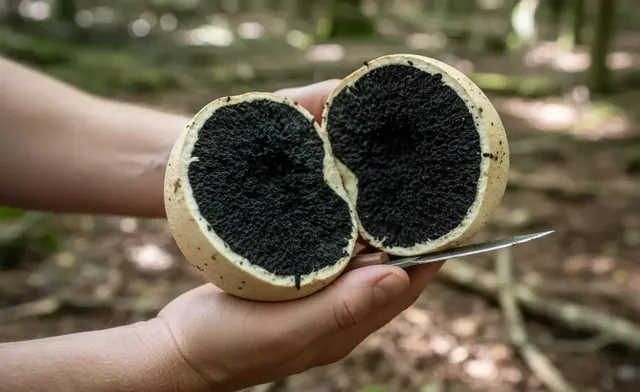
Decoding Puffballs: When a Black Center Is a Warning
Safely determine if a puffball mushroom black inside is a toxic Earthball or simply past its prime with our clear visual identification guide.