
Decoding the Yellow Color in Your Puffball Mushroom
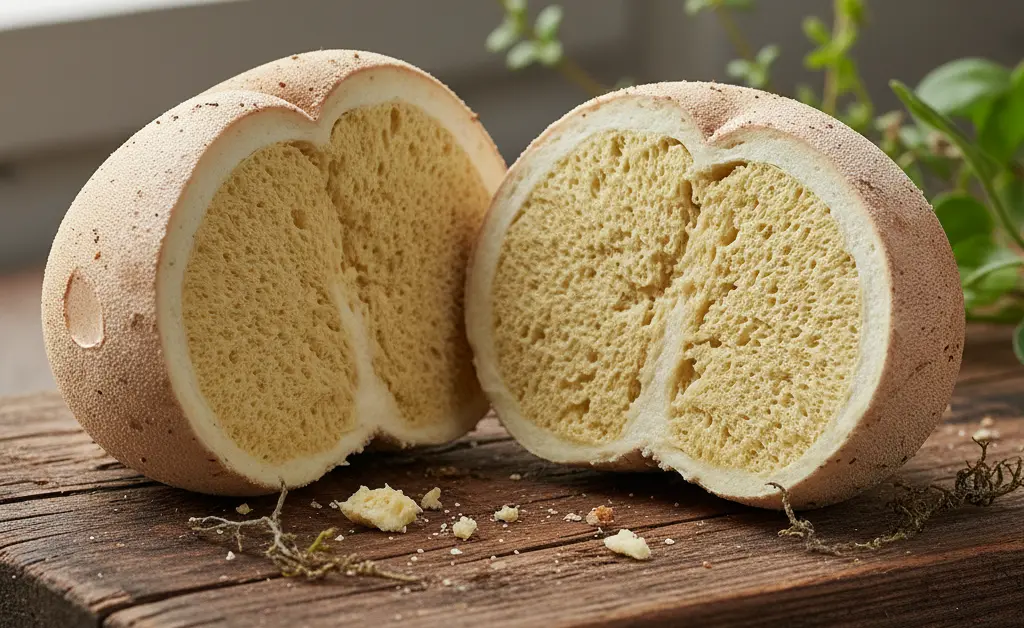
A puffball mushroom, known for its distinct spherical or pear shape and often edible white flesh, is a popular find among foragers. However, discovering a puffball with discolored flesh can raise immediate questions about its edibility and safety. This article explores the various reasons behind a puffball mushroom yellow inside, providing essential insights into what these color changes signify. Understanding these distinctions is crucial for safe foraging, as not all yellowing indicates a problem, but some instances can be a clear warning sign. We will delve into the factors contributing to internal discoloration and guide you on when it’s safe to consume and when it’s best to err on the side of caution.
What Does a Yellow Inside Puffball Mushroom Mean?
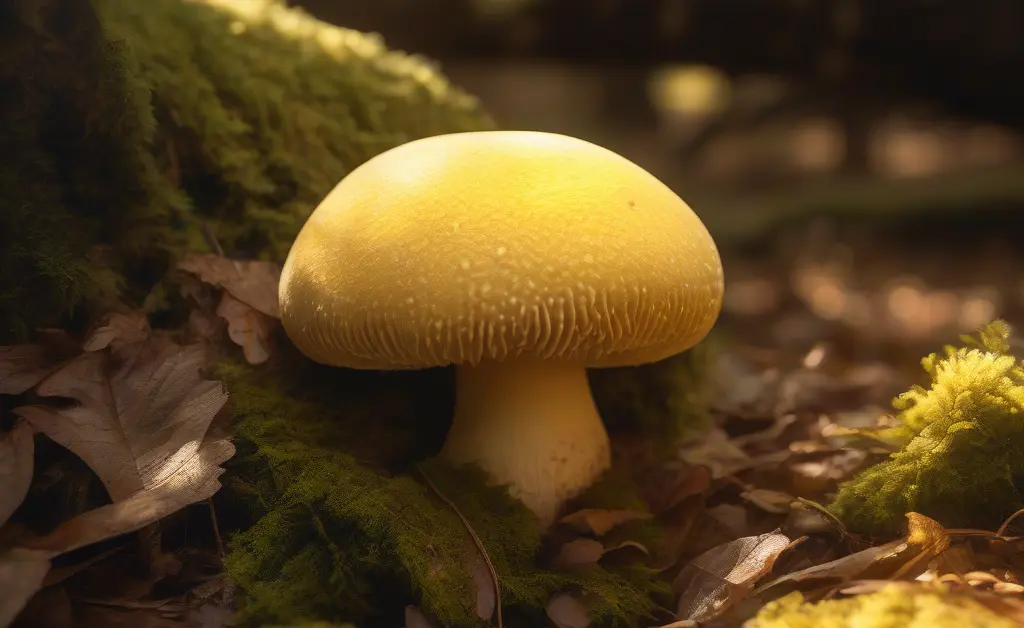
Encountering a puffball mushroom with a yellow interior can be a perplexing observation for even seasoned foragers. Understanding what a puffball mushroom yellow inside signifies is crucial for making informed decisions about its edibility and safety. The coloration can stem from various natural processes or serve as a critical warning sign.
The Significance of Yellowing in Puffballs
The internal color of a puffball mushroom is primarily an indicator of its maturity and condition. Young, prime puffballs universally exhibit a pure, uniform white interior that is firm and consistent throughout. As the mushroom ages, or as its spores begin to mature, this pristine white can gradually transition. Pale yellow or off-white hues might indicate the early stages of spore development, which naturally shift from white to other colors, commonly olive, brown, or purplish, as they ripen. This initial yellowing, if slight and uniform, might simply suggest that the puffball is no longer at its peak freshness but is not necessarily unsafe. It’s a natural progression in the puffball’s life cycle, moving towards spore dispersal. For more on identification, see our puffball mushroom identification guide.
When Yellowing is a Warning Sign
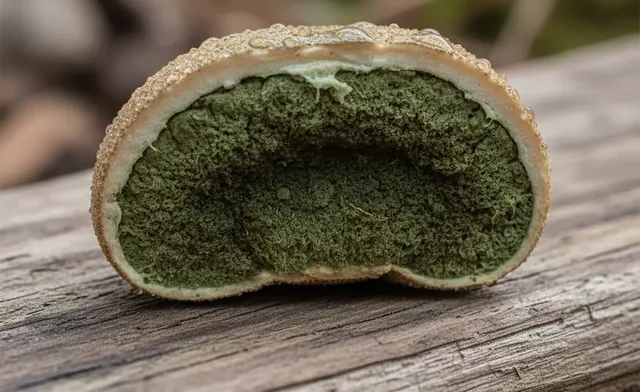
While some subtle yellowing can be a sign of maturity, distinct or vibrant yellow, greenish, or brownish discoloration within a puffball mushroom often serves as a significant warning. This could indicate that the mushroom is either past its prime, undergoing decomposition, or, most critically, that it is not a true edible puffball at all. A strong, deep yellow, especially when accompanied by a soft, spongy, or watery texture, or an unpleasant odor, generally points to spoilage. Furthermore, any internal yellowing that reveals the faint outline of a cap and stem, even in a nascent stage, is an immediate red flag. This characteristic suggests that the mushroom is not a true puffball but potentially a young, unopened cap of a highly poisonous gilled mushroom, such as a Death Cap (Amanita phalloides) or Destroying Angel (Amanita virosa), which are deadly. If you suspect a puffball might be something else, understanding the difference between puffball mushroom vs earthball is key. Research into mushroom toxins is ongoing, as shown by studies on PubMed.
Puffball Mushroom Yellow Inside Edible or Poisonous?
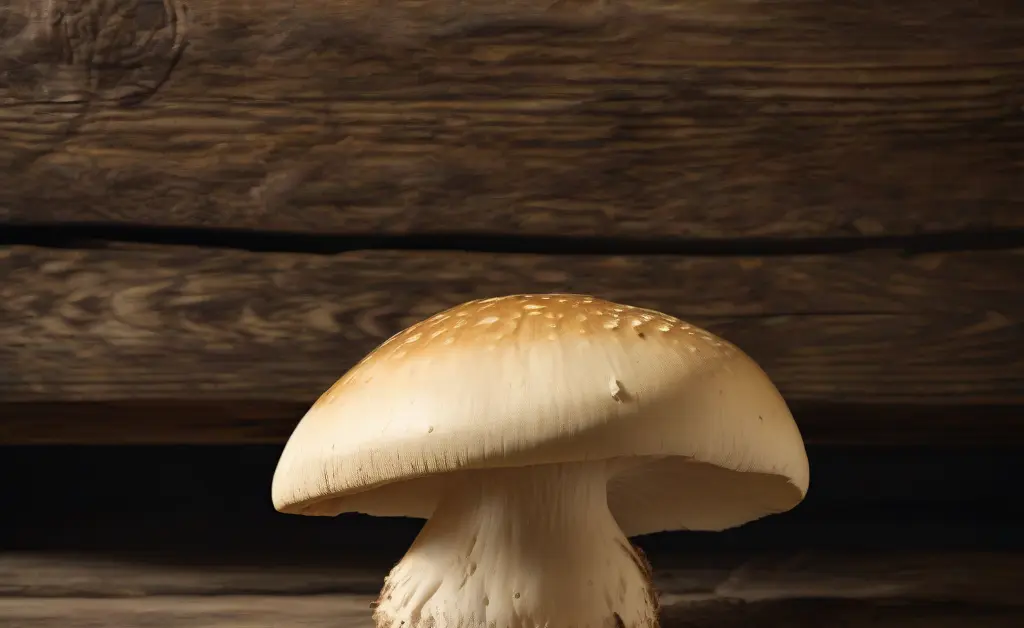
The question of whether a puffball mushroom yellow inside is edible or poisonous is paramount for foragers. While many puffball species are renowned for their culinary value, safety hinges entirely on accurate identification and condition assessment, especially when discoloration is present.
The General Rule: Avoid Yellow Puffballs
For safe foraging, a strict rule of thumb is to avoid any puffball mushroom that exhibits significant internal yellowing, greenish tints, or any color other than pure, uniform white. The purest white interior, coupled with a firm, solid texture, is the definitive sign of a safe and prime edible puffball. If you encounter a puffball mushroom yellow inside, even if the discoloration is minor, it is generally best to err on the side of caution and discard it. While slight, uniform yellowing in some mature edible puffballs might not be toxic, their flavor and texture are typically compromised. More importantly, distinguishing benign yellowing from dangerous yellowing can be incredibly difficult for the inexperienced eye, making avoidance the safest practice. Learn more about puffballs that are puffball mushroom edible.
Potential Risks of Consuming Yellow Puffballs
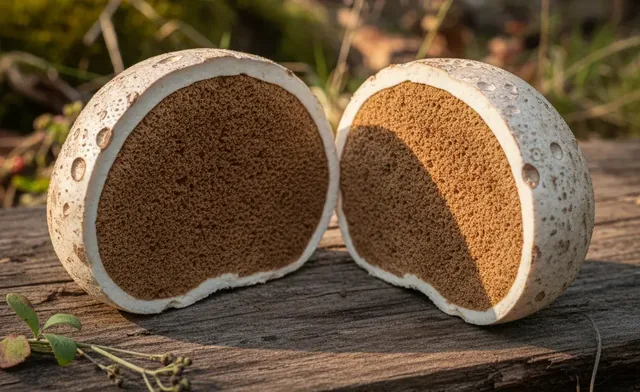
Consuming a puffball mushroom yellow inside carries several potential risks. Firstly, if the yellowing is due to spoilage, ingesting it could lead to gastrointestinal distress, including nausea, vomiting, and diarrhea. Even if the mushroom itself isn’t inherently toxic, consuming spoiled food can cause illness. Secondly, and more dangerously, if the yellowing signifies that the mushroom is not a true puffball but rather a poisonous look-alike in its button stage, the consequences can be severe. Immature Death Caps and Destroying Angels, for example, can appear rounded and white externally but contain developing gills and a stem outline internally, often with a yellowish tint. Ingesting these deadly species can result in liver failure, kidney damage, and can be fatal without immediate medical intervention. Therefore, strict adherence to the “pure white inside” rule is a fundamental safety measure to prevent accidental poisoning. Be aware that even puffballs that turn brown inside should be avoided, as detailed in this guide to puffball mushroom brown inside.
Foraging for puffball mushrooms can be a rewarding experience, but safety must always be the top priority. The internal color of a puffball serves as a critical indicator of its edibility and condition. While some slight yellowing might occur with maturity, any pronounced yellow, green, or other discoloration, especially when accompanied by a soft texture or an outline of gills and a stem, should lead to immediate discard. When in doubt, it is always safest to abstain, ensuring that only pure white, firm puffballs make it from the forest floor to your table. Always confirm your identification with multiple trusted resources or an expert before consuming any wild mushroom.
This content is for informational use and should not be considered medical instruction. It is not intended to provide medical advice, diagnosis, or treatment. Always consult with a qualified healthcare professional for any health concerns or before making any decisions related to your health or well-being. Individual responses to substances can vary, and this information should not replace professional medical guidance.
FAQ
Can you eat puffball mushrooms that are yellow inside?
When a puffball mushroom is yellow inside, it indicates that it has begun to mature and potentially develop spores. Edible puffballs are typically white and firm throughout, resembling a marshmallow. Consuming puffballs beyond this stage can result in an unpleasant texture and flavor.
Are yellow puffball mushrooms poisonous?
While a yellow interior signals that a puffball mushroom is past its prime for consumption, this color change itself does not necessarily mean it is poisonous. The primary concern with mature puffballs is their texture and the potential for consuming spores, which can cause digestive upset in some individuals. However, it is crucial to correctly identify any wild mushroom before considering consumption, as some toxic species can resemble puffballs in their early stages.
Continue reading
You May Also Like
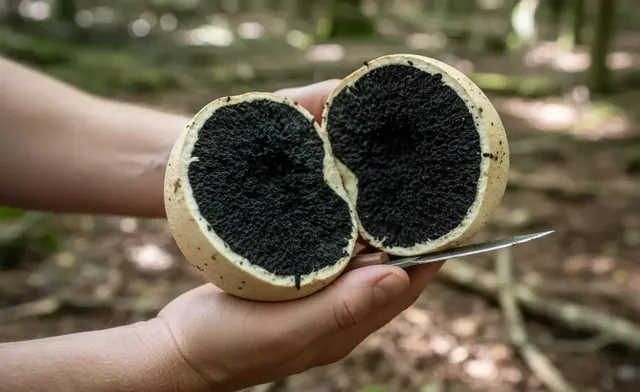
Decoding Puffballs: When a Black Center Is a Warning
Safely determine if a puffball mushroom black inside is a toxic Earthball or simply past its prime with our clear visual identification guide.
Puffball Edibility: The Meaning of a Brown Interior
A puffball mushroom brown inside signifies that it has begun forming spores, making it past its prime for eating and potentially unsafe.
A Puffball's Green Core: Spore Maturity and Safety
If you find a puffball mushroom green inside, it means the fungus has matured to produce its spores and is no longer considered safe to eat.