
Distinguishing Puffball Mushrooms from Earthballs
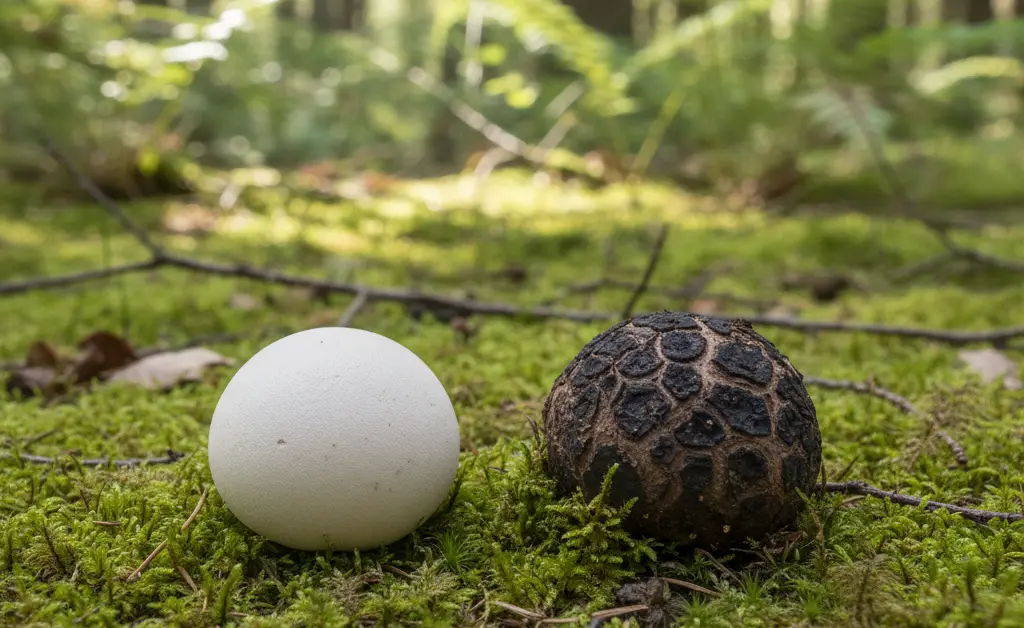
Many people enjoy foraging for mushrooms in forests and fields. However, distinguishing edible species from their toxic lookalikes is crucial for safety. Among the numerous fungi found in nature, two common types, puffballs and earthballs, often cause confusion due to their similar appearances. While puffball mushrooms are generally prized edibles, earthballs are poisonous and can cause severe gastrointestinal distress if consumed. Understanding the specific characteristics that set them apart is essential for anyone interested in identifying these fungi. This guide aims to clarify the key distinctions in the puffball mushroom vs earthball comparison, ensuring foragers can confidently tell them apart and avoid potentially harmful mistakes.
Puffball Mushroom vs Earthball: Key Differences
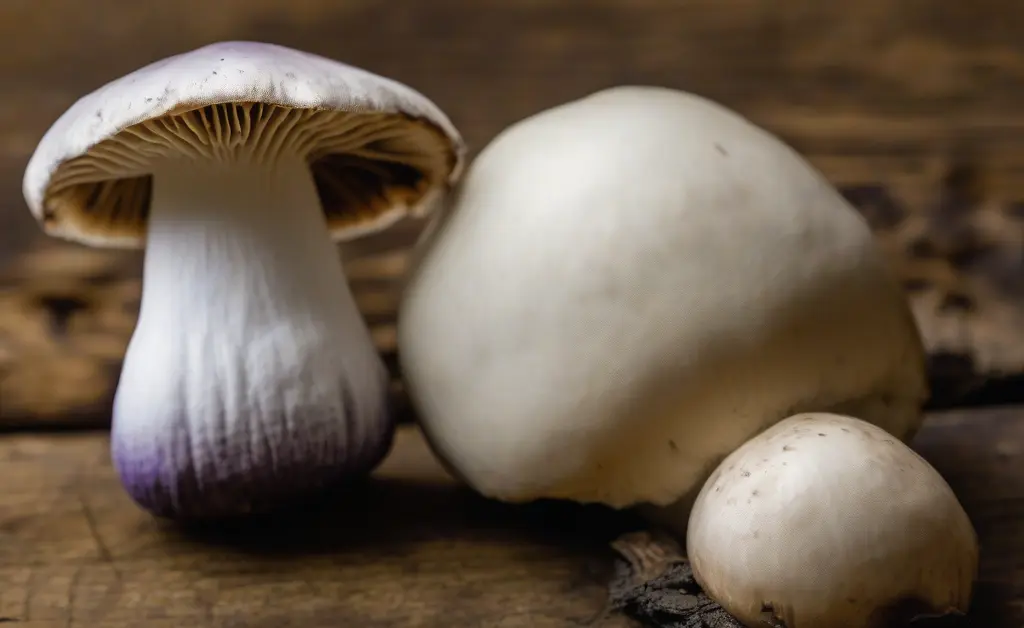
When trying to differentiate between a puffball mushroom vs earthball, several key characteristics can help. One of the most critical aspects involves examining the interior of the fungus. A true puffball, when young and edible, will have a uniformly white, solid, and firm interior, much like a marshmallow. As it matures, the inside will turn yellow, then olive, and eventually dark brown or purple, becoming powdery as spores develop. In stark contrast, an earthball will typically have a dark, often purplish-black, or mottled interior even when young, with a firmer, sometimes rubbery texture that is never uniformly white. This internal color difference is a primary indicator of toxicity. For more on puffball mushroom identification, consult detailed guides.
The exterior appearance also offers clues. Many puffball species have a smooth, thin outer skin, though some may have small, soft spines or warts that are easily rubbed off. Earthballs, on the other hand, often feature a thicker, tougher, and more leathery outer skin, which can be scaly, warty, or cracked, and these features are generally not easily removed. Another distinction can be found in their scent; true puffballs usually have a mild, pleasant, or indistinct mushroomy smell, while earthballs sometimes emit an unpleasant, metallic, or sulfur-like odor. It is important to know that puffball mushroom poisonous lookalikes exist and require careful identification.
Giant puffball mushroom vs earthball
The giant puffball mushroom (Calvatia gigantea) is one of the most recognizable and sought-after edible fungi, making its distinction from an earthball particularly important. The sheer size of a giant puffball is often the first indicator, as they can grow significantly larger than most earthballs, sometimes reaching the size of a soccer ball or even bigger. Giant puffballs are typically spherical or somewhat flattened, with a smooth, thin, white to off-white outer skin that may crack with age but generally lacks prominent warts or scales.
The crucial differentiator in the giant puffball mushroom vs earthball comparison, however, lies in their internal structure. When sliced open, a young giant puffball will reveal a pure, uniform, marshmallow-like white flesh throughout. There should be no gills, no stem structure, and no discoloration. Any hint of yellow, olive, or purple, or any marbled appearance in the interior, immediately rules out an edible giant puffball. Earthballs, even the larger species, will never present this pure white interior. Their insides are consistently dark, often purplish-black, and may have a distinct, unpleasant smell, reinforcing the need for careful identification to avoid confusion with the highly prized giant puffball. While puffballs are generally edible, it is crucial to avoid confusion with toxic species. For example, puffball mushroom vs amanita comparisons highlight different potential dangers.
Understanding these subtle but significant differences in appearance, texture, and internal characteristics is paramount for safe mushroom foraging. Always perform a thorough check, particularly of the internal color, before considering any puffball-like fungus for consumption. When in doubt, it is always best to err on the side of caution and avoid consumption. Many puffball varieties are considered puffball mushroom edible and safe when correctly identified.
The information presented in this article is educational and not meant as professional medical counsel. It is intended for general knowledge and informational purposes only, and does not constitute medical advice, diagnosis, or treatment. Always consult with a qualified healthcare professional or a certified mycologist before making any decisions about your health, diet, or mushroom consumption. Reliance on any information provided in this article is solely at your own risk.
For further scientific research on fungal species, consult resources like PubMed.
FAQ
How can you tell a puffball from an earthball?
A key distinction lies within the mushroom’s interior: edible puffballs typically reveal a uniform, white, and spongy flesh when cut open, whereas earthballs present a marbled or dark, chambered interior that is often unpalatable. Additionally, the outer skin of an earthball can be tougher and more leathery than that of a puffball. Learning these visual cues is crucial for safe foraging.
What is the difference between a puffball and a false puffball?
The primary difference between a true puffball mushroom and a false puffball (or earthball) is in their internal structure and development. True puffballs begin with solid, white interior flesh that develops into spores, and they lack a distinct stem; when mature, they release spores from a powdery interior through a pore or when the outer wall breaks. False puffballs, in contrast, often have a more irregular shape and a solid or chambered interior that is not uniformly white, and they typically possess a visible, albeit sometimes rudimentary, stem.
Continue reading
You May Also Like

Where to Buy Fresh and Dried Puffball Mushrooms?
Our guide to semaglutide for weight loss reviews its clinical efficacy, side effects, and cost to help you evaluate if it's the right choice.
How to Fry Puffball Mushrooms to Golden Perfection
This step-by-step guide provides a complete recipe for fried puffball mushroom, covering preparation, batter, and the best frying technique.

A Forager's Guide to the Giant Puffball Mushroom
A practical guide to safely identify the edible giant puffball mushroom, from its key features to the dangerous look-alikes you must avoid.