
Puffball Edibility: The Meaning of a Brown Interior
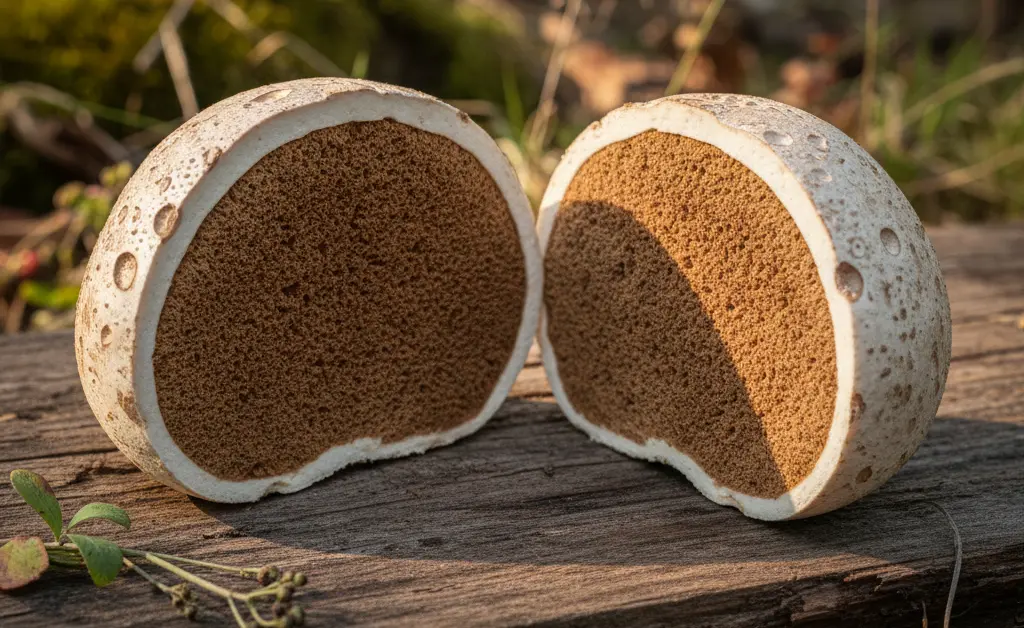
Puffball mushrooms are distinctive fungi often found in fields and woodlands, recognizable by their round or pear-like shape. While many varieties are considered edible when young and fresh, their internal characteristics are key to determining their suitability for consumption. A common question arises when these unique fungi are encountered, particularly concerning their internal appearance. It’s crucial for foragers and home cooks to understand the implications of a changing interior, as this can directly affect safety. This article will explore the significance of a puffball mushroom brown inside, differentiating between edible stages and those that should be avoided. We will provide clear guidance on how to identify safe puffballs and what a discolored interior indicates about their maturity and edibility, ensuring informed decisions for mushroom enthusiasts.
Puffball Mushroom Brown Inside: Edible or Poisonous?
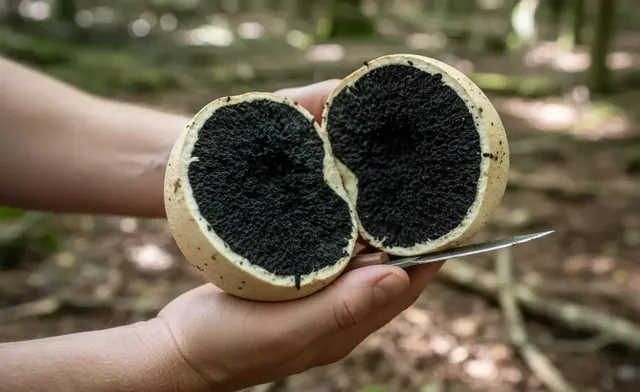
When you encounter a puffball mushroom, its internal appearance is the most critical factor in determining its edibility. Ideally, a puffball should be sliced open, and the interior should reveal a uniformly white, firm flesh, resembling a marshmallow. This indicates a young puffball mushroom, fresh specimen suitable for consumption. As a puffball matures, its internal structure undergoes a significant transformation. The pristine white flesh will first begin to turn yellowish, then olive green, and eventually a dark brown. If you find a puffball mushroom brown inside, particularly if it’s soft, spongy, or powdery, it generally indicates that the mushroom is well past its edible prime. While most mature puffballs are not considered “poisonous” in the lethal sense, consuming them at this stage can lead to unpleasant digestive upset, which may include symptoms such as nausea, vomiting, or diarrhea. The primary concern is not toxicity but rather the breakdown of tissues and the development of spores, which are difficult for the human digestive system to process. For more information on mushroom identification, see puffball mushroom identification.
What is a mushroom with brown dust inside?
A mushroom with brown dust inside is a puffball that has reached full maturity and is actively sporulating. This “brown dust” consists of millions of microscopic spores, which are the reproductive structures of the fungus. In its life cycle, a young puffball develops its flesh, which is firm and white. As it ages, this flesh breaks down and transforms into a powdery mass of spores. When the puffball is squeezed, disturbed, or naturally bursts, these spores are released into the air, allowing the fungus to propagate. Finding this brown dust is a definitive sign that the puffball is no longer suitable for culinary use. Not only does the texture become unappetizingly soft and crumbly, but the flavor also degrades, often becoming bitter or simply unpalatable. Foraging guidelines consistently advise against consuming puffballs that have begun to form internal spores, regardless of the puffball type, due to both gastronomic quality and potential digestive discomfort. It is important to be aware of poisonous puffball mushroom look alike species as well. Understanding whether a puffball mushroom is poisonous is key for safe foraging. puffball mushroom poisonous considerations are paramount. Some research on fungal safety can be found at cochranelibrary.com.
In conclusion, the internal appearance of a puffball mushroom serves as the definitive indicator of its edibility. A bright white, firm interior signifies a young, desirable specimen, while any yellowing, olive discoloration, or a distinct puffball mushroom brown inside suggests the mushroom has matured beyond its palatable and safe eating stage. The presence of brown, dusty spores is an unequivocal sign that the mushroom is past its prime and should not be consumed. Foragers should always slice a puffball open from top to bottom to inspect its interior thoroughly before considering it for the kitchen. Prioritizing caution and clear identification steps ensures a safe and enjoyable experience with these unique fungi.
This article is written for general understanding and not for medical decision-making. The information provided is for educational purposes only and should not be considered a substitute for professional medical advice, diagnosis, or treatment. Always consult with a qualified healthcare professional regarding any health concerns or before making any decisions related to your health or well-being. Individual reactions to fungi can vary, and proper identification by an expert is crucial when foraging.
FAQ
What does a brown inside puffball mushroom mean?
When a puffball mushroom is brown inside, it indicates that the spores have matured and are starting to be released. This change in color signifies that the mushroom is past its prime for consumption. The internal structure has transformed from a dense, uniform white flesh to a powdery, spore-filled mass.
Are puffball mushrooms poisonous if they are brown inside?
A puffball mushroom that is brown inside is not inherently poisonous, but it is no longer considered edible. The browning is a natural part of its reproductive cycle as spores develop and are ready for dispersal. Consuming a puffball in this stage can result in an unpleasant texture and flavor due to the mature spores.
Can you eat puffball mushrooms that are brown inside?
It is generally not recommended to eat puffball mushrooms when they have turned brown inside. This browning signifies that the mushroom has reached its spore-release stage, and the internal tissue will be dry, powdery, and unpalatable. Edibility is typically limited to puffballs that are entirely white and firm throughout their interior.
Why are some puffball mushrooms brown inside?
The transformation to a brown interior in puffball mushrooms is a natural developmental process. As the mushroom matures, the white, fleshy interior begins to differentiate into a mass of microscopic spores. This browning is a visual cue that the mushroom has completed its growth phase and is entering its spore-dispersal phase.
Continue reading
You May Also Like
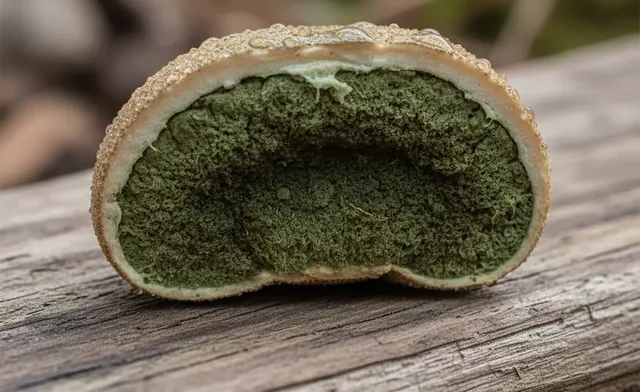
A Puffball's Green Core: Spore Maturity and Safety
If you find a puffball mushroom green inside, it means the fungus has matured to produce its spores and is no longer considered safe to eat.
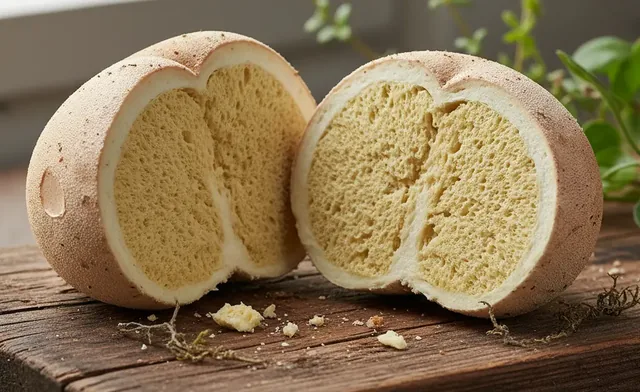
Decoding the Yellow Color in Your Puffball Mushroom
A puffball mushroom yellow inside indicates it has passed its edible stage, so it's crucial to understand what this color means for safety.
Decoding Puffballs: When a Black Center Is a Warning
Safely determine if a puffball mushroom black inside is a toxic Earthball or simply past its prime with our clear visual identification guide.