
Decoding Puffballs: When a Black Center Is a Warning
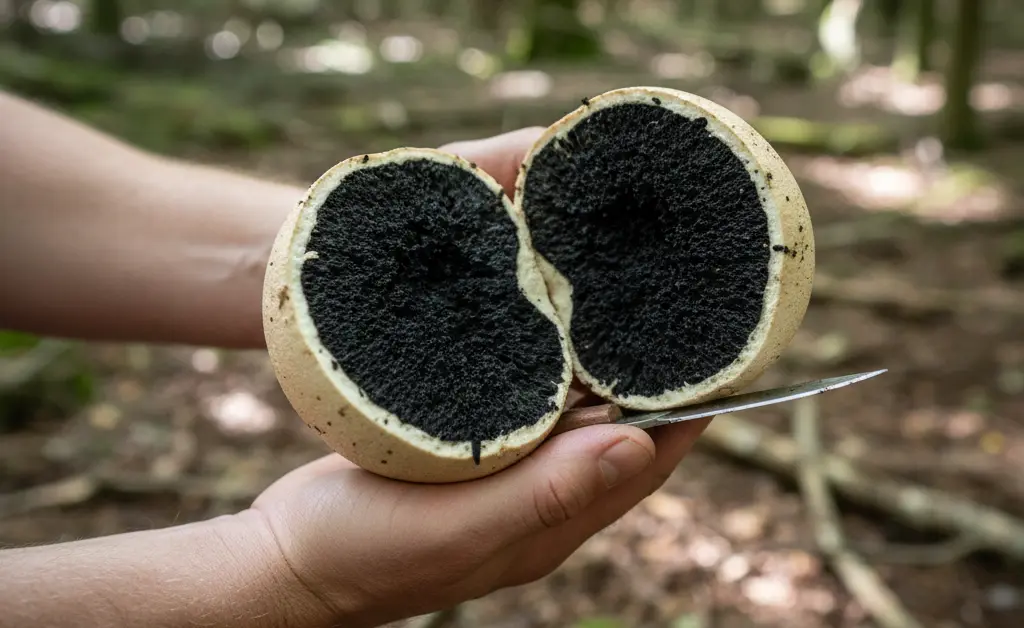
Many people enjoy foraging for mushrooms, and puffballs are often a popular find due to their distinctive appearance and often delicious taste when young and properly identified. However, not all puffballs are safe to eat, and their internal color is a key indicator of their edibility and maturity. A common and critical question arises for foragers and curious individuals alike: what does it truly signify if you encounter a puffball mushroom black inside? This particular interior characteristic is crucial for proper identification and safety, distinguishing between a harmless mature specimen releasing spores and one that might be spoiled, or, in some rare instances, a different, potentially harmful fungal species. Understanding these visual cues is paramount for safe mushroom foraging and consumption.
Puffball Mushroom Black Inside: Edible vs. Poisonous
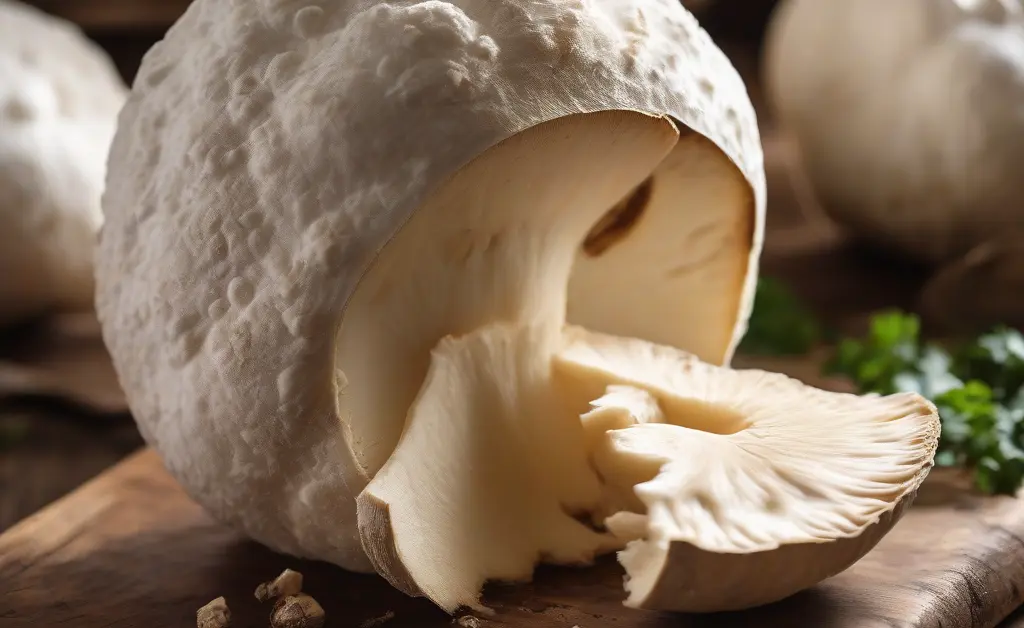
When considering the edibility of puffball mushrooms, the interior color serves as a vital clue. Generally, truly edible puffballs, such as species from the Lycoperdon or Calvatia genera, should exhibit a uniformly white, firm, and marshmallow-like texture throughout their interior when young and suitable for consumption. Any significant deviation from this pristine white interior warrants caution.
Is there an edible puffball that is black on the inside?
As a general rule, an edible puffball mushroom is never black on the inside when it is in a state considered suitable for consumption. The presence of a black interior typically indicates one of two things: either the puffball has matured past its prime and is producing dark spores, or it has begun to spoil. Foraging guidelines consistently advise against consuming any puffball that does not possess a solid, white interior, as a black internal color signifies inedibility at best, and potential spoilage at worst. Always remember the crucial rule: if it’s not white inside, set it aside. Learn more about puffball mushroom edible varieties.
Giant puffball mushroom black inside
The giant puffball (Calvatia gigantea) is a coveted find for many foragers due to its impressive size and mild flavor when young. However, if you find a giant puffball mushroom black inside, it means the mushroom has fully matured and is no longer suitable for eating. The black interior is composed of mature spores, which, while not toxic in themselves, will render the mushroom unpalatable due to its powdery, often bitter, and unappealing texture. Consuming a puffball in this condition would be like eating a giant sponge full of dust. While not necessarily poisonous at this stage, it’s certainly not enjoyable and should be avoided for culinary purposes.
Puffball mushroom black inside california
Regardless of geographical location, including regions like California, the guidelines for identifying an edible puffball mushroom remain consistent. If a puffball mushroom black inside is encountered, its edibility is compromised. Local environmental factors might influence the rate of maturity or spoilage, but the fundamental indicators of safety and palatability—a firm, uniformly white interior—do not change. Foragers in California, or anywhere else, should adhere to these universal identification principles. Always consult local experts or field guides specific to your region for additional context and to confirm species identification, as some look-alikes may exist. Understanding puffball mushroom identification is key.
Mature Puffballs: White and Uniform Interior
When discussing puffballs suitable for consumption, “mature” often refers to a stage where the mushroom has reached a good size but its flesh remains firm and uniformly white. This is the ideal state for culinary use. At this point, the mushroom has not yet begun the process of spore production, which would lead to the darkening of its interior. A puffball with a consistent, solid white interior, without any signs of gills, stalks, or internal discoloration, is generally considered safe to eat for identified edible species. This visual check is among the most critical steps in safety precautions for foraging puffball mushrooms. It’s important to know how to properly cut a puffball mushroom in half to check its interior.
When is a Black Interior a Sign of Spoilage?
The presence of a black interior in a puffball mushroom can often indicate that it has begun to spoil, making it unsuitable and potentially unsafe for consumption. Distinguishing between a naturally mature mushroom releasing spores and one that is simply rotting is essential for safe foraging practices. Some fungi, like Amanitas, can be mistaken for puffballs, making accurate puffball mushroom vs amanita identification crucial.
The Importance of Interior Color
The interior color of a puffball mushroom is perhaps the most important indicator of its condition. A puffball mushroom black inside could signify spoilage if accompanied by other signs. Beyond the color, examine the texture and smell. If the black interior is wet, slimy, or smells putrid or ammonia-like, these are strong indicators of decomposition and spoilage. A discolored interior, especially if it’s patchy, mottled, or shows signs of insect infestation, should be a red flag. When in doubt, it is always best to err on the side of caution and dispose of the mushroom properly. Never rely solely on interior color; always combine it with other sensory checks.
Distinguishing Spoilage from Immature Spores
It is critical to differentiate between a black interior resulting from mature spores and one due to spoilage. If the interior is uniformly black and powdery, resembling fine dust or soot, this indicates the mushroom has reached full maturity and is releasing its spores. While this puffball mushroom black inside is no longer good for eating due to its texture and flavor, it is generally not considered “spoiled” in the sense of being rotten or harmful. However, if the black color is accompanied by a soft, squishy texture, a foul odor, or any moist, slimy patches, these are clear signs of spoilage. Spoilage means that bacteria and other microorganisms have begun to break down the mushroom tissue, potentially producing compounds that could cause gastrointestinal upset or other adverse reactions if consumed. How can I tell if a puffball mushroom is ripe or spoiled? A ripe, edible puffball is firm and white; a spore-laden puffball is powdery black; a spoiled puffball is often wet, discolored, and malodorous.
Understanding the internal characteristics of puffball mushrooms is paramount for safe foraging and consumption. While young, edible puffballs boast a pristine, white interior, any sign of darkening, particularly to black, signifies that the mushroom is either past its prime for eating due to spore maturity or, more concerningly, has begun to spoil. Always inspect the texture and scent in conjunction with the color. If a puffball mushroom black inside exhibits a powdery texture, it is simply mature and inedible due to flavor and texture. However, if it’s slimy, smells bad, or shows signs of decay, it is spoiled and should be discarded. When in doubt, it is always best to avoid consumption and practice proper disposal methods to ensure safety.
Readers should understand that this article does not offer medical diagnosis or treatment. The information provided here is for general knowledge and informational purposes only, and does not constitute medical advice. Always consult with a qualified healthcare professional or a mycologist for any health concerns or before consuming any wild mushrooms. Foraging for mushrooms carries inherent risks, and accurate identification is crucial for safety. This content should not be used as a substitute for professional advice or guidance. For health-related information, consult the NHS.
FAQ
Are puffball mushrooms safe to eat if they are black inside?
When a puffball mushroom develops a dark interior, it typically indicates that it has reached maturity and has begun producing spores. For puffball mushrooms, this stage signifies that the edible quality has passed, and it is no longer considered safe or palatable for consumption. The internal color change from pure white to dark, often black or brown, is a clear visual cue of this transition.
What does it mean if a puffball mushroom has black spores?
The presence of black spores within a puffball mushroom means that the mushroom has matured and is releasing its reproductive material. This is a natural part of the puffball mushroom’s life cycle. While these spores are the method of reproduction for the organism, their appearance signifies that the mushroom flesh itself is no longer in its prime edible state.
Continue reading
You May Also Like
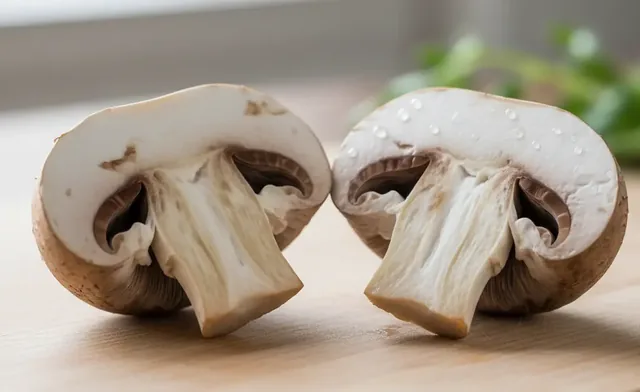
Should You Eat Button Mushrooms That Are Black Inside?
Finding a button mushroom black inside raises safety questions, so this guide explains what it means and when it's time to throw them away.
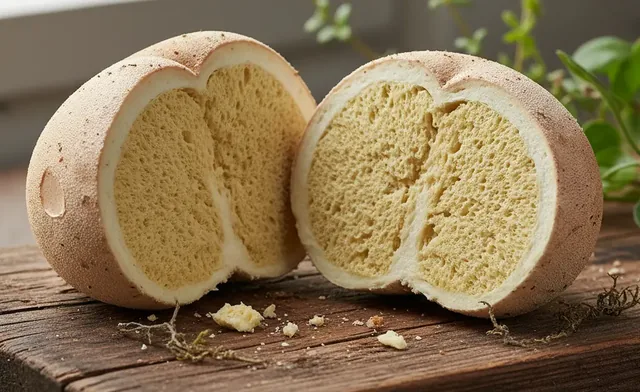
Decoding the Yellow Color in Your Puffball Mushroom
A puffball mushroom yellow inside indicates it has passed its edible stage, so it's crucial to understand what this color means for safety.
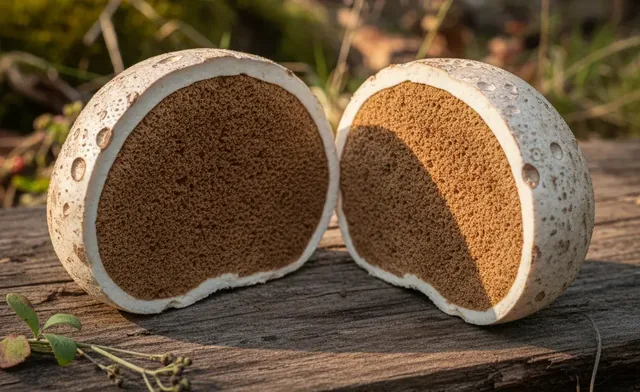
Puffball Edibility: The Meaning of a Brown Interior
A puffball mushroom brown inside signifies that it has begun forming spores, making it past its prime for eating and potentially unsafe.