
A Guide to Thailand’s Puffball Mushrooms
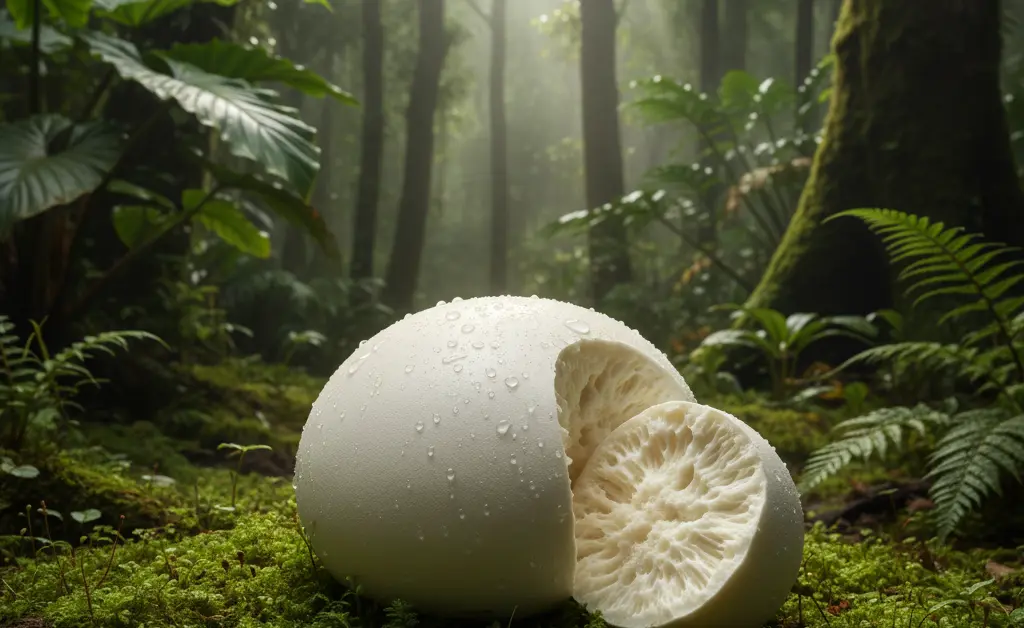
A puffball mushroom is a type of edible fungus characterized by its round or pear-shaped fruiting body, lacking a distinct cap and stem like traditional gilled mushrooms. When young, its interior is firm, white, and uniform, making it a prized culinary ingredient. These unique fungi are appreciated for their mild flavor and ability to absorb other tastes, making them versatile in various dishes. In the lush, diverse ecosystems of Southeast Asia, finding and identifying edible varieties of this intriguing fungus can be an exciting endeavor for foragers and food enthusiasts alike. Understanding the characteristics of the puffball mushroom thailand is crucial for safe consumption and appreciation of its unique qualities, given the region’s rich mycological landscape. This guide explores their identification, culinary uses, and where to find them in the kingdom.
Puffball Mushroom Thailand: Identification and Characteristics
Identifying puffball mushrooms in Thailand requires careful attention to their unique morphological characteristics. Unlike gilled mushrooms, puffballs lack an open cap and gills, presenting instead as a more enclosed, often spherical or pear-shaped structure. Their appearance can vary significantly between species, from smooth, white exteriors to more textured or dark-colored surfaces. When young and edible, their flesh is consistently firm, white, and homogeneous throughout, without any distinct internal structures like developing gills. This section delves into the specific types and key features that distinguish edible puffballs found across the region, crucial for anyone interested in foraging the puffball mushroom thailand.
Giant Puffball Mushroom Thailand
The giant puffball, often associated with the genus *Calvatia*, can be found in certain regions of Thailand. These impressive fungi are characterized by their considerable size, sometimes growing as large as a football or even bigger. Their exterior is typically white or off-white, with a smooth to slightly leathery texture. Internally, a young giant puffball is solid white, resembling a block of soft tofu. As it matures, the interior begins to yellow and then darkens, eventually turning into a powdery, brown mass of spores. Only the young, pure white specimens are considered suitable for culinary use.
Hed Thob Mushroom: Astraeus Odoratus
Known locally as “Hed Thob” or “earthstar mushroom,” *Astraeus odoratus* is a specific type of puffball highly prized in Thailand. While not a true puffball in the strict mycological sense (it belongs to the family Diplocystaceae, rather than Lycoperdaceae or Calvatiaceae), it shares many characteristics and is often grouped with puffballs by foragers due to its appearance and culinary use. This mushroom has a distinctive star-shaped outer layer that splits open to reveal an inner puffball-like spore sac. When young, Hed Thob is firm and has a unique, earthy aroma. Its exterior often appears brownish-grey, and it is usually found partially buried in the soil, particularly in sandy or lateritic soils in forests.
Distinguishing Features of Edible Varieties
Edible puffballs generally share several critical distinguishing features. They typically have a relatively smooth, uniform exterior when young, though some may have small spines or scales. The absence of gills, a stem, or any obvious cap-like structure is a primary indicator. Importantly, edible puffballs will always have a pure, unbroken white interior flesh when sliced open. Any discoloration, particularly yellowing or browning, or the presence of any internal patterns resembling developing gills or other structures, suggests it is either too old, an inedible species, or potentially a poisonous look-alike.
Determining Edibility (Interior Color, Texture)
The most crucial step in determining the edibility of a puffball mushroom is to carefully inspect its interior. Slice the mushroom cleanly from top to bottom. If the inside is uniformly solid white, firm to the touch, and free from any dark spots, patterns, or insect damage, it is likely an edible puffball. If the interior shows any yellowing, browning, purplish tint, or contains any evidence of developing gills (which would indicate a young, potentially poisonous gilled mushroom), it must be discarded immediately. The texture should be consistent and firm, never watery or spongy when young and fresh.
Edible Puffball Mushrooms in Thailand
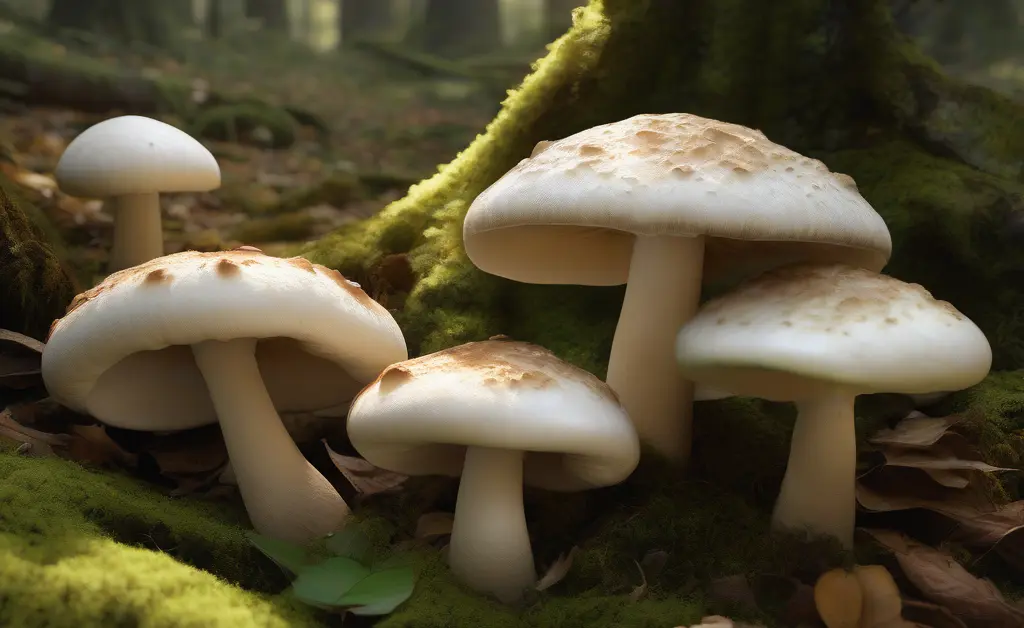
Thailand’s diverse ecosystems, ranging from humid tropical forests to agricultural lands, provide suitable habitats for various edible fungi, including several types of puffball mushrooms. Enthusiasts and local communities often seek out these natural treasures for their unique flavors and textures. Understanding where and when to find them significantly enhances the foraging experience. The specific species considered edible within the kingdom are usually those with a pure white, solid interior when young and fresh, free from any gilled structures.
Habitat and Growth Seasons in Thailand
Edible puffball mushrooms in Thailand typically thrive in humid, shaded environments. They are commonly found in forests, particularly in areas with decaying organic matter, such as leaf litter and wood debris. Some species prefer open woodlands or grassy clearings at the forest edge. The growth seasons are largely influenced by the monsoon climate, with the rainy season (roughly May to October) being the most prolific period for mushroom growth. During this time, the increased humidity and consistent moisture provide ideal conditions for these fungi to fruit. Local foragers often know specific spots where Hed Thob and other puffballs reliably appear year after year.
Puffball Mushroom Thailand: Culinary Uses
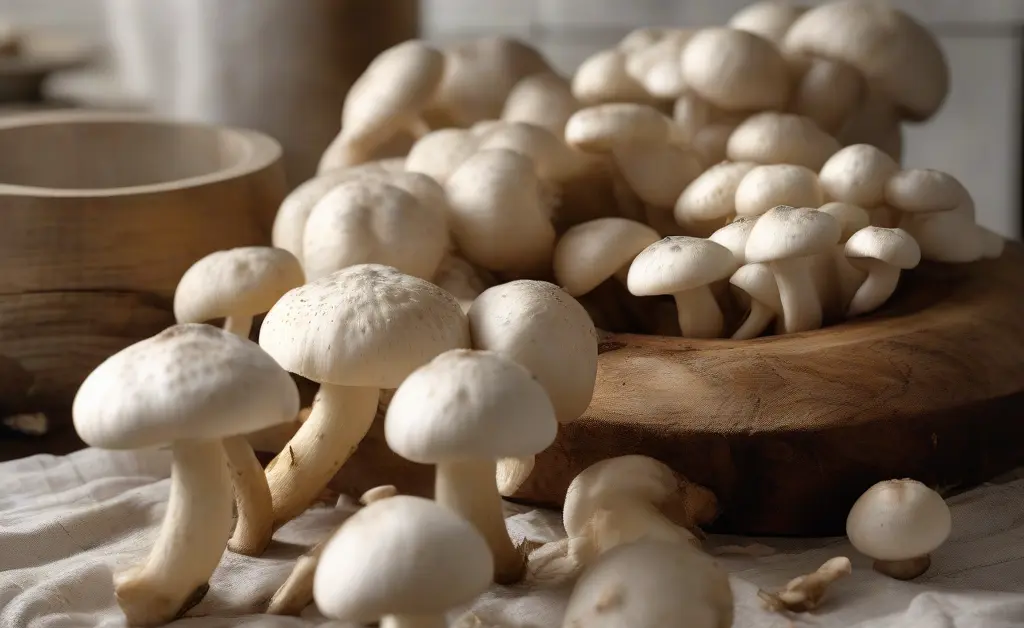
The puffball mushroom is a versatile ingredient in Thai cuisine, known for its ability to absorb flavors and its unique texture. Its mild taste makes it an excellent addition to a variety of dishes, where it can complement stronger spices and herbs. Across the country, particularly in rural areas, these fungi are valued for their seasonal availability and their contribution to local gastronomic traditions. The preparation methods often reflect the broader culinary practices of the region, ensuring both safety and deliciousness when cooking the puffball mushroom thailand.
Puffball Mushroom Thailand Recipe
While there isn’t a single definitive “puffball mushroom Thailand recipe,” these fungi are frequently incorporated into traditional Thai cooking. They are often used in curries, stir-fries, and soups. Their mild flavor profile allows them to take on the robust tastes of ingredients like chili paste, galangal, lemongrass, and fish sauce. The firm, spongy texture of young puffballs holds up well to cooking and provides a satisfying mouthfeel, contrasting nicely with other vegetables and proteins in a dish.
Recipe Ideas
Puffball mushrooms can be thinly sliced and added to spicy clear soups like Tom Yum or creamy coconut-based curries such as green curry. They are also excellent when stir-fried with seasonal vegetables, garlic, and chilies, or incorporated into a flavorful mushroom stir-fry. Another popular method is grilling or pan-frying thick slices, perhaps marinated in a savory sauce, to create a hearty side dish or appetizer. Some cooks also enjoy them lightly battered and fried for a crispy exterior and tender interior. Their versatility means they can be substituted into many recipes that call for other firm, edible mushrooms.
Preparation Methods
Proper preparation of puffball mushrooms is essential for both safety and culinary enjoyment. First, carefully clean the mushrooms by gently brushing off any dirt or debris. Avoid washing them under running water if possible, as they can absorb a lot of moisture. If washing is necessary, do so quickly and pat them dry immediately. Next, trim off any tough or discolored parts. For most recipes, the puffball is then sliced into desired shapes, such as thick rounds, cubes, or strips. Given their mild flavor, they can be cooked directly or pre-sautéed to deepen their taste before adding to other ingredients. Always ensure they are thoroughly cooked before consumption.
Where to Find and Buy Puffball Mushrooms in Thailand
Foraging for wild mushrooms is a cherished activity in Thailand, particularly during the rainy season. However, for those who prefer not to forage, or when wild mushrooms are out of season, understanding market availability is key. The availability of puffball mushroom thailand can fluctuate greatly depending on the time of year, regional conditions, and commercial supply chains. Both wild-harvested and, less commonly, cultivated or imported varieties may be found.
Availability (wild vs. cultivated/imported)
Wild puffball mushrooms, especially species like Hed Thob, are most abundant during the peak of the rainy season in forested areas. Local markets in regions known for their foraging traditions often feature these fresh wild mushrooms. Their availability is highly seasonal and dependent on environmental conditions, making them a special treat. Cultivated puffball mushrooms are less common in Thailand compared to other mushroom varieties like oyster or shiitake, largely because many edible puffball species are challenging to cultivate commercially on a large scale. Imported puffballs are also rare, as their delicate nature makes long-distance transport difficult without spoilage. Therefore, fresh, wild-foraged specimens remain the primary source.
Puffball Mushroom Thailand Price
The price of puffball mushrooms in Thailand can vary significantly. Factors influencing pricing include seasonality, scarcity, the specific species (Hed Thob, for instance, often commands a higher price due to its popularity and unique taste), and regional demand. During peak season, when wild mushrooms are plentiful, prices may be more accessible. Conversely, when supplies are limited, prices can increase. These mushrooms are often sold by weight at local fresh markets, and their cost reflects the effort involved in foraging and their desirability as a seasonal delicacy.
Puffball Mushrooms in Thailand
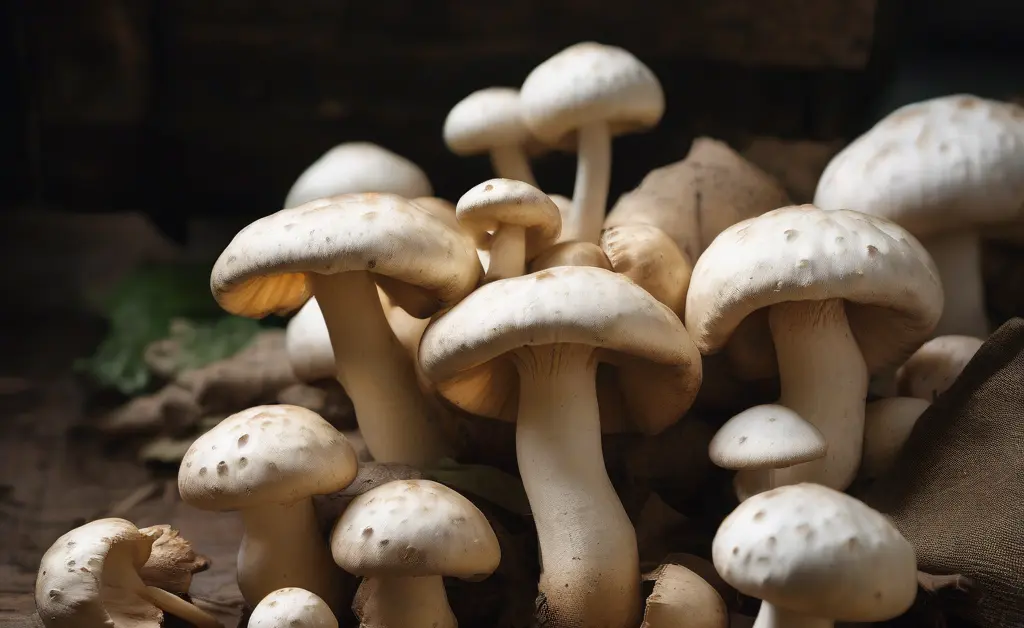
Puffball mushrooms hold a distinctive place within Thailand’s rich mycological landscape and culinary traditions. Beyond their practical uses, they represent a connection to nature and seasonal cycles that resonate deeply with many communities. Their appearance in local markets during the rainy season is often celebrated, signaling a time of abundant natural resources. These fungi, particularly the highly regarded Hed Thob, are more than just food; they are part of the cultural tapestry, reflecting traditional knowledge of foraging and sustainable interaction with the environment. The continuous appreciation for the puffball mushroom thailand underscores its significance both gastronomically and culturally.
Harvesting and Using Puffball Mushrooms in Thailand
Responsible harvesting and proper use are paramount when gathering and preparing puffball mushrooms in Thailand. The act of foraging itself is an ancient practice that connects people with their natural environment, but it must be approached with caution and respect for both the fungi and the ecosystem. Ensuring the mushrooms are at their prime for consumption is also a key aspect of maximizing their culinary appeal and safety.
When to Harvest
The ideal time to harvest puffball mushrooms is when they are young, firm, and their interior is uniformly pure white. This stage indicates optimal flavor and texture, and crucially, ensures edibility. As puffballs mature, their internal flesh begins to change color, often turning yellow, then brown, and eventually becoming powdery with spores. Mushrooms at these later stages are considered inedible and should not be collected for consumption. The best foraging times typically coincide with the rainy season, from around May to October, as the humidity and moisture provide prime growing conditions. Foragers usually inspect the mushroom by gently squeezing or, if necessary, making a small incision to confirm its pure white interior before harvesting.
Puffball Mushroom Thailand
In conclusion, the puffball mushroom in Thailand represents a fascinating aspect of the country’s natural biodiversity and culinary heritage. From the widely recognized Hed Thob to other edible varieties, these unique fungi offer a delightful flavor profile and texture that enriches numerous traditional dishes. Their identification requires meticulous attention to detail, particularly regarding the pure white interior, which is a hallmark of their edibility. While foraging offers a direct connection to nature, understanding market availability and safe preparation methods are equally important for enjoying these seasonal treasures. The continued appreciation for the puffball mushroom thailand ensures its place as a valued ingredient and a symbol of local food culture.
This information should be viewed as educational rather than medical advice. It is intended to provide general knowledge and not to diagnose, treat, cure, or prevent any disease. Always consult with a qualified healthcare professional or a mycological expert for accurate identification and health-related concerns, especially when dealing with wild-foraged items. Individual reactions to food can vary, and personal responsibility is crucial when consuming wild mushrooms.
FAQ
Are puffball mushrooms found in Thailand?
Yes, various species of puffball mushrooms are found in Thailand. These fungi thrive in diverse environments, including forests and grasslands across the country. Their presence contributes to the rich mycological diversity of the region.
What are puffball mushrooms called in Thailand?
While there isn’t one single, universally adopted Thai name for all puffball mushrooms, some local dialects may refer to them by descriptive terms related to their shape or texture. The specific nomenclature can vary significantly depending on the region and the particular species being discussed.
How do you identify edible puffball mushrooms in Thailand?
Identifying edible puffball mushrooms requires careful observation and knowledge of mushroom anatomy. Edible puffballs are typically solid white throughout when cut in half, with no discernible gills, cap, or stem structures visible internally. Any signs of discoloration, development of a spongy interior, or presence of irregular shapes indicate they are not suitable for consumption.
Can you eat puffball mushrooms from Thailand?
Certain puffball mushroom species found in Thailand are indeed edible and have been consumed locally. However, it is crucial to distinguish them from toxic look-alikes, and only very young, firm specimens should be considered. Foraging for wild mushrooms, including the puffball mushroom thailand, carries inherent risks and should only be undertaken by experienced individuals.
Continue reading
You May Also Like

Where to Buy Fresh and Dried Puffball Mushrooms?
Our guide to semaglutide for weight loss reviews its clinical efficacy, side effects, and cost to help you evaluate if it's the right choice.
How to Fry Puffball Mushrooms to Golden Perfection
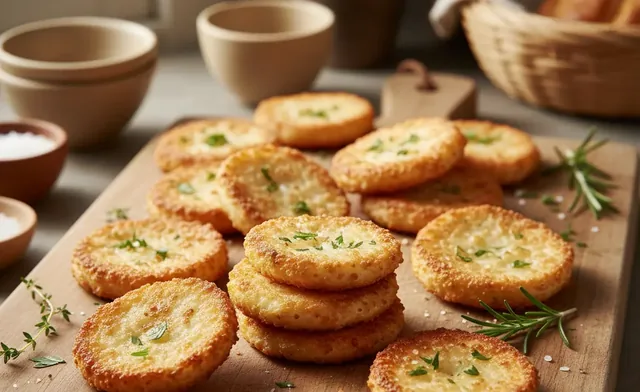
This step-by-step guide provides a complete recipe for fried puffball mushroom, covering preparation, batter, and the best frying technique.

A Forager's Guide to the Giant Puffball Mushroom
A practical guide to safely identify the edible giant puffball mushroom, from its key features to the dangerous look-alikes you must avoid.