
A Forager’s Guide to Identifying Puffball Mushrooms
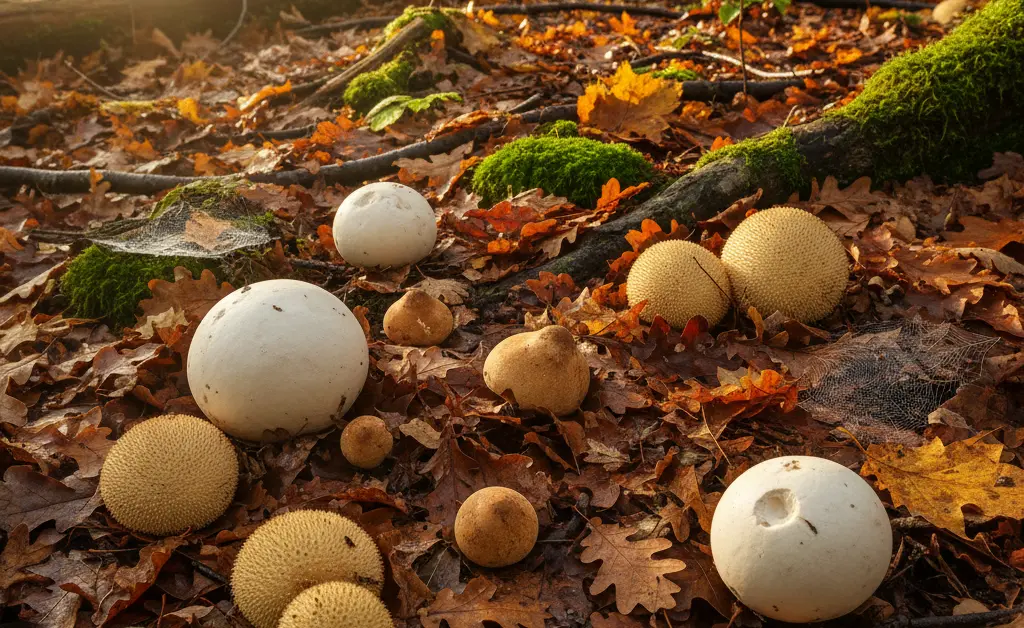
The crisp autumn air carried the scent of damp earth and fallen leaves as I strolled through the woods, a quiet morning ritual. Suddenly, a pale, spherical shape caught my eye, nestled amongst the roots of an old oak. It was unmistakably a puffball, pristine and inviting. This discovery always brings a sense of wonder, but it also sparks a crucial reminder: not all puffballs are created equal, and proper identification is paramount for safe consumption. Understanding the various puffball mushroom types is essential for both novice and experienced foragers alike, ensuring that the culinary adventure is both delicious and safe. This guide will help you distinguish between the common species you might encounter.
Common Puffball Mushroom Species
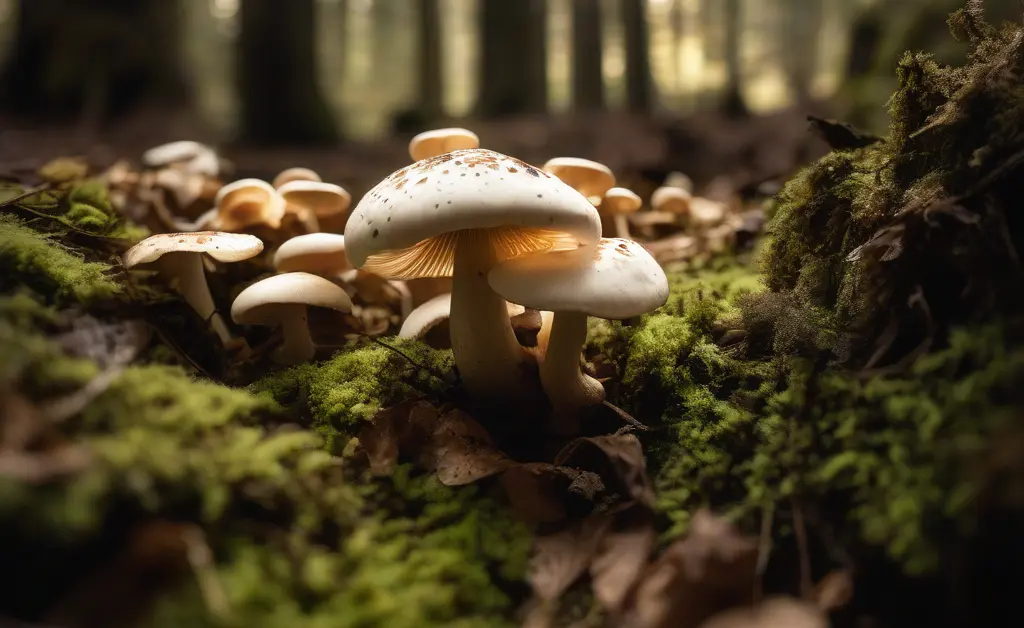
Identifying the distinct characteristics of various puffball mushroom types is crucial for any forager. While many are edible, some look-alikes can be problematic, and it’s always important to be certain of your identification before considering consumption. Each species presents unique features regarding size, texture, habitat, and maturity.
Giant Puffball (Calvatia gigantea)
The Giant Puffball is perhaps the most impressive of all puffball mushroom types, known for its immense size. These majestic fungi can grow to be as large as a soccer ball or even bigger, sometimes weighing several pounds. They are typically found in grassy areas, meadows, and deciduous forests during late summer and early autumn. Their exterior is usually smooth and white or off-white, and their internal flesh, when young and edible, is uniformly pure white and firm. As they age, the flesh turns yellow, then green-brown, eventually becoming a mass of powdery spores. A key identification feature for edibility is a completely solid, white interior, without any visible gill structure that might indicate a toxic look-alike. Learn more about what is a puffball mushroom.
Common Puffball (Lycoperdon perlatum)
Also known as the Gem-studded Puffball, the Common Puffball is one of the most frequently encountered puffball mushroom types. These smaller puffballs are typically pear-shaped or spherical, ranging from small to medium in size. They are characterized by a white to pale brown surface covered with small, wart-like spines or “gems” that can be easily rubbed off. They grow abundantly in various habitats, including woodlands, gardens, and along paths, often appearing in clusters or groups. Like other edible puffballs, the interior should be solid white. If the inside is yellow, brown, or shows any signs of developing gills, it should be avoided.
Pear-Shaped Puffball (Apioperdon pyriforme)
The Pear-Shaped Puffball stands out among other puffball mushroom types due to its distinctive shape and common growth habit. As its name suggests, it often resembles a pear, with a slightly wider base tapering towards the top. These puffballs typically grow in dense clusters on decaying wood, such as logs, stumps, or buried roots. Their exterior is usually white to light brown, becoming darker with age, and can be relatively smooth or finely granular. The interior, when young, is solid white. This species is generally considered a good edible, especially when the flesh is firm and pure white. Their preference for growing on wood is a helpful distinguishing characteristic. The puffball mushroom taste can vary between species.
Field Puffball (Disciseda spp.)
Field Puffballs, belonging to the genus Disciseda, are among the less commonly sought-after puffball mushroom types, primarily due to their smaller size and terrestrial habitat. These puffballs are typically globe-shaped to flattened, often partially buried in the soil. Their outer surface can be tan to brownish, sometimes with a slightly textured or cracked appearance. They are often found in open fields, sandy areas, and disturbed ground. When mature, the outer layer often cracks open or erodes to release spores. This is how puffball mushroom spores are dispersed. The interior should be consistently white when young. Given their size, they are not usually harvested for culinary purposes as frequently as the larger puffball species.
In conclusion, understanding the diverse puffball mushroom types is a rewarding endeavor for anyone interested in foraging. Correct identification not only ensures a delicious addition to your meal but also protects against potential health risks. Always perform a thorough inspection, including the crucial ‘slice test’ to confirm a pure white, homogenous interior, and when in doubt, err on the side of caution. Enjoy the journey of discovery, but always prioritize safety. For information on potential health impacts, consult resources from the NHS.
This article aims to inform, not to replace professional healthcare advice. The content provided is for informational purposes only and does not constitute medical advice, diagnosis, or treatment recommendations. Always consult with a qualified healthcare professional or a certified mycologist before consuming any wild fungi or making decisions about your health. Self-identification and consumption of wild mushrooms carry inherent risks.
FAQ
What do puffball mushrooms look like?
Puffball mushrooms are characterized by their round or pear-shaped fruiting bodies that lack a distinct stem and cap. Their outer skin, called the peridium, encloses a mass of spores which are released when the mushroom is mature and disturbed. This unique structure gives them their common name and distinctive appearance.
How do you identify a puffball mushroom?
Identifying a puffball mushroom involves looking for its characteristic round shape and the absence of gills, pores, or a stem. When sliced vertically, a mature puffball will have a uniform, spongy interior, whereas younger specimens will be solid white throughout. Immature poisonous mushrooms can sometimes resemble puffballs, making careful examination crucial.
What is the best puffball mushroom to eat?
Many puffball mushroom types are edible and prized for their mild, pleasant flavor and dense texture when young. For culinary purposes, the Giant Puffball (Calvatia gigantea) is frequently recommended due to its size and clean taste. Ensuring the mushroom is firm, solid white inside, and free from any signs of spoilage is essential for safe consumption.
How do you identify a giant puffball?
A Giant Puffball is unmistakable due to its immense size, often growing to be as large as a basketball or even larger. These mushrooms lack any discernible stem and present as a large, smooth, white sphere resting directly on the ground. When cut open, the interior of a young Giant Puffball will be uniformly solid and white, resembling mozzarella cheese, with no developing gills or cap structure.
Continue reading
You May Also Like

A Forager's Guide to the Giant Puffball Mushroom
A practical guide to safely identify the edible giant puffball mushroom, from its key features to the dangerous look-alikes you must avoid.
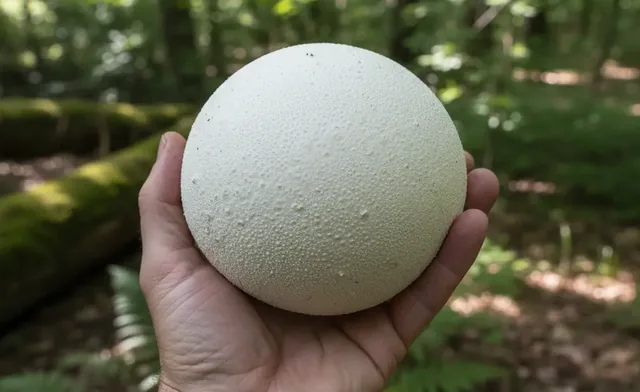
A Forager's Guide to Puffball Mushrooms
This guide provides key identification features for the puffball mushroom, detailing its culinary uses and how to avoid dangerous look-alikes.
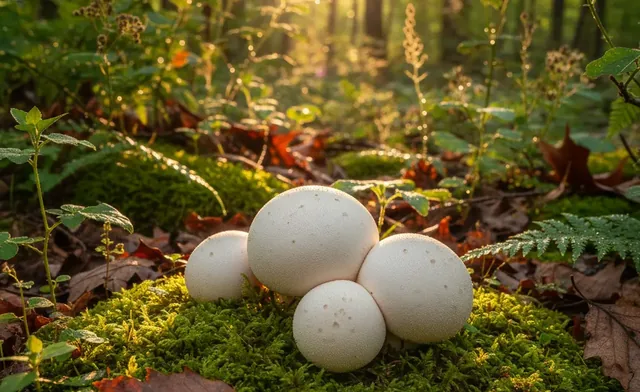
A Forager's Guide to Puffball Mushrooms in Alabama
This guide covers puffball mushroom Alabama identification, helping you safely distinguish between common edible and poisonous look-alike species.