
A Forager’s Guide to Wisconsin Puffballs
Puffball mushrooms are a common sight in many parts of the world, often found growing in grassy areas or woodlands. These fungi, known for their distinctive round shape, can be an exciting discovery for foragers. Understanding where and when to look for them, as well as how to identify edible varieties, is crucial for a successful foraging experience. This guide will specifically focus on locating and identifying a puffball mushroom wisconsin, ensuring enthusiasts can safely enjoy this unique natural resource. We will cover their preferred habitats, peak seasons, and essential identification tips to distinguish edible types from their less desirable counterparts.
Where to Find Puffball Mushrooms in Wisconsin
Finding puffball mushrooms in Wisconsin requires a bit of knowledge about their preferred environments. These fascinating fungi are quite adaptable and can be found in various settings across the state. Successful foraging often depends on knowing the typical haunts of these unique organisms.
Types of Puffball Mushrooms in Wisconsin
Wisconsin is home to several types of puffball mushrooms, each with its own characteristics. The most sought-after is the Giant Puffball (Calvatia gigantea), known for its impressive size. Other common varieties include the Gem-studded Puffball (Lycoperdon perlatum), which features small, wart-like projections, and the Pear-shaped Puffball (Apioperdon pyriforme), often found growing on decaying wood. While all edible puffballs share the common trait of having a solid white interior when young, recognizing the different external features can help in narrowing down identification and ensuring safety. For a general overview of puffball mushrooms, you can refer to puffball mushroom information.
Specific Locations or Regions in Wisconsin
Puffball mushrooms can be discovered throughout Wisconsin, particularly in areas with a mix of woodlands and open spaces. State parks, county forests, and even well-maintained lawns and golf courses can be productive foraging grounds. While there isn’t one single region where they are exclusively found, areas with rich, moist soil and decaying organic matter tend to yield more frequent discoveries. Foragers often report finding a significant puffball mushroom wisconsin presence in the southern and central parts of the state, though they are certainly not limited to these areas.
Habitat Preferences
Puffball mushrooms generally prefer habitats that provide a good balance of moisture and organic material. They frequently appear in grassy fields, meadows, pastures, and along the edges of forests. Some varieties, like the Pear-shaped Puffball, have a distinct preference for growing on dead logs or stumps. Others may be found in disturbed soils, such as those in gardens or parks. Their mycelial networks thrive in areas with decaying leaves, wood, or other plant matter, making them common inhabitants of deciduous and mixed forests.
When to Find Puffball Mushrooms
Timing is a critical factor for successful mushroom foraging. Understanding the life cycle and growth patterns of puffball mushrooms can significantly increase your chances of finding them at their prime for consumption.
Peak Season
The optimal time to find puffball mushrooms in Wisconsin typically spans from late summer through early autumn. This period, usually from August to October, provides the ideal conditions of warmth and moisture necessary for their development. While some smaller varieties may appear earlier or later, the larger, more desirable types, especially the giant puffball mushroom wisconsin, are most commonly found during these months. After a good rain spell, particularly followed by warm, humid weather, is often when these fungi emerge in abundance, making it an excellent time to head out for foraging.
Puffball Mushroom Wisconsin Edible
Many varieties of puffball mushrooms are considered edible and can be a delightful culinary addition. However, it is paramount to correctly identify them to ensure safety. The key to determining if a puffball mushroom wisconsin is edible lies in its internal characteristics. When sliced open, an edible puffball must be uniformly solid white throughout, resembling the texture of a marshmallow or soft cheese. Any discoloration, such as yellow, olive, or purple hues, or the presence of a developing cap and stem structure (like miniature gills), indicates it is not a true edible puffball or is past its prime. Young puffballs are generally preferred for their firm texture and mild flavor.
Giant Puffball Mushroom Wisconsin
The Giant Puffball (Calvatia gigantea) is arguably the most impressive and sought-after puffball species in Wisconsin. These immense fungi can grow to considerable sizes, often ranging from that of a soccer ball to a basketball, and occasionally even larger. A distinct characteristic of a giant puffball mushroom wisconsin is its lack of a visible stem; it typically appears as a large, rounded mass directly on the ground. When young and prime for eating, its interior is entirely solid, pure white, and soft. As it matures, the inside will begin to yellow and eventually turn greenish-brown, indicating it has developed spores and is no longer suitable for consumption. Its sheer size makes it relatively easy to spot, but careful internal inspection is still necessary to confirm its edibility.
Puffball Mushroom Wisconsin Poisonous
While many puffballs are edible, it is crucial to be aware of potential look-alikes that can be toxic or undesirable. The primary concern when foraging for a puffball mushroom wisconsin is confusing a young, button-stage Amanita mushroom with a true puffball. Young Amanitas, which include some highly poisonous species like the Death Cap (Amanita phalloides) and Destroying Angel (Amanita virosa), often appear round or oval and white before their caps fully expand. The critical distinguishing factor is that when a young Amanita is sliced vertically, it will reveal the distinct internal structure of a cap, stem, and developing gills, often with a universal veil surrounding the base. An edible puffball, conversely, will always be uniformly solid white inside, with no discernible internal structures. Always cut open any suspected puffball from top to bottom to verify its solid white interior and absence of internal mushroom parts before considering it for consumption. If there is any doubt whatsoever, it is best to err on the side of caution and discard the specimen. For information on mushroom poisoning, consult the WHO.
Foraging for puffball mushrooms in Wisconsin can be a rewarding experience, connecting enthusiasts with nature’s bounty. By understanding their preferred habitats, recognizing the peak seasons, and meticulously applying identification criteria, foragers can safely enjoy these unique fungi. Always prioritize careful identification, especially the internal inspection of the mushroom, to distinguish edible puffballs from potentially harmful look-alikes. When in doubt, it is always recommended to consult with an experienced mycologist or a local foraging expert to ensure safety.
This material is shared for educational insight, not for clinical decision-making. The information provided is for general knowledge and informational purposes only, and does not constitute professional advice. Mushroom identification for consumption should only be undertaken by experienced individuals or with the guidance of certified experts, as misidentification can have serious health consequences. Always exercise extreme caution and seek professional verification before consuming any wild mushroom.
FAQ
Are puffball mushrooms in Wisconsin edible?
Many puffball mushroom species found in Wisconsin are edible when they are young and firm. The key identification feature for edibility is that the inside must be solid white, without any developing gills, caps, or stems, which could indicate a toxic look-alike. Proper identification is crucial before consuming any wild mushroom.
When is the best time to find puffball mushrooms in Wisconsin?
Puffball mushrooms in Wisconsin typically emerge during the warmer months, often appearing from late summer through the fall. Rainfall following a period of warmth often encourages their growth. This makes the transitional seasons ideal for mushroom foragers.
Where can I find puffball mushrooms in Wisconsin?
You can often find puffball mushrooms in Wisconsin growing in open, grassy areas such as meadows, fields, and lawns. They also favor pastures and sometimes appear along the edges of forests. These fungi are not typically found deep within dense woods.
How big do puffball mushrooms get in Wisconsin?
The size of puffball mushrooms in Wisconsin varies significantly depending on the species. Some species remain quite small, perhaps only a few inches in diameter, while others, like the giant puffball, can grow to be exceptionally large. These impressive specimens can reach over a foot in diameter and weigh several pounds.
Continue reading
You May Also Like
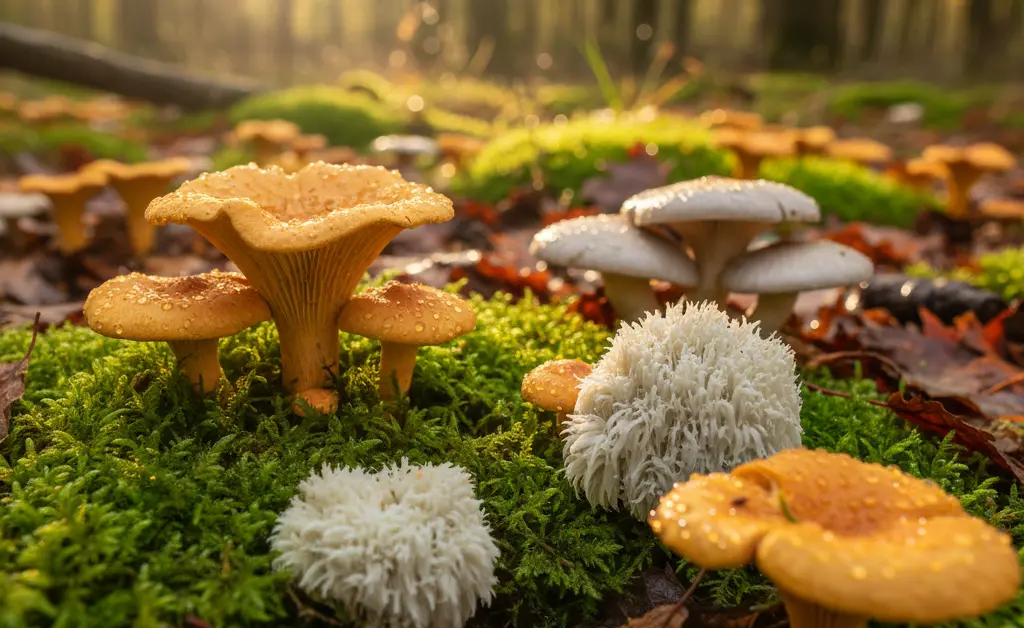
A Forager's Guide to Wisconsin's Edible Mushrooms
A guide to identifying the types of edible mushrooms Wisconsin has to offer, with important safety tips, foraging locations, and peak seasons.
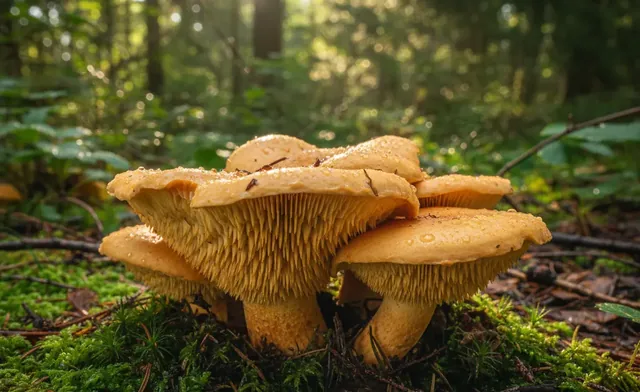
A Forager's Guide to Wisconsin's Hedgehog Mushrooms
Get essential tips on identifying key features, common habitats, and the best foraging times for the edible hedgehog mushroom wisconsin.
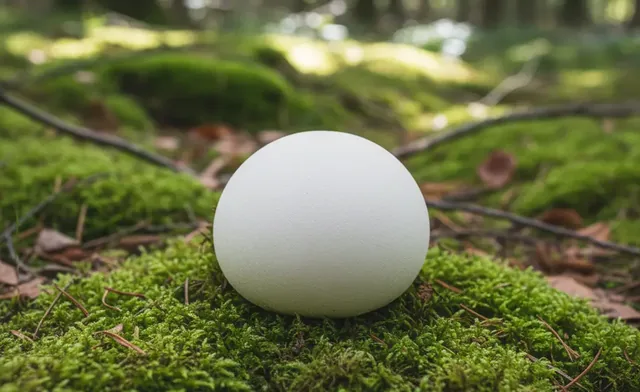
A Forager's Guide to Indiana Puffballs
This page covers the puffball mushroom Indiana provides, with details on safe identification, foraging locations, and poisonous look-alikes.