
An Introduction to the Button Mushroom
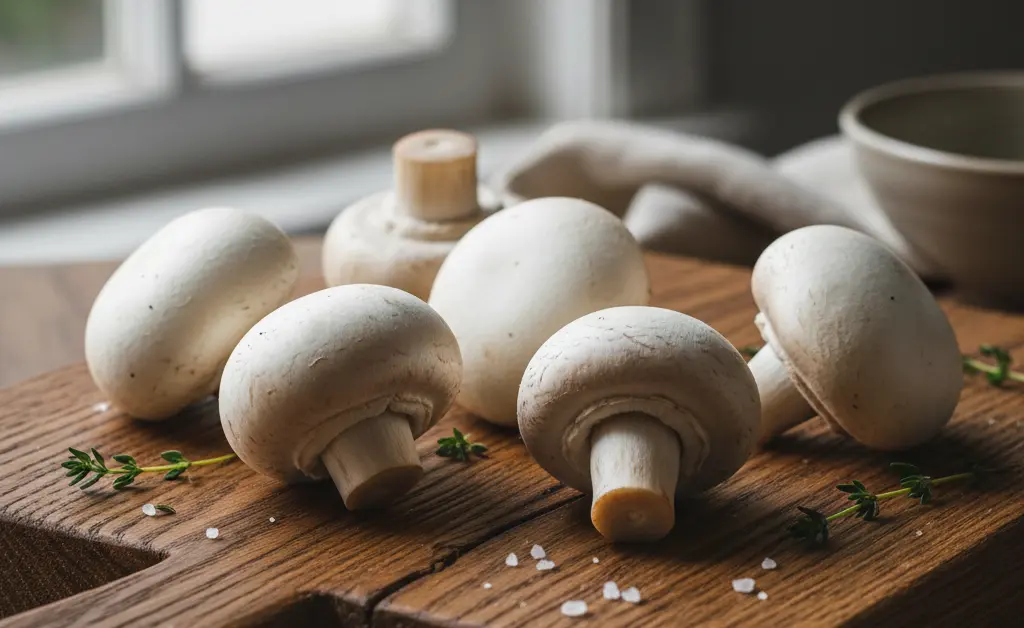
Many home cooks and diners might view the button mushroom as a simple, unassuming ingredient, perhaps assuming it’s just an immature version of more exotic fungi or solely a bland filler. Yet, this widespread perception often undersells its true character and culinary significance. Far from being merely a ‘starter’ mushroom, it holds a unique place in kitchens worldwide. Understanding what is a button mushroom reveals not only its distinct characteristics but also its surprising adaptability across various cuisines, making it a staple far more interesting than commonly perceived. This exploration will delve into its identity, features, and why it remains a beloved choice.
What is a Button Mushroom?
Definition and Common Names
A button mushroom refers to the immature stage of the common cultivated mushroom, scientifically known as Agaricus bisporus. It is perhaps one of the most widely recognized and consumed edible fungi globally. Characterized by its small, rounded cap and short stem, it is harvested before its veil breaks, giving it a distinctive ‘button’ appearance. Beyond its common name, this versatile fungus is also frequently referred to as white mushroom, table mushroom, or in some culinary contexts, champignon de Paris, especially when speaking of its French origins in cultivation. Knowing what is a button mushroom often begins with recognizing these various names and its ubiquitous presence in grocery stores. button mushroom
Scientific Classification
The button mushroom belongs to the family Agaricaceae, within the order Agaricales, class Agaricomycetes, phylum Basidiomycota, and kingdom Fungi. Its scientific name, Agaricus bisporus, indicates its species. This classification highlights its relationship to other well-known edible fungi, including its more mature forms, the cremini and portobello mushrooms, which are genetically identical but harvested at later stages of development. Understanding its biological identity helps in appreciating its growth cycle and culinary versatility. Agaricus bisporus
Characteristics of Button Mushrooms
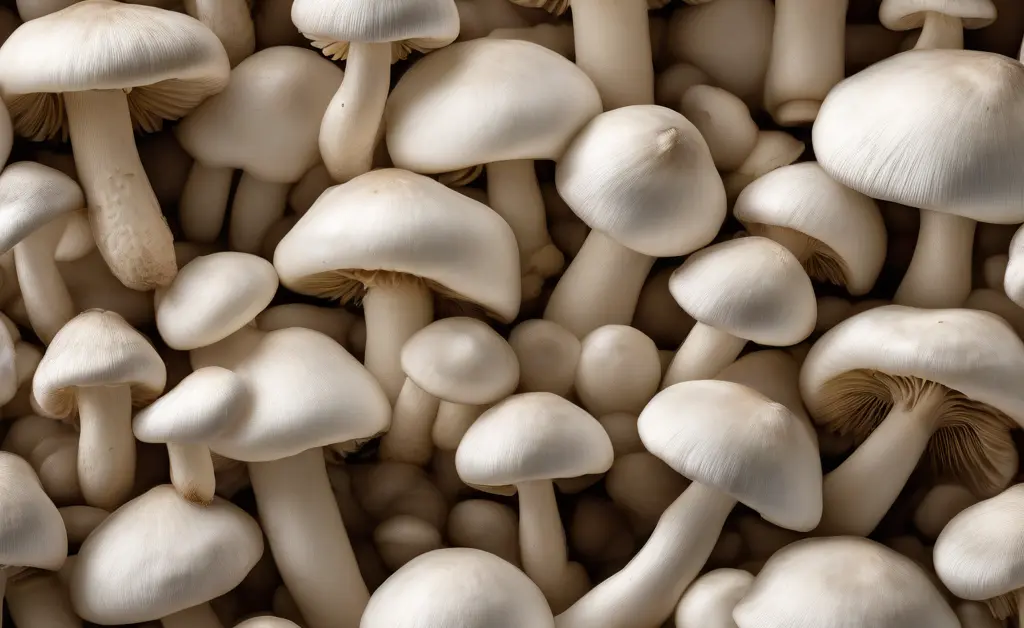
Beyond its definition, appreciating what is a button mushroom involves understanding its unique physical and sensory characteristics that make it a kitchen staple. Its properties contribute to its widespread appeal and adaptability in various dishes.
Appearance (Color, Shape, Size)
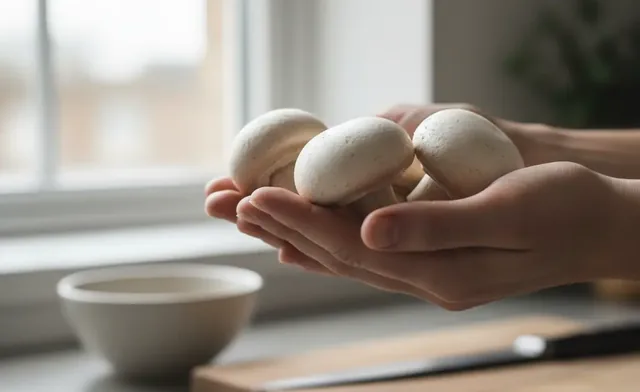
Button mushrooms are typically characterized by their pristine white to off-white coloration, though some varieties may have a slightly darker hue. Their shape is distinctively rounded, with a firm, closed cap that resembles a button, hence the name. The cap is smooth and sits atop a short, sturdy stem. When harvested as button mushrooms, they are relatively small, usually ranging from about 1 to 3 centimeters (approximately 0.4 to 1.2 inches) in diameter. This compact size contributes to their tender texture and makes them convenient for various culinary applications.
Texture
The texture of button mushrooms is generally firm and somewhat spongy when raw. Upon cooking, they soften considerably, becoming more tender and succulent. They retain a pleasing chewiness that adds body to dishes without being overly fibrous. This textural transformation allows them to absorb flavors effectively from surrounding ingredients, making them a versatile component in many recipes.
Flavor Profile
Button mushrooms possess a mild, earthy, and subtly savory flavor. They are often described as having a delicate umami note, which enhances the overall taste of meals without overpowering other ingredients. This gentle flavor profile is one of their greatest strengths, as it allows them to blend seamlessly into a wide array of cuisines and dishes. When cooked, their flavor can become slightly more concentrated and richer, complementing both light and robust preparations.
Button Mushroom vs. Other Varieties
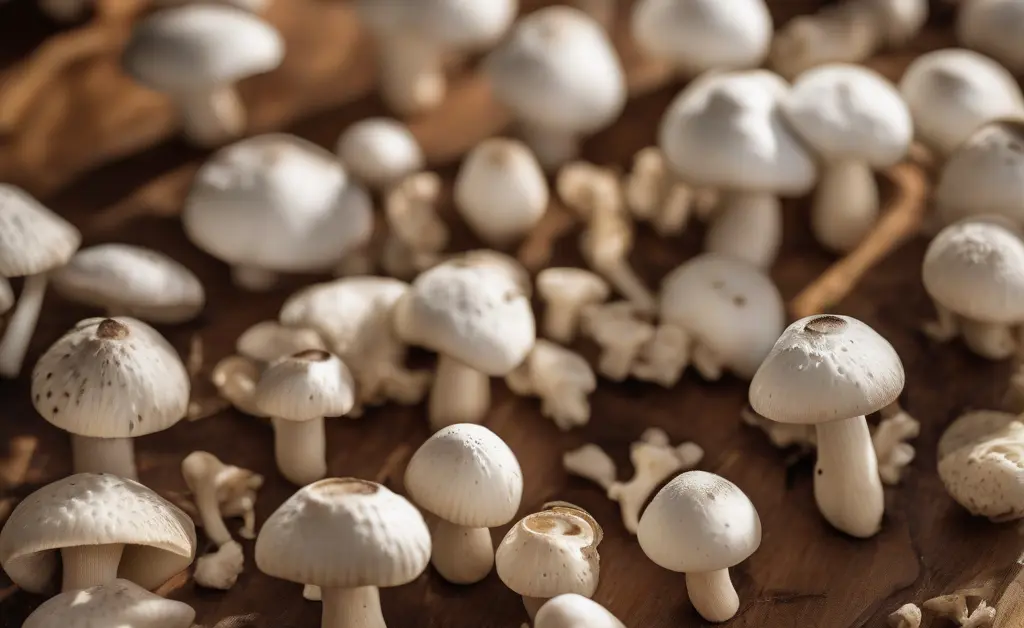
While often seen as a standalone type, understanding what is a button mushroom also involves recognizing its place within the broader mushroom family, especially in relation to its close relatives and other popular varieties.
The button mushroom is the youngest stage of Agaricus bisporus. As this fungus matures, it transforms into other commercially recognized varieties. The next stage of maturity is the cremini mushroom (also known as baby bella), which has a slightly darker, firmer cap and a more pronounced earthy flavor. If allowed to grow even further, the cremini expands into the large, flat-capped portobello mushroom. Portobellos have a significantly meatier texture and a richer, more intense flavor profile due to their greater maturity and exposure to air, which allows some of their moisture to evaporate. Therefore, when comparing a button mushroom to a cremini or portobello, one is essentially observing different life stages of the same species. While a button mushroom offers a delicate taste, creminis provide a deeper earthiness, and portobellos deliver a robust, almost steak-like quality.
In contrast to other species like shiitake mushrooms, the button mushroom offers a distinctly different culinary experience. Shiitake mushrooms (Lentinula edodes) have a more potent, woodsy, and savory flavor, often described as umami-rich, with a firmer, slightly fibrous texture, especially in their stems. Their unique flavor comes from compounds like lenthionine. Unlike the button mushroom’s widespread adaptability as a mild base, shiitakes are often chosen when a more assertive, distinct mushroom flavor is desired in Asian-inspired dishes or broths. This comparison further illustrates that what is a button mushroom in terms of flavor and texture sets it apart from other common edible fungi, making it unique in its own right despite its commonality. The classification of whether button mushrooms are vegetarian or non-vegetarian is often a point of discussion. button mushroom is veg or non veg
The button mushroom, far from being an ordinary filler, plays a crucial role in global cuisine due to its mild flavor, versatile texture, and widespread availability. Its journey from a small, unassuming ‘button’ to a culinary cornerstone showcases its adaptability and appeal in countless dishes. Whether served raw in salads, sautéed as a side, or incorporated into complex recipes, its subtle earthiness and satisfying texture consistently enhance meals. Understanding its identity, characteristics, and relation to other mushroom varieties reveals that what is a button mushroom is much more than just a simple ingredient; it is a fundamental and cherished component of culinary traditions worldwide. For those interested in learning more in different languages, there are resources available, such as button mushroom in Hindi. Research into edible fungi and their nutritional properties is ongoing, with studies available on platforms like PubMed.
This article aims to inform, not to replace professional healthcare advice. The information provided is for general knowledge and educational purposes only, and does not constitute medical advice. Always consult with a qualified healthcare professional before making any decisions about your health or diet. Individual results may vary, and the consumption of food items should always be done in moderation and with consideration for personal dietary needs and potential allergies.
FAQ
Are button mushrooms the same as white mushrooms?
Yes, button mushrooms are also known as white mushrooms, as well as common mushrooms. This name refers to their immature stage before the cap fully flattens out. They are a specific cultivated variety of the species *Agaricus bisporus*.
Are button mushrooms safe to eat?
Button mushrooms are widely cultivated and recognized as safe for consumption when properly prepared. They have been consumed for centuries and are a common staple in many cuisines worldwide.
Continue reading
You May Also Like
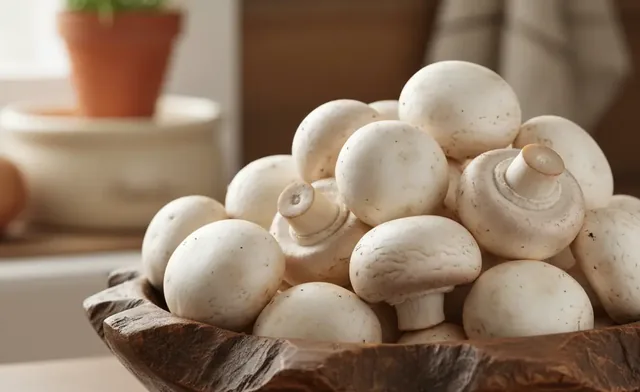
An Essential Guide to the Humble Button Mushroom
More than just a simple ingredient, the common button mushroom offers impressive nutritional benefits and is surprisingly easy to cultivate at home.
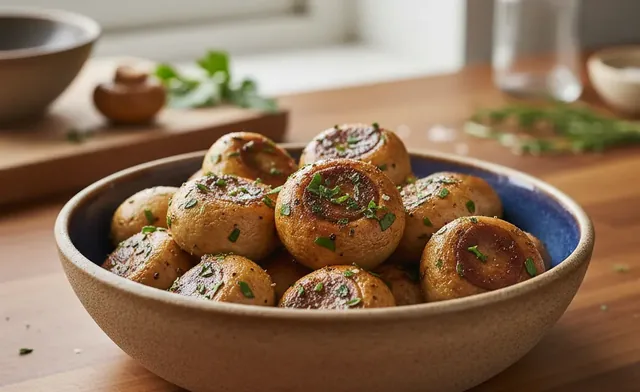
Perfect Air Fryer Button Mushrooms
Get perfectly roasted, tender-crisp mushrooms in just minutes with our healthy button mushroom air fryer recipe for a fast and easy side.
Recognizing and Managing a Button Mushroom Allergy
This guide helps identify button mushroom allergy symptoms and explains the steps for diagnosis, management, and prevention of future reactions.