
A Simple Guide to Making Wood Ear Mushroom Tea

Tired of searching for unique and beneficial beverages that go beyond the usual coffee and herbal infusions? Many health-conscious individuals often struggle to find recipes that are both easy to follow and incorporate ingredients with interesting wellness properties. If you’re looking to expand your repertoire beyond common teas and are curious about the potential benefits of less conventional natural ingredients, you’ve come to the right place. This guide aims to demystify the process of preparing wood ear mushroom tea, offering a straightforward approach to crafting this intriguing drink. Discover how to transform dried wood ear mushrooms into a nourishing and subtly flavored tea, perfect for a mindful moment in your day.
How to Prepare Wood Ear Mushrooms for Tea
Proper preparation is the cornerstone of a good wood ear mushroom tea. Because these mushrooms are almost always sold in a dried, shrunken state, they require rehydration before they can be used. This initial step is crucial for unlocking their texture and making them suitable for brewing. The process also includes thorough cleaning to remove any residual debris from the harvesting and drying process. Taking the time to prepare the mushrooms correctly ensures a clean, smooth, and pleasant-tasting tea. Proper preparation is the foundation of any good wood ear mushroom tea recipe.
Ingredients You’ll Need
To begin your tea-making journey, the list of ingredients is refreshingly simple. The primary components are the mushrooms themselves and water. You will need:
- Dried wood ear mushrooms
- Fresh, filtered water
Choosing high-quality dried mushrooms is important, as this will directly influence the final character of your tea. Look for whole, intact pieces that are dark and free of discoloration or signs of mold. These basic ingredients form the base of the tea, which you can later customize with other additions if you choose. These versatile ingredients are also excellent in a wood ear mushroom hot pot recipe, offering a different culinary experience.
Step-by-Step Brewing Instructions
- Rehydrating Dried Wood Ear Mushrooms: Place the dried mushrooms in a large bowl and cover them completely with ample warm water. Allow them to soak until they have fully expanded and become soft and pliable. This rehydration process can take some time, so patience is key.
- Cleaning Wood Ear Mushrooms: Once rehydrated, carefully inspect the mushrooms. They often have a small, tough part where they were attached to the wood, which should be trimmed off and discarded. Rinse the mushrooms thoroughly under cool, running water to wash away any grit or impurities that may be trapped in their folds.
- Simmering: Place the clean, rehydrated mushrooms in a pot with fresh water. Bring the water to a gentle boil, then reduce the heat to a low simmer. Allow the mushrooms to simmer slowly. This gentle cooking helps to extract the compounds from the mushrooms into the water, creating the tea.
- Straining and Serving: After simmering, carefully strain the liquid into a mug or teapot, separating the tea from the cooked mushroom pieces. The tea can be enjoyed warm. The leftover mushroom pieces can be discarded or used in various culinary dishes, such as stir-fries or soups. You can also explore specific dishes like a wood ear mushroom japchae recipe for a flavorful meal.
Best wood ear mushroom tea recipe
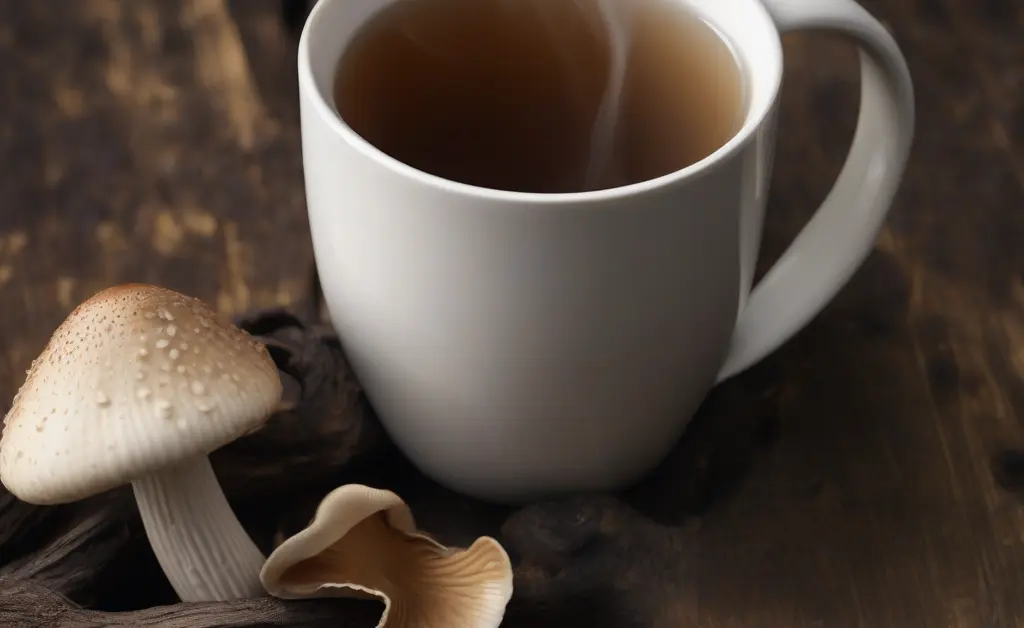
While variations abound, the classic approach to making this beverage is often considered the best starting point. This foundational method focuses purely on the mushroom itself, allowing its subtle, earthy flavor to be the star. The best wood ear mushroom tea recipe is one that honors the ingredient’s simplicity. After properly rehydrating and cleaning the mushrooms, they are simmered gently in water. This slow extraction method is preferred over a rapid boil, as it helps to create a smoother, more balanced flavor profile without introducing any bitterness. The resulting tea is a clear, light-to-dark brown liquid with a mild, woodsy aroma. For many, this unadulterated version is the perfect way to experience the unique qualities of wood ear mushrooms. If you’re interested in exploring other culinary uses for mushrooms, you might enjoy trying some shiitake mushroom recipes.
Variations and Additions
Once you are comfortable with the basic recipe, you can explore numerous variations and additions to customize the tea to your liking. These ingredients can complement the earthy flavor of the wood ear mushroom and may be associated with their own traditional wellness uses. For more comprehensive information on health and wellness, authoritative sources like the NIH can provide valuable insights.
- Ginger: Adding a few fresh slices of ginger to the simmering pot can impart a warm, spicy note that beautifully contrasts the mushroom’s mildness.
- Red Dates: Commonly paired with wood ear mushrooms in traditional preparations, red dates (also known as jujubes) add a natural, gentle sweetness and a reddish hue to the tea.
- Goji Berries: A small handful of goji berries can be added during the last few minutes of simmering. They contribute a slight tartness and a boost of color.
- Cinnamon or Honey: For a more comforting and familiar flavor, a stick of cinnamon can be simmered with the mushrooms. A drizzle of honey can be added to the finished tea before serving for sweetness.
Tips for Making Wood Ear Mushroom Tea
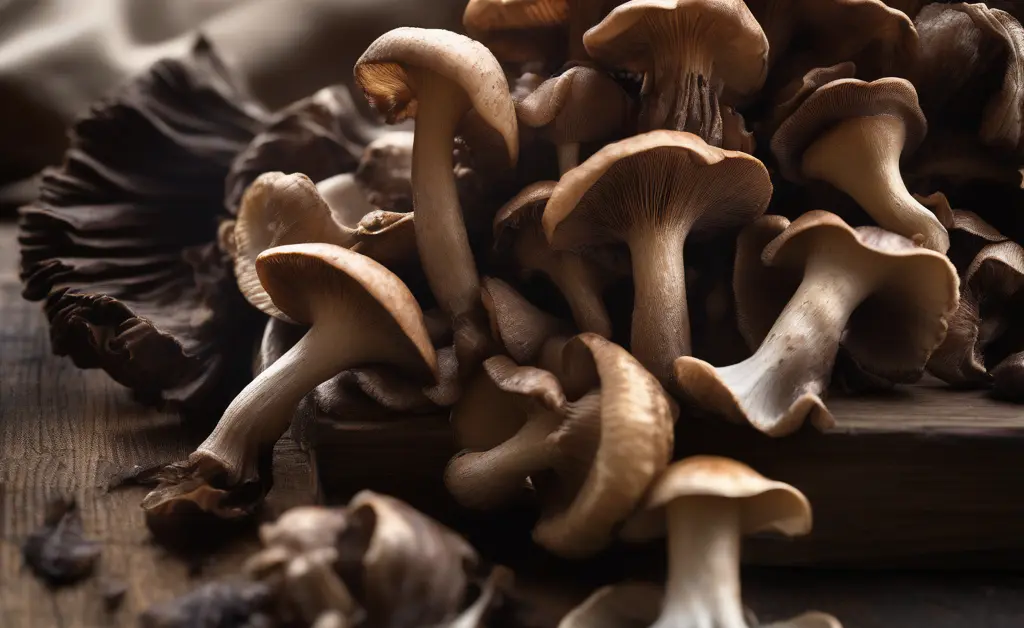
To ensure your brewing experience is successful and enjoyable, keep a few tips in mind. First, source the best quality dried wood ear mushrooms you can find. Look for products that are well-packaged and free from excessive dust or broken pieces. The quality of your primary ingredient will have the most significant impact on the final product. Additionally, do not rush the rehydration process; allowing the mushrooms to expand fully is essential for both texture and proper cleaning. These small details will help you perfect your wood ear mushroom tea recipe and achieve a consistent result every time. For those looking to prepare different dishes, a refreshing wood ear mushroom salad recipe can also be a delightful way to enjoy these ingredients.
When it comes to storage, keep your unused dried mushrooms in an airtight container in a cool, dark, and dry place to maintain their shelf life. Once brewed, the tea is best consumed fresh but can be stored in the refrigerator for a short period. If you encounter any issues, such as a tea that tastes too weak, you can try increasing the ratio of mushrooms to water or simmering for a longer duration. If the flavor seems off, ensure you have thoroughly cleaned the mushrooms, as residual grit can affect the taste. Experimenting with these variables will help you find the perfect balance for your palate.
In conclusion, preparing wood ear mushroom tea is a simple and rewarding process that opens the door to a unique and nourishing beverage. By starting with quality dried mushrooms and following the basic steps of rehydration, cleaning, and simmering, anyone can craft this earthy drink at home. The flexibility to add other ingredients like ginger or red dates allows for endless customization, making it easy to create a version that suits your personal taste. This guide provides a solid foundation for you to explore the subtle, interesting world of mushroom-based teas.
Readers should understand that this article does not offer medical diagnosis or treatment. The information provided is for educational and informational purposes only and should not be considered a substitute for professional medical advice, diagnosis, or treatment. Always consult with a qualified healthcare provider regarding any health concerns or before making any decisions related to your health or wellness. The potential properties of ingredients mentioned have not been evaluated by the Food and Drug Administration.
FAQ
How do you prepare dried wood ear mushrooms for tea?
To prepare dried wood ear mushrooms, you will first need to rehydrate them by soaking them in warm water until they are pliable. Once rehydrated, they can be rinsed thoroughly before being used in your desired preparation.
What are the health benefits of wood ear mushroom tea?
Wood ear mushrooms have been studied for their potential to support immune function and cardiovascular health. They contain beneficial compounds that are thought to contribute to these effects.
How long do you boil wood ear mushrooms for tea?
Boiling time for wood ear mushrooms can vary depending on the desired extraction. Generally, simmering them for an extended period allows for the release of their beneficial compounds into the liquid.
Can you drink wood ear mushroom tea every day?
Consuming wood ear mushroom tea daily is a personal choice and depends on individual tolerance and desired effects. Many people incorporate it into their wellness routines regularly.
Continue reading
You May Also Like

A Simple Recipe for a Classic Wood Ear Mushroom Stir Fry
Get a simple and authentic wood ear mushroom chinese recipe for a quick stir fry that you can easily prepare at home with our clear steps.

Simple & Delicious Wood Ear Mushroom Fried Rice
Our simple wood ear mushroom fried rice recipe shows you how to properly cook this unique ingredient for a delicious and completely safe meal.

A Complete Guide to Making Wood Ear Japchae
Create an authentic and flavorful wood ear mushroom japchae recipe using our clear, step-by-step instructions and expert tips for success.