
How to Tell Wood Ear and Oyster Mushrooms Apart
For home cooks and wellness enthusiasts alike, understanding the unique characteristics of different fungi can elevate dishes and enhance health benefits. Imagine reaching for a mushroom that offers a subtly savory flavor and a delightfully chewy texture, perfect for adding depth to stir-fries and soups. Now consider another, known for its delicate, slightly sweet taste and tender, almost velvety feel, ideal for sautéing or grilling. While both are fungi found in kitchens and celebrated for their culinary and health potential, knowing which one you’re handling is crucial for achieving the desired results. This guide will help you navigate the subtle yet significant differences between the wood ear mushroom vs oyster mushroom, ensuring you select and prepare them with confidence.
Wood Ear Mushroom vs Oyster Mushroom: Key Distinctions Overview
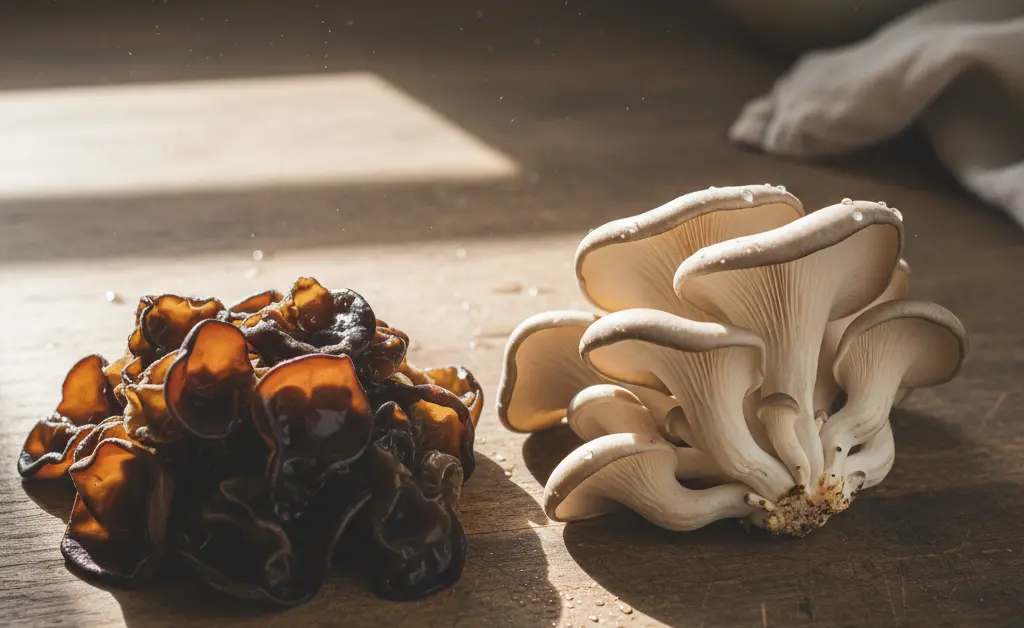
At a glance, wood ear and oyster mushrooms present a study in contrasts. The primary differences lie in their appearance, texture, and flavor, which in turn dictate their best culinary applications. Wood ear mushrooms are recognized for their dark, translucent, and distinctively ear-like shape. Their defining quality is a unique, gelatinous and crunchy texture, while their flavor is extremely mild. In contrast, oyster mushrooms grow in shelf-like clusters, featuring a fan-shaped cap with a soft, velvety texture and a delicate, savory flavor. Understanding these core distinctions is the first step in mastering their use in the kitchen.
Visual and Physical Attributes: Wood Ear vs. Oyster
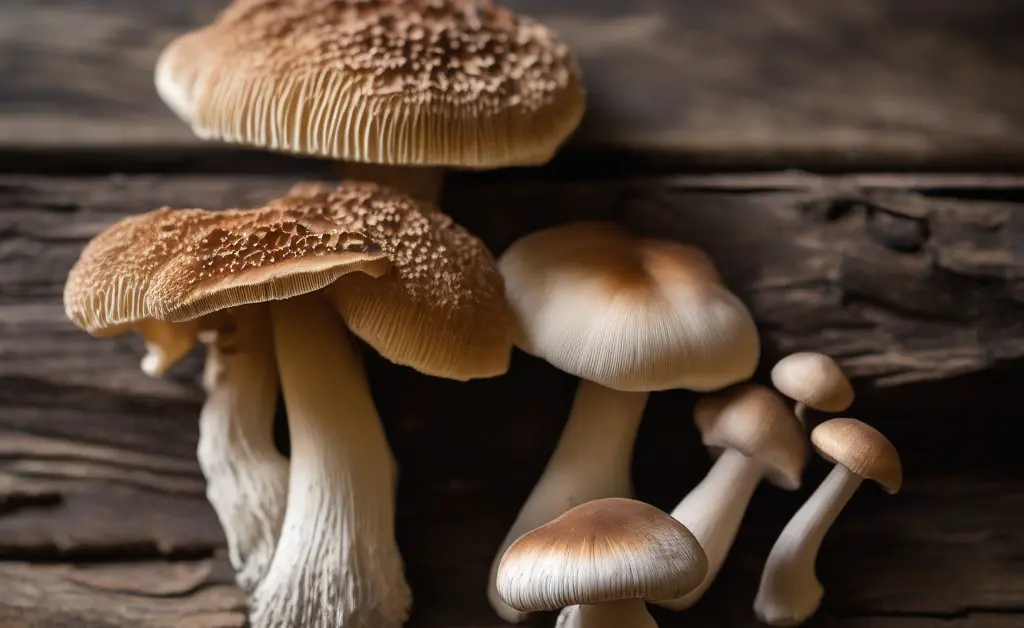
The most immediate way to differentiate these two fungi is through simple observation. Wood ear mushrooms, also known as cloud ear mushrooms, are typically dark brown to black. They have a uniquely convoluted, cup-like shape that strongly resembles a human ear, which is how they got their name. Their surface is smooth and rubbery when fresh or rehydrated. The differences between wood ear mushroom vs black fungus are also noteworthy. Oyster mushrooms, on the other hand, boast a more classic cap-and-stem structure, although the stem is often short or absent. Their caps are fan- or oyster-shaped, growing in overlapping clusters. Their color can vary widely from pale grey and white to pink or even yellow. The underside of an oyster mushroom cap features prominent gills that run down the stem, a feature completely absent in wood ear mushrooms. Examining the core differences in the visual and physical battle of the wood ear mushroom vs oyster mushroom makes identification straightforward.
Flavor Profile and Aroma: Wood Ear vs. Oyster
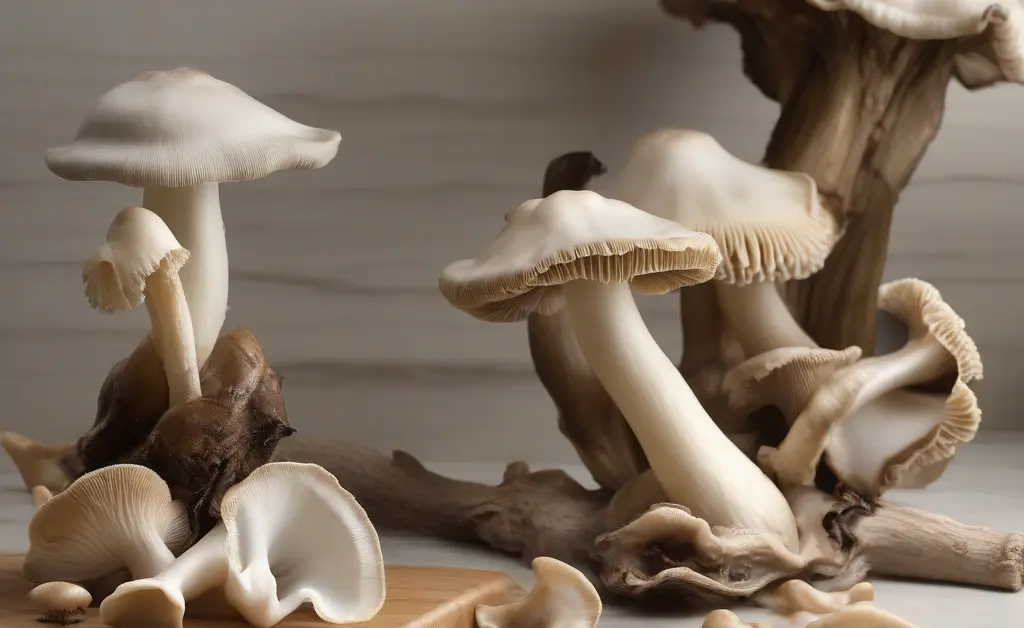
The sensory experience of wood ear and oyster mushrooms could not be more different. Wood ear mushrooms are prized almost exclusively for their texture rather than their taste. They have a very neutral, almost bland flavor profile that allows them to act like a sponge, readily absorbing the sauces, broths, and seasonings of the dish they are cooked in. Their aroma is similarly subtle, often described as earthy but faint. For those exploring various fungi, understanding the distinction between wood ear mushroom vs shiitake is also beneficial for culinary applications. Conversely, oyster mushrooms contribute their own distinct flavor to a meal. They are known for their delicate, savory taste with subtle sweet notes, sometimes compared to seafood or having a hint of anise. When cooked, they release a pleasant, mild aroma that enhances the overall dish without overpowering it.
Wood ear mushroom vs oyster mushroom taste
When comparing the taste directly, the contrast becomes even clearer. The primary role of the wood ear mushroom in a recipe is to provide a delightful textural contrast—a firm, slightly crunchy, and gelatinous bite. It does not impart significant flavor of its own, making it a versatile addition to bold-tasting dishes like hot and sour soup or Szechuan stir-fries where it can soak up the complex flavors. Oyster mushrooms, however, are chosen for their flavor contribution. Their mild, savory taste and tender, meaty texture make them a star ingredient. They are excellent when simply sautéed with garlic and herbs, grilled, or added to pasta sauces and risottos where their delicate flavor can be appreciated.
Nutritional Comparison: Wood Ear vs. Oyster Mushrooms
Both wood ear and oyster mushrooms are valued for their nutritional content and are considered healthy additions to a balanced diet. Generally, both types of mushrooms are low in calories and fat while providing a source of dietary fiber, vitamins, and minerals. Wood ear mushrooms have been noted in traditional wellness practices for their potential to support circulation and overall vitality. They contain various antioxidants and polysaccharides that are the subject of ongoing research. For comprehensive health information, resources from the CDC can be a valuable guide. Oyster mushrooms are also nutritionally valuable, offering a good source of B vitamins and minerals like potassium. They contain unique compounds, including certain antioxidants, that are studied for their potential health-supporting properties. When considering the wood ear mushroom vs oyster mushroom from a nutritional standpoint, both offer beneficial components, making them excellent choices for health-conscious cooking.
Wood ear mushroom vs oyster mushroom edible
Both wood ear and oyster mushrooms are fully edible and celebrated in cuisines around the world, but they require proper preparation. It is not common to consume either of these mushrooms raw. Wood ear mushrooms are most often sold dried and must be rehydrated in warm water before use. This process plumps them up and restores their characteristic springy texture. Once rehydrated, they cook very quickly and are typically added toward the end of the cooking process in stir-fries and soups. Oyster mushrooms are usually sold fresh. They should be cleaned gently with a damp cloth or soft brush rather than soaked in water, as they can become waterlogged. Cooking them, whether by sautéing, roasting, or grilling, enhances their delicate flavor and tenderizes their texture, making them a delicious and versatile ingredient.
In conclusion, while both are fantastic fungi, wood ear and oyster mushrooms serve very different purposes in the culinary world. Wood ear mushrooms are the champions of texture, adding a unique, springy-crunchy element to dishes while absorbing surrounding flavors. Oyster mushrooms are all about delicate flavor and a tender, meaty consistency, making them a standout ingredient in their own right. By understanding their distinct visual, textural, and flavor profiles, you can confidently choose the right mushroom to bring your culinary creations to life, whether you’re seeking a textural boost for a vibrant stir-fry or a subtle, savory note for a creamy pasta dish.
The information in this article is intended for knowledge purposes only. It is not a substitute for professional medical advice, diagnosis, or treatment. Always seek the advice of your physician or another qualified health provider with any questions you may have regarding a medical condition. Never disregard professional medical advice or delay in seeking it because of something you have read here.
FAQ
What is the main difference between wood ear and oyster mushrooms?
Wood ear mushrooms, also known scientifically as Auricularia auricula-judae, are gelatinous and often have a slightly wavy, ear-like shape. Oyster mushrooms, belonging to the Pleurotus genus, are typically fan-shaped or oyster-shaped with distinct gills underneath the cap.
Do wood ear mushrooms taste similar to oyster mushrooms?
Wood ear mushrooms possess a very mild, earthy flavor that is often described as subtle and neutral. Oyster mushrooms generally have a more pronounced, savory, and sometimes slightly peppery taste.
How do the textures of wood ear and oyster mushrooms compare?
When cooked, wood ear mushrooms offer a uniquely chewy and slightly crunchy texture due to their gelatinous composition. Oyster mushrooms are typically tender and have a smoother, more yielding texture.
Can you use oyster mushrooms instead of wood ear in recipes?
While both are edible fungi, substituting oyster mushrooms for wood ear mushrooms may alter the final texture and flavor profile of a dish significantly. Their distinct textural and taste characteristics mean they are not always interchangeable.
What are the health benefits of wood ear vs. oyster mushrooms?
Both types of mushrooms have been studied for their nutritional content and potential health-promoting compounds. Wood ear mushrooms are known for their fiber content and have been investigated for their potential role in cardiovascular health. Oyster mushrooms are also a good source of nutrients and are recognized for compounds that may support immune function.
What dishes are best suited for wood ear mushrooms compared to oyster mushrooms?
Wood ear mushrooms are frequently used in East Asian cuisine, adding a textural element to stir-fries, soups, and cold salads. Oyster mushrooms are more versatile and can be sautéed, grilled, or added to pasta dishes and stews, where their savory flavor is a key component.
How do I identify wood ear mushrooms versus oyster mushrooms?
Wood ear mushrooms typically grow on decaying wood and have a dark brown to black color with a translucent, gelatinous appearance and an irregular, ear-like shape lacking prominent gills. Oyster mushrooms usually grow in clusters, are lighter in color (white, grey, or pink), and have distinct, often decurrent gills running down the stem.
Continue reading
You May Also Like
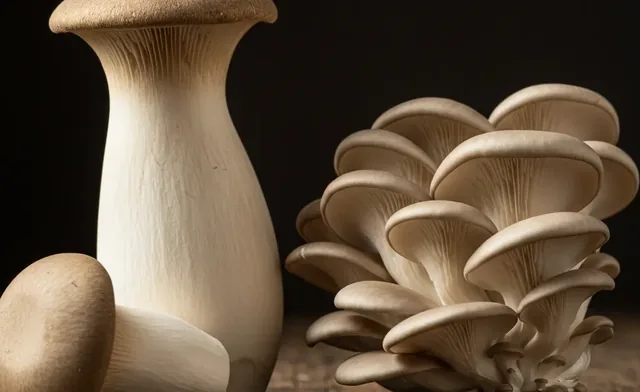
King Oyster vs. Oyster Mushrooms: What Sets Them Apart?
Comparing king oyster mushroom vs oyster mushroom reveals significant distinctions in their appearance, texture, flavor, and nutritional benefits for…
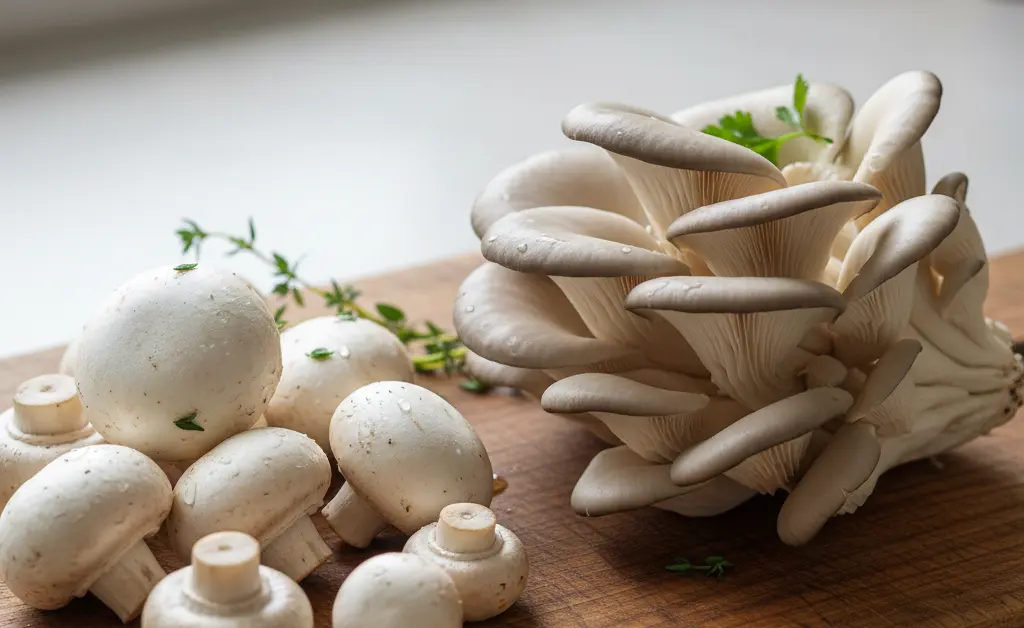
Button or Oyster: Which Mushroom Is Best for Your Dish?
Deciding between button mushroom vs oyster mushroom involves weighing their unique flavor profiles, nutritional benefits, and distinct culinary uses.
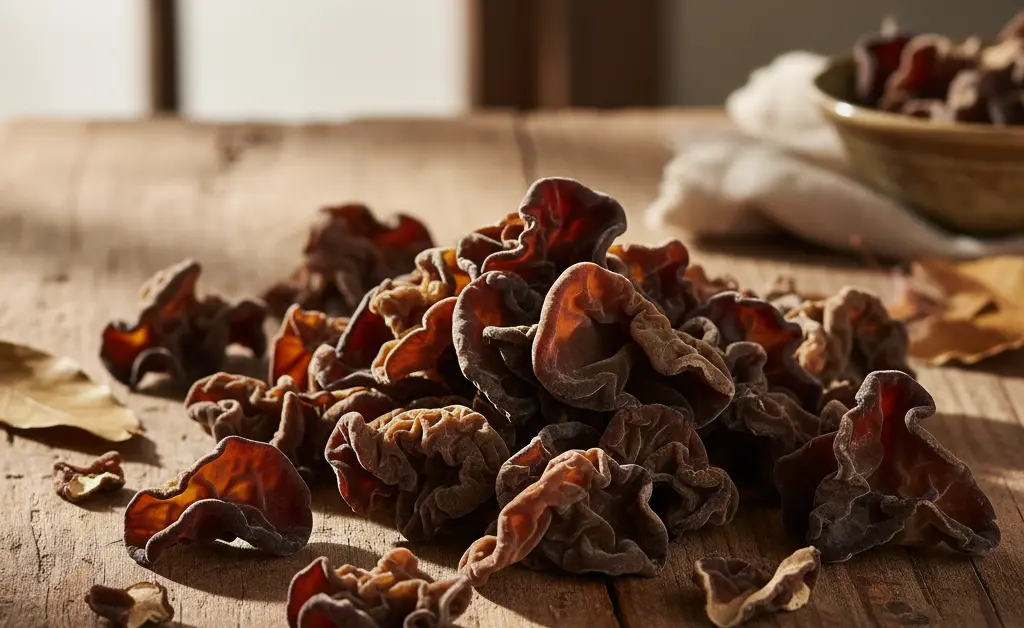
Unlock the Flavor of Dried Wood Ear Mushrooms
Sourced for their superior quality and snappy texture, you can buy dried wood ear mushrooms to add an authentic, crisp bite to your dishes.