
Button or Oyster: Which Mushroom Is Best for Your Dish?
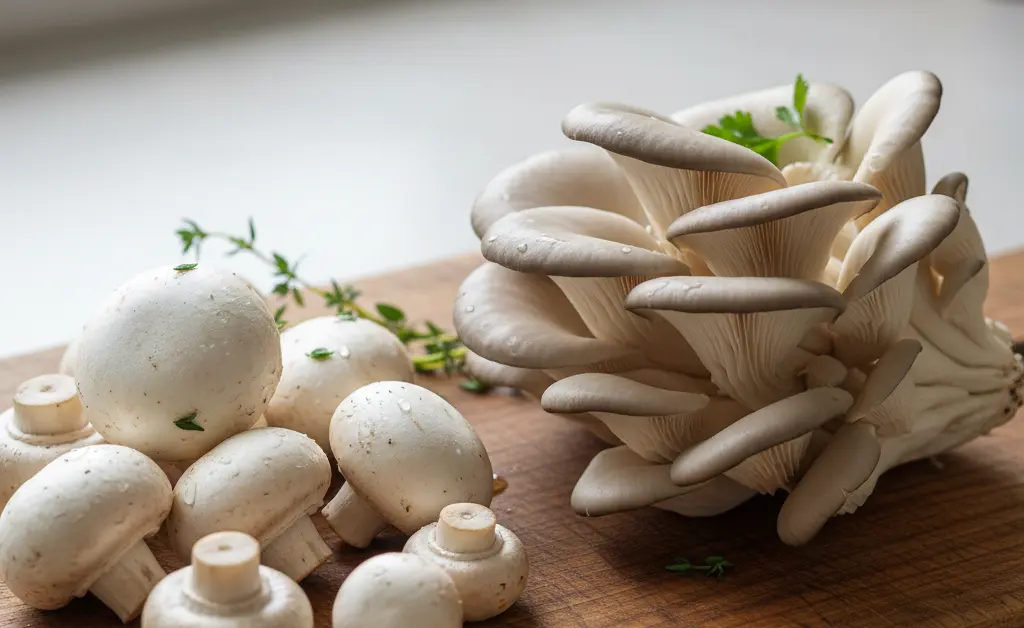
Imagine standing in the produce aisle, staring at the array of fresh mushrooms. You’re planning dinner, maybe a stir-fry, a rich pasta sauce, or a hearty soup. You spot the familiar white caps of button mushrooms and the elegant, fan-shaped clusters of oyster mushrooms. A common dilemma arises: which one will best complement your dish? Both are popular, versatile fungi, but they offer distinct characteristics in terms of flavor, texture, and culinary application. Understanding these differences is key to elevating your cooking. This guide will explore the nuances of button mushroom vs oyster mushroom to help you make informed choices, ensuring your meals are as delicious as they are satisfying.
Key Differences Between Button and Oyster Mushrooms
Delving into the fundamental distinctions between these two popular fungi is the first step in understanding their unique roles in the kitchen. While both are widely available, their origins, growth patterns, and inherent characteristics set them apart. This exploration of the core differences highlights why the choice between button mushroom vs oyster mushroom can significantly impact a dish’s final outcome.
Characteristics of Button Mushrooms
Button mushrooms are perhaps the most ubiquitous variety found in grocery stores. They are part of the Agaricus bisporus family, which also includes cremini (or baby bella) and portobello mushrooms. Common varieties span from the small, white “button” stage to larger, more mature forms. They are cultivated globally and are known for their accessibility and mild, earthy flavor. Their firm texture makes them incredibly versatile, suitable for a wide array of cooking methods and cuisines. For more on button mushrooms, see button mushroom.
Characteristics of Oyster Mushrooms
Oyster mushrooms, scientifically known as Pleurotus ostreatus, derive their name from their oyster-shell like appearance. They grow in fan-shaped clusters on trees in the wild, but are also widely cultivated. Common varieties include pearl, blue, and king oyster mushrooms, each offering subtle variations in color, size, and texture. These mushrooms are appreciated for their delicate texture and a more pronounced, often savory, flavor profile compared to their button counterparts.
Appearance (Shape, Color, Texture)
The visual differences between button and oyster mushrooms are quite striking. Button mushrooms typically have a round cap and a short, sturdy stem, often white or light brown (as cremini). Their texture is generally firm and somewhat dense. Oyster mushrooms, on the other hand, feature a distinct fan or oyster-shell shape, with caps that can range in color from white to grey, blue, or even pink, depending on the variety. They usually have a very short or absent stem and a delicate, often slightly wavy, texture, especially around the edges of the cap.
Culinary Uses and Flavor Profiles
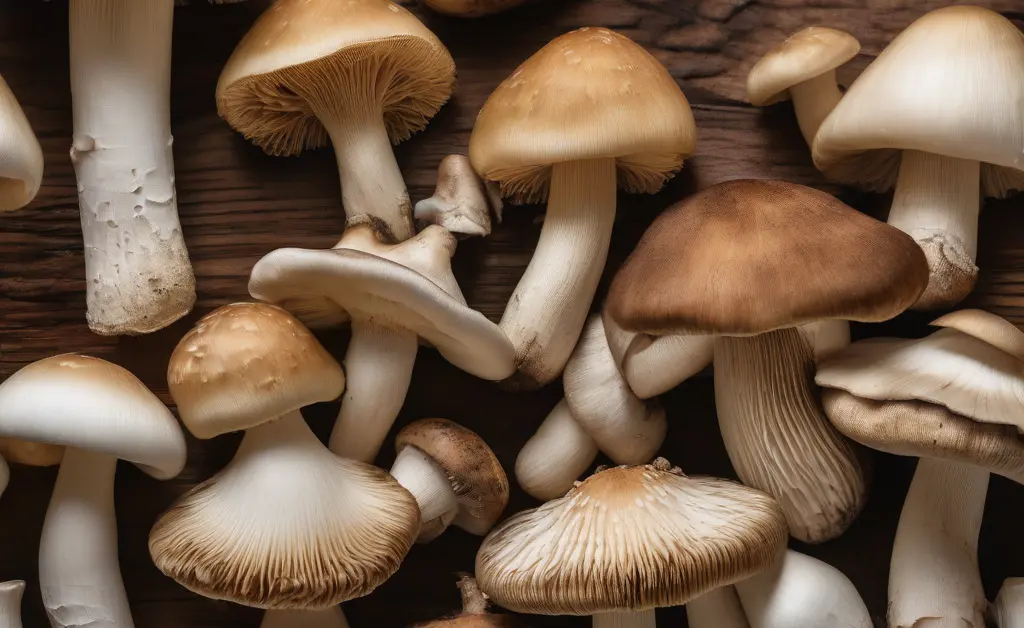
The choice between button mushroom vs oyster mushroom often comes down to how their distinct culinary properties will enhance a dish. Their textures, flavor intensities, and how they perform under various cooking methods are key considerations for any cook. Each mushroom brings its own unique character to the plate, influencing not just taste but also the overall dining experience.
Texture (Cooked and Raw)
When raw, button mushrooms are crunchy and relatively firm, making them a popular addition to salads. Once cooked, they retain a pleasant chewiness and absorb flavors well, becoming tender but not overly soft. Oyster mushrooms, in their raw state, are more delicate and slightly rubbery. Upon cooking, they soften significantly and can develop a tender, almost velvety texture. King oyster mushrooms, however, possess a much firmer stem that remains satisfyingly meaty even after cooking, often used as a substitute for seafood or meat.
Flavor Intensity
Button mushrooms are known for their mild, earthy, and sometimes subtly nutty flavor. This understated profile makes them an excellent canvas for other ingredients, allowing them to blend seamlessly into many dishes without overpowering them. Oyster mushrooms offer a more complex and often more intense flavor. Depending on the variety, they can have notes ranging from slightly sweet and anise-like to a more robust, savory, and umami-rich profile. Blue oysters, for instance, might have a faint seafood-like aroma, contributing a unique depth to meals.
Flavor Comparison in Dishes
In a rich pasta sauce or a creamy soup, button mushrooms will contribute a foundational earthy note, enhancing the overall savory profile without dominating. They meld into the dish, adding body and a pleasant chew. Oyster mushrooms, with their more distinctive flavor, tend to stand out more. In a stir-fry or a sauté, they can become a focal point, offering a umami punch that can elevate simpler ingredients. Their delicate structure means they cook relatively quickly and can infuse their unique taste into the surrounding components. Comparing these to cremini mushrooms is also insightful, as button mushroom vs cremini mushrooms share some similarities but also possess distinct qualities.
Using Button Mushrooms in Recipes
Button mushrooms are incredibly versatile. They are a staple in classic dishes such as beef bourguignon, mushroom omelets, and sautéed side dishes. Their ability to absorb flavors makes them ideal for marinades and sauces. They can be sliced raw into salads, grilled on skewers, or finely chopped and added to stuffings and meatballs. Common uses also include topping pizzas, blending into creamy soups, or simply pan-fried with garlic and herbs as a simple accompaniment. When considering other popular varieties, it’s useful to explore the differences between button mushroom vs shiitake mushrooms. The similarities and differences between button mushrooms and portobello mushrooms are also worth noting for home cooks. Explore the comparison of button mushroom vs portobello mushrooms to further understand their distinct culinary roles.
Using Oyster Mushrooms in Recipes
Oyster mushrooms shine in dishes where their unique texture and flavor can be highlighted. They are fantastic in Asian cuisine, frequently found in stir-fries, noodle dishes, and hot pots. Their delicate texture also makes them suitable for quick sautés, adding a savory depth to vegetable medleys. King oyster mushrooms, in particular, are often sliced and pan-seared or grilled, developing a satisfyingly meaty texture that can stand in for scallops or chicken in vegetarian preparations. They also work well in light broths or gently roasted to preserve their nuanced flavor.
Nutritional Comparison
When considering health and dietary benefits, examining the nutritional aspects of button mushroom vs oyster mushroom reveals that both are beneficial additions to a balanced diet. While they share many common nutritional attributes, there can be subtle differences in their micronutrient profiles, making each a valuable choice for distinct reasons. Neither is definitively “healthier” than the other, but both offer a range of positive contributions. For general health advice, consult resources such as the NHS.
Both types of mushrooms are generally low in calories and provide dietary fiber, which is important for digestive health. They also contain various vitamins and minerals. For instance, both are sources of certain B vitamins, such as riboflavin, niacin, and pantothenic acid, which play roles in energy metabolism. They also offer minerals like potassium and phosphorus. Oyster mushrooms are sometimes noted for their slightly higher protein content compared to button mushrooms, but this can vary. Additionally, both may contain antioxidants and other beneficial compounds that contribute to overall wellness. The specific nutritional content can also be influenced by the growing conditions and preparation methods.
Growing and Cultivation
The cultivation practices for button and oyster mushrooms differ significantly, reflecting their natural growth habits and origins. Understanding these differences can offer insight into their availability, cost, and even their subtle flavor variations, as growing conditions can influence their development.
Button mushrooms (Agaricus bisporus) are typically cultivated on a substrate of composted agricultural waste, such as straw, hay, and manure. This controlled environment allows for large-scale production in dark, humid conditions. They are one of the most widely cultivated mushrooms globally due to their relatively straightforward growth cycle and high yield, making them consistently available year-round. Their origin is generally attributed to Europe and North America.
Oyster mushrooms (Pleurotus ostreatus) are known for their ability to grow on a variety of lignocellulosic materials, such as straw, wood chips, and even coffee grounds. In the wild, they grow on decaying hardwood trees. Their cultivation often involves inoculated bags or logs in controlled environments with specific temperature and humidity levels. Oyster mushrooms are generally considered easier to cultivate for hobbyists due to their less demanding substrate requirements compared to button mushrooms. They are native to temperate and subtropical regions around the world, explaining their diverse varieties and growth habits.
Which Mushroom is Right for You?
Deciding between button mushroom vs oyster mushroom ultimately depends on your specific culinary goals, taste preferences, and even practical considerations. There isn’t a single “best” mushroom; rather, it’s about choosing the one that best complements your dish and personal palate.
When considering taste preferences, if you prefer a subtle, earthy flavor that blends seamlessly into a dish, button mushrooms are often the ideal choice. Their mildness makes them a versatile foundation. If you desire a more pronounced, savory, and sometimes unique umami flavor that can stand out, oyster mushrooms, with their varied profiles, might be more appealing. Thinking about culinary applications is also key. For robust stews, classic casseroles, or dishes where the mushroom is a background element, button mushrooms perform exceptionally well. For stir-fries, quick sautés, or dishes where the mushroom is meant to be a star with a distinct texture and flavor, oyster mushrooms often shine. Finally, ease of sourcing is a practical consideration. Button mushrooms are almost universally available, while certain exotic varieties of oyster mushrooms might be found in specialty stores or farmers’ markets. Some people even enjoy cultivating oyster mushrooms at home due to their relative ease of growth on various substrates.
In conclusion, both button and oyster mushrooms offer distinct advantages in the kitchen. Button mushrooms provide a familiar, mild earthiness and a satisfying texture that can enhance a wide range of dishes. Oyster mushrooms, on the other hand, bring a more complex flavor profile and often a more delicate or uniquely meaty texture, making them excellent for highlighting in specific culinary creations. Understanding their individual characteristics empowers you to make informed choices, ensuring your cooking is both adventurous and consistently delicious.
This information is provided for educational purposes only. It is not intended to be a substitute for professional medical advice, diagnosis, or treatment. Always seek the advice of a qualified healthcare provider for any questions regarding a medical condition or health objectives. Reliance on any information provided in this article is solely at your own risk.
FAQ
What is the taste difference between button and oyster mushrooms?
Button mushrooms offer a mild, earthy flavor that is quite versatile in cooking. Oyster mushrooms present a more delicate, subtly sweet taste with a hint of anise or licorice.
Can I substitute oyster mushrooms for button mushrooms in a recipe?
Generally, oyster mushrooms can be substituted for button mushrooms, though the flavor profile will change. Their milder texture might also require adjusted cooking times to achieve desired tenderness.
How do you cook button mushrooms vs oyster mushrooms?
Button mushrooms are often sautéed until browned, roasted, or added to sauces and stews where their earthy notes deepen with heat. Oyster mushrooms cook more quickly and are excellent when quickly seared to maintain their delicate texture and subtle sweetness.
Continue reading
You May Also Like
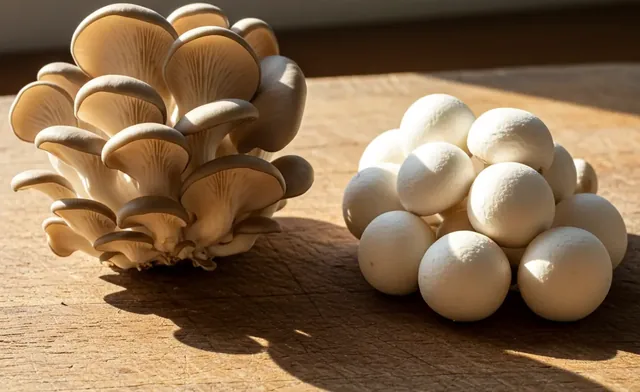
Oyster vs Button Mushrooms: Unpacking Their Distinct Differences
Gain expert insights into the distinct characteristics of oyster mushroom vs button mushroom, examining their differences in taste, texture, and…
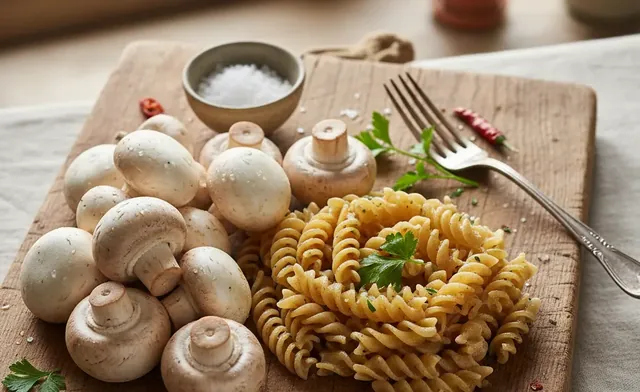
Perfecting Your Button Mushroom Pasta Dish
Get simple tips for choosing and preparing your button mushroom for pasta, ensuring they're perfectly cooked and full of flavor every time.
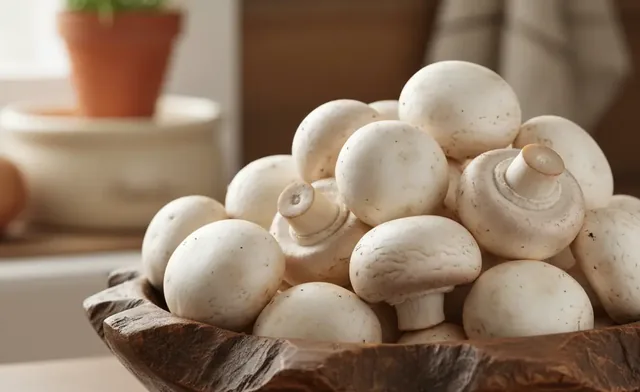
An Essential Guide to the Humble Button Mushroom
More than just a simple ingredient, the common button mushroom offers impressive nutritional benefits and is surprisingly easy to cultivate at home.