
Button vs. Portobello: Choosing the Right Mushroom
As more individuals embrace plant-based eating and explore diverse culinary options, mushrooms have become a staple ingredient in kitchens worldwide. Their versatility, earthy flavors, and nutritional benefits make them highly sought after for a variety of dishes, from weeknight dinners to gourmet meals. Among the most popular choices are the humble button mushroom and its larger, more robust relative, the portobello. While both are fungi from the Agaricus bisporus species, they offer distinct characteristics that can significantly influence a dish’s outcome. Understanding the nuances between button mushroom vs portobello is essential for home cooks and professional chefs alike to make informed decisions that enhance flavor, texture, and overall culinary experience. This guide explores their differences, uses, and nutritional values.
Button Mushroom vs Portobello: Key Differences
Understanding the distinction between button mushroom vs portobello begins with recognizing their shared biological origin. Both are different maturity stages of the same fungal species, Agaricus bisporus. However, their stage of growth dictates many of their key characteristics, from their physical appearance to their culinary suitability.
Defining Button Mushrooms
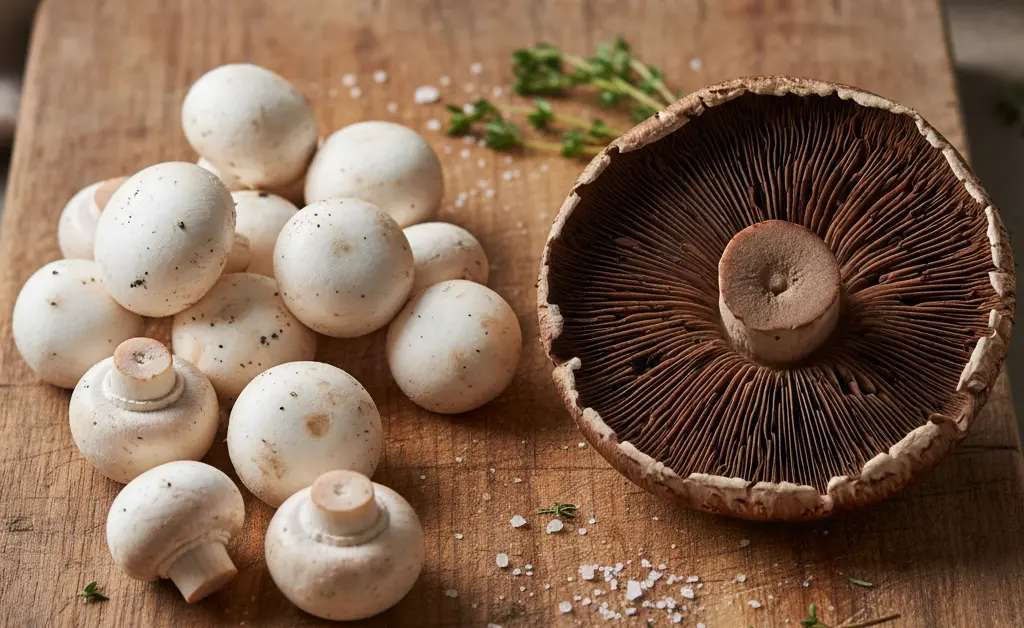
Button mushrooms represent the youngest stage of the Agaricus bisporus species. They are typically harvested when their caps are tightly closed around the stem. Known for their classic white color, smooth texture, and relatively small size, they are perhaps the most ubiquitous mushroom found in grocery stores globally. Their mild flavor profile makes them incredibly versatile in a wide array of dishes.
Defining Portobello Mushrooms
In contrast, portobello mushrooms are the fully mature stage of the same Agaricus bisporus species. Allowed to grow much larger than their younger counterparts, their caps expand significantly, often flattening out and revealing dark, prominent gills underneath. Their color deepens to a rich brown, and their texture becomes more substantial and meaty. This extended growth period allows them to develop a more intense flavor and aroma.
Maturity Stage
The primary difference between a button mushroom and a portobello lies in their maturity. The button mushroom is the juvenile form. As it grows, it transforms into what is often marketed as a cremini or baby bella mushroom, which has a slightly darker cap and firmer texture than the white button. If a cremini is left to mature further, its cap will fully open, its gills will darken, and it will become a portobello. This lifecycle illustrates that what appear to be distinct varieties are, in fact, stages of development within a single species. For more on this, you can explore cremini mushroom vs chestnut mushroom and cremini mushroom vs white mushroom.
Appearance and Texture
The visual and tactile differences are quite pronounced. Button mushrooms are small, typically ranging from about half an inch to an inch and a half in diameter, with bright white caps and a firm, slightly spongy texture. Their gills are usually light-colored and hidden. Portobello mushrooms, on the other hand, boast large, flat caps that can span several inches across, sometimes up to six inches or more. Their color is a deep brown, and their exposed, dark brown or black gills are a defining feature. The flesh of a portobello is considerably denser and more fibrous, offering a “meatier” bite compared to the delicate button mushroom.
Culinary Uses and Flavor Profiles
The culinary applications for button mushroom vs portobello vary significantly due to their distinct flavors, textures, and sizes. Understanding these differences is crucial for selecting the right mushroom to achieve the desired outcome in a dish.
Taste and Aroma
Button mushrooms possess a delicate, earthy flavor that is quite mild. Their aroma is subtle and fresh, making them suitable for dishes where they shouldn’t overpower other ingredients. Portobello mushrooms, by contrast, offer a much more robust and intense flavor. Their prolonged growth allows for the development of deeper umami notes, often described as rich, meaty, and savory. Their aroma is also more pronounced, reflecting their mature and earthy character.
Button Mushroom Applications
Given their mild taste and tender texture, button mushrooms are incredibly versatile. They are frequently used raw in salads, adding a gentle crunch and earthy note without overwhelming other fresh components. When cooked, they blend seamlessly into sauces, stir-fries, omelets, and soups, absorbing the flavors of accompanying ingredients. They are excellent in light sautés, as toppings for pizzas, or finely diced and incorporated into stuffings where a subtle mushroom presence is desired. Their small size makes them convenient for quick preparation and even cooking.
Portobello Mushroom Applications
The substantial size and meaty texture of portobello mushrooms make them ideal for dishes where they can act as a centerpiece. They are a popular choice for grilling or roasting, often marinated first to enhance their savory profile. Their large caps are perfect for stuffing with grains, vegetables, or cheeses, serving as a hearty vegetarian main course. Portobellos are also frequently used as a substitute for meat in vegetarian burgers and sandwiches due to their satisfying chewiness and rich umami flavor. Sliced and sautéed, they can add significant depth to pasta dishes or stews. The dense texture of the portobello makes it a great meat alternative. For other mushroom comparisons, consider enoki mushroom vs shiitake.
Comparing Flavor Notes
While both mushrooms share an underlying earthy quality, the button mushroom offers a more “clean” and less assertive taste, making it a good choice for lighter preparations or when other flavors are meant to shine. The portobello, with its concentrated flavor and dense texture, provides a more dominant and satisfying experience. When choosing between button mushroom vs portobello, consider whether you want a subtle background note or a bold, central flavor in your culinary creation. The difference in their flavor notes allows them to excel in entirely different gastronomic roles.
Nutritional Comparison
Beyond their culinary versatility, examining the nutritional aspects of button mushroom vs portobello reveals similar yet distinct health contributions. Both offer a range of beneficial compounds, making them valuable additions to a balanced eating plan.
Mushrooms generally are known for being low in calories while providing a good source of dietary fiber, which supports digestive health. They also contain a notable amount of protein, making them a popular ingredient in vegetarian and vegan diets. While exact levels can vary, both button and portobello mushrooms contribute to daily nutrient intake. For those exploring alternative nutrient sources, learning about tremella mushroom vs collagen can be informative.
When it comes to micronutrient content, both types of Agaricus bisporus mushrooms are appreciated for their presence of B vitamins, such as riboflavin, niacin, and pantothenic acid, which play roles in energy metabolism. They also offer minerals like selenium, copper, and potassium. Some mushrooms, when exposed to UV light, can even develop vitamin D, an important nutrient for bone health and immune function. The mature portobello may have slightly concentrated levels of certain nutrients due to its longer growth period, but both remain nutritionally rich. Information on healthy eating and nutrition can be found at the CDC.
Moreover, these mushrooms are recognized for their antioxidant properties. They contain various compounds that may help protect the body’s cells from oxidative stress. Regular consumption of mushrooms has been associated with supporting overall wellness and may contribute to a healthy immune system. While they share many nutritional commonalities, the choice between button and portobello often comes down to desired texture and flavor in a meal rather than a significant divergence in their health benefits.
In conclusion, while the button mushroom and the portobello mushroom originate from the same species, their distinct maturity stages endow them with unique characteristics that profoundly influence their culinary applications. Button mushrooms offer a mild flavor and tender texture, making them suitable for delicate dishes and those where they are meant to blend seamlessly. Portobellos, with their robust flavor and meaty texture, are perfect for hearty, main-course preparations where they can take center stage. Understanding these differences allows cooks to select the ideal mushroom to enhance the flavor, texture, and overall enjoyment of their meals, proving that even within a single species, variety abounds.
This article is written for general understanding and not for medical decision-making. The information provided is intended for informational purposes only and should not be considered a substitute for professional medical advice, diagnosis, or treatment. Always consult with a qualified healthcare provider for any health concerns or before making any decisions related to your health or diet.
FAQ
Are button mushrooms and portobello mushrooms the same thing?
Button mushrooms, cremini mushrooms, and portobello mushrooms are all the same species, Agaricus bisporus, but are harvested at different stages of maturity. A button mushroom is the immature form, while a cremini is a slightly more mature version, and the portobello is the fully mature stage. As they mature, their color deepens, their size increases, and their flavor becomes more robust.
Can I substitute button mushrooms for portobello?
While they are the same species, button mushrooms and portobello mushrooms offer different culinary experiences due to their maturity and flavor profiles. Button mushrooms have a milder, more delicate taste and a firmer texture, making them suitable for sautés, sauces, or simply sliced raw. Portobellos, with their larger size and richer, meatier flavor, are excellent for grilling, stuffing, or as a hearty meat substitute in dishes where a more intense mushroom taste is desired.
Continue reading
You May Also Like
Portobello or Button: Choosing the Right Mushroom
Choose the best mushroom for your recipe by comparing the key differences in taste, texture, and nutrition in the portobello mushroom vs button…

Choosing Between Button and Shiitake Mushrooms
This expert breakdown of the button mushroom vs shiitake debate analyzes their distinct nutritional profiles, culinary uses, and price points.
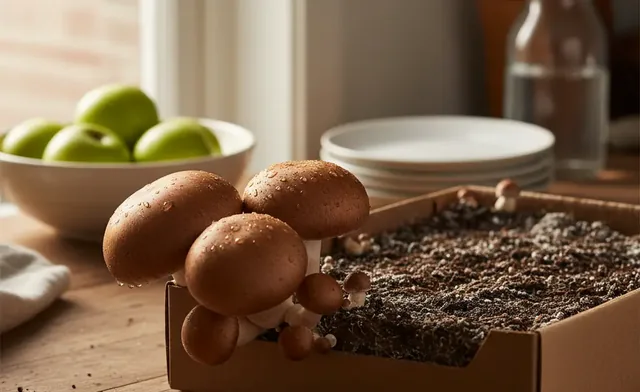
Which Portobello Mushroom Grow Kit Is Right for You?
This guide evaluates the top brands to help you choose a reliable portobello mushroom grow kit for a consistent and delicious harvest at home.