
The Button Mushroom Life Cycle, Explained
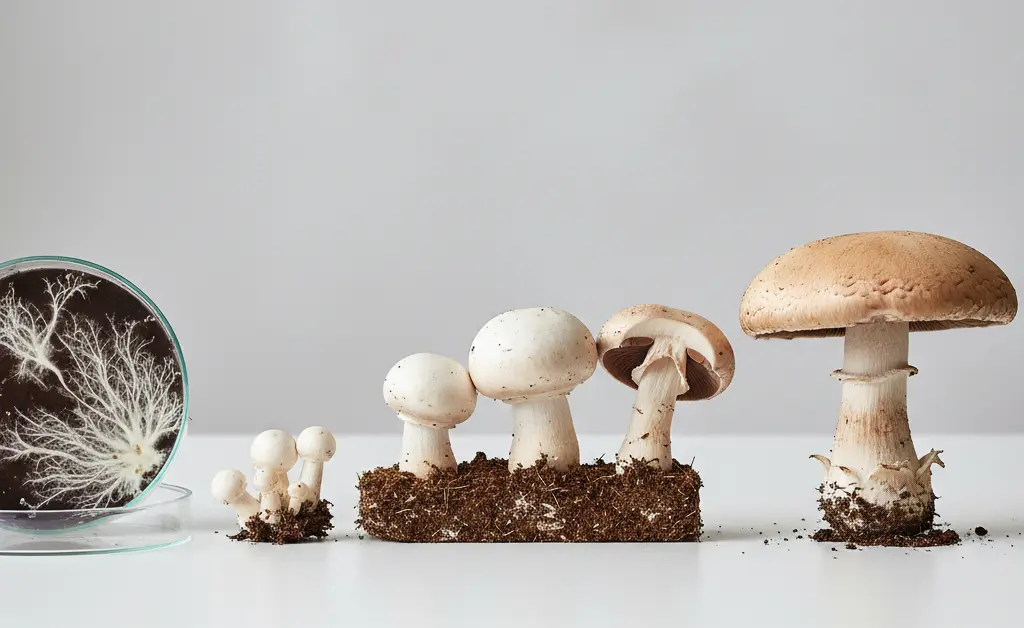
Have you ever struggled to cultivate button mushrooms at home, or perhaps observed their growth in a store-bought kit and wondered about the magic behind their rapid appearance? Many enthusiasts find themselves puzzled by the sometimes unpredictable nature of fungal development, leading to inconsistent yields or failed attempts. This challenge often arises from a lack of detailed insight into the specific biological processes that drive these popular edible fungi. Grasping the intricate button mushroom life cycle is not just an academic exercise; it’s a practical necessity for anyone aiming to successfully grow them, optimize conditions, or simply appreciate the journey from a microscopic spore to the familiar cap and stem we enjoy. This comprehensive understanding demystifies each stage, providing the knowledge needed for effective cultivation and a deeper appreciation of nature’s design.
Understanding the Button Mushroom Life Cycle
The journey from a microscopic spore to a mature button mushroom, scientifically known as Agaricus bisporus, is a fascinating biological process. This intricate button mushroom life cycle involves several distinct stages, each dependent on specific environmental conditions for successful progression. By comprehending these stages, growers can better manage cultivation environments to encourage robust development and abundant harvests. The entire process begins unseen, with the germination of spores, and culminates in the edible fruiting body we recognize.
Stage 1: Inoculation and Spore Germination
The life cycle commences with spores, which are the reproductive units of fungi, similar in function to seeds in plants. In cultivation, these spores are typically introduced to a nutrient-rich substrate, a process known as inoculation. Once settled in a suitable environment with adequate moisture and warmth, the spores absorb water and swell. This triggers germination, where each spore develops a delicate, thread-like structure called a hypha. These initial hyphae are the building blocks for the next stage of growth.
Stage 2: Mycelium Formation
Following spore germination, the individual hyphae grow and branch out, forming an extensive network of interwoven filaments known as mycelium. This mycelium acts as the vegetative body of the fungus, tirelessly exploring the substrate for nutrients. It secretes enzymes to break down complex organic matter into simpler compounds that can be absorbed, effectively digesting its food source externally. A healthy, vigorous mycelium is crucial for successful mushroom development, as it stores the energy and resources needed for fruiting.
Stage 3: Pinning (Primordia Development)
Once the mycelium has fully colonized its substrate and accumulated sufficient nutrients, and when conditions are right, it begins to form tiny knots of hyphae. These small, compact structures are called primordia, often referred to as “pins” due to their appearance. This stage is commonly known as pinning. Primordia are the embryonic forms of mushrooms, and their development signals that the fungus is ready to produce its reproductive structures. Critical environmental cues, such as changes in temperature, humidity, and carbon dioxide levels, often trigger this stage.
Stage 4: Fruiting Body (Mushroom) Growth
From the primordia, the fruiting bodies develop into the familiar button mushrooms. During this stage, the tiny pins rapidly expand, drawing water and nutrients from the mycelial network. The cap, stem (stipe), and gills begin to differentiate and grow. The button mushroom typically features a rounded cap, which can range in color from white to light brown, and a sturdy stem. This growth phase is often rapid, with noticeable changes occurring daily under optimal conditions. The mushroom continues to expand until it reaches maturity, at which point its gills are fully formed and ready to release new spores, completing the button mushroom life cycle.
The Four Stages of Button Mushroom Growth
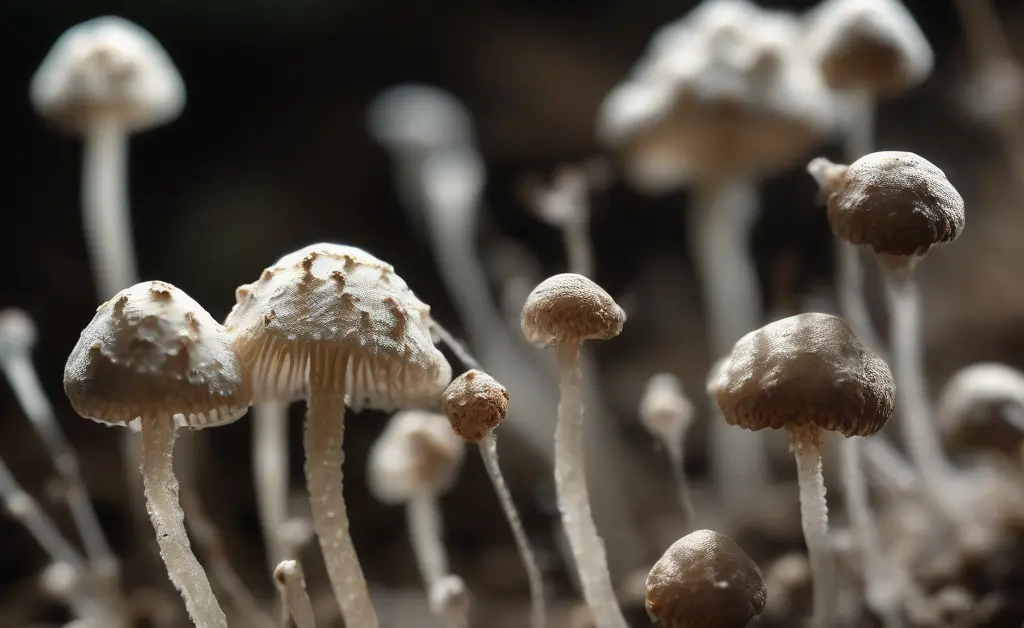
The overall progression of the button mushroom life cycle can be succinctly categorized into four primary growth stages, each vital for the successful cultivation of these popular fungi. Initially, the process begins with the microscopic spores, which, when provided with favorable conditions, germinate into thread-like hyphae. These hyphae then proliferate and intertwine to form a vast underground network known as mycelium, which is the true vegetative body of the fungus responsible for nutrient absorption. As the mycelium matures and accumulates sufficient energy, it transitions to the third stage, characterized by the emergence of tiny primordia, or “pins,” which are the initial formations of mushroom caps. Finally, these pins develop rapidly into full-fledged fruiting bodies, the edible mushrooms we harvest. Understanding each of these phases is key to managing the intricate button mushroom life cycle for optimal yields.
Factors Influencing Button Mushroom Development
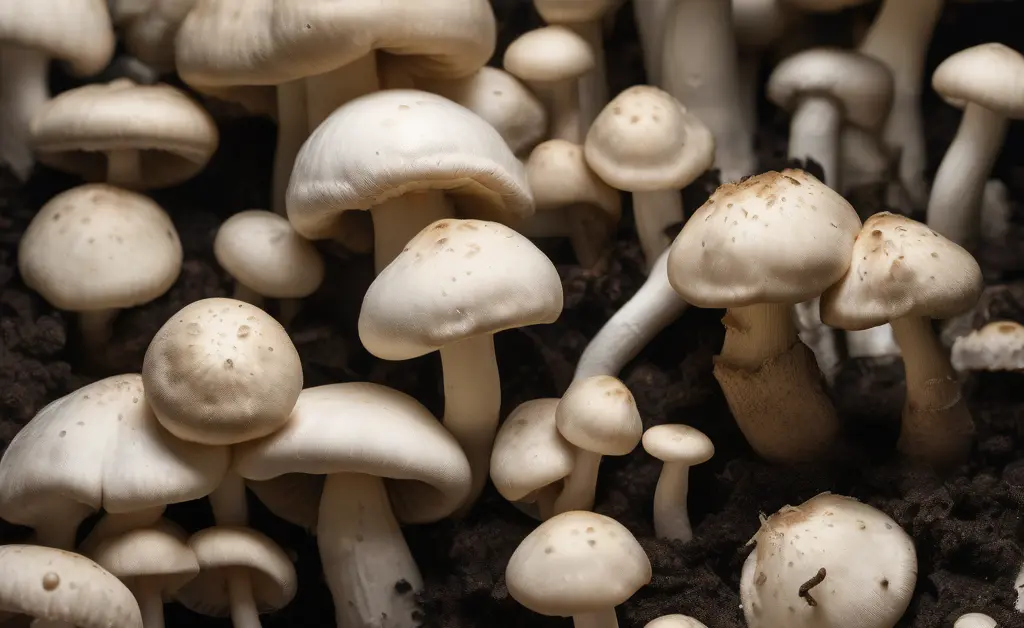
Successful cultivation of button mushrooms hinges on carefully managing several environmental and nutritional factors throughout the entire button mushroom life cycle. These conditions not only determine if mushrooms will grow but also influence their quality, size, and yield. Optimizing these elements is critical for moving from mycelial colonization to robust fruiting.
Temperature and Humidity
Temperature plays a dual role, with different ranges optimal for mycelial growth versus fruiting. Mycelial colonization often thrives in warmer temperatures, while primordia formation and fruiting typically require cooler conditions. Humidity is equally crucial, especially during the pinning and fruiting stages. High ambient humidity helps prevent the delicate developing mushrooms from drying out, which is a common issue that can stunt their growth or cause them to crack.
Substrate and Nutrients
The substrate serves as the food source for the mycelium. Button mushrooms are typically grown on a composted substrate rich in organic matter, often a mixture of straw, hay, corn cobs, and other agricultural byproducts, combined with a nitrogen source. The composting process is vital, as it prepares the substrate by breaking down complex materials and creating a selective environment suitable for the mushroom mycelium while inhibiting competing organisms. Adequate nutrition from the substrate directly impacts the vigor of the mycelial growth and the subsequent size and health of the fruiting bodies.
Light and Airflow
While mushrooms do not photosynthesize like plants, some light can be beneficial, particularly for cap formation and color, though direct, intense light is generally avoided. Airflow, or ventilation, is extremely important, especially during the fruiting phase. Button mushrooms produce carbon dioxide as they grow, and if allowed to accumulate, high CO2 levels can lead to elongated stems and small caps. Fresh air exchange helps remove excess CO2 and introduces oxygen, which is necessary for healthy development. However, excessive airflow can also lead to drying, so a balance must be maintained.
Harvesting and Beyond

Successfully navigating the button mushroom life cycle culminates in the harvest, but the process doesn’t stop there. Proper harvesting techniques and post-harvest care are essential for maximizing quality and yield, and even preparing for subsequent flushes.
When to Harvest Button Mushrooms
Determining the ideal time to harvest button mushrooms is crucial for both flavor and shelf life. Mushrooms are typically ready for harvest when their caps are fully developed but before the veil, the membrane connecting the cap to the stem, completely opens and exposes the gills. For white button mushrooms, this usually means a firm, rounded cap. Harvesting at this stage ensures optimal texture and prevents the mushroom from releasing spores prematurely, which can shorten its shelf life and affect the growth of subsequent mushrooms. The origin of cultivated button mushrooms is fascinating. Many mushroom varieties, such as the Enoki, also have distinct life cycles and cultivation requirements, influencing their specific growing conditions and harvest times. Learning about the enoki mushroom origin can provide comparative insights.
Post-Harvest Considerations
After harvesting, button mushrooms should be handled gently to prevent bruising. They are best stored in a breathable container, such as a paper bag, in the refrigerator, to maintain freshness. Proper storage can extend their shelf life significantly. Beyond storage, understanding the entire button mushroom life cycle also extends to preparing for subsequent “flushes” or waves of growth from the same mycelial block. With continued care of the substrate and appropriate environmental conditions, the mycelium can often produce several rounds of mushrooms, providing ongoing harvests. Some mushrooms, like the hedgehog mushroom, have unique names in different languages, which can be interesting to explore. It is important to note that certain conditions can cause mushrooms, such as the Enoki, to turn yellow, indicating a change in their normal development. Understanding these variations is key for cultivators.
The intricate journey of the button mushroom, from an invisible spore to a culinary delight, showcases a remarkable example of nature’s design. Each stage, from germination to fruiting, is a testament to the fungus’s adaptability and resourcefulness. By understanding and respecting these biological processes, cultivators can unlock the full potential of this popular edible fungus, ensuring a bountiful harvest and a deeper appreciation for the world of mycology.
It is important to note that this content is not intended as medical advice. The information provided about the button mushroom life cycle is for general knowledge and educational purposes only. It should not be used to self-diagnose or treat any health conditions. Always consult with a qualified healthcare professional for any health concerns or before making any decisions related to your health or well-being.
FAQ
What are the stages of the button mushroom life cycle?
The button mushroom life cycle begins with spores, which germinate into mycelium, the vegetative part of the fungus. This mycelium then forms primordia, or pins, which develop into mature mushrooms. Once mature, the mushrooms release spores, starting the cycle anew.
Continue reading
You May Also Like
Button Mushroom Shelf Life: A Freshness Guide
Knowing the typical button mushroom shelf life is key to freshness, covering ideal storage methods in the fridge and how to spot spoilage.
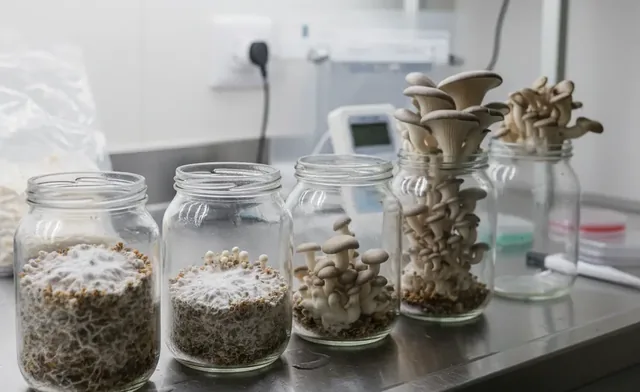
Decoding the Mushroom Cultivation Life Cycle
Detailing the sequence from spore germination to harvest, the mushroom cultivation life cycle is a process where each stage impacts your final yield.
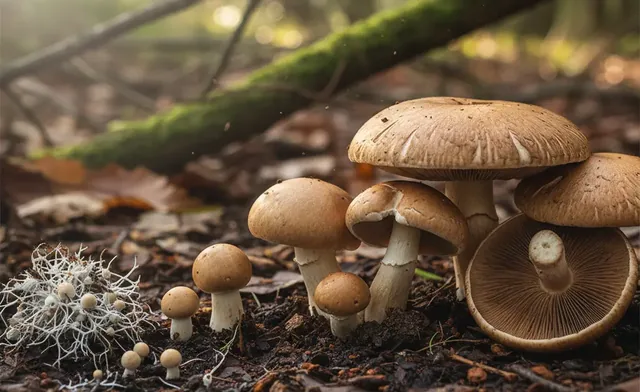
The Life Cycle of a Portobello Mushroom
Follow the complete portobello mushroom life cycle from tiny spore to mature cap with this practical guide to each distinct growth stage.