
The Nutritional Science of Culinary Mushrooms
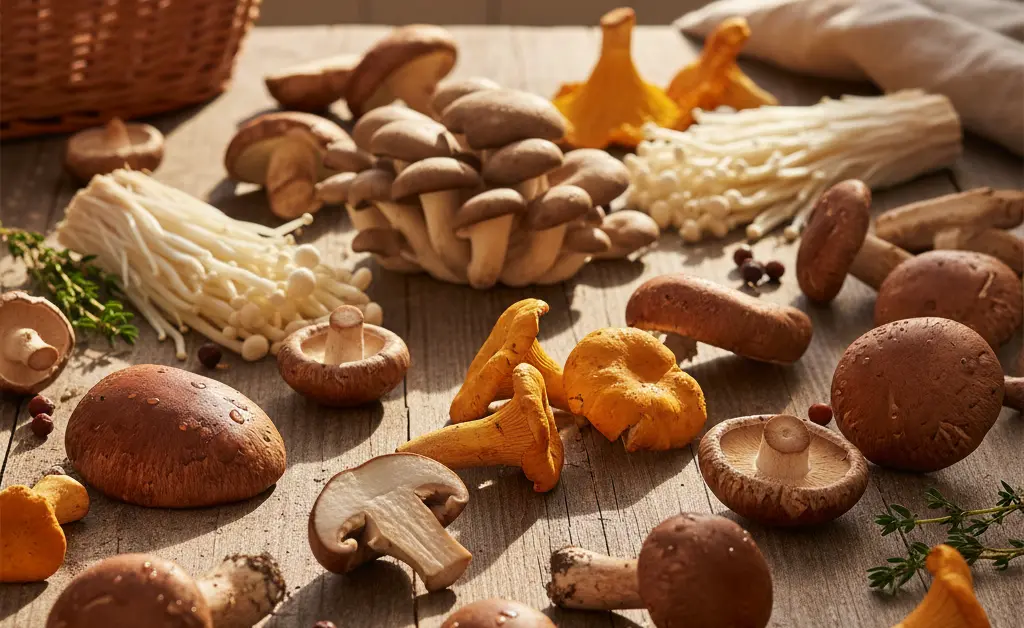
Imagine a quiet evening, the aroma of garlic and herbs filling the kitchen as you sauté a medley of fresh mushrooms for dinner. Beyond the delicious umami flavor they impart to dishes, these humble fungi offer a world of nutritional value. For centuries, various cultures have recognized their health-promoting properties, integrating them into both cuisine and traditional medicine. Modern science is now increasingly validating these ancient practices, shedding light on the intricate compounds that make mushrooms such a valuable addition to our diets. This article delves into the science behind culinary mushroom benefits, exploring how these versatile ingredients contribute to overall health and well-being, from boosting immunity to supporting cognitive function.
Nutritional Profile of Culinary Mushrooms
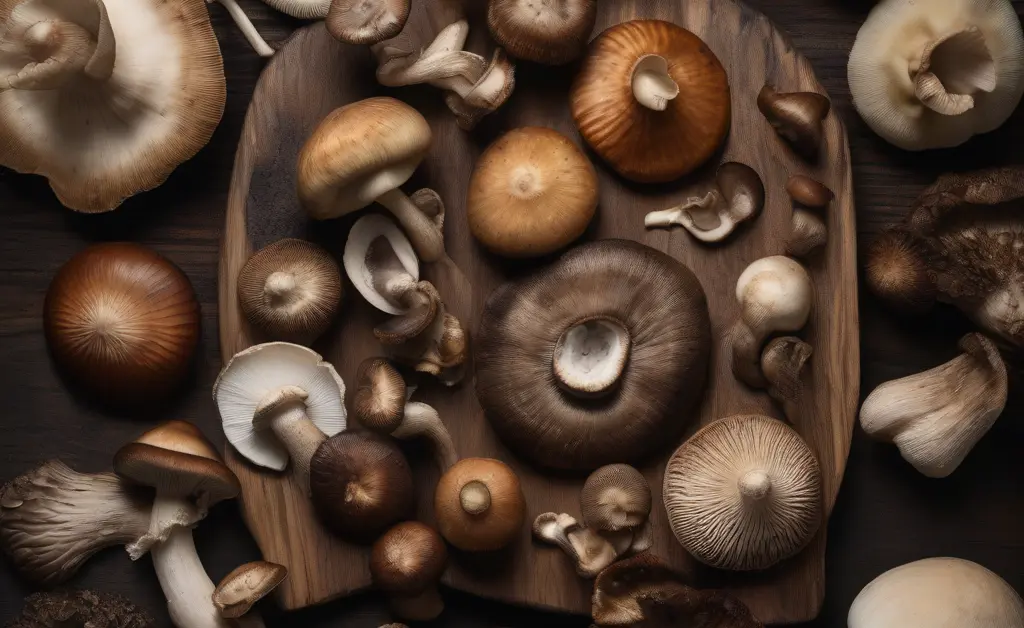
Beyond their unique flavor, the nutritional profile of various mushrooms contributes significantly to overall wellness. Exploring the intricate composition of these fungi reveals why they are increasingly recognized for their culinary mushroom benefits. Many varieties are low in calories and fat, yet packed with essential nutrients that play a vital role in maintaining bodily functions and supporting good health. The precise content can vary between different types of culinary mushrooms, but a general overview highlights their impressive array of beneficial compounds.
Vitamins and Minerals
Mushrooms are a source of several important vitamins and minerals. They are particularly rich in B vitamins, such as riboflavin (B2), niacin (B3), and pantothenic acid (B5), which are crucial for energy metabolism and nervous system health. Furthermore, many types provide selenium, an antioxidant mineral, as well as copper, important for red blood cell production, and potassium, which supports fluid balance and nerve signals. Indeed, edible mushrooms are good source of these and many other vital nutrients. These micronutrients collectively support various physiological processes, making mushrooms a valuable addition to a balanced diet.
Antioxidants
The presence of powerful antioxidants is a notable aspect of mushroom nutrition. These compounds help protect the body’s cells from oxidative stress, which is associated with various health challenges and cellular damage. Key antioxidants found in many common mushrooms include ergothioneine and glutathione, often referred to as “master antioxidants” due to their broad protective roles. Certain mushrooms also contain polyphenols and carotenoids, further contributing to their protective capacity against free radicals.
Fiber Content
Mushrooms are a good source of dietary fiber, including both soluble and insoluble types. Fiber is essential for digestive health, promoting regularity and supporting a balanced gut microbiome. The fiber in mushrooms can also contribute to feelings of fullness, which may be helpful for managing appetite and supporting weight management efforts. This aspect of their nutritional makeup supports overall gastrointestinal well-being and nutrient absorption.
Vitamin D Source
Unlike most plant-based foods, mushrooms have the unique ability to produce Vitamin D when exposed to ultraviolet (UV) light. This occurs through the conversion of a compound called ergosterol into Vitamin D2. For individuals seeking non-animal sources of this crucial vitamin, particularly during months with less sunlight, UV-treated or wild mushrooms can be a valuable dietary contributor. Vitamin D is widely recognized for its role in bone health and immune system modulation.
Culinary Mushroom Benefits

The diverse nutritional components within mushrooms translate into a wide array of potential health advantages that extend beyond basic nutrition. Understanding these culinary mushroom benefits can encourage greater integration of these versatile fungi into daily meals. Discover which best edible mushrooms for health can best support your well-being. From bolstering natural defenses to supporting cognitive clarity, mushrooms offer more than just flavor; they bring a functional component to your plate.
Immune System Support
Mushrooms have been traditionally used for their potential to support the immune system. This property is largely attributed to compounds like beta-glucans and other polysaccharides found in their cell walls. These complex carbohydrates may interact with immune cells, potentially helping to modulate immune responses and enhance the body’s ability to protect itself. Regular consumption of certain mushrooms may contribute to a robust and responsive immune system. Further research on these compounds can be found on NCBI.
Heart Health
Integrating mushrooms into a balanced diet may contribute to cardiovascular well-being. Some studies suggest that mushrooms can play a role in managing cholesterol levels, particularly by helping to reduce levels of low-density lipoprotein (LDL) cholesterol. Their potassium content may also support healthy blood pressure levels by counteracting the effects of sodium. Furthermore, the antioxidants present in mushrooms contribute to circulatory health by protecting blood vessels from oxidative damage.
Brain Function
Emerging research suggests that specific compounds within certain mushrooms may offer neuroprotective properties. Substances such as hericenones and erinacines, found in particular mushroom varieties like Lion’s Mane, are being explored for their potential role in supporting nerve growth factor synthesis, which is crucial for brain health. The antioxidants in mushrooms may also contribute to reducing oxidative stress in the brain, potentially supporting cognitive vitality and overall brain function.
Mushroom Benefits for Skin
The rich antioxidant content of mushrooms, including ergothioneine and selenium, can contribute to skin health by helping to protect cells from environmental damage. Additionally, certain polysaccharides found in mushrooms may assist in maintaining skin hydration and elasticity. Some mushroom extracts are also being studied for their potential anti-inflammatory properties, which could offer soothing benefits for the skin, contributing to a healthy complexion. These attributes highlight why various mushroom varieties are appearing in skincare formulations and are valued for their potential contribution to healthy skin.
Beyond these benefits, research also explores the potential of certain edible mushrooms for pain management.
Culinary mushrooms are much more than a flavorful addition to meals; they are a nutritional powerhouse packed with vitamins, minerals, antioxidants, and fiber. From their potential to bolster the immune system and support heart health to contributing to cognitive function and even skin vitality, the diverse array of culinary mushroom benefits makes them a valuable component of a healthful diet. Incorporating a variety of mushrooms, such as shiitake, oyster, cremini, or white button mushrooms, into your cooking is a simple yet effective way to enrich your diet with essential nutrients and compounds that promote overall well-being. Whether sautéed, roasted, or added to soups and stews, these versatile fungi offer both delicious taste and significant health advantages.
The information presented in this article is educational and not meant as professional medical counsel. It is intended for general knowledge and informational purposes only, and does not constitute medical advice, diagnosis, or treatment. Always consult with a qualified healthcare professional for any health concerns or before making any decisions related to your health or diet. Reliance on any information provided in this article is solely at your own risk.
FAQ
What are the main nutritional benefits of eating mushrooms?
Mushrooms offer a range of essential nutrients like B vitamins, selenium, and potassium, while being low in calories and fat. They also provide dietary fiber and unique antioxidants that contribute to overall well-being.
Are culinary mushrooms good for your immune system?
Certain compounds found in mushrooms are known to support immune function. These compounds can interact with immune cells, helping to modulate the body’s defense mechanisms.
How do mushrooms contribute to heart health?
The fiber and certain antioxidants present in mushrooms play a role in maintaining cardiovascular wellness. These components can help manage cholesterol levels and support healthy blood pressure.
Can eating mushrooms improve brain health?
Some research suggests that compounds in mushrooms may be relevant to cognitive function and brain health. These substances have been studied for their potential to support neural pathways and protect brain cells.
What vitamins are abundant in culinary mushrooms?
Culinary mushrooms are a good source of several B vitamins, including riboflavin, niacin, and pantothenic acid, which are crucial for energy production and metabolism. They also contain vitamin D, especially when exposed to UV light.
Which organ is mushroom good for?
While mushrooms offer benefits throughout the body, their contribution to immune system function is a widely recognized aspect of their culinary mushroom benefits. They also support cardiovascular and cognitive wellness.