
A Foraging Guide to Maine’s Edible Mushrooms
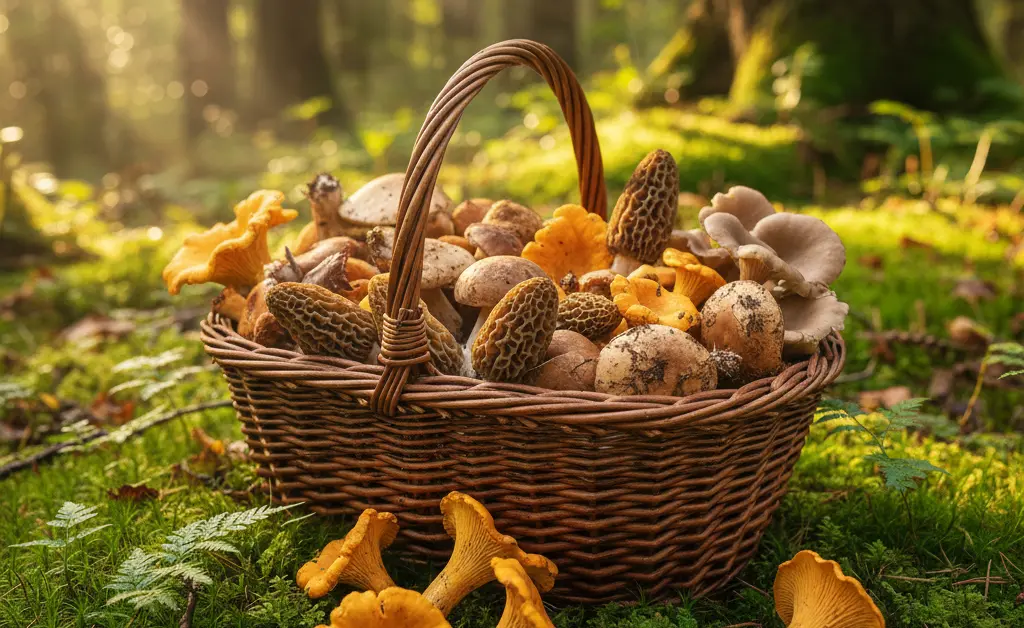
Foraging for wild mushrooms offers a unique opportunity to connect with nature and harvest delicious, fresh ingredients directly from the environment. Understanding which species are safe to consume can enhance your culinary repertoire and provide a sustainable food source. This comprehensive guide will navigate the diverse world of edible mushrooms Maine, focusing on common varieties, identification techniques, and safe foraging practices within the state. We aim to equip enthusiasts with the knowledge needed to confidently identify a range of species, from the easily recognizable chanterelle to the elusive morel, ensuring both an enjoyable and secure foraging experience. By adhering to responsible harvesting principles, individuals can sustainably explore the rich fungal biodiversity Maine has to offer, turning forest walks into rewarding culinary adventures.
Common Edible Mushrooms in Maine
Maine’s diverse ecosystems, ranging from coastal forests to inland woodlands, provide a rich habitat for an impressive array of fungi. For those interested in identifying edible mushrooms Maine has to offer, understanding the characteristics of common, safe-to-eat species is paramount. While many types of fungi grow in the state, focusing on easily identifiable varieties can help ensure safety and build confidence for those new to mushroom foraging in Maine. For a broader understanding of fungi across the country, learning about edible mushrooms in the USA can be quite beneficial.
3 Easy To ID Edible Maine Mushrooms
For beginners, starting with species that have few or no dangerous look-alikes is a recommended approach. Some varieties stand out due to their distinct appearance, making them excellent choices for those learning to identify edible mushrooms safely. These three examples offer clear markers that can help distinguish them from other forest dwellers.
Chanterelles
Chanterelles are highly prized for their fruity aroma and peppery taste, making them a favorite among chefs and foragers alike. In Maine, several species of chanterelles can be found, often identified by their trumpet or funnel shape, wavy cap margins, and distinctive gill-like ridges (not true gills) that run down the stem. Their color typically ranges from golden-yellow to orange. They are often found growing on the ground in mossy areas of coniferous and deciduous forests, appearing from summer through early fall.
Oyster Mushrooms
Oyster mushrooms are commonly found growing in shelf-like clusters on dead or dying hardwood trees, such as aspen, maple, and beech. Their caps are typically oyster-shaped, ranging in color from white to gray or tan, with white or yellowish gills that extend down a very short or absent stem. They are identifiable by their slightly chewy texture and mild, somewhat savory flavor. These mushrooms can be found throughout the warmer months and into late fall.
Morels (seasonal)
Morels are among the most sought-after edible mushrooms and are a true sign of spring in Maine. Their unique honeycomb-like cap, which is hollow and attached to a hollow stem, makes them relatively easy to identify. Color can vary from light tan to dark brown. Morels are typically found in deciduous forests, particularly near ash, elm, and apple trees, often appearing after a period of warm, wet weather in April and May. Due to their distinctive appearance and seasonal rarity, morels are a significant find for any mushroom hunter.
Puffballs
Puffballs are another good choice for novice foragers because their key identification feature is quite straightforward: a pure white, solid interior. When young, these spherical or pear-shaped mushrooms have no visible gills and are solid white inside. As they mature, the interior turns yellowish, then greenish-brown, and eventually powdery, at which point they are no longer suitable for eating. They can be found in fields, meadows, and open woodlands, sometimes growing to considerable sizes. Always slice a puffball open to ensure it is entirely white inside and does not contain the outline of a developing gilled mushroom, which would indicate a potentially toxic look-alike.
Shaggy Manes
Shaggy manes, also known as Lawyer’s Wig, are striking mushrooms often found in disturbed areas, lawns, and along roadsides. They are characterized by their tall, cylindrical white caps covered with shaggy, brownish scales. As they mature, the edges of the cap and gills begin to “deliquesce” or turn black and liquefy, producing a black, inky substance. They must be consumed shortly after picking, preferably before the inky process begins, as they have a short shelf life. They have a delicate flavor and are a good choice for sautéing.
Hen of the Woods
Hen of the Woods, also known as Maitake, is a large, cauliflower-like cluster of overlapping caps that typically grows at the base of oak trees. Its color can range from gray to brown, and it has a distinctive earthy aroma. This robust mushroom is often found in the fall and can be quite large, sometimes weighing several pounds. Its unique appearance and tendency to grow consistently in the same spots make it a reliable and rewarding find. It possesses a rich, umami flavor and a firm texture that holds up well in various culinary preparations.
Where to Find Edible Mushrooms in Maine
Successful mushroom foraging in Maine often depends on knowing the right habitats and understanding seasonal patterns. While specific spots are often closely guarded secrets among experienced foragers, general environments tend to yield good results for those seeking edible mushrooms Maine has to offer. Focusing on these areas can increase your chances of a successful harvest.
Forests and woodlands are prime locations, especially those with diverse tree populations. Deciduous forests, particularly those with oak, beech, and maple, are excellent for species like Hen of the Woods and some types of chanterelles. Coniferous forests, dominated by pine, spruce, and fir, can also host various edible species. Look for areas with older growth, good drainage, and a healthy layer of duff on the forest floor. Observing the types of trees and the overall forest health can provide clues as to what might be growing there. Similarly, learning about edible mushrooms in Maryland highlights the regional variations in fungi.
Fields and meadows, particularly those adjacent to wooded areas, can also be productive. Puffballs and Shaggy Manes often thrive in grassy, open spaces, especially after rainfall. Disturbed ground, such as along trails, old logging roads, or recently cleared areas, can also be hotspots for certain species, including some early-season varieties. When exploring fields, be mindful of private property and potential pesticide use.
Seasonal hotspots are key to finding specific mushrooms. Spring is synonymous with morels, often found in floodplains and disturbed woodland areas. Summer brings a flush of chanterelles and some boletes. Fall is typically the most abundant season, with a wide variety of mushrooms, including Hen of the Woods, Oyster Mushrooms, and many others, appearing as temperatures cool and moisture levels remain high. Understanding the typical fruiting seasons for different species is crucial for targeting your foraging efforts effectively. Always consider local regulations and permits when foraging, as some public lands may have restrictions on harvesting wild products.
Cooking with Maine’s Edible Mushrooms
Once you’ve safely identified and harvested edible mushrooms in Maine, the next step is to prepare them for the kitchen. Proper handling and cooking techniques can unlock their unique flavors and textures, transforming them into delicious culinary components. From simple sautéing to more complex dishes, these wild ingredients can elevate a wide range of meals. Exploring diverse regions, such as finding edible mushrooms in Michigan, can further expand one’s foraging knowledge.
Preparation and cleaning are vital. Most wild mushrooms benefit from a gentle cleaning to remove any dirt, debris, or insects. A soft brush or a damp cloth is usually sufficient; avoid rinsing with water unless absolutely necessary, as many mushrooms absorb water, which can affect their texture and flavor. Trim off any tough or damaged parts of the stem or cap. For species like Hen of the Woods, which can have intricate crevices, careful inspection and brushing are key. For further health-related information, reputable sources such as the NIH provide extensive resources.
Simple cooking methods often highlight the natural qualities of the mushrooms. Sautéing is a popular choice: slice the mushrooms evenly, and cook them in a hot pan with a bit of butter or olive oil until they release their moisture and begin to brown. Season with salt, pepper, and fresh herbs like thyme or parsley. This method works well for almost all edible varieties, including chanterelles, oyster mushrooms, and shaggy manes.
Recipe ideas can range from basic to gourmet. Incorporate sautéed mushrooms into omelets, stir-fries, or pasta dishes for an earthy addition. They can also be a flavorful component in risottos, soups, or sauces. For more robust mushrooms like Hen of the Woods, consider roasting them with herbs and garlic, or using them in a hearty stew. Morels, with their distinct flavor, are often enjoyed simply sautéed and served as a side dish, or added to cream sauces. When cooking with these wild treasures, remember that their flavors are often more intense than cultivated varieties, so a little can go a long way in enhancing your dishes. Similarly, those interested in diverse foraging might explore edible mushrooms in California.
Foraging for edible mushrooms in Maine is a rewarding experience that combines outdoor adventure with culinary exploration. By adhering to safe identification practices, respecting the environment, and employing appropriate cooking methods, you can enjoy the unique flavors that Maine’s fungal bounty has to offer.
While this article discusses health-related topics, it does not provide medical guidance. The information presented is for educational and informational purposes only and should not be considered a substitute for professional medical advice, diagnosis, or treatment. Always consult with a qualified healthcare provider for any health concerns or before making any decisions related to your health or diet. The content should not be used to self-diagnose or self-treat any health condition.
FAQ
What are the most common edible mushrooms found in Maine?
Maine’s diverse forests and varied climate support a range of popular edible mushrooms. Many foragers seek out species like the Morels in spring, while others focus on Chanterelles and Oyster mushrooms later in the season. Some identify Chicken of the Woods and Hen of the Woods as delicious and commonly found varieties.
Where is the best place to go mushroom hunting in Maine?
Prime mushroom hunting locations in Maine are often found in mature deciduous and mixed forests, particularly after periods of rain. Areas with plenty of decaying wood and leaf litter provide ideal habitats for many species. Exploring state parks, national forests, and less disturbed woodlands can yield rewarding finds for the patient forager.
How can I tell if a wild mushroom is safe to eat in Maine?
Accurate identification is paramount when foraging for wild mushrooms, and this requires thorough study and experience. Mistaken identity can lead to severe illness, making it crucial to be absolutely certain of a mushroom’s species before considering consumption. Consulting with experienced local foragers or mycological societies is an essential step for learning safe identification practices.
Are there any specific rules for foraging mushrooms in Maine?
While general foraging rules often focus on sustainability, it is important to check specific regulations for the land you are on, as some areas may have restrictions. Respecting private property and being mindful of conservation efforts are key tenets of responsible foraging. Understanding these guidelines ensures the long-term health of fungal populations and ecosystems.