
Enoki Mushroom Poisoning: Symptoms and Next Steps
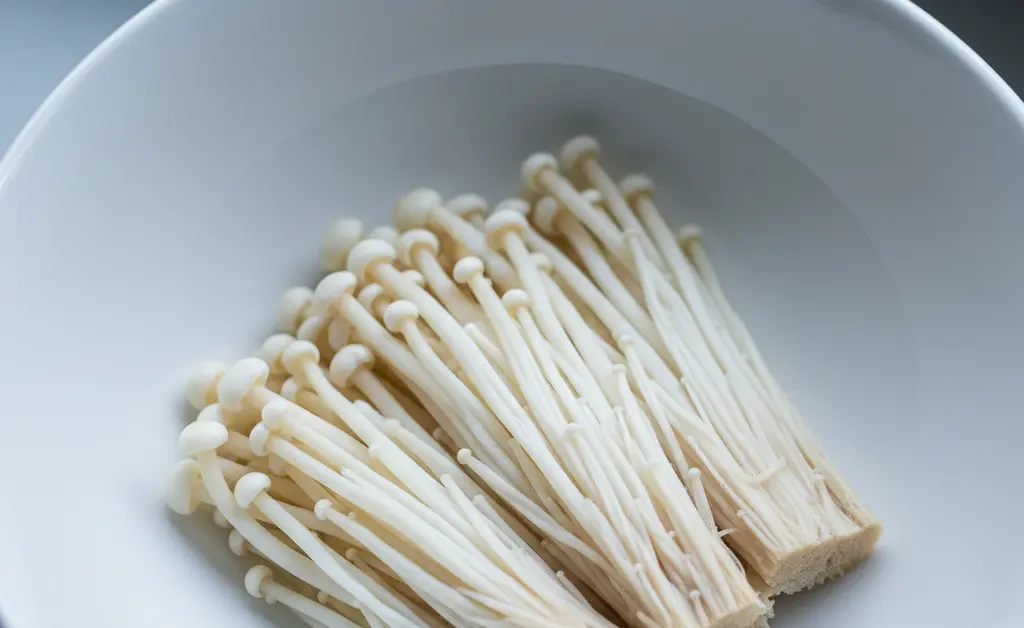
You’ve just finished a delightful stir-fry or hot pot, enjoying the delicate texture of enoki mushrooms, and a few hours later, an unsettling feeling begins to creep in. Perhaps it’s an unexpected stomach ache, nausea, or a general sense of unease. This scenario, where a seemingly innocent ingredient might be linked to health issues, can be quite alarming. While enoki mushrooms are widely consumed and generally safe when prepared correctly, understanding potential risks is crucial. This guide aims to shed light on enoki mushroom poisoning, its common symptoms, and the appropriate steps to take if you suspect you or someone you know has been affected. Knowing what to look for and how to react can help ensure peace of mind and prompt action in such situations. It is also important to be aware of broader enoki mushroom side effects.
Enoki mushroom poisoning symptoms
Understanding the potential symptoms associated with enoki mushroom poisoning is essential for timely recognition and action. These symptoms often mimic those of other foodborne illnesses, making it important to consider recent food consumption, including enoki mushrooms, if you begin to feel unwell. The onset of symptoms can vary, typically appearing anywhere from a few hours to several days after consuming contaminated mushrooms. General gastrointestinal discomfort is a common indicator, often presenting as nausea, vomiting, abdominal cramps, and diarrhea. In some cases, individuals may experience fever, muscle aches, or headaches.
Can enoki make you sick?
While enoki mushrooms are generally considered a safe and nutritious food when handled and prepared correctly, they can potentially make you sick under specific circumstances. The primary concern is not an inherent toxicity of the mushroom itself but rather the risk of bacterial contamination, most notably with organisms like Listeria monocytogenes. If enoki mushrooms are not thoroughly cooked or if they have been mishandled or stored improperly, these bacteria can thrive, leading to foodborne illness. Consuming enoki mushrooms contaminated with harmful bacteria is what may lead to an adverse reaction or illness, rather than a toxic compound within the mushroom. Furthermore, many inquire whether enoki mushroom is safe for breastfeeding mothers.
Is the bottom of enoki mushroom toxic?
The bottom of en enoki mushroom, often referred to as the root end or the clustered base, is not inherently toxic. However, this part of the mushroom is where the individual stalks are joined and where they would have grown in their cultivation medium. This area can sometimes harbor more dirt, debris, or bacteria if not properly cleaned. While not toxic in itself, it is generally recommended to trim off and discard this portion before cooking to ensure better hygiene and palatability. The primary risk from this part, or any part of the mushroom, would come from bacterial contamination due to improper handling or insufficient cooking, not from a naturally occurring toxin. Questions about consuming enoki mushroom during pregnancy are also common.
Recognizing Symptoms of Enoki Mushroom Contamination
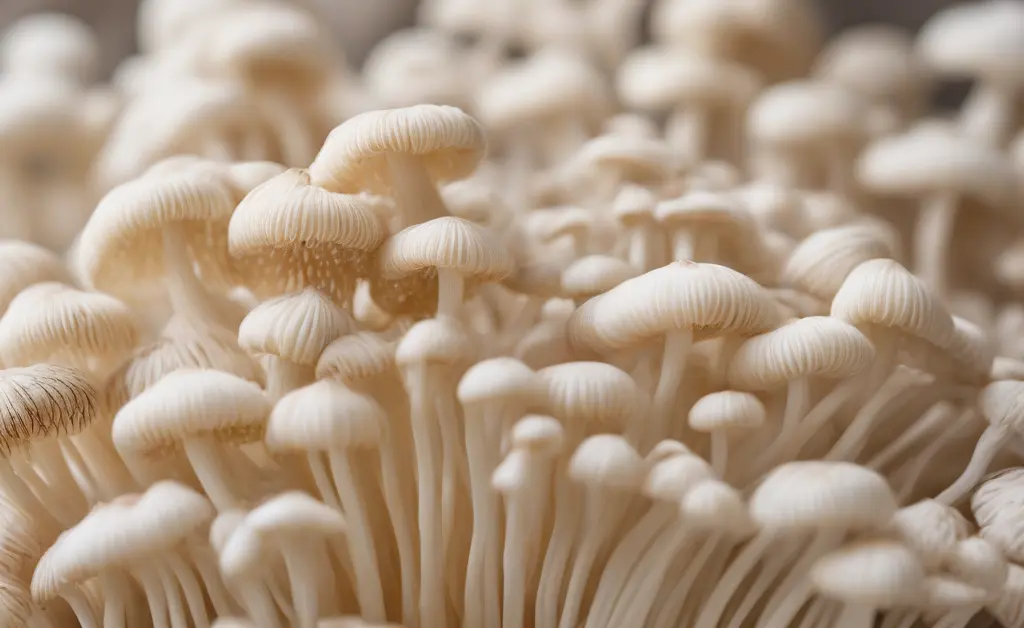
Recognizing the symptoms of enoki mushroom contamination is crucial for prompt action, especially since certain bacteria can lead to serious illness. The primary concern regarding contaminated enoki mushrooms often revolves around bacterial contamination, particularly Listeria monocytogenes. This bacterium can cause a condition known as listeriosis, which may manifest with a range of symptoms from mild to severe. Common signs of listeriosis can include fever, muscle aches, nausea, and diarrhea. In more severe cases, especially in vulnerable populations, symptoms may progress to headaches, stiff neck, confusion, loss of balance, or convulsions, indicating a more serious infection of the nervous system. Understanding these signs is vital when considering the possibility of enoki mushroom poisoning. Some individuals may also be concerned if enoki mushroom is bad for gout.
Enoki mushroom raw
Consuming enoki mushroom raw presents an elevated risk for foodborne illness compared to eating them cooked. Raw enoki mushrooms, like many fresh produce items, can harbor bacteria from their growing environment or during processing and handling. The cooking process typically kills these potential pathogens, significantly reducing the risk. However, when eaten raw or lightly cooked, any bacteria present, such as Listeria monocytogenes, may survive and cause illness. This increased risk is why safe handling practices and proper cooking are strongly advised for enoki mushrooms to prevent potential contamination and subsequent health issues. For further information on food safety standards, consult resources such as the EFSA.
What to Do If You Suspect Enoki Mushroom Poisoning
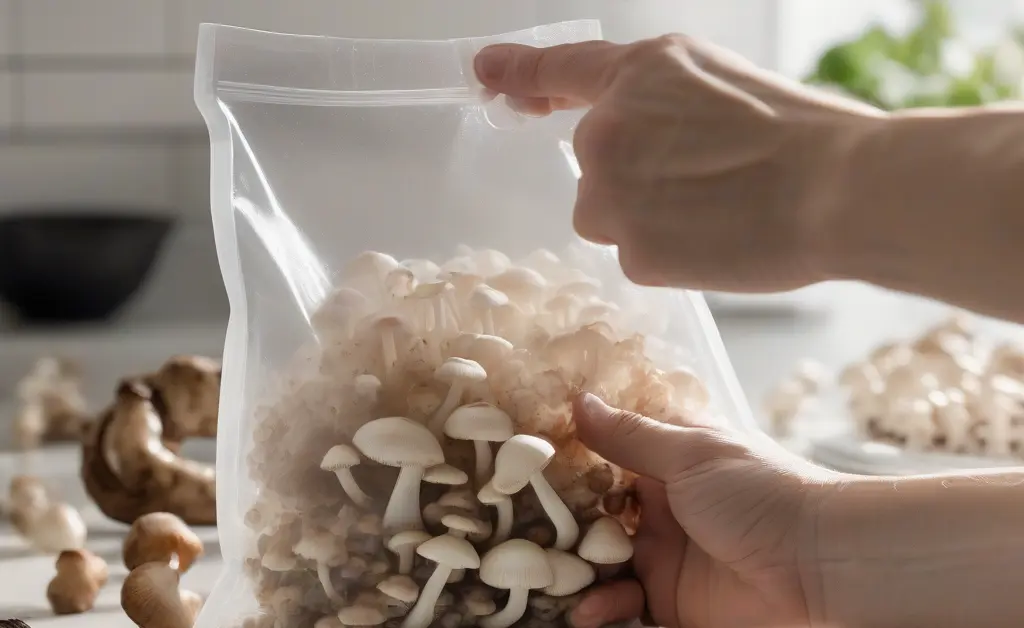
If you suspect you or someone you know has symptoms related to enoki mushroom poisoning, it’s important to act quickly and appropriately. The first and most critical step is to seek medical attention without delay, especially if symptoms are severe or persistent. Contact a healthcare professional, emergency services, or a poison control center immediately. Provide them with as much information as possible, including what you ate, when you ate it, and the symptoms you are experiencing. Do not attempt self-treatment with unverified remedies. If available, try to save any leftover mushrooms or packaging, as this can be helpful for identification and testing by medical professionals or public health authorities to determine the exact cause of the illness. Prompt medical evaluation can help ensure appropriate treatment and prevent potential complications from enoki mushroom poisoning.
While enoki mushrooms can be a delightful addition to many meals, awareness of potential risks, particularly related to bacterial contamination, is key. Following safe handling practices, such as proper cleaning and thorough cooking, significantly reduces the likelihood of enoki mushroom poisoning. If symptoms of foodborne illness arise after consumption, seeking immediate medical attention and providing detailed information about your recent diet are crucial steps to ensure your health and well-being.
This article is meant for general informational use and awareness. It is not intended to provide medical advice, diagnosis, or treatment. Always consult with a qualified healthcare professional for any health concerns or before making any decisions related to your health or treatment. The information provided should not be used as a substitute for professional medical guidance.
FAQ
What causes food poisoning from enoki mushrooms?
Enoki mushroom poisoning can occur when mushrooms are contaminated with harmful bacteria, such as Listeria monocytogenes. These bacteria can thrive on the mushrooms during growing or processing stages. Ingesting contaminated mushrooms introduces these pathogens into the digestive system, leading to illness.
What are the symptoms of listeriosis linked to enoki mushrooms?
Symptoms of listeriosis can include fever, muscle aches, nausea, and diarrhea. In more severe cases, individuals may experience headaches, confusion, loss of balance, or seizures. Pregnant women can experience miscarriage, stillbirth, or premature delivery.
Is it dangerous to eat raw enoki mushrooms?
Eating raw enoki mushrooms poses a higher risk of foodborne illness because cooking helps to kill potentially harmful bacteria. Pathogens like Listeria can be present on the surface or within the mushroom. Proper cooking is essential for reducing the risk of food poisoning.
When should medical help be sought for enoki mushroom illness?
Medical attention should be sought if severe symptoms like high fever, persistent vomiting, or signs of dehydration develop. Neurological symptoms such as confusion, stiff neck, or severe headaches also warrant immediate medical evaluation. Individuals with weakened immune systems or pregnant women experiencing symptoms should also consult a healthcare professional.
What are the first signs of mushroom poisoning?
The initial signs of mushroom poisoning can vary depending on the type of contaminant. Common early symptoms often include gastrointestinal distress such as nausea, vomiting, diarrhea, and abdominal cramps. Some individuals may also experience fever or fatigue.
Continue reading
You May Also Like
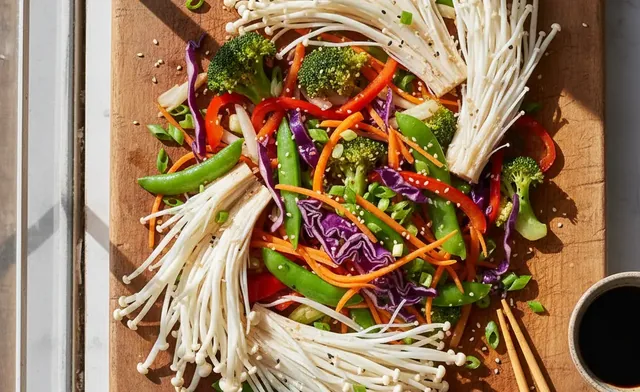
The Essential Guide to Cooking Enoki Mushrooms
Properly cooking enoki mushrooms is key to preserving their delicate cellular structure, resulting in a signature mild flavor and satisfying bite.
Everything You Need to Know About Enoki Mushrooms
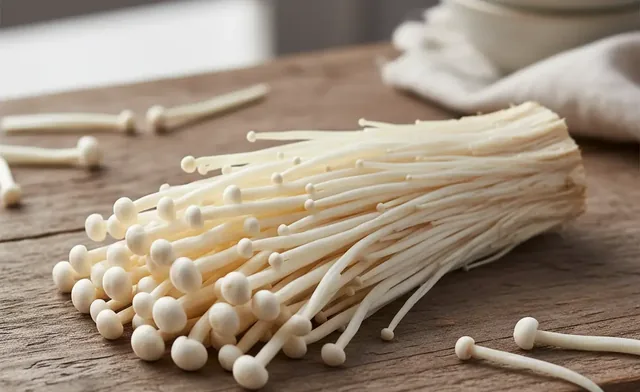
The delicate enoki mushroom is prized for its unique health benefits and culinary versatility, with key nutrition facts you should know.
The Secret to Perfectly Crispy Air-Fried Enoki
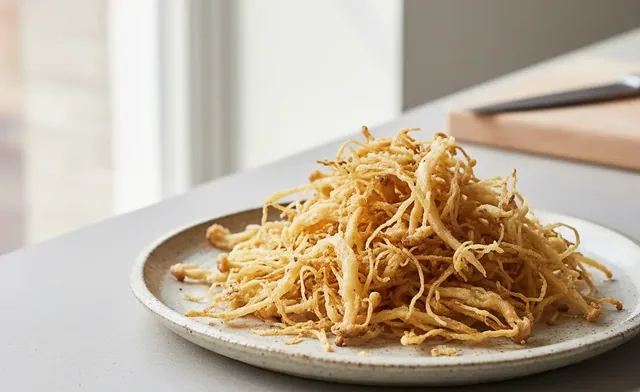
This simple enoki mushroom air fryer recipe delivers a deliciously crispy and savory snack in minutes with easy-to-follow instructions.