
Understanding the Listeria Risk in Enoki Mushrooms
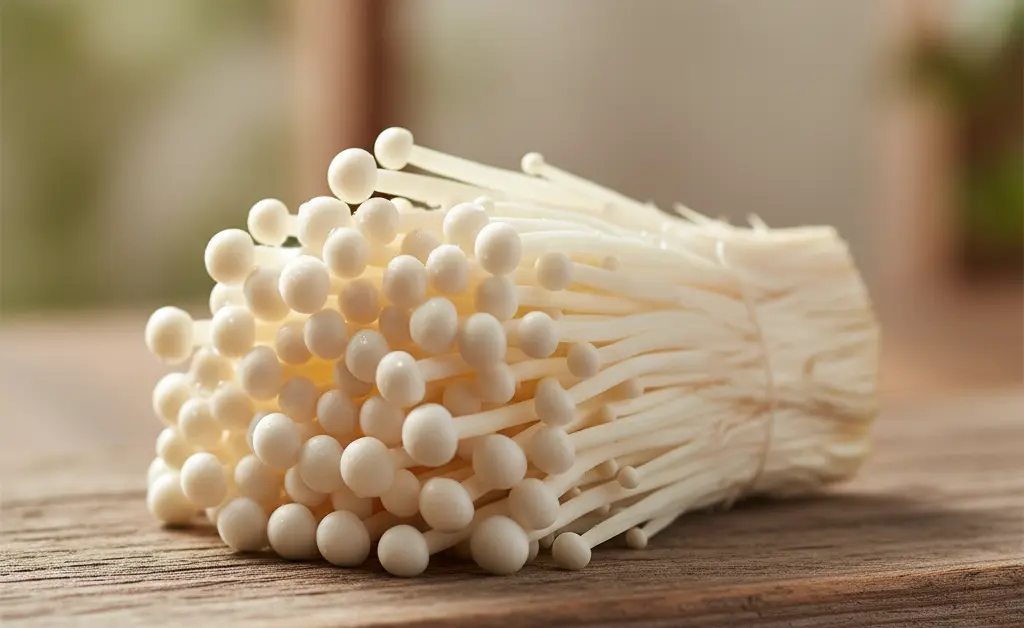
Enoki mushrooms are a popular ingredient in many cuisines, prized for their delicate flavor and unique texture. However, like many raw or minimally processed foods, they can sometimes carry health risks if not handled or prepared correctly. This article delves into crucial information regarding potential enoki mushroom side effects, focusing specifically on the significant concern of Listeria contamination. Understanding these risks, their symptoms, and preventative measures is essential for ensuring food safety and enjoying these versatile fungi without undue worry. We will explore common questions about digestion, allergic reactions, and how to safely incorporate enoki mushrooms into your diet, providing a comprehensive guide for consumers.
Listeriosis: The Main Health Risk from Enoki Mushrooms
While enoki mushrooms offer various culinary benefits, the most significant health concern associated with their consumption, particularly if not properly handled or cooked, is Listeriosis. This serious infection is caused by the bacterium Listeria monocytogenes, which can be found in soil, water, and some animals, and can contaminate raw foods. The ability of Listeria to grow even at refrigeration temperatures makes it a particularly persistent pathogen in food environments.
Enoki mushrooms, due to their growth environment and minimal processing, have been identified as a potential vehicle for Listeria contamination. Outbreaks linked to these mushrooms have underscored the importance of awareness and proper food safety practices. More detailed information on enoki mushroom listeria risks is available. Understanding the risks associated with Listeria is crucial for mitigating potential enoki mushroom side effects and ensuring the safety of consumers.
Enoki Mushroom Benefits and Side Effects
Beyond the concern of Listeria, enoki mushrooms are generally appreciated for their nutritional profile. They are low in calories, and may offer dietary fiber, and various vitamins and minerals. Traditionally, they have been enjoyed in Asian cuisines for their unique texture and mild taste, often added to soups, stir-fries, and salads. However, like any food, there can be potential enoki mushroom side effects, especially for individuals with sensitivities or if consumed improperly.
While most people can enjoy enoki mushrooms without issue, allergic reactions, though rare, can occur, manifesting as digestive upset or skin reactions. For those concerned, further details on enoki mushroom allergy are available. The primary “side effect” of concern from a public health perspective, however, remains the risk of bacterial contamination like Listeria, which can lead to severe illness.
Enoki Mushroom Poisoning

When people refer to “enoki mushroom poisoning,” they are typically thinking of a form of foodborne illness rather than poisoning from a toxic mushroom species. True mushroom poisoning usually involves consuming wild mushrooms that are inherently toxic. In the context of enoki mushrooms, “poisoning” most often refers to bacterial contamination, such as with Listeria monocytogenes, leading to symptoms consistent with food poisoning.
These foodborne illnesses can cause a range of gastrointestinal and systemic symptoms. Therefore, the “poisoning” aspect is not due to the mushroom itself being toxic, but rather from external contaminants that may be present on or within the mushroom if proper food safety guidelines are not followed. Being aware of these potential enoki mushroom side effects helps consumers make informed choices.
Is Enoki Mushroom Hard to Digest
For most individuals, enoki mushrooms are not inherently hard to digest. Their delicate texture, especially when cooked, makes them relatively easy for the digestive system to process. However, as with any fibrous food, consuming them in very large quantities or if an individual has a sensitive digestive system, some discomfort may be experienced. This could manifest as mild bloating or gas. Cooking enoki mushrooms thoroughly can often make them even easier to digest compared to consuming them raw.
Recognizing Symptoms of Enoki-Related Listeriosis
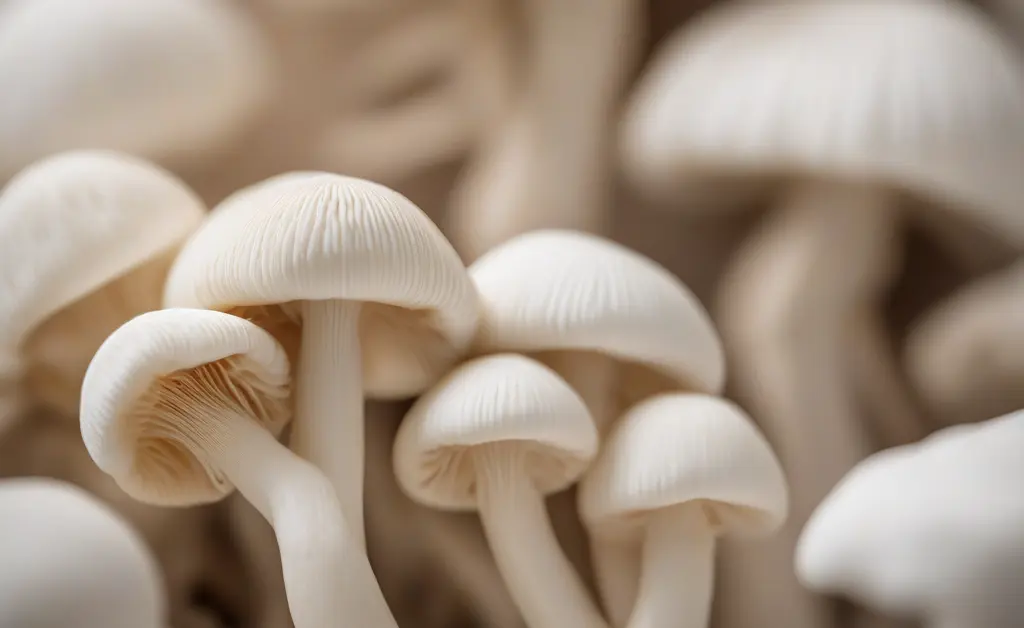
Listeriosis, the infection caused by Listeria monocytogenes, can present with a variety of symptoms, which may vary depending on the individual’s immune system and the severity of the infection. Recognizing these symptoms early is vital, especially when considering potential enoki mushroom side effects from contaminated produce.
Common symptoms of Listeria infection often resemble a mild flu. These may include fever, muscle aches, nausea, and diarrhea. For some individuals, particularly those in vulnerable groups, the infection can progress to more severe and invasive forms. These severe symptoms can include headache, stiff neck, confusion, loss of balance, and convulsions, indicating that the infection may have spread to the nervous system.
It’s important to be vigilant about these signs, particularly if enoki mushrooms have been consumed raw or undercooked, or if there’s any doubt about their handling. Early detection and consultation with a healthcare professional are crucial for managing potential enoki mushroom side effects related to Listeria.
Enoki Mushroom Side Effects Diarrhea
Diarrhea is one of the more common gastrointestinal symptoms that can arise from foodborne illnesses, including Listeriosis linked to contaminated enoki mushrooms. When the digestive system encounters pathogens like Listeria, it may respond with increased bowel movements as the body attempts to expel the harmful bacteria. While diarrhea can also be a symptom of various other conditions, its occurrence following the consumption of raw or undercooked enoki mushrooms should prompt consideration of potential foodborne illness.
Enoki Mushroom Side Effects Reddit
Online communities like Reddit often feature anecdotal accounts of personal experiences with various foods, including enoki mushrooms. Discussions about “enoki mushroom side effects” on such platforms frequently revolve around digestive issues like gas, bloating, or mild stomach discomfort, particularly if people eat them in large quantities or consume them raw. While these personal stories can offer insights into common mild reactions, it’s crucial to remember that they are not scientific evidence. For serious health concerns, especially those related to food safety risks like Listeria, relying on official health guidelines and scientific information is paramount. If you suspect a foodborne illness, seeking professional advice is recommended.
Enoki Mushroom Side Effects on Skin
Generally, enoki mushroom side effects do not commonly manifest as skin reactions. Allergic reactions to mushrooms are possible, though rare, and these might, in some cases, include skin symptoms such as hives or rashes. However, this is not a typical or widespread response. It’s important to distinguish between allergic reactions and symptoms of foodborne illness. Infections like Listeriosis primarily affect the gastrointestinal tract and can progress to more systemic issues, but they do not typically cause direct skin manifestations. Any persistent or severe skin reaction after consuming enoki mushrooms should be discussed with a healthcare provider.
Preventing Listeria Infection from Enoki Mushrooms
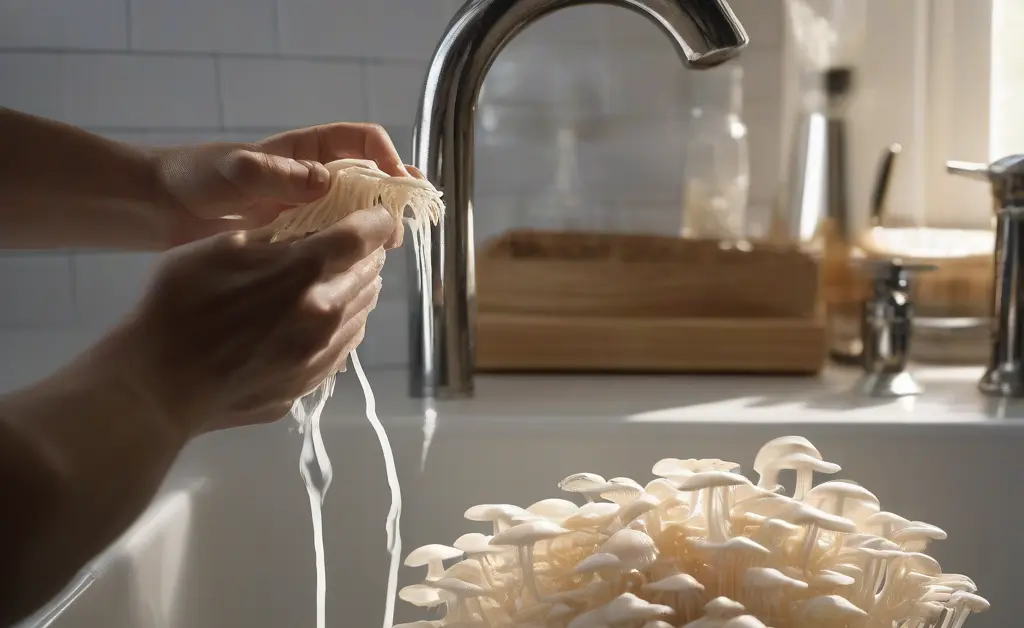
Preventing Listeria infection from enoki mushrooms primarily involves careful handling and thorough cooking. Given the potential risks, especially for vulnerable populations, proactive measures are essential to enjoy these mushrooms safely. Addressing potential enoki mushroom side effects related to bacterial contamination starts with rigorous food safety practices.
Safe handling and storage practices are foundational. Always wash hands thoroughly before and after handling raw enoki mushrooms. Keep raw mushrooms separate from other foods to prevent cross-contamination. Store them properly in the refrigerator and consume them within a reasonable timeframe, as Listeria can grow at cold temperatures. Discard any mushrooms that show signs of spoilage, such as sliminess or unusual odors.
The importance of thorough cooking cannot be overstated. Cooking enoki mushrooms to an appropriate internal temperature helps to destroy any Listeria monocytogenes bacteria that might be present. This is particularly crucial for individuals who are at a higher risk of severe Listeriosis, including pregnant individuals, older adults (65 years and above), and people with weakened immune systems. Guidelines are available for consuming enoki mushrooms during pregnancy. These vulnerable groups should always ensure enoki mushrooms are thoroughly cooked before consumption.
Therefore, it is generally recommended to avoid consuming raw enoki mushrooms, especially if you are in a high-risk group. While some cuisines traditionally use them raw, the potential for Listeria contamination means that cooking is the safest approach to prevent illness.
Understanding recall information and staying informed about food safety advisories can also help consumers make safe choices. For scientific information on food safety, you can consult resources from NCBI. By following these preventative measures, you can significantly reduce the risk of Listeria infection and enjoy enoki mushrooms with greater peace of mind.
Enoki mushrooms are a delightful culinary addition, but their consumption comes with an important food safety consideration: the risk of Listeria contamination. While the mushrooms themselves offer nutritional benefits, understanding and mitigating the potential for foodborne illness, particularly Listeriosis, is paramount. By adhering to strict food hygiene practices, including thorough washing and especially cooking enoki mushrooms completely, consumers can significantly reduce risks. Vulnerable populations, such as pregnant individuals, the elderly, and those with compromised immune systems, should exercise extra caution and always consume these mushrooms fully cooked. Prioritizing safe preparation ensures that the unique flavor and texture of enoki mushrooms can be enjoyed without undue worry about potential health implications.
The information presented in this article is educational and not meant as professional medical counsel. This content is intended for informational purposes only and does not constitute medical advice, diagnosis, or treatment. Always consult with a qualified healthcare professional for any health concerns or before making any decisions related to your health or treatment. The content is not a substitute for professional medical guidance.
FAQ
What are the dangers of eating enoki mushrooms?
Enoki mushrooms, like other raw mushrooms, can carry bacteria that may cause illness if not cooked thoroughly. Consuming them raw or undercooked poses a risk of foodborne illness. Proper preparation and cooking are key to enjoying these mushrooms safely.
Can enoki mushrooms cause food poisoning?
Yes, enoki mushrooms can cause food poisoning, particularly if they are contaminated with harmful bacteria such as Listeria monocytogenes. This risk is more pronounced when the mushrooms are consumed raw or not fully cooked. Ensuring they are heated to a sufficient temperature helps to neutralize potential pathogens.
What are the symptoms of getting sick from enoki mushrooms?
Symptoms of getting sick from enoki mushrooms are similar to other types of food poisoning. These can include fever, muscle aches, nausea, vomiting, and diarrhea. In more severe cases, a Listeria infection might lead to headaches, stiff neck, confusion, or even miscarriage in pregnant women.
Continue reading
You May Also Like
Understanding Listeria Risk in Enoki Mushrooms
Recent outbreaks linked to enoki mushroom listeria highlight the importance of understanding contamination risks and safe handling for consumers.
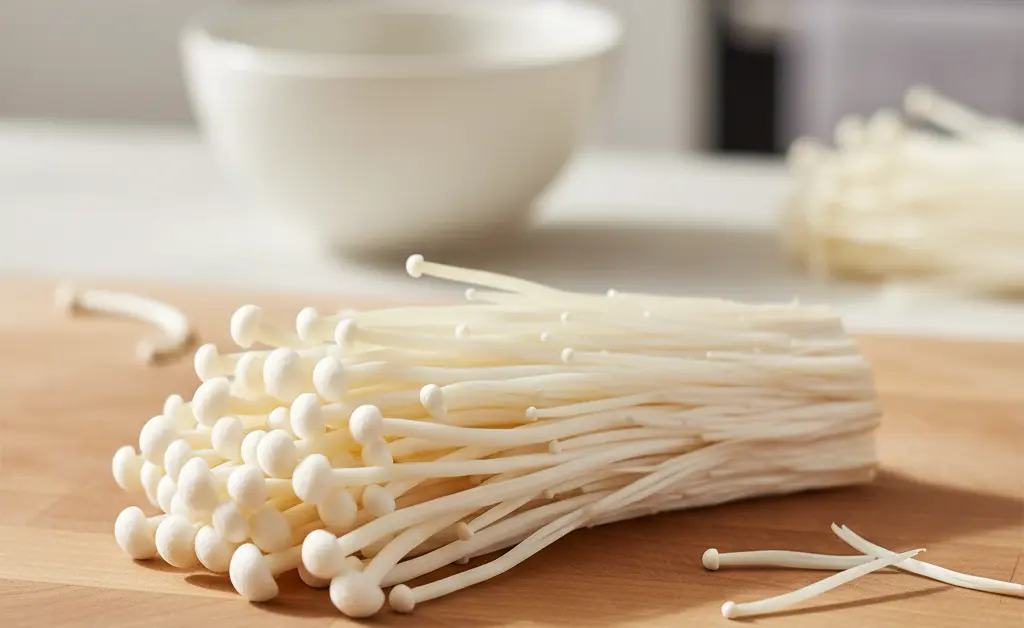
Understanding Listeria Risk in Enoki Mushrooms
Recent outbreaks linked to enoki mushroom listeria highlight the importance of understanding contamination risks and safe handling for consumers.

Understanding and Managing Enoki Mushroom Allergy
While rare, an enoki mushroom allergy can cause distinct reactions requiring a professional diagnosis to establish an effective management plan.