
Understanding Listeria Risk in Enoki Mushrooms
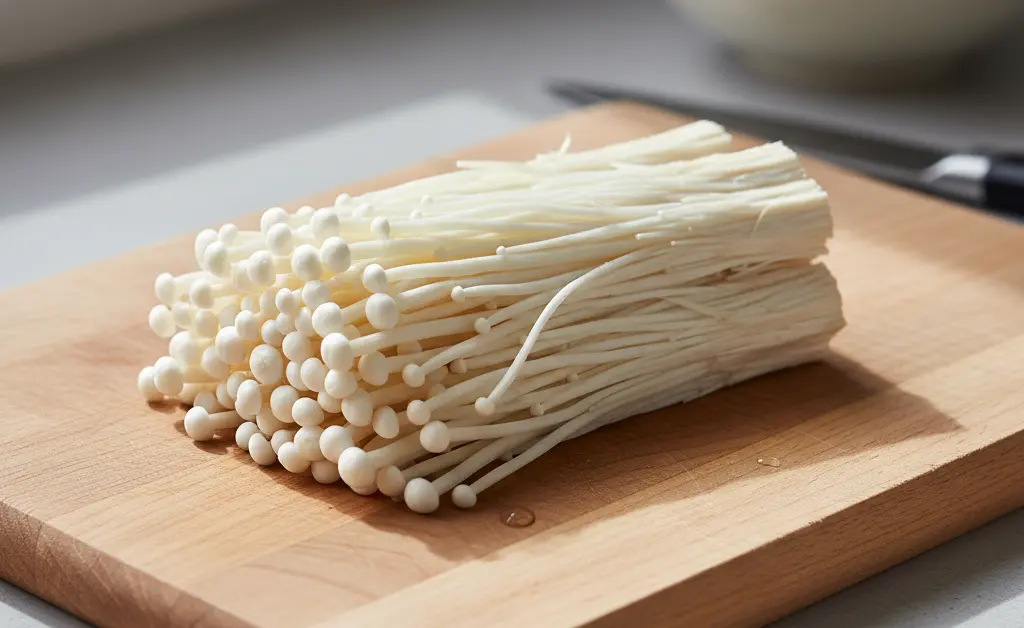
While many consumers might consider fresh produce, including delicate enoki mushrooms, to be a relatively low-risk food item in terms of bacterial contamination, the reality can sometimes present unexpected challenges. The assumption that simply washing or cooking these mushrooms guarantees complete safety overlooks potential issues arising from cultivation, harvesting, or packaging practices. Recent events have unfortunately brought to light specific concerns regarding enoki mushroom listeria, demonstrating that even widely consumed vegetables can become vectors for foodborne pathogens. This article aims to explore the nature of Listeria contamination in enoki mushrooms, detailing past outbreaks and recalls, and providing essential information on associated health risks and safe consumption practices to help consumers make informed decisions.
Enoki Mushroom Listeria Outbreaks and Recalls
Concerns surrounding food safety have increasingly brought enoki mushrooms under scrutiny, particularly due to instances of listeria contamination. Historically, this delicate fungus, widely appreciated in various cuisines, has been implicated in foodborne illness outbreaks, leading to significant public health alerts and product recalls. These events highlight the potential for enoki mushroom listeria to pose a serious risk if not properly managed throughout the supply chain and by consumers. Understanding the details of these past incidents is crucial for both regulators and consumers in preventing future occurrences and ensuring food safety.
Enoki Mushroom Recall Details
When an enoki mushroom recall is initiated, it typically involves a swift and coordinated effort to remove potentially contaminated products from circulation. These recalls are often triggered by routine testing by regulatory agencies or by reports of illness, indicating the presence of harmful pathogens like Listeria monocytogenes. The details surrounding such recalls are critical for public safety, informing consumers and businesses alike about the specific risks and necessary actions.
Affected Product and Brand
Recalls specifically identify the affected product by its name, packaging, and often include brand names and specific lot codes or best-before dates. This precision allows consumers to accurately determine if they possess the contaminated item. In the case of enoki mushroom listeria, the affected products are usually fresh enoki mushrooms sold in various packaging formats, which helps narrow down the scope of the recall and target the specific batches at risk.
Issuing Company
The issuing company is typically the distributor, importer, or producer responsible for the contaminated product. This company takes the lead in announcing the recall, often in cooperation with regulatory bodies. Their role includes informing retailers, providing instructions for product return or disposal, and managing public communications regarding the enoki mushroom recall.
Reason for Recall
The primary reason for an enoki mushroom recall linked to listeria is the detection of Listeria monocytogenes in product samples. This bacterium, even in small quantities, can pose a health risk, particularly to vulnerable populations. The recall is a proactive measure to prevent consumers from becoming ill by consuming contaminated enoki mushrooms.
Regulatory Authority Involved
Food safety recalls are often overseen and enforced by national or regional food regulatory authorities. These agencies are responsible for monitoring food safety standards, conducting inspections, and verifying that companies comply with recall procedures. Their involvement ensures that recalls are conducted effectively and that public health is protected.
What to do if you have the Recalled Product
Consumers who discover they have a recalled enoki mushroom product should not consume it. The standard advice is to either dispose of the product immediately in a sealed bag to prevent further contamination or return it to the place of purchase for a refund. It is important to follow the specific instructions provided in the recall notice.
Contact Information for Recall
Recall notices always include contact information for the issuing company or the relevant regulatory authority. This allows consumers to ask questions, obtain further information about the recall, or inquire about refund procedures. This direct line of communication is vital for an effective and transparent recall process.
Listeria Contamination and Enoki Mushrooms
The presence of Listeria monocytogenes in fresh produce, including enoki mushrooms, is a significant food safety concern. This bacterium is ubiquitous in nature and can be found in soil, water, and animal feces, making it a potential contaminant for various food items. For enoki mushrooms, contamination can occur at multiple points along the production chain, from cultivation and harvesting to processing and packaging. Understanding how enoki mushroom listeria enters the food supply is crucial for implementing effective preventative measures.
What is Listeria Monocytogenes?
Listeria monocytogenes is a type of bacterium that can cause a serious infection called listeriosis. Unlike many other foodborne pathogens, Listeria can survive and even multiply at refrigeration temperatures, making it a particularly challenging contaminant for ready-to-eat foods. It is commonly found in raw milk, soft cheeses, deli meats, and raw produce. Its ability to thrive in cold environments underscores the importance of proper handling and cooking, especially for items like enoki mushrooms that may be consumed raw or lightly cooked.
Associated Health Risks
While healthy individuals may experience only mild, flu-like symptoms if infected with Listeria monocytogenes, certain groups face a much higher risk of severe illness. These include pregnant women, newborns, older adults, and people with weakened immune systems. For these vulnerable populations, listeriosis can lead to serious complications such as meningitis, encephalitis, septicemia, and in pregnant women, may potentially cause miscarriage, stillbirth, or premature delivery. Understanding the specific risks of enoki mushroom during pregnancy is particularly crucial for expectant mothers. For more detailed information on specific health conditions, resources like the NIH provide comprehensive guidance. Therefore, preventing enoki mushroom listeria contamination is a critical public health objective. Consumers should also be aware of potential enoki mushroom side effects beyond bacterial contamination, which could include allergic reactions or digestive issues.
Enoki Mushroom Safety and Consumption
Ensuring the safety of enoki mushrooms for consumption requires diligence from both producers and consumers. Given the potential for enoki mushroom listeria contamination, adopting best practices for handling and preparation is paramount. While thorough cooking can destroy bacteria, many consumers enjoy enoki mushrooms lightly cooked or even raw in salads, which increases the importance of understanding and mitigating risks. Implementing safe handling procedures can significantly reduce the likelihood of foodborne illness.
Listeria Symptoms and Risks
Symptoms of listeriosis can vary and may include fever, muscle aches, nausea, diarrhea, headache, stiff neck, confusion, loss of balance, and convulsions. These symptoms can appear days or even weeks after consuming contaminated food. As mentioned, the risks are significantly higher for certain vulnerable groups. Individuals who are pregnant, elderly, or immunocompromised should exercise particular caution with foods that may be prone to listeria contamination, such as raw or lightly cooked enoki mushrooms. Parents might also wonder about the safety of enoki mushroom for kids, especially given their delicate digestive systems.
To mitigate the risks associated with enoki mushroom listeria and other foodborne pathogens, consumers are advised to always wash hands thoroughly before and after handling raw produce. While washing enoki mushrooms may help remove some surface contaminants, it cannot eliminate bacteria that may have entered the mushroom’s tissue. Therefore, cooking enoki mushrooms thoroughly is generally recommended to ensure safety, especially for at-risk individuals. Proper preparation can also aid in enoki mushroom digestion, making them more palatable and easier on the stomach. Pay attention to recall notices and follow public health guidelines to make informed choices about food consumption.
This article is written for general understanding and not for medical decision-making. The information provided herein is for informational purposes only and should not be considered a substitute for professional medical advice, diagnosis, or treatment. Always consult with a qualified healthcare provider for any health concerns or before making any decisions related to your health or well-being. Food safety practices are essential, and consumers should follow guidelines from public health authorities.
FAQ
Is there a recall on enoki mushrooms?
Recalls for specific food products, including enoki mushrooms, can occur due to safety concerns detected by regulatory agencies or the companies themselves. These actions are taken to protect public health when a product is found to be potentially contaminated or otherwise unsafe for consumption. Information about ongoing recalls is typically made public through official channels.
Which brand of enoki mushrooms is recalled?
When a recall is issued, the specific brands and product details are clearly identified in the official announcements. This allows consumers to easily determine if the enoki mushrooms they have purchased are affected by the recall. It is important to check the specific details of any announced recall to identify the brands involved.
What company issued the enoki mushroom recall?
Recalls are often initiated by the food manufacturers or distributors themselves, or they may be prompted by investigations from food safety authorities. The company or entity responsible for the product’s distribution will be named in the recall notice. This ensures transparency and accountability in the food safety process.
What are the risks of Listeria in enoki mushrooms?
Listeria monocytogenes is a bacterium that can be present in various foods, and its presence in enoki mushrooms poses a potential health risk. Ingesting food contaminated with Listeria can lead to a serious infection called listeriosis, which can be particularly dangerous for pregnant individuals, newborns, older adults, and those with weakened immune systems. The risks associated with Listeria in enoki mushroom consumption highlight the importance of food safety monitoring.
What should I do with recalled enoki mushrooms?
If you have purchased enoki mushrooms that are part of a recall, it is recommended to follow the specific instructions provided in the recall notice. These instructions typically involve discarding the product or returning it to the place of purchase for a refund. Avoiding consumption is the primary goal to prevent potential health hazards.
Where can I find information about enoki mushroom recalls?
Official government food safety websites, such as those from the FDA in the United States or similar agencies in other countries, are reliable sources for information on food recalls. Companies also typically communicate recalls through their own websites and press releases. Checking these official sources ensures you have accurate and up-to-date information regarding any affected products.
Continue reading
You May Also Like
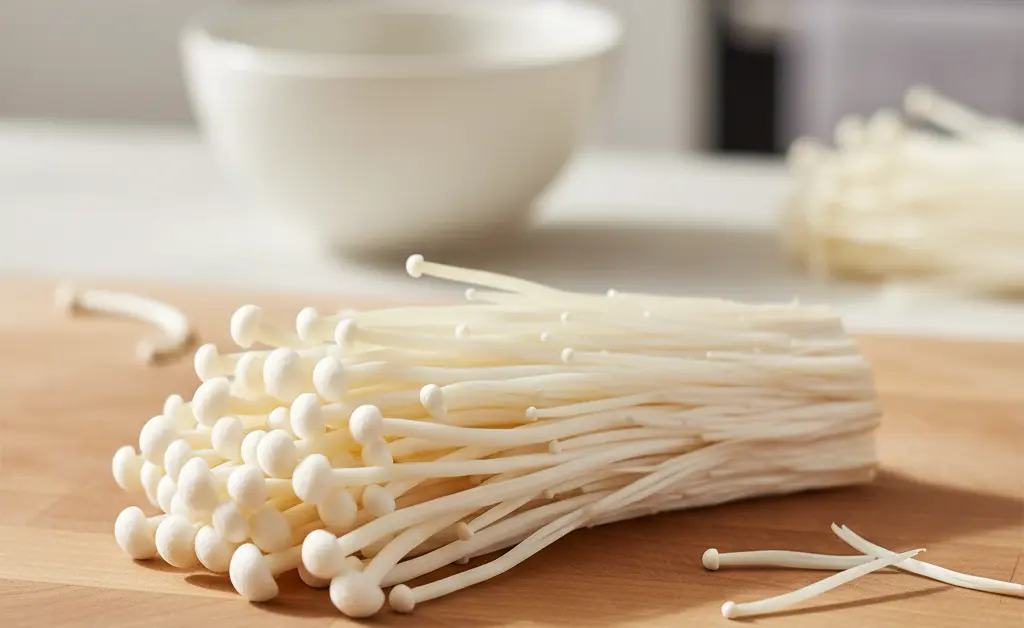
Understanding Listeria Risk in Enoki Mushrooms
Recent outbreaks linked to enoki mushroom listeria highlight the importance of understanding contamination risks and safe handling for consumers.
Understanding the Listeria Risk in Enoki Mushrooms
While generally safe when cooked, the main enoki mushroom side effects are linked to the serious risk of Listeria contamination if consumed raw.
Understanding and Managing Enoki Mushroom Allergy
While rare, an enoki mushroom allergy can cause distinct reactions requiring a professional diagnosis to establish an effective management plan.