
Why Are Enoki Mushrooms So Hard to Digest?
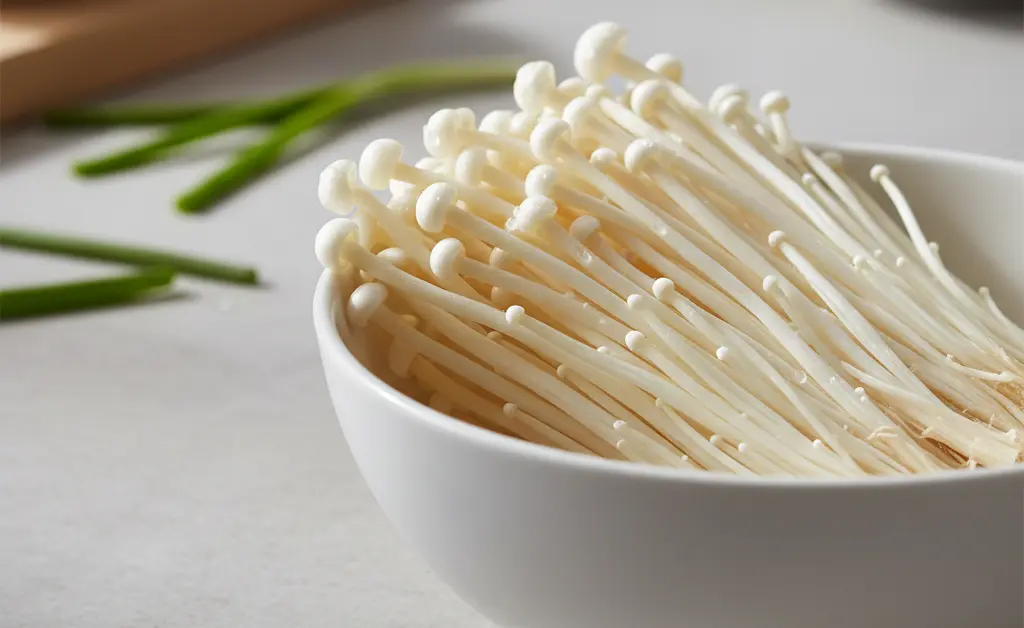
A common problem people face after eating enoki mushrooms is digestive discomfort or noticing undigested pieces in their stool. Many culinary enthusiasts enjoy these delicate, long-stemmed fungi for their unique texture and ability to absorb flavors in soups, stir-fries, and hot pots. However, despite their popularity, questions often arise regarding their digestibility. It’s not uncommon for individuals to wonder why these seemingly harmless mushrooms can sometimes lead to an unsettled stomach or other gastrointestinal issues. Understanding the underlying reasons for challenging enoki mushroom digestion is crucial for enjoying them without unwelcome after-effects. This article explores the specific characteristics of enoki mushrooms that contribute to their complex breakdown in the human digestive system, offering insights into how to better manage their consumption and optimize their benefits.
Enoki Mushroom Digestion
The process of enoki mushroom digestion, like that of many fungi, involves breaking down complex carbohydrates and structural components in the digestive system. While many plant-based foods are relatively easy for the human body to process, mushrooms present a unique challenge. They contain specific types of fibers and cellular structures that are not readily broken down by human digestive enzymes. This often leads to a more prolonged and sometimes incomplete digestive process compared to other vegetables. Understanding these particularities can shed light on why some individuals experience discomfort after consuming enoki mushrooms. Concerns about specific enoki mushroom side effects are common among consumers.
Are Enoki Mushrooms Digestive-Friendly?
For some individuals, enoki mushrooms may not be considered entirely digestive-friendly. While they are low in calories and rich in certain nutrients, their unique composition can pose challenges. The primary reason for potential digestive issues stems from their cell walls, which are largely made of chitin. Chitin is a robust polysaccharide also found in the exoskeletons of insects and shellfish, and humans do not produce the enzyme chitinase, which is necessary to break it down effectively. This means that a significant portion of the mushroom’s structure can pass through the digestive tract relatively intact, contributing to enoki mushroom digestion problems for sensitive individuals. The delicate, stringy nature of enoki mushrooms can also make them difficult to chew thoroughly, further impeding breakdown. Careful consideration is often given to introducing enoki mushroom for kids due to their unique digestive properties.
Is Enoki Good for the Gut?
Despite potential digestive challenges, enoki mushrooms do offer properties that can be beneficial for gut health. They are a good source of dietary fiber, including both soluble and insoluble types. This fiber content can act as a prebiotic, feeding beneficial gut bacteria and supporting a healthy gut microbiome. A balanced microbiome is associated with improved digestive function and overall well-being. Additionally, enoki mushrooms contain various vitamins, minerals, and antioxidants that contribute to general health. Therefore, while their unique structure may present digestive hurdles for some, their nutritional profile suggests potential advantages for the gut when consumed appropriately. It is important to consider the safety of consuming enoki mushroom during pregnancy, as with any dietary changes.
Why Enoki Mushroom Is Hard to Digest
The primary reason enoki mushroom digestion can be challenging lies in its structural composition. As mentioned, the cell walls of enoki, like other fungi, contain chitin. Unlike the cellulose found in plant cell walls, which can be partially broken down by gut bacteria, chitin is particularly resistant to human digestive enzymes. This resilience means that even well-chewed enoki pieces may retain their structural integrity as they pass through the stomach and small intestine. Furthermore, enoki mushrooms have a high fiber content, which while beneficial, also contributes to their indigestibility if not properly prepared or if the individual has a sensitive digestive system. The long, thin strands of enoki mushrooms also tend to clump together, making them harder to break down mechanically through chewing, which is an initial crucial step in efficient digestion. Consumers should also be aware of potential food safety issues, such as the risk of enoki mushroom listeria contamination if not handled properly. Information on human digestive processes and enzymes is often available from reputable sources such as the NIH.
Enoki Mushroom in Stool
Observing enoki mushroom in stool is a relatively common occurrence and a direct indicator of incomplete enoki mushroom digestion. This phenomenon is primarily due to the high chitin content and tough fibers that resist breakdown by digestive enzymes. When these mushrooms are not thoroughly chewed or are consumed in larger quantities, the digestive system struggles to process them fully. As a result, small, undigested pieces of enoki mushroom can pass through the gastrointestinal tract and appear in the stool. While generally harmless, this can be a surprising and sometimes concerning experience for individuals unfamiliar with the unique digestive properties of fungi. It serves as a visual reminder of the human body’s limited capacity to break down certain complex fungal components.
Ultimately, while enoki mushrooms offer unique culinary appeal and nutritional benefits, their particular structure can make enoki mushroom digestion challenging for some. The presence of chitin and resistant fibers means they are not always fully broken down by the human digestive system, sometimes leading to discomfort or the appearance of undigested pieces. However, understanding these characteristics allows for informed consumption. Proper preparation, including thorough cooking and adequate chewing, may help improve their digestibility and allow individuals to enjoy their flavor and potential gut-supporting properties more comfortably.
Readers should understand that this article does not offer medical diagnosis or treatment. The information provided is intended for general knowledge and informational purposes only, and does not constitute medical advice. It is essential to consult with a qualified healthcare professional for any health concerns or before making any decisions related to your health or diet.
FAQ
Why is enoki mushroom difficult to digest?
Enoki mushrooms contain chitin, a fibrous material that makes up their cell walls and is not easily broken down by human digestive enzymes. This indigestible fiber, also found in the exoskeletons of insects, can contribute to digestive challenges for some individuals. Cooking enoki mushrooms thoroughly helps to break down some of these tough cell walls, making them more digestible.
Continue reading
You May Also Like

The Essential Guide to Cooking Enoki Mushrooms
Properly cooking enoki mushrooms is key to preserving their delicate cellular structure, resulting in a signature mild flavor and satisfying bite.
Everything You Need to Know About Enoki Mushrooms
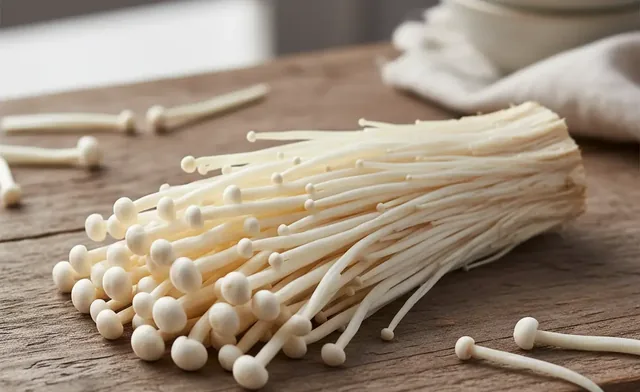
The delicate enoki mushroom is prized for its unique health benefits and culinary versatility, with key nutrition facts you should know.
The Secret to Perfectly Crispy Air-Fried Enoki
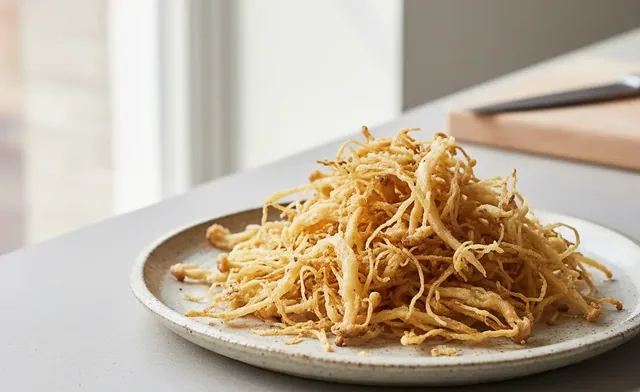
This simple enoki mushroom air fryer recipe delivers a deliciously crispy and savory snack in minutes with easy-to-follow instructions.