
Introducing Your Kids to Enoki Mushrooms
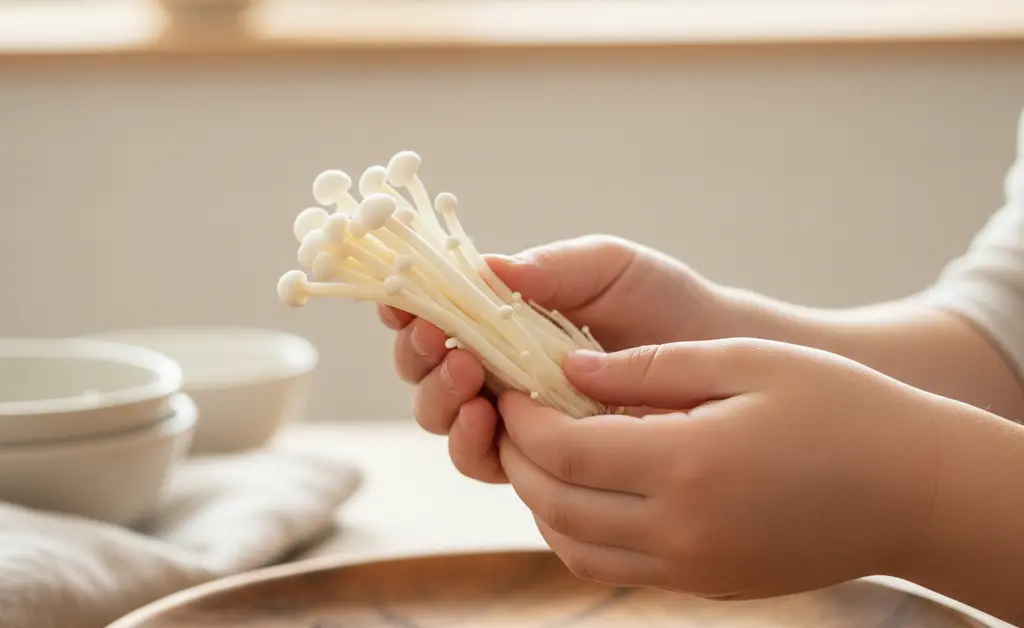
How can parents introduce new and intriguing foods, especially various types of mushrooms, into their children’s meals? It’s a common challenge to expand a child’s palate beyond familiar favorites. This article aims to make that process easier by exploring the unique characteristics and benefits of enoki mushrooms. Known for their delicate texture and mild flavor, enoki can be a fantastic addition to a healthy diet. We will delve into nutritional aspects, offer appealing recipes, and provide practical tips to ensure that incorporating enoki mushroom for kids becomes an enjoyable experience for the whole family. Discover creative ways to make these slender fungi a welcome sight on your dinner table.
Enoki Mushroom Nutrition and Benefits for Kids
Exploring the nutritional value of enoki mushroom for kids reveals a number of beneficial components. These delicate fungi are more than just a tasty addition; they also offer a range of nutrients that can support a growing child’s diet. Enoki mushrooms are known to contain various B vitamins, such as niacin and pantothenic acid, which play roles in energy metabolism. They also provide dietary fiber, which can aid in digestive health. Beyond vitamins, enoki mushrooms offer minerals like potassium, which is important for maintaining fluid balance, and phosphorus. While not a primary source for all nutrients, their inclusion can contribute to a more diverse and nutrient-rich diet, helping children develop a broader palate and enjoy varied textures.
Enokitake Facts for Kids
Enokitake, the Japanese name for enoki mushrooms, are fascinating fungi with a unique appearance. They grow in long, slender clusters, often described as looking like tiny white sprouts or noodles. Unlike many other mushrooms, enoki grow naturally on trees like hackberry, persimmon, and ash, thriving in cooler temperatures. When cultivated, they are grown in dark, carbon dioxide-rich environments, which encourages their distinctive long stems and small caps. These interesting facts can spark a child’s curiosity about where food comes from, making mealtime a learning opportunity. Their mild flavor and slightly crunchy texture make them an accessible and intriguing vegetable for young eaters. Ensuring proper handling and cooking is important to avoid concerns like enoki mushroom listeria, a general food safety consideration for produce.
Kid-Friendly Enoki Mushroom Recipes
Crafting delicious and appealing dishes with enoki mushroom for kids can be surprisingly simple and rewarding. The key is to integrate them into meals that children already enjoy or to present them in a fun, accessible way. Their mild taste allows them to blend seamlessly into various preparations without overpowering other flavors. From incorporating them into familiar dishes to trying new culinary adventures, enoki mushrooms can become a versatile ingredient in your family kitchen, opening up a world of textures and tastes for developing palates. For general health and dietary advice, reputable sources like the NHS offer comprehensive guidelines.
Easy enoki mushroom recipe
For a straightforward introduction, consider a simple sautéed enoki dish. Gently cook chopped enoki mushrooms in a pan with a touch of olive oil or butter until tender. A dash of a mild, child-friendly seasoning like a pinch of garlic powder or a very light soy sauce can enhance the flavor. This preparation allows children to experience the unique texture and subtle taste of enoki without being overwhelmed. It can be served as a side dish or mixed into rice or pasta for added volume and nutrition.
Enoki mushroom soup
Enoki mushrooms are a wonderful addition to soups, where their delicate texture can be appreciated without being too chewy. Add them to a clear chicken broth or a mild vegetable soup during the last few minutes of cooking. They absorb the flavors of the broth beautifully and add a delightful, noodle-like quality. This can make the soup more interesting and enjoyable for children, providing a gentle introduction to eating mushrooms in a comforting format.
Enoki Mushroom Pancakes (Jeon)
Inspired by Korean cuisine, enoki mushroom pancakes, or “Jeon,” are a creative way to serve these fungi. Mix finely chopped enoki with a simple pancake batter made from flour, egg, and water, along with other shredded vegetables if desired. Pan-fry small portions until golden brown and cooked through. These savory pancakes can be served with a very mild dipping sauce or enjoyed plain. The texture of the enoki becomes softer within the pancake, often making it more palatable for children who might be sensitive to texture.
Simple Stir-Fried Enoki Dishes for Kids
Stir-frying is an excellent method for enoki, as it maintains some of their delicate crunch while allowing them to absorb other flavors. Combine enoki with other quick-cooking vegetables like bell peppers, carrots, or peas, and a protein such as chicken or tofu. Use a light sauce, perhaps a low-sodium soy sauce or a sweet and savory glaze, keeping the flavors mild and appealing to young tastes. This approach can make enoki feel like a familiar component within a colorful and engaging meal.
Incorporating Enoki into Soups and Broths
Beyond traditional soups, enoki mushrooms can be added to various broths, stews, and even ramen-style dishes. Their thin strands naturally separate, blending well with other ingredients and adding a pleasing texture. Consider adding them to a mild miso soup, a simple vegetable broth with noodles, or even a homemade chicken noodle soup. The warmth and moisture of these dishes help tenderize the enoki, making them an easy-to-eat ingredient that subtly enhances the overall meal.
Tips for Making Enoki Mushrooms Appealing to Children
Introducing enoki mushroom for kids requires patience and creativity. Children often respond well to foods presented in a fun and non-pressured way. The goal is to make the experience positive and to encourage exploration rather than forcing consumption. By understanding children’s typical preferences and adapting presentation and preparation, parents can increase the likelihood of success when adding new foods like enoki to the family menu. When introducing any new food, including enoki, it’s always good practice to observe for any potential enoki mushroom side effects, though they are generally well-tolerated.
Addressing Texture Preferences for Young Eaters
Children can be sensitive to food textures. For enoki mushrooms, their long, stringy nature might be a hurdle for some. To address this, consider chopping the enoki into smaller, more manageable pieces before cooking. For very young children or those with strong texture aversions, finely dicing and incorporating them into a puréed sauce or a baked good where their texture is less noticeable can be helpful. Alternatively, cooking them until very soft can alter their consistency to be less stringy and more tender. As with any new food, it’s wise to be mindful of potential food sensitivities or an enoki mushroom allergy, especially in children with known food sensitivities.
Pairing Enoki with Familiar Kid-Friendly Flavors
One of the most effective strategies is to pair enoki mushrooms with foods and flavors your child already loves. If they enjoy pasta with butter and cheese, try mixing finely chopped, sautéed enoki into the sauce. If chicken nuggets are a favorite, offer a small portion of enoki as a “side dip” companion. Introducing new foods alongside comforting favorites can create a bridge, making the unfamiliar feel safer and more approachable. Flavors like mild cheese, tomato sauce, or a touch of sweetness can mask or complement the enoki’s subtle taste.
Creative Presentation Ideas for Meals
Visual appeal plays a significant role in encouraging children to try new foods. Enoki mushrooms, with their unique shape, lend themselves to creative presentations. You might arrange them to look like little trees or create patterns on a plate. Serving them as part of a “deconstructed” meal where children can pick and choose components can also be effective. For instance, offer a platter with different vegetables, a protein, and a small pile of enoki, allowing them to build their own plate. Making mealtime interactive and fun can significantly increase a child’s willingness to experiment with new tastes and textures.
Introducing enoki mushrooms to children can be an enriching experience, expanding their culinary horizons and providing them with beneficial nutrients. By focusing on creative preparations, thoughtful presentation, and a patient approach, parents can turn these slender fungi into a welcome and nutritious addition to family meals. Experiment with different recipes and techniques to find what works best for your child, making the journey of food discovery an enjoyable one for everyone.
The purpose of this content is to educate, not to diagnose or treat. Information provided herein is intended for general knowledge and informational purposes only, and does not constitute medical advice or substitute for professional medical care. Always consult with a qualified healthcare professional for any health concerns or before making any decisions related to your health or the health of your child. This content is not intended to provide specific dietary recommendations or to prescribe any particular course of action.
FAQ
How can I cook enoki mushrooms so children will eat them?
Enoki mushrooms can be incorporated into dishes where their texture and flavor are less pronounced, such as finely chopped and mixed into meatballs, pasta sauces, or omelets. Frying them until crispy can also make them more appealing to children who prefer crunchy textures. The mild, slightly savory taste of enoki can blend well with other ingredients.
What are easy enoki mushroom recipes for kids?
Simple preparations like stir-frying enoki with other vegetables in a mild sauce or adding them to noodle soups are often well-received. Grilling them with a touch of soy sauce or butter can also enhance their flavor and make them an easy side dish. These methods allow the mushrooms to cook quickly and absorb the flavors of the other ingredients.
How do you prepare enoki mushroom jeon for young children?
To prepare enoki mushroom jeon for young children, you can finely chop the enoki and mix them into a batter made with flour, egg, and a little milk or water. Adding shredded carrots or zucchini to the batter can introduce more vegetables and a hint of sweetness. Pan-frying these fritters until golden and slightly crispy can create an enjoyable texture for little ones.
What are good ways to introduce enoki mushrooms to toddlers?
Introducing enoki mushrooms to toddlers can be done by first finely dicing them and incorporating them into familiar foods like scrambled eggs, quesadillas, or muffins. Serving them cooked until very tender and mixed with mild seasonings can help ease them into new tastes and textures. Gradually increasing the amount or visibility of the mushrooms as they become more accustomed to them is also beneficial.
How to make enoki mushrooms palatable for picky eaters?
For picky eaters, it’s helpful to mask the distinctive texture and flavor of enoki mushrooms by mincing them very finely and adding them to dishes with strong, appealing tastes like seasoned stir-fries or cheesy casseroles. Frying them until they are crisp can also transform their texture into something more universally liked. Their subtle taste allows them to be a stealthy addition to many recipes.
Is enoki mushroom good for kids?
Enoki mushrooms offer various nutrients that can contribute to a balanced diet for children. They contain dietary fiber, which supports digestive health, and are also a source of B vitamins, important for energy metabolism. Including them as part of a varied diet can be beneficial for overall well-being.
Can babies eat enoki?
Babies can typically eat enoki mushrooms once they have started solid foods and have been introduced to a variety of textures and flavors. It’s important to ensure the mushrooms are cooked thoroughly until very soft and then finely chopped or pureed to prevent any choking hazards. Always observe for any new food sensitivities when introducing any new ingredient to a baby’s diet.
Continue reading
You May Also Like
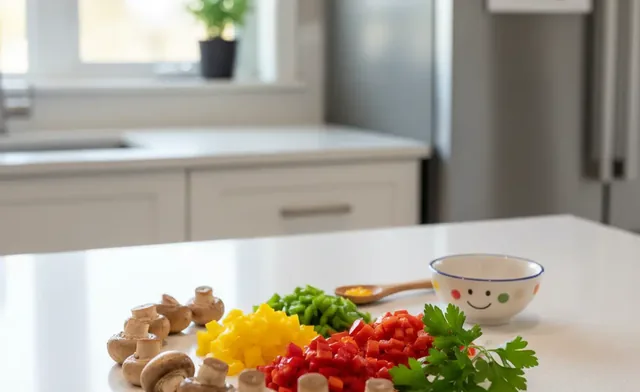
Why Button Mushrooms Are a Great Choice for Your Kids
Get the facts on button mushroom for kids, from their key nutritional benefits to safe preparation methods and simple recipes for picky eaters.
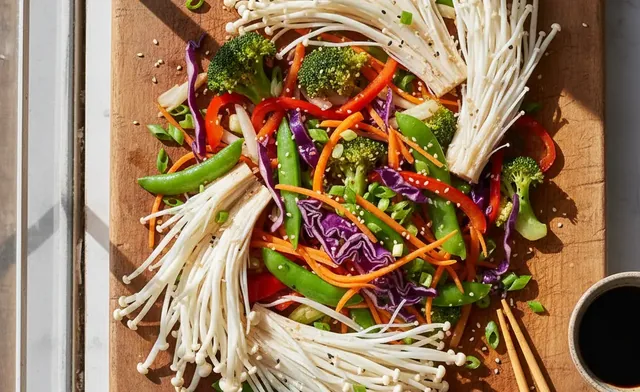
The Essential Guide to Cooking Enoki Mushrooms
Properly cooking enoki mushrooms is key to preserving their delicate cellular structure, resulting in a signature mild flavor and satisfying bite.
How to Cook Mushrooms Kids Will Actually Eat
Cooking mushrooms for kids can be simple and fun with our guide on how to select and prepare them, plus tasty recipes even picky eaters enjoy.