
Do Enoki Mushrooms Actually Have Seeds?
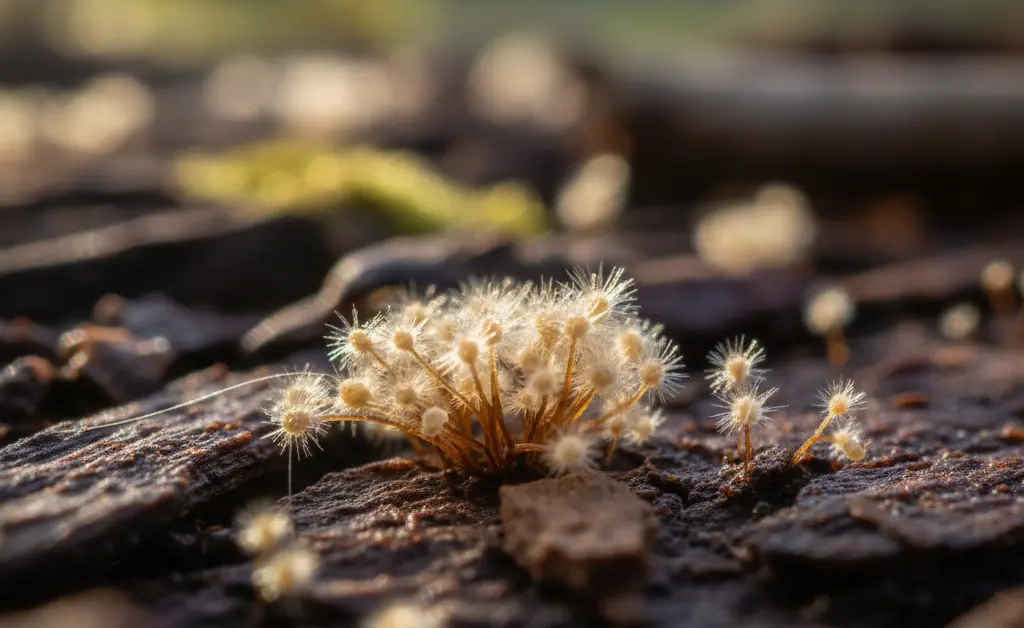
I was preparing a delicious hot pot the other night, slicing through a fresh bunch of enoki mushrooms. Their delicate stems and tiny caps always add a wonderful texture to the broth. As I carefully separated them, a thought crossed my mind: where do these fascinating fungi come from? Do they grow from tiny enoki mushroom seeds, much like garden vegetables, or is there a completely different process at play? This question sparked my curiosity about their propagation and cultivation. Many people assume that mushrooms, like plants, start from some form of seed. However, the world of fungi operates on principles quite distinct from the plant kingdom. This article will delve into the true nature of mushroom reproduction, clarifying common misunderstandings about how enoki mushrooms begin their life cycle and what terms like “seeds” actually refer to in the mycological context.
Understanding Enoki Mushroom “Seeds”
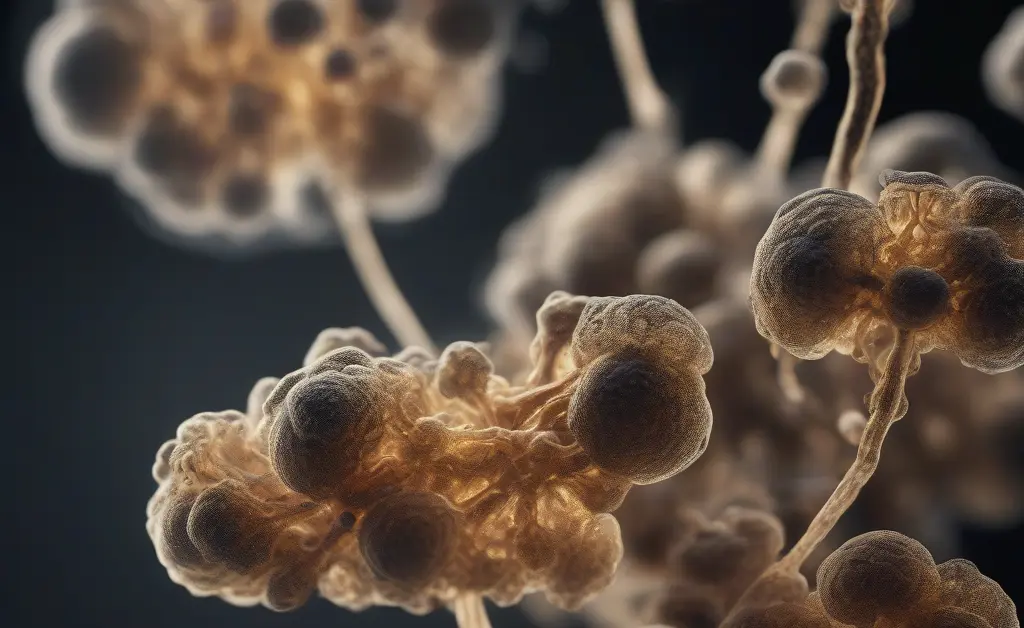
When people refer to “enoki mushroom seeds,” they are often using a familiar plant-based term to describe something entirely different in the fungal world. Fungi, including enoki mushrooms, do not produce seeds. Instead, they reproduce primarily through spores. Spores are microscopic reproductive units, somewhat analogous to plant seeds in their function of dispersal and initiation of new life, but fundamentally different in structure and biological mechanism. For detailed information on biological mechanisms, resources like the NIH provide extensive research data. These spores are incredibly tiny and are released from the gills found on the underside of a mature mushroom cap. Under ideal conditions, these spores can germinate and develop into a network of fine, thread-like structures called mycelium, which is the vegetative body of the fungus. It is this mycelial network that eventually produces the visible mushroom.
The Spore-to-Mushroom Life Cycle
The life cycle of an enoki mushroom, like most fungi, begins with a spore. When a spore lands in a suitable environment with adequate moisture, nutrients, and temperature, it germinates. This germination leads to the growth of hyphae, which are individual microscopic filaments. As these hyphae grow and branch, they form a vast, interconnected web known as mycelium. This mycelial network acts as the primary feeding and growing structure, absorbing nutrients from its substrate. Once the mycelium has colonized its substrate sufficiently and environmental conditions are favorable (such as specific light, humidity, and temperature cues), it begins to form tiny knots, which eventually develop into pinheads. These pinheads then mature into the familiar fruiting bodies we recognize as enoki mushrooms. Unlike a plant growing from a seed, the entire process is driven by the mycelium, with spores serving as the initial propagule rather than a true seed.
Common Misconceptions About Enoki “Seeds”
The most significant misconception surrounding enoki mushrooms is the idea that they grow from “seeds” in the same way vegetables do. This comparison is inaccurate because fungi belong to a different kingdom of life altogether. Plants use seeds, which contain an embryo, stored food, and a protective coat, to reproduce. Fungi, on the other hand, produce spores that are much simpler, unicellular structures lacking an embryo. Another common misunderstanding is confusing mushroom spawn or liquid culture with enoki mushroom seeds. Spawn is essentially a substrate (like grains or sawdust) that has been inoculated with living mycelium. Liquid culture is a sterile nutrient solution containing suspended mycelial cells. Both spawn and liquid culture are used by cultivators to start new mushroom growth, but neither is a “seed.” Understanding this distinction is crucial for anyone interested in successful enoki mushroom cultivation, as searching for “enoki mushroom seeds” will likely lead to incorrect or non-existent products.
Where to Buy Enoki Mushroom Seeds
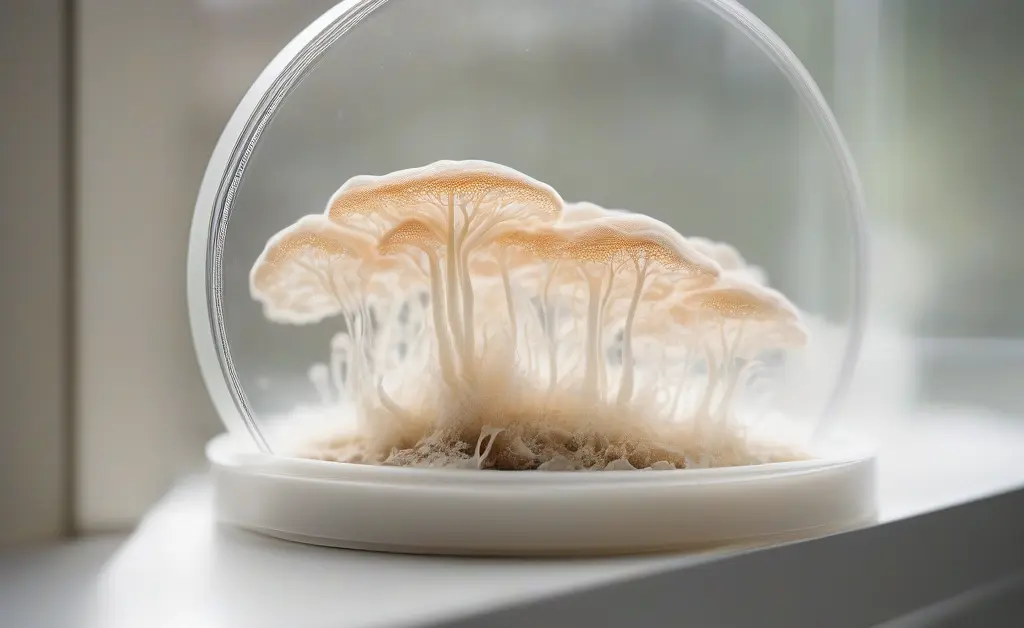
As established, true “enoki mushroom seeds” do not exist. What cultivators actually seek when they use this term are mushroom spawn or liquid culture for enoki. These products contain the living mycelium or spores ready for propagation. You can typically find these materials from specialized mycological suppliers, online retailers dedicated to mushroom cultivation, or sometimes at gardening supply stores that cater to exotic plant or fungi growers.
When purchasing, look specifically for “enoki spawn” or “enoki liquid culture.” Spawn is usually grain-based (like rye or millet) or sawdust-based and comes in bags or jars, ready to inoculate a larger substrate. Liquid culture comes in syringes and is used to inoculate grains or other sterile media. For beginners, an enoki mushroom grow kit can be an excellent starting point. Ensuring you buy from a reputable source is important to guarantee the viability and purity of the culture, which is essential for successful enoki mushroom cultivation at home or on a larger scale. Avoid any products explicitly marketed as “enoki mushroom seeds,” as these are likely mislabeled or misrepresent the actual biological material.
In conclusion, while the idea of “enoki mushroom seeds” is a natural assumption given how many other food sources propagate, the world of fungi operates by its own unique biological rules. Enoki mushrooms, like all fungi, reproduce through spores, which are vastly different from plant seeds. These spores germinate into mycelium, the actual growth engine that eventually produces the visible mushrooms we enjoy. Understanding this fundamental difference is key to appreciating the fascinating life cycle of fungi and for anyone looking to cultivate these delicate and delicious mushrooms themselves. Instead of searching for non-existent seeds, aspiring growers should focus on obtaining high-quality enoki spawn or liquid culture to embark on their cultivation journey.
This material is shared for educational insight, not for clinical decision-making. The information provided is intended for general knowledge and understanding of mushroom biology and cultivation. It is not a substitute for professional advice regarding health conditions, dietary needs, or agricultural practices. Always consult with appropriate experts for specific guidance relevant to your individual circumstances.
FAQ
What are enoki mushroom seeds called?
Enoki mushrooms do not produce seeds in the way that plants do; instead, they reproduce through spores. These microscopic spores are released from the mushroom and, under the right conditions, can germinate and grow into a new mycelial network. The cultivation of enoki mushrooms typically starts with a liquid culture or colonized grain spawn, which contains the living mycelium.
Continue reading
You May Also Like
The Essential Guide to Cooking Enoki Mushrooms
Properly cooking enoki mushrooms is key to preserving their delicate cellular structure, resulting in a signature mild flavor and satisfying bite.
Everything You Need to Know About Enoki Mushrooms
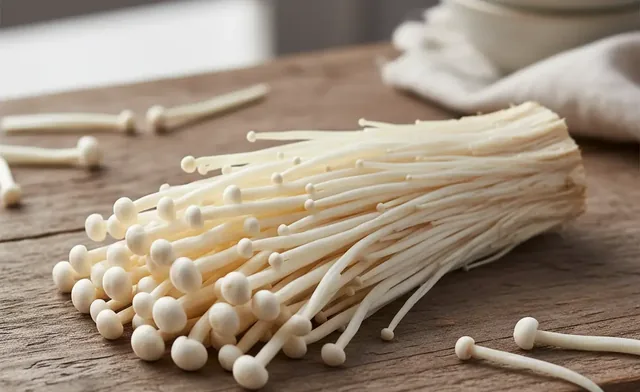
The delicate enoki mushroom is prized for its unique health benefits and culinary versatility, with key nutrition facts you should know.
The Secret to Perfectly Crispy Air-Fried Enoki
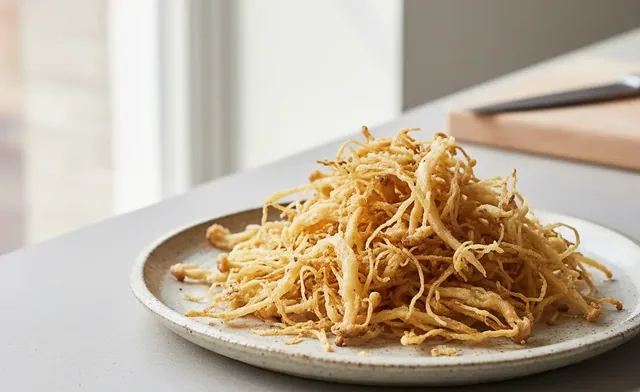
This simple enoki mushroom air fryer recipe delivers a deliciously crispy and savory snack in minutes with easy-to-follow instructions.