
Your Practical Guide to Growing Enoki Mushrooms
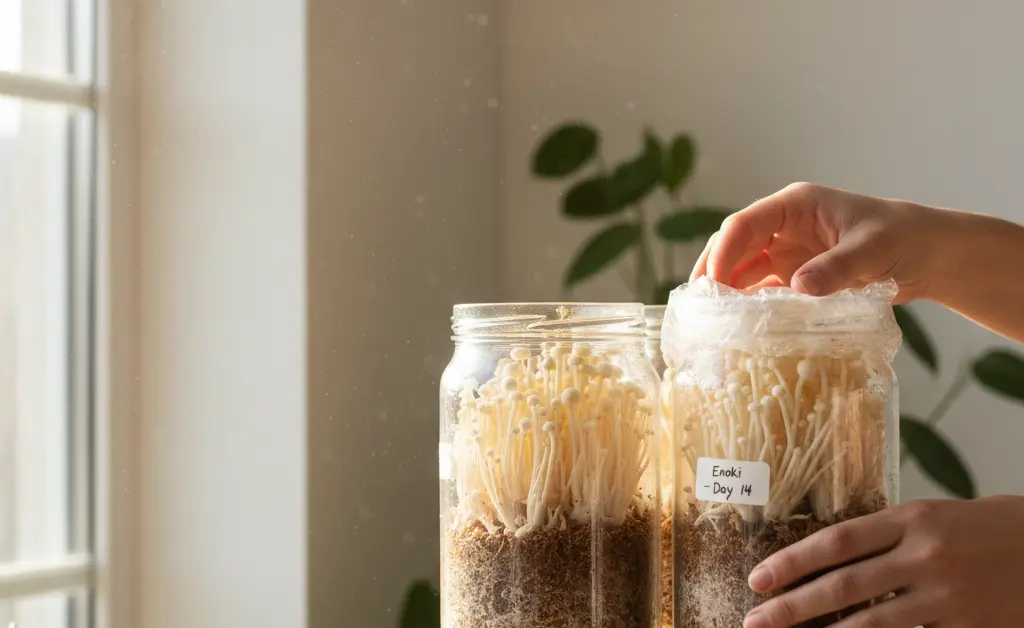
Cultivating edible fungi at home has become a popular and rewarding endeavor for many. The process combines natural science with hands-on effort, offering fresh produce directly from your own space. This detailed guide aims to demystify enoki mushroom growing, providing clear, step-by-step instructions for enthusiasts of all experience levels. From preparing the ideal substrate to managing environmental conditions and finally harvesting your delicate crop, every phase of cultivation is covered. We will delve into essential materials, common challenges, and best practices to ensure a successful yield of these sought-after culinary delights right in your home.
How to Grow Enoki Mushrooms: A Comprehensive Guide
Embarking on the journey of enoki mushroom growing at home can be a truly satisfying experience. This section outlines the fundamental aspects, from gathering your initial supplies to understanding the growth cycle. Successful cultivation hinges on careful preparation and creating an environment that mimics the natural conditions favored by these unique fungi. By following established practices, growers can look forward to a rewarding harvest.
Essential Materials and Equipment
To begin your enoki mushroom cultivation, gathering the right materials is paramount. Key items typically include mushroom grow bags or containers, a sterile work area, and basic sterilization equipment such as a pressure cooker or autoclave. You will also need a reliable source of enoki spawn, which is essentially the mushroom’s “seeds” or mycelium inoculated onto a grain. Specialized suppliers offer quality enoki mushroom seeds for optimal cultivation results. Other useful tools include gloves, masks, and isopropyl alcohol for maintaining cleanliness throughout the process, which is crucial for preventing contamination.
Common Substrate Choices for Enoki
The substrate serves as the food source for the enoki mycelium. Common choices for enoki mushroom growing often include sawdust, wood chips (particularly hardwood varieties), or a combination of these with supplements like wheat bran or rice bran. Some growers also use sterilized grains or even specialized mushroom compost. The chosen substrate must provide the necessary nutrients and moisture retention to support vigorous mycelial growth and subsequent fruiting.
Sterilizing Your Substrate
Sterilization is a critical step in preparing your substrate. This process eliminates competing microorganisms that could outcompete the enoki mycelium, leading to contamination and crop failure. Typically, substrates are placed in heat-resistant bags or containers and subjected to high heat and pressure, often in a pressure cooker or sterilizer, for a specific duration. Proper sterilization ensures a clean environment, giving the enoki spawn the best chance to colonize the substrate effectively.
Techniques for Inoculating Substrate
Inoculation is the process of introducing enoki spawn to the prepared and cooled substrate. This must be done in as sterile an environment as possible, such as a still air box or a laminar flow hood, to prevent airborne contaminants from entering. The spawn is typically broken apart and mixed thoroughly with the substrate. Using enoki mushroom liquid culture can also be an effective way to inoculate your substrate, ensuring rapid colonization. The goal is to evenly distribute the mycelium throughout the substrate, allowing it to quickly colonize the entire block.
Optimal Conditions for Mycelial Colonization
After inoculation, the mycelium needs specific conditions to colonize the substrate fully. This phase, known as incubation, generally requires consistent, moderate temperatures and a dark environment. During this time, the mycelium will spread throughout the substrate, forming a white, cottony network. Maintaining stable conditions helps ensure strong, healthy mycelial growth, which is foundational for a successful fruiting stage.
Getting Started with Enoki Mushroom Cultivation
Successfully initiating enoki mushroom growing begins with meticulous planning and execution of the initial steps. For beginners, an enoki mushroom grow kit can simplify the process. Attention to detail during substrate preparation and inoculation sets the stage for healthy mycelial development and ultimately, a bountiful harvest. Understanding the specific needs of enoki during these early phases is key to establishing a robust cultivation process.
Selecting and Preparing Your Growing Substrate
Choosing the right growing substrate is fundamental for enoki mushroom cultivation. Hardwood sawdust, such as oak or maple, is a popular choice due to its nutritional profile. This is often supplemented with nitrogen-rich materials like wheat bran to enhance growth. Once selected, the substrate must be mixed with water to achieve the correct moisture content—moist but not saturated—before undergoing sterilization. Proper preparation ensures the substrate is readily available as a food source for the developing mycelium.
Inoculation and Mycelium Incubation
After the substrate has been sterilized and cooled, it’s ready for inoculation with enoki spawn. This step demands a sterile environment to minimize the risk of contamination. Once the spawn is mixed into the substrate, the inoculated blocks are moved to an incubation area. During mycelium incubation, the blocks are kept in darkness at a consistent, moderate temperature. Over several weeks, the white mycelium will gradually colonize the entire substrate block, indicating readiness for the next stage of enoki mushroom growing.
Inducing and Managing the Fruiting Stage
Once the substrate is fully colonized, the next critical phase in enoki mushroom growing is inducing and managing fruiting. This stage requires a significant shift in environmental conditions to signal the mycelium that it’s time to produce mushrooms. Careful control of these factors is essential for the development of healthy, elongated enoki.
Adjusting Temperature and Humidity
To initiate fruiting, enoki mushrooms require a drop in temperature from their colonization phase, often to a cooler range, and a significant increase in humidity. High humidity is crucial for preventing the delicate pins from drying out. Maintaining stable, high humidity, often achieved through misters, humidifiers, or humidity tents, supports the proper development of the mushroom caps and stems. These environmental adjustments signal the mycelium to begin forming mushroom primordia.
Providing Adequate Fresh Air Exchange
Fresh air exchange is another vital factor during the fruiting stage of enoki mushroom growing. While high humidity is necessary, a consistent supply of fresh air helps to remove accumulated carbon dioxide, which can inhibit proper mushroom formation and lead to stunted growth. Good ventilation encourages the characteristic long, slender stems of enoki. Growers often use fans or simply ensure regular air circulation in their grow space.
Light for Proper Growth
Although often perceived as creatures of darkness, enoki mushrooms do benefit from some light during their fruiting stage. Unlike plants, they don’t photosynthesize, but indirect or low-level ambient light helps guide their growth direction and can contribute to better cap formation and overall appearance. Excessive light, however, is not beneficial and can lead to undesired characteristics. Soft, diffused light is typically sufficient for optimal enoki development.
Harvesting Your Homegrown Enoki
The culmination of your efforts in enoki mushroom growing is the harvest. Knowing when and how to harvest ensures you get the best quality and maximizes future yields. Proper harvesting techniques are important for both the immediate crop and the potential for subsequent flushes.
Identifying When Enoki Are Ready to Harvest
Enoki mushrooms are typically ready for harvest when their caps are small and firm, and their stems are long, slender, and slightly elastic. They often grow in dense clusters. Observing the development over a few days helps determine the optimal time, as leaving them too long can result in smaller yields or a decline in texture. The key is to harvest them before the caps begin to flatten out significantly or spores are released.
Best Practices for Harvesting Enoki
When harvesting enoki, it is best to grasp the entire cluster at the base, near the substrate block, and twist gently or cut with a sharp, clean knife. This method helps to ensure you collect the whole cluster without damaging the growing medium, which could impact subsequent flushes. After harvesting, it’s advisable to remove any remaining mushroom debris from the block surface to prepare it for potential future growth cycles. Always use clean hands or gloves during harvesting to maintain hygiene.
Troubleshooting Common Enoki Mushroom Growing Problems
Even with careful planning, growers may encounter challenges during enoki mushroom growing. Understanding common problems and how to address them can save a crop and improve future success rates. Identifying issues early is crucial for effective problem-solving.
Dealing with Contamination in Enoki Cultivation
Contamination is one of the most frustrating problems in enoki cultivation. It often appears as green, black, or orange molds, or bacterial slime, growing on the substrate instead of the white enoki mycelium. Contamination usually indicates insufficient sterilization of the substrate, improper sterile technique during inoculation, or unhygienic growing conditions. If contamination is detected, it is typically best to isolate or discard the affected block to prevent spores from spreading to other healthy blocks. Prevention through meticulous sanitation is the most effective strategy. Always adhere to food safety guidelines, such as those recommended by EFSA, when handling edible fungi.
Addressing Stalled Growth or Poor Fruiting
Stalled growth during colonization or poor fruiting can be disheartening. If mycelial colonization seems slow or stops entirely, it might indicate suboptimal temperature, incorrect substrate moisture, or insufficient nutrients. For poor fruiting, issues often stem from environmental factors during the fruiting stage, such as inadequate fresh air exchange, insufficient humidity, or incorrect temperature shifts. Addressing these specific environmental parameters—for instance, increasing humidity, improving ventilation, or adjusting the temperature slightly—can often re-stimulate growth and encourage the desired enoki mushroom growing development.
Cultivating enoki mushrooms at home can be an incredibly rewarding journey, offering fresh, delicate produce directly from your own efforts. By understanding the specific needs of enoki throughout their life cycle—from careful substrate preparation and inoculation to meticulous environmental control during fruiting and precise harvesting—you can achieve consistent success. While challenges like contamination or stalled growth may arise, the knowledge and practices outlined in this guide provide a solid foundation for troubleshooting and overcoming these hurdles. With patience and attention to detail, you can enjoy the unique flavor and texture of homegrown enoki, making your foray into home mushroom cultivation a truly delightful experience.
The purpose of this content is to educate, not to diagnose or treat. The information provided about enoki mushroom growing is intended for general knowledge and informational purposes only, and does not constitute expert advice. Individual results and experiences with mushroom cultivation may vary depending on various factors and conditions. Always exercise caution and ensure proper identification and handling of all materials used in cultivation.
FAQ
How long does it take to grow enoki mushrooms?
The cultivation cycle for enoki mushrooms can vary, but it typically involves a colonization period followed by fruiting. This entire process from inoculation to harvest is generally measured in weeks.
What is the best substrate for growing enoki mushrooms?
Enoki mushrooms commonly thrive on a variety of lignocellulosic materials, such as sawdust, grain, or straw-based substrates. These substrates provide the necessary nutrients for the mycelium to colonize and fruit.
What temperature do enoki mushrooms need to grow?
Enoki mushrooms prefer cooler temperatures during their fruiting stage. Specific temperature ranges are optimal for initiating pinning and developing the characteristic long stems and small caps.
Do enoki mushrooms need a lot of humidity?
Yes, enoki mushrooms require high humidity levels to develop properly. Maintaining a consistently moist environment is crucial for preventing the mushrooms from drying out and encouraging robust growth.
Can you grow enoki mushrooms from the base?
It is possible to regrow enoki mushrooms from the base after harvesting the fruiting bodies. Leaving a portion of the mycelial base intact can sometimes lead to subsequent flushes of mushrooms.
How do you start growing enoki mushrooms?
Starting the process of enoki mushroom growing involves inoculating a suitable substrate with mushroom spawn. This is followed by a period of incubation to allow the mycelium to fully colonize the substrate.
Continue reading
You May Also Like
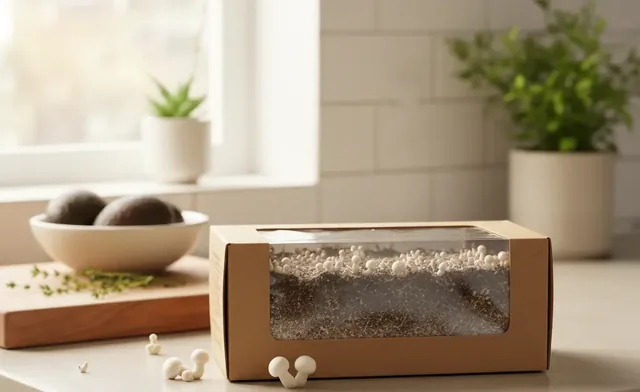
A Beginner's Guide to Button Mushroom Growing Kits
Get clear, step-by-step instructions for your button mushroom growing kit, including simple setup, daily care, and harvesting tips.
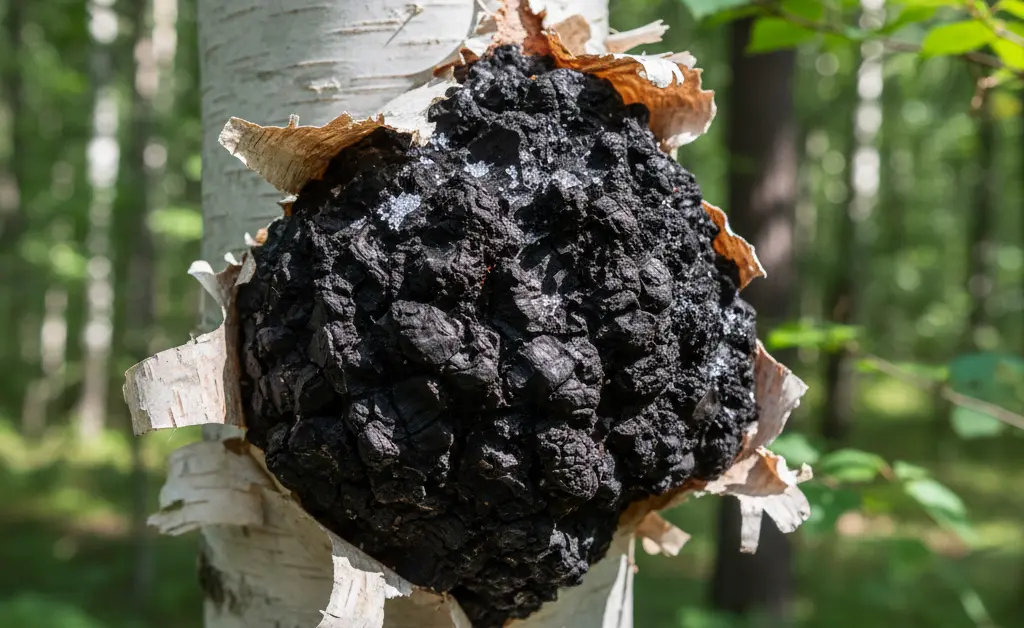
Everything You Need to Know About Growing Chaga Mushrooms
Discover the full process of chaga mushroom growing, from inoculation and maintenance to harvesting. Learn how to cultivate your own chaga with this…
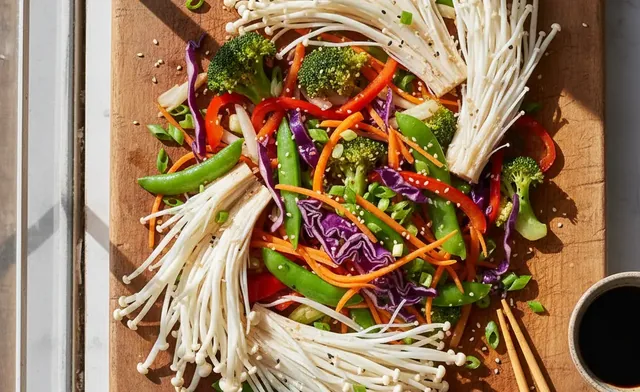
The Essential Guide to Cooking Enoki Mushrooms
Properly cooking enoki mushrooms is key to preserving their delicate cellular structure, resulting in a signature mild flavor and satisfying bite.