
Classifying the Main Types of Enoki Mushroom
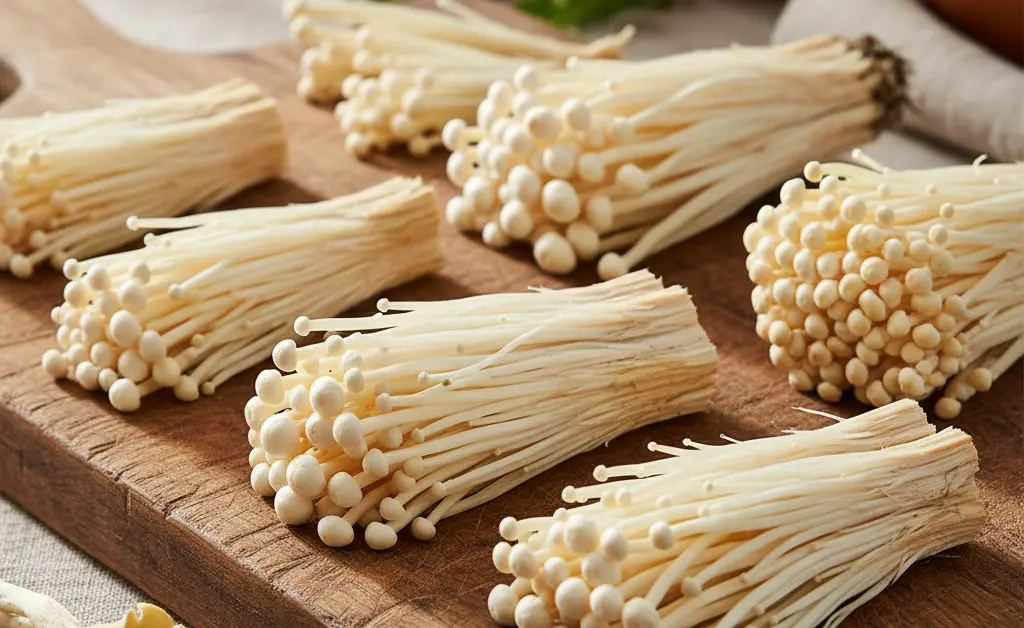
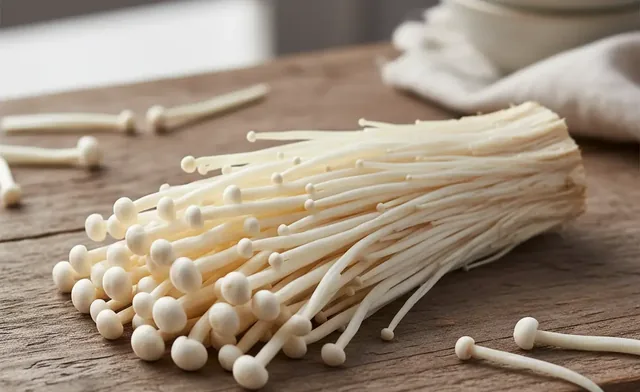
When we encounter enoki mushrooms in culinary contexts, a specific slender, white cluster often comes to mind, typically associated with East Asian dishes. However, this widely recognized form represents just one facet of a more diverse fungal family. Have you ever considered the surprising variety that exists beyond this common supermarket staple? Exploring the different enoki mushroom types reveals fascinating distinctions in their appearance, cultivation, and even their natural habitats. This article delves into the primary species and cultivated varieties, offering insights into their global distribution and unique characteristics, moving beyond the familiar to uncover the broader spectrum of these intriguing fungi.
Edible Enoki Mushroom Types
Enoki mushrooms are globally recognized and appreciated for their distinct texture and mild flavor, making them a popular ingredient in various cuisines, particularly in East Asian cooking. While the most familiar form in grocery stores is the cultivated white variety, there are indeed several edible enoki mushroom types. These fungi offer a versatility that extends from simmering in hot pots and soups to being stir-fried or used in salads. Understanding the distinctions among these types enhances both culinary experience and appreciation for their botanical origins.
Global Distribution and Varieties
Enoki mushrooms, in their various forms, have a remarkably wide global distribution. The wild species, primarily Flammulina velutipes, thrives across temperate regions of the Northern Hemisphere, including North America, Europe, and Asia. This broad natural range has led to local adaptations and, subsequently, different regional names and traditional uses. Cultivation, however, has further expanded their availability, making them a common sight in supermarkets worldwide. The cultivated varieties, while originating from the wild species, have been selectively bred and grown under controlled conditions to achieve specific desirable characteristics, leading to the distinct appearances we often encounter.
The Primary Enoki Species: Flammulina velutipes
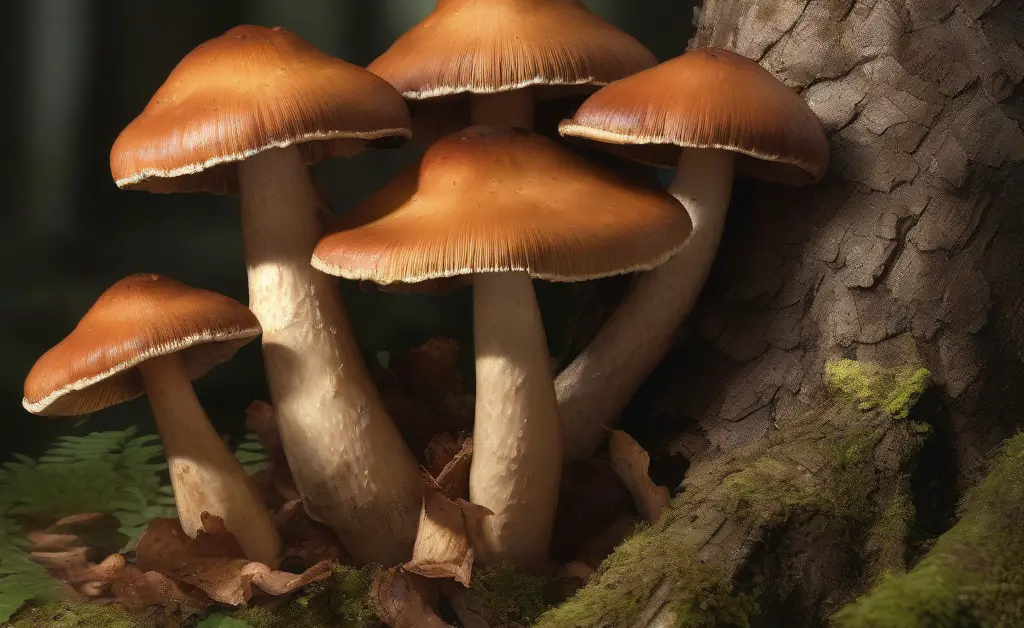
At the heart of all enoki mushroom types lies the species Flammulina velutipes, often referred to as the “velvet shank” or “winter mushroom.” This is the foundational species from which most cultivated enoki varieties derive. In its natural habitat, Flammulina velutipes presents a stark contrast to its cultivated form. Wild enoki typically grows in clusters on decaying wood of various deciduous trees, particularly elms, willows, and hackberry. Its appearance is characterized by a short, velvety brown stem, a somewhat flat, often slimy or sticky cap ranging from yellow to reddish-brown, and a cream-colored underside with gills. The cap size can be significantly larger than that of cultivated enoki. These wild forms are robust and often found during cooler months, sometimes even persisting through mild frosts, hence the “winter mushroom” moniker. They possess a more earthy and intense flavor compared to their cultivated counterparts.
Flammulina filiformis
While often used interchangeably or considered a close relative of Flammulina velutipes, Flammulina filiformis is another significant species within the broader category of enoki mushrooms. In many Asian regions, particularly Japan, the cultivated enoki available in markets is derived from strains more accurately classified as Flammulina filiformis. This species is celebrated for its excellent culinary qualities and is the direct progenitor of the slender, white, cultivated enoki that is so widely recognized. Its genetic distinction from F. velutipes reflects a subtle evolutionary divergence that has been capitalized upon through selective breeding to produce mushrooms with specific desirable textures and growth patterns for commercial cultivation.
Cultivated Enoki Mushroom Varieties
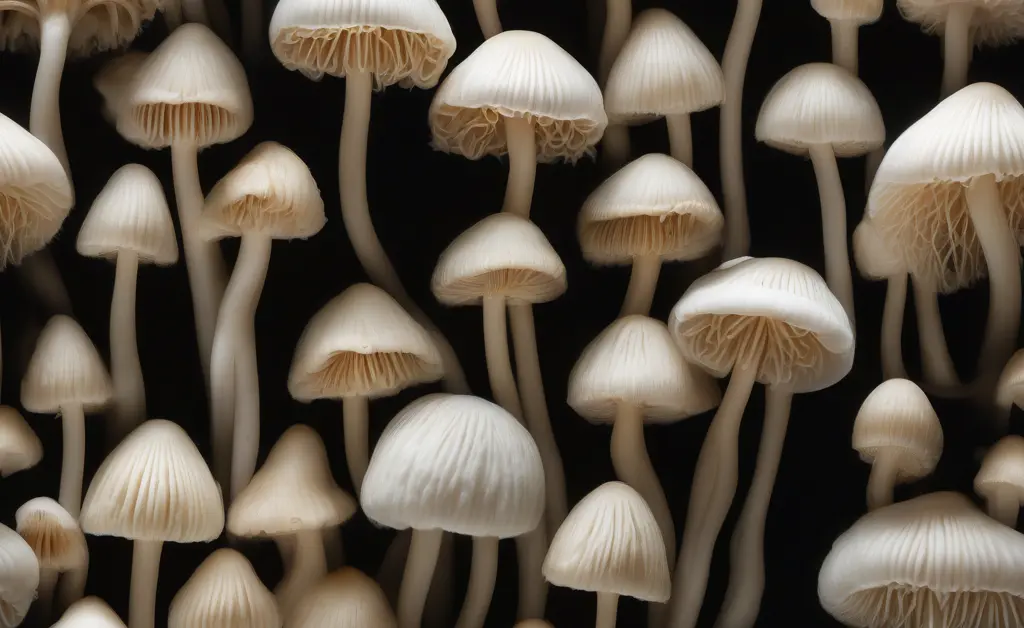
The cultivation process profoundly transforms the appearance of enoki mushroom types. Unlike their wild relatives, cultivated enoki are grown in low-light, high-carbon dioxide environments. This controlled atmosphere suppresses cap development and encourages the stems to stretch, resulting in the iconic long, thin, white strands with tiny caps. These cultivated forms are prized for their crisp texture and mild, slightly fruity flavor, which makes them highly versatile in various culinary applications. The deliberate selection and breeding have also led to specific named varieties that exhibit distinct characteristics. Further scientific understanding of the health benefits and nutritional composition of various mushroom species, including cultivated enoki, is an ongoing area of research often supported by organizations like the NIH.
Golden Enoki Mushroom
The Golden Enoki Mushroom is a popular cultivated variety distinguished by its beautiful creamy-gold to light-brown color. While retaining the characteristic long, slender stems and small caps of cultivated enoki, its pigmentation sets it apart from the more common white variety. This golden hue develops naturally during its growth cycle, even under controlled conditions. Golden enoki often possesses a slightly firmer texture and a more pronounced, earthy flavor than the pure white enoki. It is particularly valued in gourmet dishes for its visual appeal and slightly richer taste profile, adding depth to soups, stir-fries, and salads.
Brown Enoki Mushroom
The Brown Enoki Mushroom represents another distinctive cultivated variety, known for its deep tan to light brown coloration. This variety maintains the signature delicate appearance of cultivated enoki, featuring long, thin stems culminating in small, rounded caps. The brown enoki tends to have a slightly more robust flavor than its white or golden counterparts, offering a subtle nuttiness that can complement a wider range of dishes. Its unique color provides an attractive visual contrast in culinary presentations, making it a favorite for those seeking both enhanced flavor and aesthetic appeal in their mushroom selections.
The world of enoki mushrooms extends far beyond the familiar slender white clusters found in grocery stores. From the robust, earthy wild Flammulina velutipes foraging in temperate forests to the carefully cultivated Golden and Brown varieties, each offers unique characteristics. Understanding these different enoki mushroom types enriches our appreciation for their botanical diversity and culinary versatility, showcasing a remarkable fungal family with a global presence.
Readers should understand that this article does not offer medical diagnosis or treatment. The information provided is for general knowledge and informational purposes only, and does not constitute medical advice. It is essential to consult with a qualified healthcare professional for any health concerns or before making any decisions related to your health or well-being. This article should not be used as a substitute for professional medical advice, diagnosis, or treatment.
FAQ
Are there different species of enoki mushrooms?
Yes, there are indeed different species of enoki mushrooms, though they are all part of the same genus. While often referred to broadly as “enoki,” several distinct species exist, each with unique characteristics. Understanding these subtle differences is key when exploring the world of enoki mushroom types.
Are all enoki mushrooms the same species?
No, not all enoki mushrooms are the same species. While the common culinary enoki is *Flammulina velutipes*, other related species can also be found. These variations are recognized by mycologists and can differ in their wild habitats and growth patterns.
Continue reading
You May Also Like

The Essential Guide to Cooking Enoki Mushrooms
Properly cooking enoki mushrooms is key to preserving their delicate cellular structure, resulting in a signature mild flavor and satisfying bite.
Revealing the Diverse Cordyceps Mushroom Types and Their Classification
A guide to cordyceps mushroom types, exploring classification, genera, potency, ophiocordyceps, elaphocordyceps, metacordyceps, and recent taxonomic…
Everything You Need to Know About Enoki Mushrooms
The delicate enoki mushroom is prized for its unique health benefits and culinary versatility, with key nutrition facts you should know.