
Enoki vs. Bean Sprouts: A Detailed Comparison
Navigating the diverse world of culinary ingredients often involves distinguishing between similar-looking but distinct food items. Enoki mushrooms and bean sprouts are two such components, frequently used in various cuisines for their unique characteristics. While both add texture and flavor to dishes, their origins, nutritional profiles, and culinary applications vary significantly. This article provides a comprehensive guide, delving into the specific attributes of enoki mushroom vs bean sprouts, to help you understand their differences in taste, texture, nutritional value, and overall culinary utility. We will explore their distinct qualities, enabling informed choices for your cooking.
Enoki Mushroom vs Bean Sprouts: Key Differences
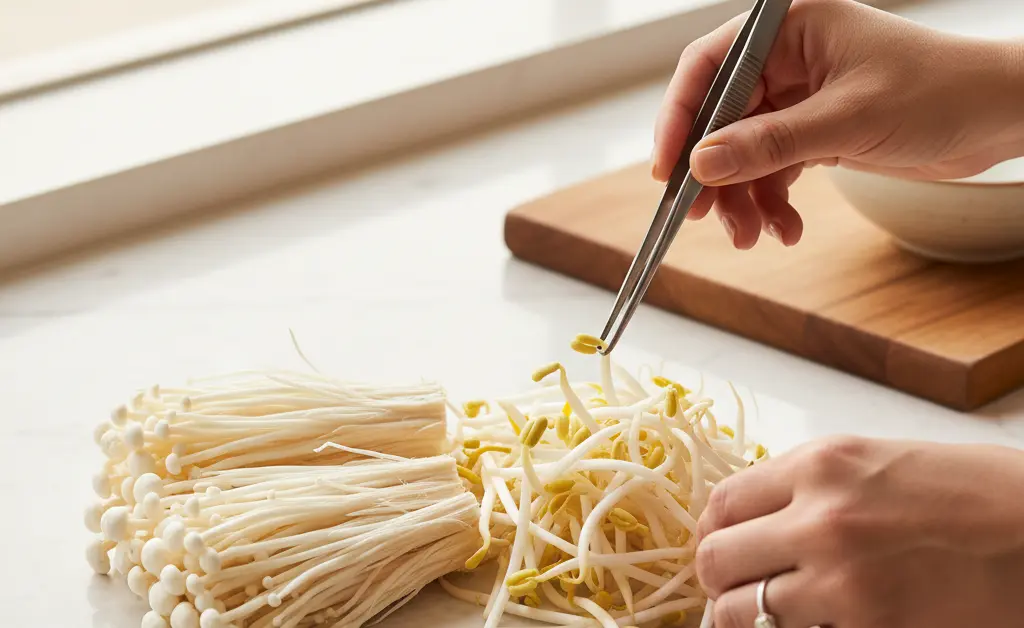
Understanding the fundamental distinctions between enoki mushrooms and bean sprouts is crucial for culinary success and informed dietary choices. While they may share a slender, pale appearance, the enoki mushroom vs bean sprouts comparison reveals two distinct categories of produce. Enoki mushrooms are a type of edible fungus, recognized by their long, thin stems and small caps, often clustered together. Bean sprouts, on the other hand, are germinated legumes, typically mung beans, characterized by their crisp, watery texture and fresh, mild flavor. These core differences impact everything from their cultivation to their preparation.
Taste, Texture, and Appearance
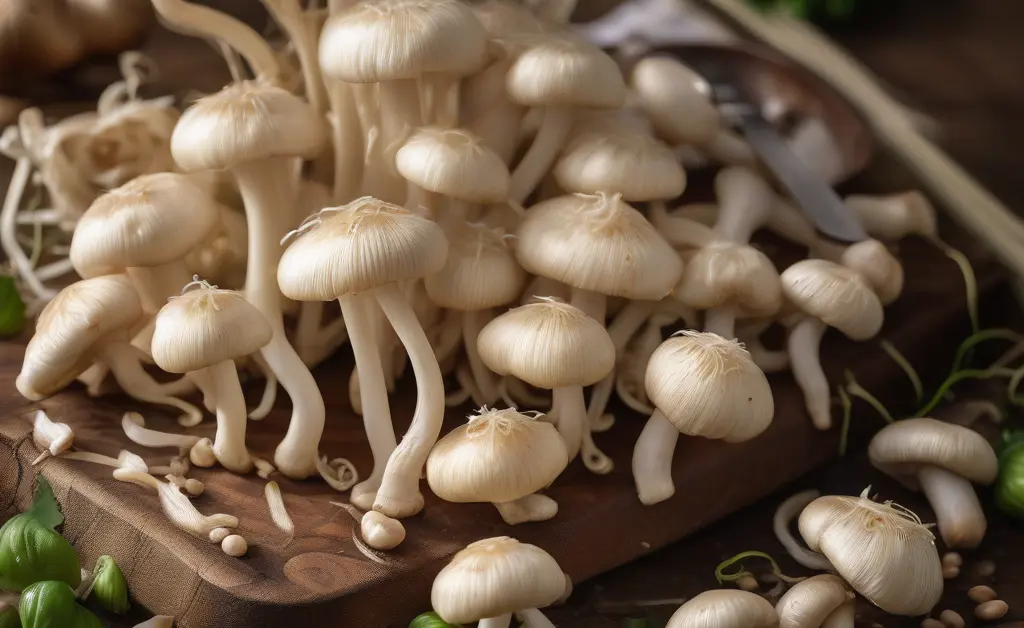
The sensory profiles of enoki mushrooms and bean sprouts offer unique contributions to dishes. Enoki mushrooms possess a delicate, slightly fruity or earthy flavor when raw, which mellows upon cooking. Their texture is distinctively firm yet chewy, maintaining a pleasant bite even after being cooked lightly. Visually, they are striking with their slender, pearly white stems and tiny, almost invisible caps, usually sold in tight bundles. Bean sprouts, however, are renowned for their crisp, juicy texture and a refreshing, subtly nutty taste, especially when very fresh. Their appearance is defined by a bright white stem with a small yellow or green tip, often showing the remnant of the bean from which they sprouted. This contrast in taste and texture makes them suitable for different culinary roles, though they can sometimes be complementary. Understanding these distinctions is similar to comparing a button mushroom vs milky mushroom.
Raw vs. Cooked Consumption
Both enoki mushrooms and bean sprouts can be enjoyed in various states, though their optimal consumption methods differ. Enoki mushrooms are versatile; they can be added raw to salads, lending a mild crunch and unique aesthetic. However, they are more commonly cooked, often briefly, in stir-fries, soups, hot pots, or as a garnish for cooked dishes. Cooking helps to soften their texture slightly and release their subtle flavors. Bean sprouts are frequently consumed raw, particularly in salads, sandwiches, and as a fresh topping for noodles or pho, where their crispness is highly valued. While they can also be lightly cooked in stir-fries or soups, excessive cooking can lead to a loss of their signature crunch and may diminish some of their fresh qualities. The method of consumption often depends on the desired textural and flavor contribution to a dish. Enoki mushrooms can even serve as an excellent enoki mushroom substitute for noodles in certain dishes.
Enoki Mushroom vs Bean Sprouts Nutrition
Examining the nutritional aspects of enoki mushroom vs bean sprouts reveals why both are valued additions to a balanced diet. While both are generally low in calories and contribute to overall wellness, their specific micronutrient and macronutrient profiles offer different benefits. Understanding these distinctions can help individuals make informed choices based on their dietary needs or culinary goals.
Nutritional Value: A Side-by-Side Analysis
When considering their overall nutritional worth, both enoki mushrooms and bean sprouts are recognized for being nutrient-dense relative to their caloric content. Enoki mushrooms are often highlighted for their dietary fiber and certain B vitamins. They also contain various beneficial compounds. Further research on the nutritional benefits of various mushrooms can be found on PubMed. Bean sprouts are a good source of hydration due to their high water content and also contribute dietary fiber. They are traditionally associated with freshness and vitality in many cuisines. Both can be part of a healthful eating pattern, supporting different aspects of well-being through their unique compositions. Comparisons are often drawn between different types of fungi, such as tremella mushroom vs collagen, for their unique properties.
Vitamin Content Comparison
Diving deeper into their vitamin contributions, enoki mushrooms are often noted for containing B vitamins, such as niacin and pantothenic acid. These vitamins play roles in various metabolic processes within the body. Bean sprouts, particularly fresh ones, may also contain some B vitamins and are often associated with vitamin C, which can be present in varying amounts depending on the sprouting process. The presence of these vitamins in both foods underscores their potential to contribute to a diet rich in essential micronutrients, supporting different bodily functions.
Mineral Content Comparison
In terms of mineral content, enoki mushrooms may provide various minerals, including potassium and phosphorus. These minerals are important for nerve function, muscle contraction, and bone health. Bean sprouts also offer minerals, with some varieties contributing elements like iron and magnesium, which are crucial for energy production and overall cellular health. The specific mineral profiles suggest that incorporating both into your diet could provide a broader spectrum of essential elements, supporting comprehensive nutritional intake.
Enoki Mushroom vs Bean Sprouts Calories
For those mindful of caloric intake, the enoki mushroom vs bean sprouts comparison reveals both options are remarkably low in calories. This makes them excellent choices for adding volume, texture, and nutrients to meals without significantly increasing the energy count. Their low caloric density, combined with their nutritional benefits, positions them as valuable ingredients for a wide range of dietary approaches.
Calorie and Macronutrient Breakdown
Both enoki mushrooms and bean sprouts are characterized by a low calorie count, primarily consisting of water and dietary fiber. Enoki mushrooms typically contain a very small amount of protein and minimal fat, with carbohydrates making up the majority of their non-water content, mainly in the form of fiber. Similarly, bean sprouts are also very low in calories, with their macronutrient profile dominated by water, a small amount of protein, and easily digestible carbohydrates, again with a notable fiber contribution. Neither food is a significant source of fat. This breakdown highlights their suitability for adding bulk and satiety to dishes without contributing many calories, making them ideal for light, healthful meals.
Taste, Texture, and Appearance Comparison
While often grouped for their slender form, the detailed comparison of enoki mushrooms and bean sprouts reveals distinctive characteristics that define their culinary applications. Enoki mushrooms, with their long, thin, often tangled stems and tiny caps, present a slightly firm, yet chewy texture that offers a satisfying bite. Their flavor is subtle, sometimes described as mildly earthy or fruity, which can become more savory when cooked. Bean sprouts, conversely, are typically crisp and juicy, providing a refreshing crunch. Their taste is delicate and fresh, with a hint of nuttiness. Visually, bean sprouts are typically shorter and thicker than enoki, with a noticeable bean head at one end of their white, succulent stem. These differences in sensory attributes mean they excel in different dishes, though their textures can sometimes complement each other when combined.
Enoki Mushroom vs Bean Sprouts: Which is Better?
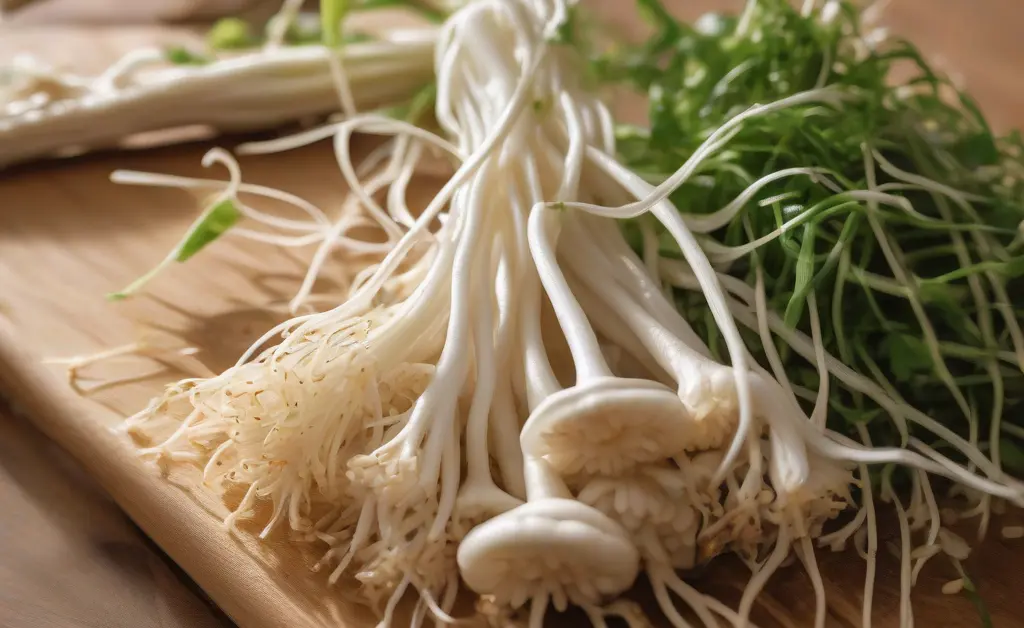
When asking which is “better” between enoki mushroom vs bean sprouts, the answer ultimately depends on the specific culinary application, desired texture, and individual nutritional goals. Neither ingredient is inherently superior; rather, they offer different strengths. For a delicate, slightly chewy texture and a subtle umami or earthy flavor, enoki mushrooms are an excellent choice, particularly in hot pots, clear soups, or light stir-fries. They hold their shape well and absorb flavors effectively. If a fresh, crisp, and hydrating element is desired, especially in raw preparations like salads, sandwiches, or as a garnish, bean sprouts are often preferred. They bring a refreshing crunch and a very mild, clean taste that can brighten many dishes. Nutritionally, both contribute valuable vitamins, minerals, and dietary fiber without many calories, making them healthful additions to a diverse diet. The best approach often involves appreciating their unique qualities and using each where it shines most.
Ultimately, both enoki mushrooms and bean sprouts are incredibly versatile and healthful ingredients that deserve a place in various kitchens. Their distinct characteristics in taste, texture, and nutritional profile mean they often serve different purposes, but can also complement each other beautifully in combined dishes. Experimenting with both can lead to exciting culinary discoveries, enhancing meals with their unique contributions.
The content presented here is not a substitute for professional medical guidance. This information is intended for general knowledge and informational purposes only, and does not constitute medical advice, diagnosis, or treatment. Always seek the advice of a qualified healthcare professional for any questions you may have regarding a medical condition or treatment.
FAQ
Is enoki mushroom healthier than bean sprouts?
Both enoki mushrooms and bean sprouts offer distinct nutritional benefits that contribute to a healthy diet. Enoki mushrooms are recognized for their unique compounds and are often studied for their potential health-promoting properties. Bean sprouts provide essential vitamins and minerals, making them a valuable addition to meals.
Do enoki mushrooms and bean sprouts have similar calories?
Typically, both enoki mushrooms and bean sprouts are low in calories, which can be beneficial for individuals monitoring their caloric intake. Their low-calorie profile makes them versatile ingredients that can be incorporated into various dishes without significantly increasing the overall calorie count.
What is the nutritional difference between enoki mushrooms and bean sprouts?
The primary nutritional difference lies in their composition; enoki mushrooms contain specific bioactive compounds and fiber, while bean sprouts are a good source of Vitamin C and K. Each offers a different spectrum of micronutrients and phytonutrients that support various bodily functions.
Which has more protein: enoki mushrooms or bean sprouts?
Bean sprouts generally provide a higher amount of protein compared to enoki mushrooms. While mushrooms do contain some protein, legumes and their sprouts are typically richer sources of this essential macronutrient.
Are enoki mushrooms and bean sprouts good for weight loss?
Due to their low calorie content and fiber, both enoki mushrooms and bean sprouts can be supportive elements in a weight management plan. The fiber they provide can contribute to feelings of fullness, potentially helping to manage appetite.
Continue reading
You May Also Like
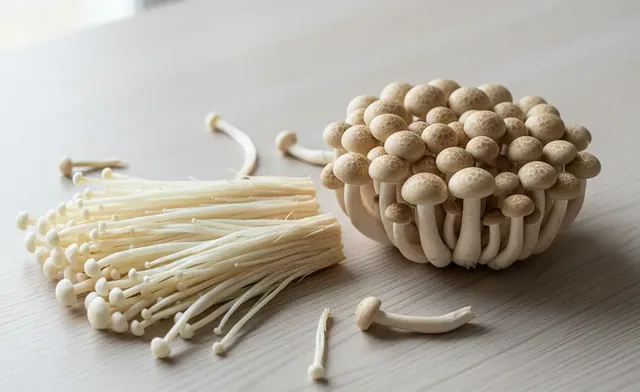
Enoki vs. Seafood Mushroom: A Definitive Comparison
This guide settles the enoki mushroom vs seafood mushroom debate, detailing the critical differences in their taste, nutritional value, and uses.
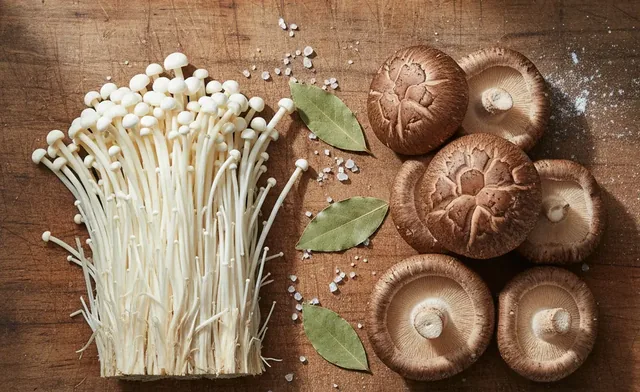
Enoki vs. Shiitake: A Culinary and Nutritional Comparison
Choosing between enoki mushroom vs shiitake comes down to understanding their distinct differences in flavor, texture, and nutritional value.
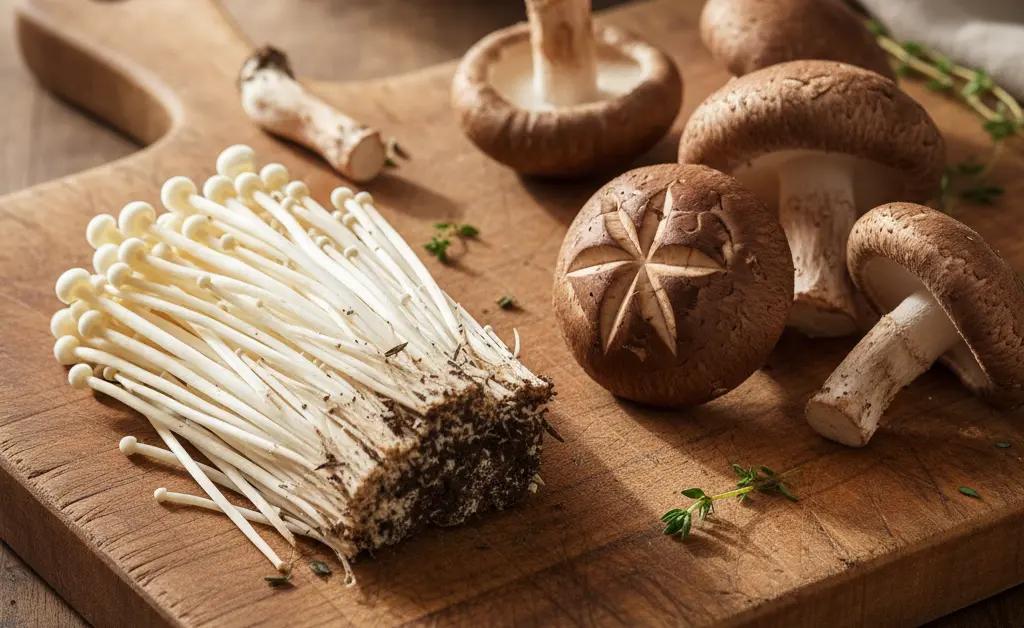
Enoki vs. Shiitake: A Culinary and Nutritional Comparison
Choosing between enoki mushroom vs shiitake comes down to understanding their distinct differences in flavor, texture, and nutritional value.