
Enoki vs. Shiitake: A Culinary and Nutritional Comparison
Ever wondered what truly distinguishes enoki from shiitake mushrooms? Both are celebrated culinary ingredients, gracing plates in various global cuisines, yet they possess markedly different characteristics that influence their application and appeal. While each mushroom contributes unique flavors and textures to dishes, discerning their individual attributes is crucial for optimal culinary outcomes. This comprehensive guide aims to illuminate these distinctions, offering a detailed exploration of their appearances, taste profiles, nutritional content, and ideal culinary uses. By examining the enoki mushroom vs shiitake, we provide the insights necessary to make informed decisions for your next gastronomic endeavor.
Enoki Mushroom vs Shiitake Mushroom Comparison
While both enoki and shiitake mushrooms are highly valued in diverse cuisines, a closer look at the enoki mushroom vs shiitake reveals two distinct fungi with unique attributes. Their fundamental differences begin with their visual characteristics, extending to their growth habits and general culinary profiles. Understanding these basic distinctions sets the stage for appreciating their individual contributions to various dishes and dietary considerations. This discernment can also extend to other varieties, like understanding the nuances of enoki mushroom vs snow white mushroom.
Enoki Mushroom Appearance
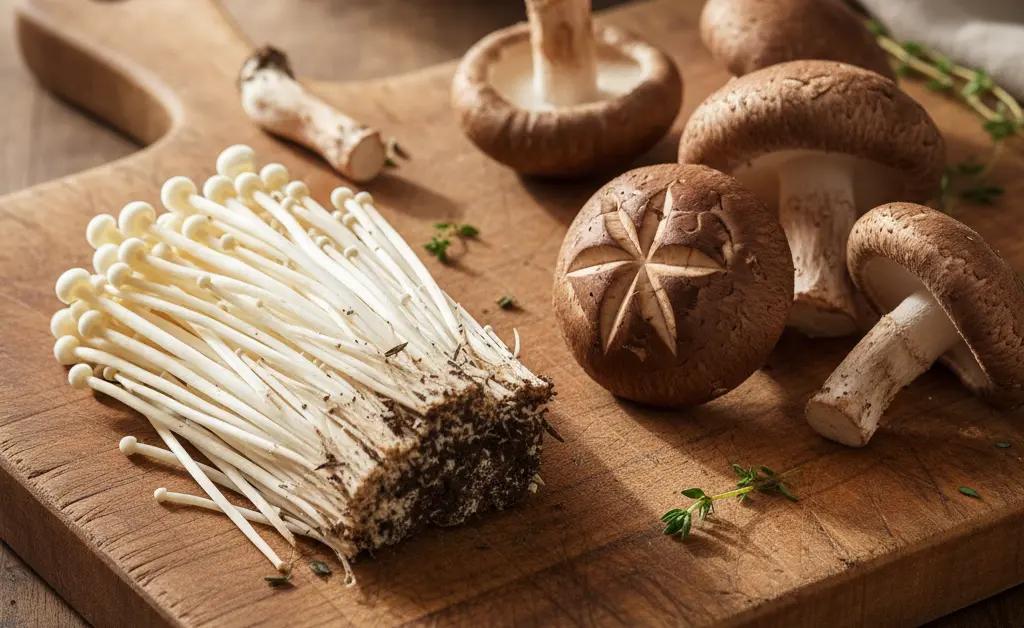
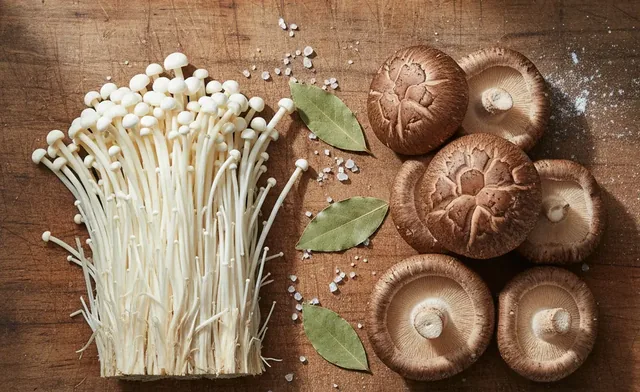
Enoki mushrooms are easily recognizable by their delicate, long, and slender stems, typically crowned with small, button-like caps. They are often cultivated in dark, carbon dioxide-rich environments, which encourages their signature elongated, pale white appearance. When found growing wild, enoki mushrooms tend to be shorter, with slightly larger caps and a brownish-orange hue, but the cultivated white variety is by far the most common in markets. They usually come in clusters, bound together at the base, creating an appealing, noodle-like aesthetic.
Shiitake Mushroom Appearance
Shiitake mushrooms present a more robust and earthy appearance compared to enoki. They feature umbrella-shaped caps that range in color from light to dark brown, often with characteristic white specks or cracks on the surface, particularly as they mature. The caps can vary in size, from small buttons to several inches in diameter, and have a distinct, slightly curled edge. Their stems are thicker and firmer than enoki, though often less tender and sometimes removed before cooking due to their fibrous texture.
Taste and Texture Profile
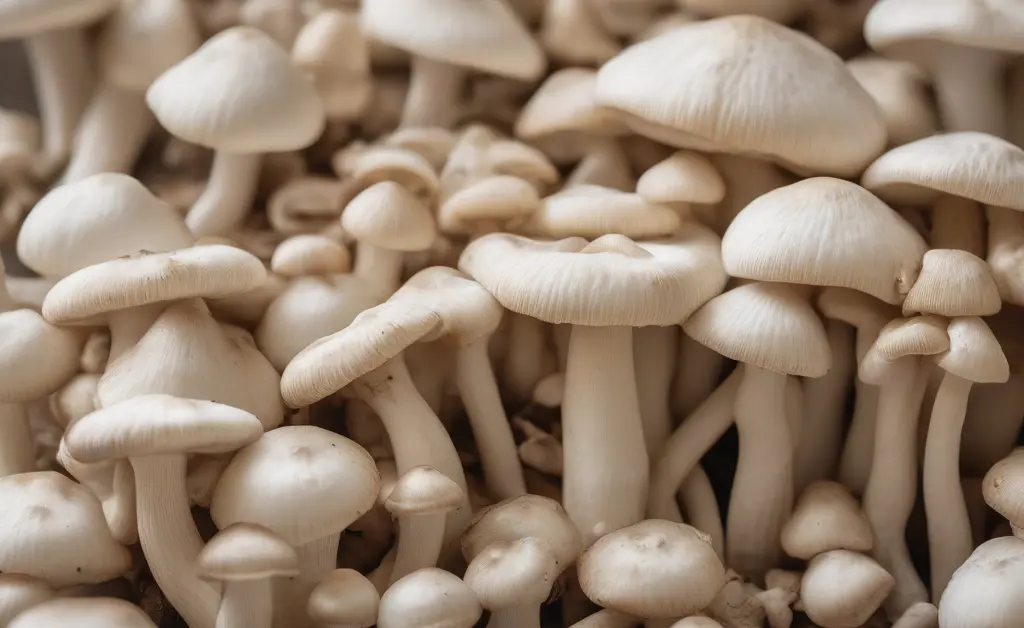
The sensory experience offered by these two fungi is one of their most significant differentiating factors. When considering the enoki mushroom vs shiitake, their distinct taste and texture profiles play a critical role in their culinary applications, influencing how they are best incorporated into meals to achieve desired gastronomic outcomes.
Enoki Mushroom Taste and Texture
Enoki mushrooms are known for their very mild, subtly sweet, and slightly fruity flavor. Their taste is delicate and often described as earthy, yet not overpowering, allowing them to absorb and complement the flavors of other ingredients in a dish. In terms of texture, enoki mushrooms are quite distinctive. They possess a pleasant crispness when raw and maintain a satisfyingly firm, slightly chewy, and somewhat stringy texture when cooked lightly. They do not become overly soft or mushy, making them an excellent choice for adding textural contrast.
Shiitake Mushroom Taste and Texture
Shiitake mushrooms are celebrated for their rich, savory, and distinctly umami flavor, often described as meaty and earthy. This deep flavor profile makes them a staple in many Asian cuisines. Their aroma is equally robust and becomes more pronounced when cooked or dried. The texture of shiitake mushrooms is firm and meaty, especially the caps. When cooked, they become tender yet retain a satisfying chewiness, offering a substantial mouthfeel that can sometimes mimic that of certain meats. The stems, as mentioned, are generally tougher than the caps and may be better suited for broths or removed entirely.
Nutritional Value Comparison
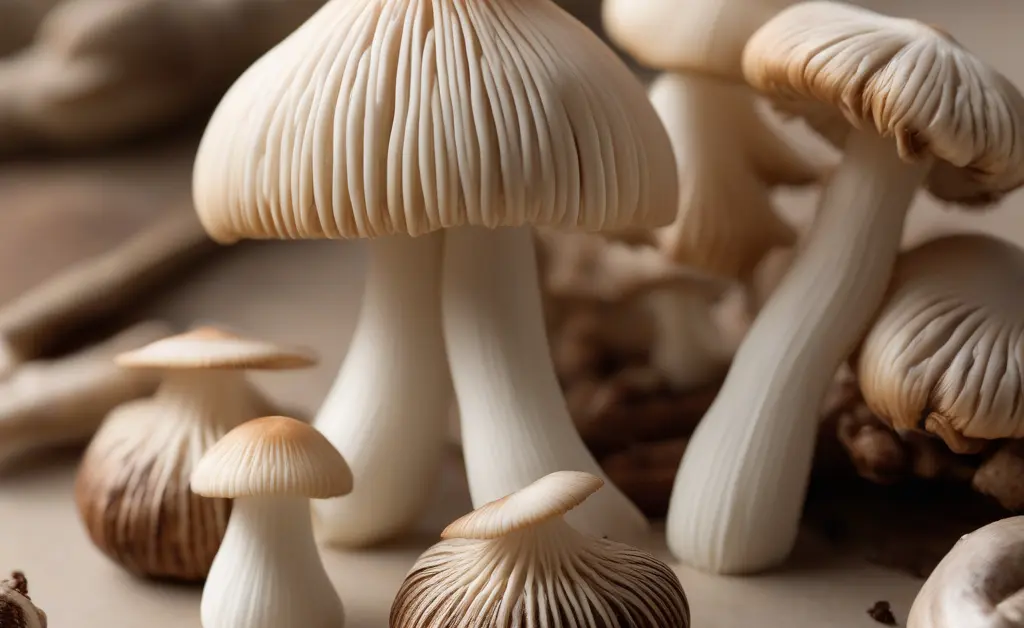
Beyond their culinary appeal, both enoki and shiitake mushrooms contribute valuable nutrients to a balanced diet. A nutritional analysis of the enoki mushroom vs shiitake reveals that while both are healthful additions, they each offer unique concentrations of beneficial compounds that can support overall well-being.
Nutritional Highlights of Enoki
Enoki mushrooms are recognized for being low in calories and providing a good source of dietary fiber, which is important for digestive health. They also offer various vitamins, including some B vitamins, and certain minerals. Their delicate composition makes them a light yet nourishing ingredient that can easily be incorporated into many meal preparations. For those interested in broader health discussions, a comparison of tremella mushroom vs collagen can offer further insights into beneficial compounds.
Nutritional Highlights of Shiitake
Shiitake mushrooms are notable for their rich nutrient profile. They contain several B vitamins, which are important for energy metabolism, and offer a source of dietary minerals. They are also known for providing dietary fiber. The presence of specific compounds in shiitake contributes to its overall nutritional distinction.
Enoki Mushroom Health Benefits
Enoki mushrooms are traditionally appreciated not just for their taste but also for potential health attributes. They are often studied for components that may support overall wellness. Their fiber content may aid in digestive regularity. Some research indicates that compounds found in enoki mushrooms may contribute to aspects of metabolic balance and immune system modulation.
Shiitake Mushroom Health Benefits
Shiitake mushrooms have been a part of traditional practices for centuries, valued for more than just their culinary contributions. They are widely recognized for compounds that may support the immune system. Additionally, components in shiitake mushrooms have been studied for their potential to help maintain cardiovascular health and support healthy cholesterol levels already within a normal range. Their rich nutritional profile further contributes to their reputation as a beneficial food. You can find more detailed health information from reputable sources such as the NIH.
Culinary Uses and Best Applications
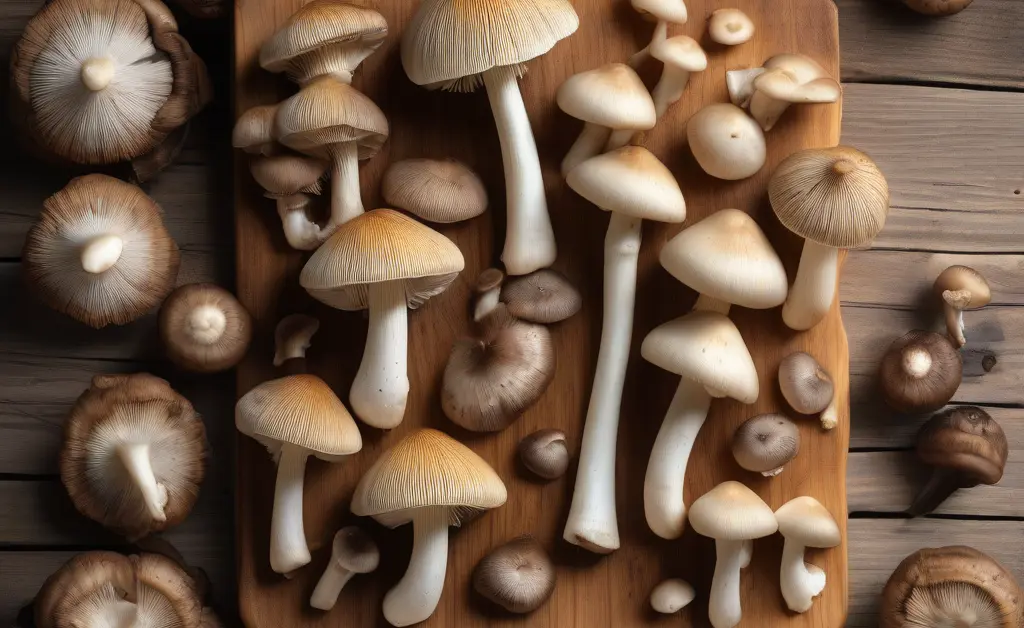
The distinct characteristics of enoki and shiitake mushrooms lead to very different roles in the kitchen. When considering how to best utilize these fungi, understanding the differences between enoki mushroom vs shiitake becomes paramount for creating delicious and texturally appealing dishes. Each variety shines in particular preparations, making them versatile ingredients for any home chef.
Enoki mushrooms, with their mild flavor and crisp-chewy texture, are wonderfully versatile. They are a popular addition to hot pot dishes, where their delicate strands cook quickly and absorb the broth’s flavors. They are also frequently used in stir-fries, noodle soups, and salads, either lightly cooked or even raw, to add a unique crunch. Their subtle taste makes them an excellent companion to seafood, poultry, and lighter vegetable preparations, where they complement without overwhelming other ingredients. Enoki can also be briefly sautéed or used as a garnish.
Shiitake mushrooms, conversely, with their robust, umami-rich flavor and meaty texture, are often the star of a dish or a significant flavor contributor. They are commonly used in stir-fries, soups, stews, and braises, particularly in Asian cuisine. The strong flavor of shiitake holds up well to intense seasonings and long cooking times, allowing it to infuse dishes with its characteristic earthy depth. Dried shiitake mushrooms are especially prized for their concentrated flavor, which becomes even more potent after rehydration, making them ideal for broths and sauces. They pair exceptionally well with red meats, strong vegetables, and rich sauces, providing a satisfying and savory element.
Exploring the world of mushrooms reveals a diverse array of flavors, textures, and nutritional benefits. While both enoki and shiitake are highly regarded in the culinary landscape, their individual characteristics make them suited for different applications. Enoki mushrooms offer a delicate flavor and a unique crisp-chewy texture, perfect for lighter dishes, salads, and quick cooking methods. Shiitake mushrooms, with their rich umami taste and meaty texture, provide a hearty, earthy depth ideal for robust stews, stir-fries, and as a flavor base. By understanding these distinctions, home cooks and professional chefs alike can confidently choose the right mushroom to elevate their dishes, transforming everyday meals into extraordinary culinary experiences. Further exploration into the world of fungi might lead to other interesting comparisons, such as hedgehog mushroom vs lions mane.
While this article discusses health-related topics, it does not provide medical guidance. The information presented here is intended for general knowledge and informational purposes only, and does not constitute medical advice. It is essential to consult with a qualified healthcare professional for any health concerns or before making any decisions related to your health or diet. This content is not a substitute for professional medical advice, diagnosis, or treatment.
FAQ
What are the main differences between enoki and shiitake mushrooms?
Enoki mushrooms are slender and white with tiny caps, typically grown in clusters. Shiitake mushrooms are larger, with broad, umbrella-shaped brown caps and thicker stems. The enoki mushroom vs shiitake is a common point of comparison due to their distinct appearances and culinary uses.
Which mushroom has a stronger flavor, enoki or shiitake?
Shiitake mushrooms are known for their robust, savory, and umami-rich flavor profile. Enoki mushrooms, in contrast, offer a milder, slightly fruity, and delicate taste.
Can enoki mushrooms be used instead of shiitake?
Due to their differing textures and flavors, enoki mushrooms are generally not a direct substitute for shiitake mushrooms in most recipes. Enoki are best in dishes where their delicate nature can shine, while shiitake are often chosen for their meaty texture and deep flavor.
What is the texture difference between enoki and shiitake?
Enoki mushrooms have a crisp and slightly chewy texture when raw, becoming tender when cooked. Shiitake mushrooms are meaty and firm, offering a satisfying chewiness that intensifies with cooking.
Are enoki and shiitake mushrooms good for the same recipes?
While both are edible mushrooms, they lend themselves to different culinary applications. Enoki are often used raw in salads or added to soups and stir-fries near the end of cooking to preserve their texture. Shiitake are versatile and can be sautéed, roasted, or braised, adding depth to a wide array of dishes.
Which mushroom is more nutritious, enoki or shiitake?
Both mushrooms offer valuable nutrients and contribute to a healthy diet. Shiitake mushrooms are recognized for their significant vitamin D and B vitamin content, as well as various beneficial compounds. Enoki mushrooms also provide essential vitamins and minerals, supporting overall well-being.
Continue reading
You May Also Like
Enoki vs. Shiitake: A Culinary and Nutritional Comparison
Choosing between enoki mushroom vs shiitake comes down to understanding their distinct differences in flavor, texture, and nutritional value.
Portobello vs. Shiitake: A Culinary & Nutritional Guide
Choosing between portobello mushroom vs shiitake depends on their distinct flavor profiles, nutritional value, and specific culinary applications.
A Nutritional Breakdown of Enoki Mushrooms
This nutritional guide details the enoki mushroom calories in a 100g serving and other portions, comparing them to different mushroom varieties.