
A Forager’s Guide to Arizona’s Puffball Mushrooms
Have you ever considered the diverse fungal landscape that thrives even in arid regions? Arizona, often associated with cacti and canyons, surprisingly hosts a variety of fascinating fungi, including the impressive puffball mushroom. These unique organisms capture the attention of foragers and nature enthusiasts alike, known for their distinct appearance and, in some cases, culinary appeal. This guide delves into identifying, locating, and safely enjoying the puffball mushroom Arizona, offering insights for both novice and experienced explorers. Understanding their characteristics and habitats is crucial for responsible foraging and appreciating the state’s ecological richness.
What are Giant Puffball Mushrooms?
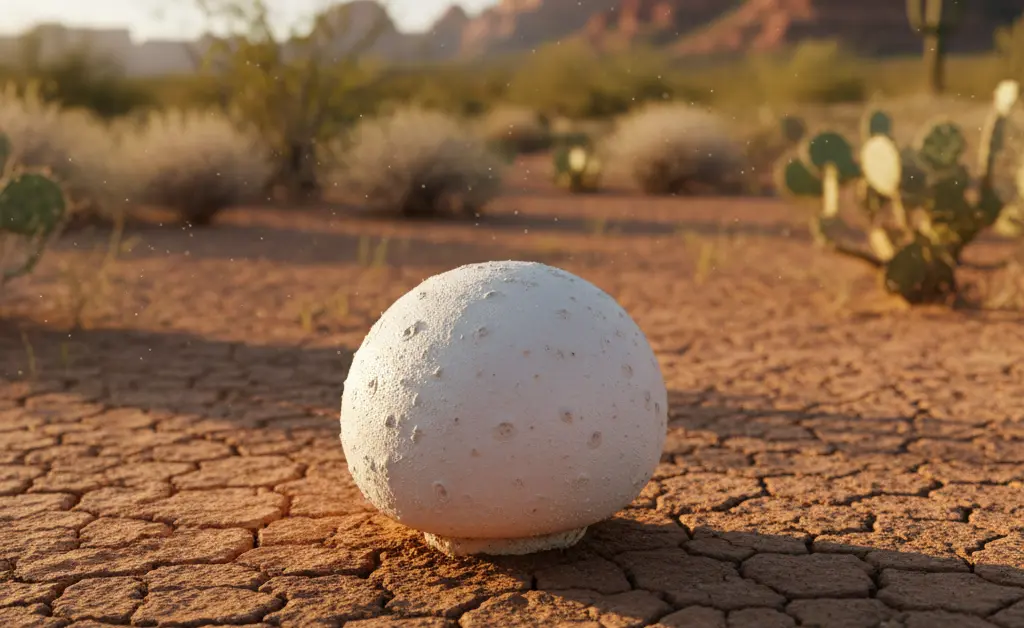
Giant puffball mushrooms (Calvatia gigantea) are distinctive fungi recognized for their large, spherical, and often impressive size. Unlike gilled mushrooms, puffballs produce spores internally within their fleshy mass. They typically lack a traditional stem or cap, presenting as a large, often smooth or finely textured globe. These fungi can grow quite rapidly, sometimes reaching diameters comparable to a basketball or even larger, though variations exist based on growing conditions. Their life cycle begins as a small, firm ball that expands significantly, eventually maturing to a point where the internal flesh, called the gleba, turns from white and firm to a yellowish or greenish, powdery mass of spores. Understanding these characteristics and size variations is key to appreciating this unique organism.
Giant Puffball Mushroom Found in Arizona
While often associated with more temperate climates, the giant puffball mushroom does indeed make an appearance in various parts of Arizona, especially in regions with suitable moisture and organic matter. Their presence can be a delightful surprise for those accustomed to the state’s desert flora. Observing a giant puffball mushroom thriving in Arizona underscores the surprising biodiversity of the region’s ecosystems, demonstrating how different microclimates and habitats can support a wide array of life forms, even fungi that might seem out of place in an arid environment.
Where to Find Puffball Mushrooms in Arizona
Locating puffball mushrooms in Arizona requires an understanding of their preferred growing conditions, which often deviate from the state’s most iconic landscapes. While the desert floor may seem inhospitable, certain areas provide the necessary elements for these fungi to flourish. Successful foraging for the puffball mushroom Arizona often involves exploring specific microclimates and paying attention to environmental cues.
Typical Habitats in Arizona
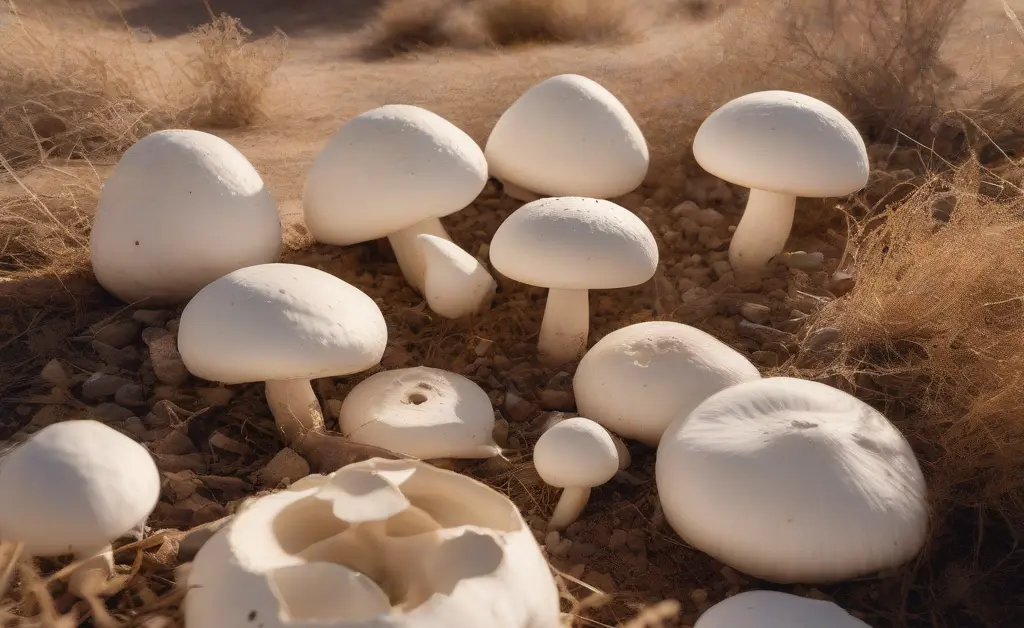
In Arizona, puffball mushrooms, including the giant varieties, are often found in areas rich in organic material and moisture. This can include forested regions, especially those with decaying wood and leaf litter, as well as disturbed grounds like pastures, meadows, and along the edges of agricultural fields. They may also appear in urban or suburban settings, such as parks, lawns, and gardens, particularly where watering is regular. The presence of decaying vegetation provides the necessary nutrients, while adequate soil moisture, often from seasonal rains or irrigation, supports their growth.
Best Seasons for Discovery
The optimal time for discovering puffball mushrooms in Arizona generally coincides with periods of increased moisture. This often means late summer through fall, following the monsoon rains, and sometimes into early winter if conditions remain mild and damp. During these seasons, the ground moisture levels are higher, creating favorable conditions for fungal growth. Paying attention to local rainfall patterns and temperature fluctuations can significantly improve the chances of a successful foraging expedition for puffball mushrooms.
Identifying Giant Puffball Mushrooms in Arizona
Accurate identification is paramount when foraging for any wild mushroom, and the giant puffball mushroom Arizona is no exception. While their large size and distinct appearance often make them easier to spot, understanding their key identification features is crucial to avoid look-alikes. Knowing what do giant puffball mushrooms look like in their prime edible stage is vital for safe consumption.
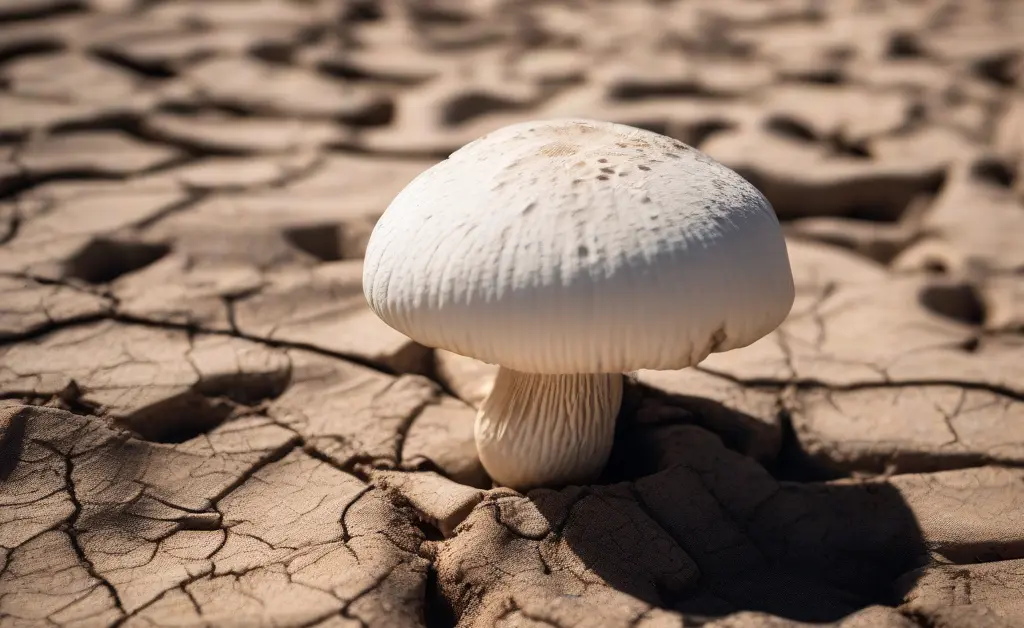
Key identification features of edible giant puffballs include their size, typically ranging from that of a softball to a basketball or larger, a generally spherical or somewhat flattened shape, and the absence of gills or a true stem. When cut open, the internal flesh of an edible giant puffball should be uniformly white, firm, and homogenous throughout. Any discoloration, such as yellow, green, or purple tints, or the presence of a developing cap and gills inside, indicates it is not a giant puffball or is past its edible stage, and should be avoided.
Distinguishing from Similar Fungi
Distinguishing giant puffball mushrooms from similar fungi, particularly poisonous look-alikes, is a critical safety step. The most important distinction to make is between true edible puffballs and young, button-stage amanita mushrooms, which are highly toxic. When sliced in half, a young amanita will reveal the clear outline of a cap, gills, and stem within its “egg” or button shape. An edible puffball, in contrast, will be solid white and uniform inside. Other fungi, such as earthballs (Scleroderma species), can also be confused with puffballs. Earthballs typically have a tough, darker outer skin and a dark, purplish-black, firm interior with white marbling, even when young, making them easy to differentiate from the white interior of an edible puffball. Always remember: if in doubt, throw it out.
Puffball Mushroom Arizona Edible
The puffball mushroom Arizona, specifically the giant puffball variety, is widely regarded as an edible and delicious fungus when correctly identified and harvested at the appropriate stage. Its mild flavor and firm texture make it a versatile ingredient in various dishes. However, consuming any wild mushroom carries inherent risks, and thorough identification is non-negotiable before considering it edible. Understanding when are puffballs edible is critical, as their edibility changes as they mature.
For a giant puffball to be considered edible, its interior must be entirely white, firm, and consistent, resembling a fresh marshmallow or cheese. This indicates that the spores have not yet begun to develop. If the interior shows any signs of yellowing, greening, or browning, it indicates that the mushroom is past its prime edible stage and may cause digestive upset if consumed. Even if it is a true puffball, once the spores begin to mature, it is no longer suitable for eating. Therefore, cutting the mushroom open to inspect the interior is the definitive test for edibility.
Edibility and Culinary Uses of Giant Puffballs
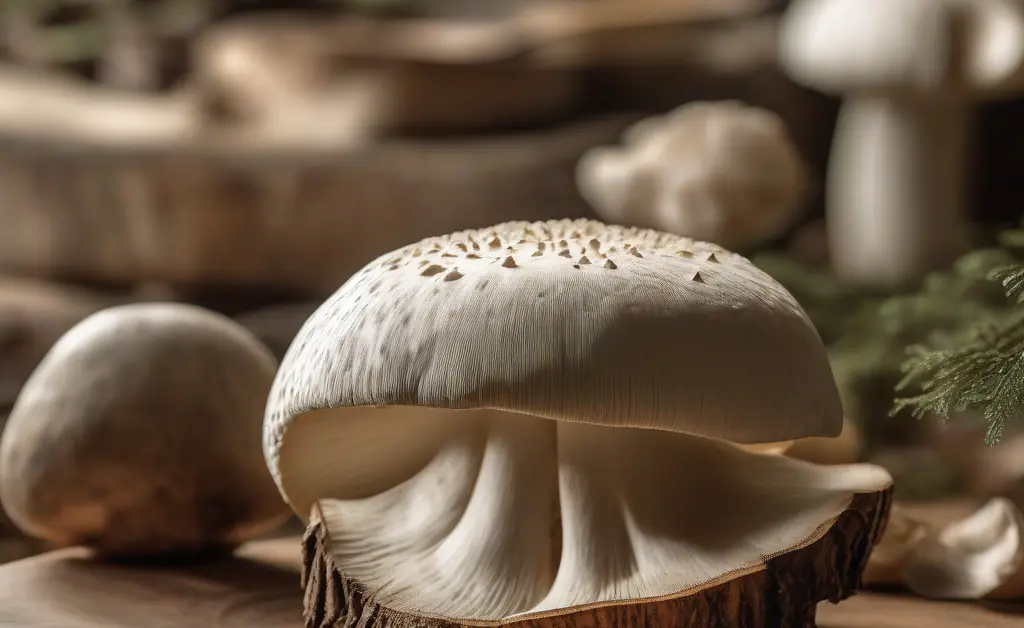
Giant puffball mushrooms are prized for their unique texture and ability to absorb flavors, making them a fascinating culinary ingredient. Their mild, earthy taste means they can complement a wide range of dishes without overpowering other ingredients. When considering their edibility, it’s generally advised not to consume a puffball mushroom raw. While some believe it to be safe, cooking is recommended to improve digestibility and reduce any potential for mild gastrointestinal discomfort that some individuals might experience. For safe consumption, consult with the NHS.
Safe preparation methods often involve slicing the firm, white flesh into steaks, cubes, or strips. These can then be sautéed, fried, grilled, or baked. Their porous nature allows them to readily absorb marinades and seasonings. Many enjoy them simply pan-fried with butter and herbs, while others incorporate them into stir-fries, omelets, or as a substitute for meat in vegetarian dishes. The culinary uses are quite extensive, limited only by imagination and preference, offering a unique opportunity to experiment with this wild delicacy.
Harvesting and Storing Giant Puffball Mushrooms
When harvesting the puffball mushroom Arizona, ethical practices are essential to ensure the sustainability of the fungi and the ecosystem. Always confirm the mushroom’s identity before picking. Once positively identified as a giant puffball in its edible, firm, white stage, it can be gently cut at the base where it meets the ground. Avoid pulling it out, which can disturb the underground mycelial network responsible for future growth. Take only what you will use, leaving smaller or less perfect specimens to mature and release their spores.
Proper storage techniques are crucial for maintaining the quality and extending the freshness of harvested giant puffball mushrooms. Ideally, puffballs should be consumed soon after harvesting for the best flavor and texture. If immediate consumption isn’t possible, they can be stored in a paper bag in the refrigerator for a few days. Avoid storing them in plastic bags, as this can trap moisture and accelerate spoilage. For longer-term storage, giant puffballs can be sliced, lightly cooked, and then frozen, or even dried, though drying can significantly alter their texture. Ensure they are clean and free of insects or debris before storing by gently brushing them off, rather than washing, which adds moisture.
Puffball Mushroom Arizona Poisonous
The question “Is a puffball mushroom poisonous?” is a vital one for any prospective forager. While true giant puffball mushrooms (Calvatia gigantea) are considered edible when young and pure white inside, there are critical distinctions that must be made to avoid poisonous look-alikes. As discussed, young, button-stage Amanita mushrooms, which are deadly toxic, can sometimes be mistaken for small, immature puffballs if not cut open to reveal their internal structure. Similarly, earthballs (Scleroderma spp.) are not edible and can cause digestive upset; their dark, firm interior is a key differentiating feature.
Therefore, to answer the question about a puffball mushroom Arizona being poisonous, it is less about the edible giant puffball itself and more about the critical importance of correct identification to avoid consuming other, potentially toxic, fungi. Any puffball-like fungus that is not uniformly white and firm inside, or that exhibits gills, a developing cap, or a dark interior, should be considered poisonous or inedible and must not be consumed. When in doubt, it is always safest to err on the side of caution and avoid consumption.
Are There Other Puffball Mushrooms in Arizona?
Beyond the impressive giant puffball, Arizona is home to a variety of other puffball species. While not all are as large or as commonly sought after for culinary purposes as their giant counterparts, they contribute to the state’s fungal diversity. Recognizing these different varieties and understanding their characteristics is part of a comprehensive foraging education.
Common Smaller Puffball Varieties
Arizona hosts several smaller puffball varieties, often belonging to genera such as Lycoperdon, Bovista, and Calvatia (which also includes giant puffballs). These can range in size from a marble to a golf ball. Common species might include the pear-shaped puffball (Lycoperdon pyriforme), which often grows on decaying wood, or various species of meadow puffballs (Lycoperdon spp.) that appear in grassy areas. Many of these smaller puffballs are also edible when young and pure white inside, but due to their size, they are less frequently harvested for food. Like all puffballs, they lack gills and have a distinct, often scaly or spiny outer surface that smooths with age.
Distinguishing from Giant Puffballs
Distinguishing these common smaller puffball varieties from giant puffballs is generally straightforward due to their significant size difference. Giant puffballs are exceptional for their sheer mass, typically much larger than one’s fist, while smaller puffballs are usually no more than a few inches in diameter. Beyond size, smaller puffballs often exhibit different surface textures, which can be smooth, spiny, or warty, and may grow in clusters or individually. Critically, the same rule for edibility applies: any puffball, regardless of size, must be cut open to reveal a uniformly white, firm interior before consumption. This internal check is the most reliable way to differentiate edible puffballs from their poisonous look-alikes, regardless of their species or size.
Exploring the world of puffball mushrooms in Arizona offers a unique blend of adventure, scientific observation, and potential culinary reward. From identifying the majestic giant puffball to understanding the nuances of its smaller relatives, responsible foraging hinges on meticulous identification and respect for nature. Always prioritize safety and sustainability, ensuring that this fascinating part of Arizona’s biodiversity can be enjoyed for generations to come. Happy foraging!
This information is provided for educational purposes only. It is not intended to be a substitute for professional advice regarding mushroom identification or consumption. Foraging for wild mushrooms carries inherent risks, and misidentification can lead to serious health consequences. Always consult with a qualified expert before consuming any wild mushroom, and if you have any health concerns, please consult a healthcare professional.
FAQ
Can you eat puffball mushrooms found in Arizona?
When edible puffballs are young and entirely white inside, they can be consumed. However, it is crucial to correctly identify the mushroom, as other species can resemble puffballs and some are toxic or inedible. The texture should be uniformly firm and white, without any developing gills or colorations.
Where do puffball mushrooms grow in Arizona?
Puffball mushrooms are found in various habitats across Arizona, often favoring grasslands, meadows, and wooded areas. They can appear as solitary specimens or in clusters, typically emerging after periods of rainfall during the warmer months. Their presence is linked to specific soil conditions and the availability of decaying organic matter.
Are there poisonous puffball mushrooms in Arizona?
While many puffball mushrooms are edible, misidentification can lead to consuming toxic species. Immature specimens of certain toxic mushrooms can sometimes resemble puffballs, making accurate identification paramount. A key characteristic for edible puffballs is that they should be entirely white and solid throughout, with no internal structures like gills.
Continue reading
You May Also Like

A Forager's Guide to the Giant Puffball Mushroom
A practical guide to safely identify the edible giant puffball mushroom, from its key features to the dangerous look-alikes you must avoid.
A Forager's Guide to Puffball Mushrooms
This guide provides key identification features for the puffball mushroom, detailing its culinary uses and how to avoid dangerous look-alikes.
A Forager's Guide to Puffball Mushrooms in Alabama
This guide covers puffball mushroom Alabama identification, helping you safely distinguish between common edible and poisonous look-alike species.