
A Forager’s Guide to Florida Puffball Mushrooms
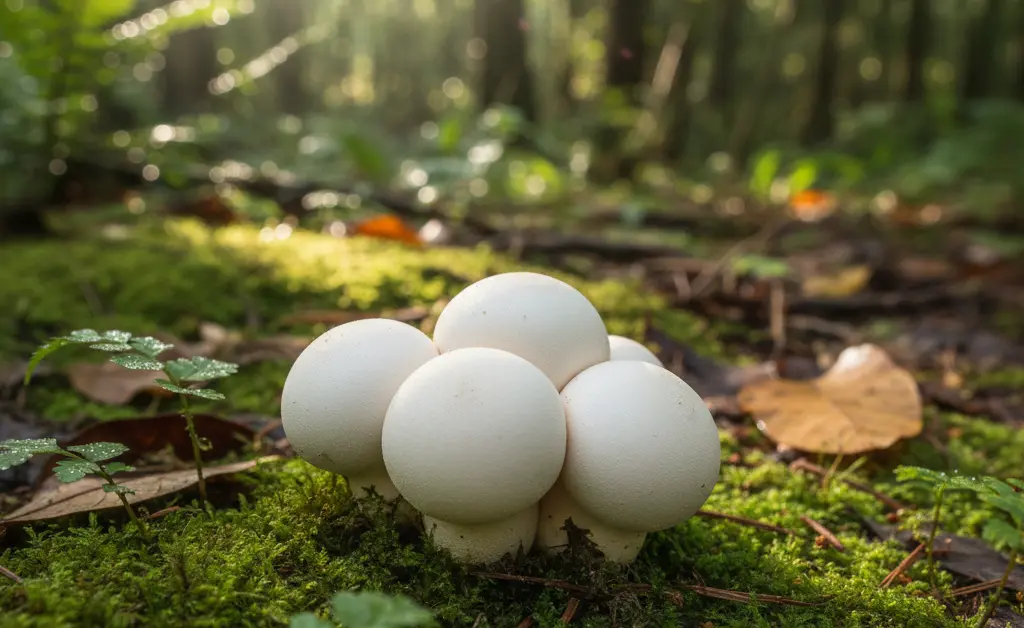
Puffball mushrooms are a fascinating group of fungi often encountered by foragers due to their distinct spherical or pear-shaped appearance. These edible wonders can be a delightful addition to many culinary dishes, offering a mild, earthy flavor when young and firm. Before heading out to forage, however, understanding the key characteristics for identification is crucial to ensure safety and enjoyment. This guide aims to equip enthusiasts with the knowledge needed to confidently identify, locate, and safely enjoy the various species of puffball mushroom florida. From their preferred habitats to their seasonal appearances, we will explore what makes these fungi a unique part of the state’s natural bounty, helping you distinguish edible varieties from those best left untouched.
Identifying Puffball Mushrooms in Florida
Accurate identification is the cornerstone of safe foraging, especially when it comes to the diverse world of fungi. Puffball mushrooms in Florida generally share several key characteristics that can help distinguish them from other species. Most notably, they possess a rounded, spherical, or pear-shaped fruiting body that lacks a distinct cap, gills, or stem in the traditional sense. Instead, the spores develop internally within a sac-like structure. When young, a true puffball will have a solid, white, and homogenous interior, often compared to the texture of a marshmallow or soft cheese. A crucial step in identification involves slicing the mushroom in half vertically to inspect this internal structure. Any discoloration, presence of developing gills, or an outline of a cap and stem within could indicate a toxic look-alike, such as an immature Amanita species.
Distinguishing puffballs from their look-alikes is paramount. While some puffballs are small and resemble marbles, others can grow quite large, sometimes exceeding the size of a soccer ball. Their outer surface can vary from smooth to spiky, rough, or even gem-studded. Despite these variations, the internal examination remains the most reliable method for confirming a true puffball. Always remember that if there is any doubt about identification, it is best to err on the side of caution and not consume the mushroom.
Edibility and Safety of Florida Puffballs
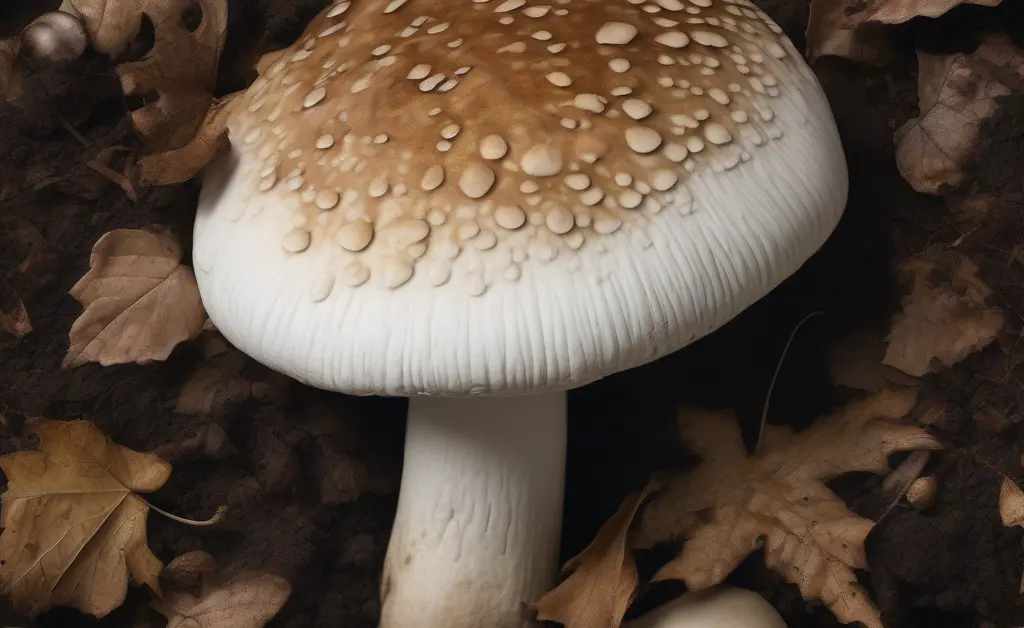
Foraging for edible mushrooms carries inherent risks, and consuming puffball mushroom florida is no exception. While many species are considered choice edibles, safety depends heavily on correct identification and proper preparation. The primary rule for edibility is that a puffball must be pure white inside, firm to the touch, and free of any discoloration or signs of decay. As puffballs mature, their internal flesh begins to change color, often turning yellowish, greenish, or purplish, and develops a powdery or spongy texture. At this stage, they are no longer suitable for consumption and may cause digestive upset. The spores within also begin to develop, eventually turning into a dark, powdery mass that “puffs” out when disturbed.
Potential dangers and misidentification represent the most significant threats. Immature stages of highly poisonous mushrooms, such as deadly Amanitas (e.g., Death Cap or Destroying Angel), can superficially resemble young puffballs. These deadly fungi develop from an “egg” structure which, when cut open, clearly reveals the outline of a cap, gills, and stem. This is why the internal slice test is absolutely critical for any puffball collected. Furthermore, some puffball-like fungi, such as earthballs (Scleroderma species), are toxic. Earthballs have a much tougher outer skin, and when cut open, they reveal a dark purplish or black interior, often with white marbling, never pure white. Always cook puffball mushrooms thoroughly; they should never be eaten raw.
Where to Find Puffball Mushrooms in Florida
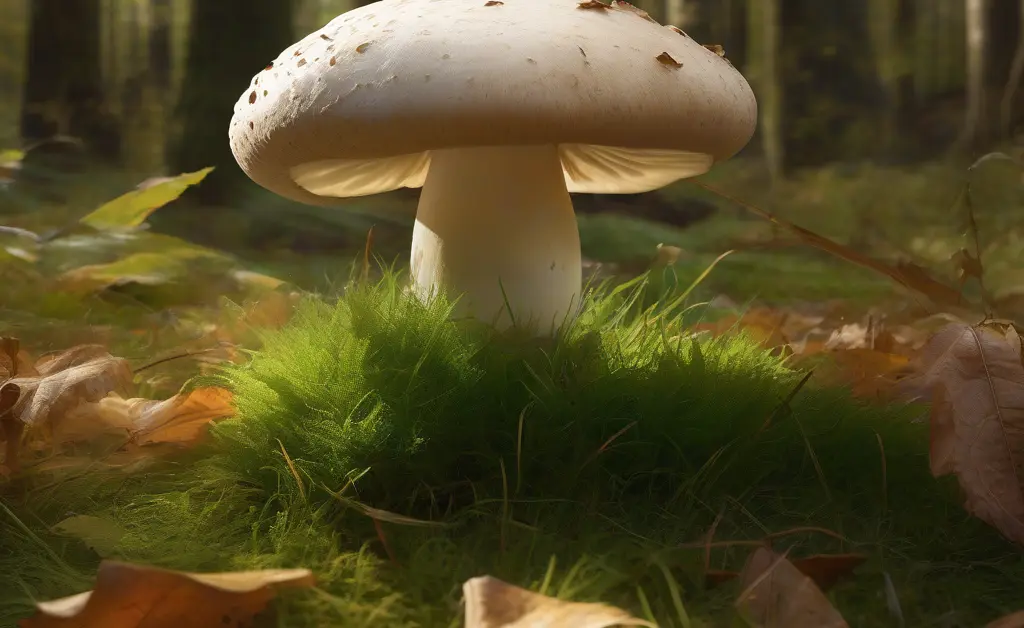
Locating puffball mushroom florida involves understanding their preferred habitats and growing conditions. These fungi are saprobic, meaning they obtain nutrients from decaying organic matter. Consequently, they are commonly found in a variety of environments across Florida, often thriving in areas with rich soil and ample moisture. Look for them in woodlands, fields, meadows, suburban lawns, and even along roadsides. They frequently appear in grassy areas, at the edges of forests, or near decaying wood. The presence of leaf litter, wood chips, or well-mulched gardens can also indicate suitable conditions for their growth.
The best time to search for puffballs is often after periods of rain, which provide the necessary moisture for their fruiting bodies to develop. They can sometimes grow in scattered groups or individually, blending into their surroundings. Patience and keen observation are essential for successful foraging. Always ensure you have permission to forage on private property, and be mindful of local regulations when foraging in public parks or natural preserves.
Seasonal Availability in Florida
The seasonal availability of puffball mushrooms in Florida can vary slightly depending on the specific species and local weather patterns. Generally, many puffball varieties tend to fruit during the warmer, more humid months, from late spring through fall. However, given Florida’s subtropical climate, some species might appear almost year-round, especially during periods of consistent moisture. The peak season for many terrestrial fungi, including puffballs, often aligns with the state’s rainy season, which typically runs from June through September. Keeping an eye on weather forecasts and recent rainfall can significantly improve your chances of a successful puffball hunt.
Common Puffball Species in Florida
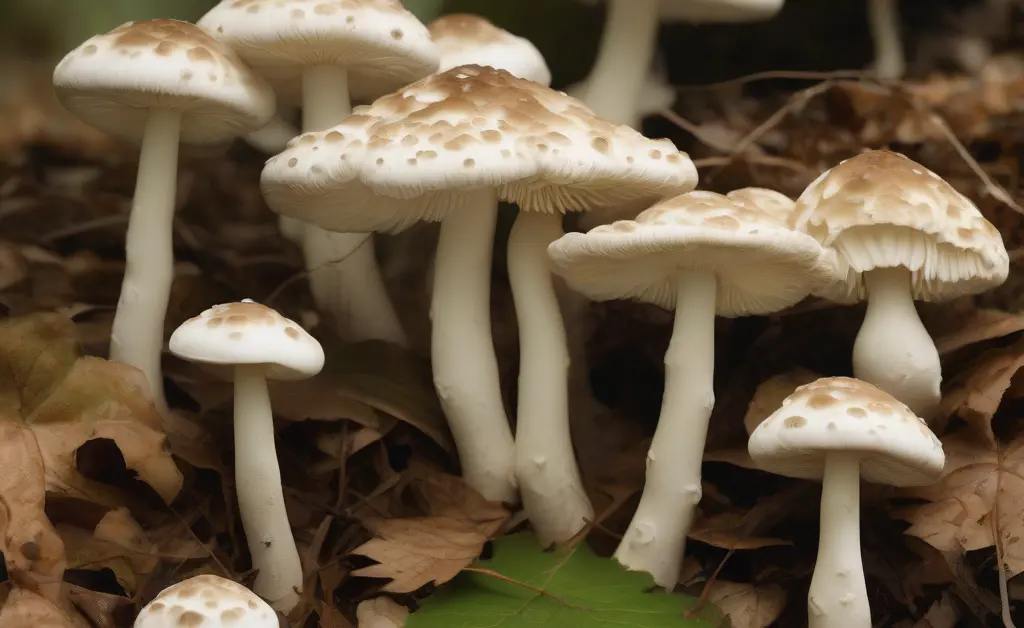
Florida is home to several types of puffball mushroom florida, each with its own subtle characteristics. While the general identification rules apply to all, understanding the more common species can refine your foraging efforts and appreciation. Most true puffballs encountered in the state are generally considered edible when young and firm, provided they pass the internal purity test. Some of the most frequently found species include those with distinct appearances that make them easier to recognize once you are familiar with them. It’s always beneficial to learn about the specific traits of local varieties to enhance foraging safety and success.
Gem-Studded Puffball (Loewisporua laevis)
The Gem-Studded Puffball, scientifically known as Loewisporua laevis (formerly Lycoperdon perlatum), is one of the most recognizable and widespread puffball species. It is characterized by its pear-shaped or club-shaped fruiting body, which is typically white or off-white when young. The surface is adorned with distinctive conical “warts” or spines, giving it a rough, gem-studded appearance, hence its common name. These spines are often easily rubbed off, leaving behind a net-like pattern on the surface. When sliced open, the interior should be uniformly white and firm to confirm its edibility. As it matures, the inner flesh turns yellowish and then eventually brown or olive-brown, becoming powdery as spores develop and are released through a small apical pore. For more information on puffballs, consult puffball mushroom resources.
Common Puffball (Apioperdon pyriforme)
Often found growing in clusters on decaying wood or wood debris, the Common Puffball (Apioperdon pyriforme, previously Lycoperdon pyriforme) is another frequently encountered species in Florida. Its name, “pyriforme,” refers to its pear-shaped appearance. Unlike the gem-studded puffball, its surface is typically smooth or only finely granular, lacking prominent spines. It usually appears in shades of white, cream, or light tan, often with a slightly darker base where it attaches to wood. These puffballs are generally smaller than many other species. Like all edible puffballs, it must be pure white and firm inside when cut open to be considered safe for consumption. Its tendency to grow in tight clusters on wood is a key identifying feature, distinguishing it from many terrestrial puffball species.
Exploring the natural landscapes of Florida to discover its various puffball mushrooms can be a rewarding endeavor for any nature enthusiast. By carefully learning the distinctive features of these fascinating fungi, and rigorously applying safety protocols, foragers can confidently identify and enjoy the culinary potential of many local species. Always prioritize safety through thorough identification and consultation with experienced foragers or reliable field guides before consuming any wild mushroom. Understanding their habitats, seasonal growth, and specific characteristics of common species will not only enrich your foraging experience but also deepen your connection to Florida’s diverse ecological environment.
The content provided in this article is intended for informational learning, not clinical application. This information should not be used as a substitute for professional advice, diagnosis, or treatment. Always exercise extreme caution when foraging for wild mushrooms, as misidentification can lead to serious health consequences. Consult with a qualified expert or mycologist if you have any doubts about the identification of a mushroom. Neither the author nor the publisher is responsible for any adverse effects resulting from the use of the information contained herein. For more information on food safety, you can refer to the efsa.europa.eu guidelines.
FAQ
Are puffball mushrooms in Florida edible?
While some puffball mushrooms can be safely consumed, identifying them correctly is crucial as some resemble toxic species. Ensuring the mushroom is young and entirely white inside, with no developing gills or other structures, is a key indicator of edibility. However, precise identification by an expert is always recommended before considering consumption.
What do puffball mushrooms look like in Florida?
Puffball mushrooms in Florida typically appear as round or oval-shaped fungi, varying in size from small to quite large. Their surface is usually smooth and white or cream-colored when young, eventually maturing to brown and developing a powdery interior. The defining characteristic is their lack of a distinct stem and cap, presenting as a solid mass.
Where can I find puffball mushrooms in Florida?
These fungi often grow in grassy areas, such as lawns, meadows, and pastures, as well as in wooded environments. They can also be found on decaying wood or in fields, particularly after periods of rain which provide the necessary moisture for their development. The diverse ecosystems in Florida offer various habitats where puffball mushrooms can thrive.
Are there poisonous puffball mushrooms in Florida?
Yes, it is possible to encounter puffball mushrooms that are not safe for consumption, and some poisonous species can be mistaken for edible ones. Young, edible puffballs are solid white throughout, but if the interior shows signs of any color, or the development of gills or other structures, it is a strong indication that it is not a puffball mushroom or is past its prime for eating. Consulting with a local mycologist or experienced mushroom hunter is the most reliable way to differentiate between safe and unsafe varieties.
Continue reading
You May Also Like
A Forager's Guide to Florida's Edible Mushrooms
This expert guide provides reliable identification for common edible mushrooms Florida, detailing key species and safe foraging techniques.

A Forager's Guide to the Giant Puffball Mushroom
A practical guide to safely identify the edible giant puffball mushroom, from its key features to the dangerous look-alikes you must avoid.
A Forager's Guide to Puffball Mushrooms
This guide provides key identification features for the puffball mushroom, detailing its culinary uses and how to avoid dangerous look-alikes.