
The Essential Guide to Irish Puffball Mushrooms
Puffball mushrooms are distinctive fungi characterized by their round or pear-shaped appearance, lacking traditional caps and gills. Often prized by foragers, these unique mushrooms boast a firm, white flesh when young and edible, offering a mild flavor and versatile texture for culinary use. This guide delves into the specifics of finding and identifying these fascinating organisms within the Emerald Isle. Exploring the diverse habitats and seasonal growth patterns, we provide essential information for safely harvesting and enjoying puffball mushroom ireland. From identifying common species to distinguishing them from potentially harmful look-alikes, this resource aims to equip enthusiasts with the knowledge needed for responsible foraging and consumption.
Identifying Puffball Mushrooms in Ireland
Understanding the defining characteristics of puffball mushrooms is crucial for safe foraging. These fungi are typically spherical, pear-shaped, or club-shaped, lacking the traditional cap, stem, and gills found in many other mushroom species. Key visual features include their often uniform color, which can range from pure white to off-white, light tan, or even brownish. The texture of the outer skin can vary from smooth to slightly rough or scaly. When cut open, a young, edible puffball will reveal solid, pure white flesh throughout. Any discoloration, particularly yellow, green, or purple hues, or the presence of a developing cap and gills within, indicates it is not a true puffball or is past its prime for consumption. Proper mushroom identification is paramount to distinguish edible varieties from those that might be unsuitable or toxic.
Common species found in Ireland
Ireland is home to several species of puffball mushrooms. Among the most commonly encountered are the common puffball (Lycoperdon perlatum), known for its spiny or warted exterior, and the pear-shaped puffball (Apioperdon pyriforme), which often grows in clusters on decaying wood. The giant puffball (Calvatia gigantea) is another notable species, easily recognized by its immense size. These species share the fundamental puffball characteristics, but minor differences in size, shape, and surface texture can help in their specific identification. Familiarity with these common varieties is key for anyone interested in foraging puffball mushroom ireland.
Where to Find Puffball Mushrooms in Ireland
Puffball mushrooms exhibit a preference for specific environments, making certain habitats more likely locations for foraging. They commonly thrive in open areas such as grassy fields, meadows, and pastures. You might also find them at the edges of woodlands, in parklands, or even in well-maintained lawns, especially after periods of rain. Some species, like the pear-shaped puffball, have a life cycle and growth pattern that leads them to grow on decaying wood, while others prefer the soil. Factors influencing their growth include soil moisture, organic matter content, and temperature. Foraging in areas that avoid heavy pesticide use or industrial pollution is always advisable to ensure the quality and safety of any wild mushrooms.
When Do Puffball Mushrooms Grow in Ireland?
The seasonality of puffball mushrooms in Ireland largely depends on the specific species and prevailing weather conditions. However, many varieties tend to appear from late summer through autumn. Understanding these seasonal occurrences is vital for successful foraging. The peak seasons for most puffball species generally coincide with periods of moderate temperatures and consistent rainfall, which are conducive to fungal growth.
When they appear solid white
The condition for edibility for puffball mushrooms is directly linked to their internal appearance. They are considered edible only when their flesh is solid, pure white, and uniform throughout when cut open. This indicates a young, fresh specimen. Any sign of yellowing, browning, or green discoloration, or a spongy texture, suggests that the mushroom is mature and has begun to develop spores, making it unsuitable for consumption. This key visual feature is a non-negotiable aspect of safe foraging.
Seasonal occurrences
Different puffball species may have slightly varied growth windows, but broadly, the late summer and autumn months are the most productive for finding puffball mushroom ireland. Regular rainfall combined with mild temperatures provides the ideal conditions for these fungi to emerge. Dry spells can significantly reduce their appearance, while unusually wet and warm periods might extend their season.
Peak seasons
The peak seasons for puffball foraging in Ireland typically fall between August and October. During these months, the chances of encountering a variety of puffball species, including the large and impressive giant puffball, are considerably higher. Knowledge of these peak times enhances the likelihood of a successful foraging trip, allowing enthusiasts to plan their outings effectively.
Edibility and Safety of Puffball Mushrooms
While many puffball mushroom species are considered edible, exercising extreme caution and certainty in identification is paramount. The general rule for edible puffballs is that they must be pure white and solid inside. Any deviation from this rule suggests that the mushroom is either too old, a different species, or potentially harmful. Always forage with a knowledgeable guide or consult multiple reliable field guides before consuming any wild mushroom.
Puffball mushroom ireland edible
Several species of puffball mushroom found in Ireland are prized for their mild flavor and firm texture when young. When properly identified and confirmed to be edible, they can be a delightful addition to various dishes. Their neutral taste allows them to absorb the flavors of other ingredients, making them versatile for cooking. However, even with edible varieties, some individuals may experience digestive sensitivities, so it is often advised to consume a small portion first when trying them for the first time.
Puffball mushroom ireland poisonous
While true puffballs, when young and solid white, are generally considered safe, the primary risk lies in misidentification. There are potentially poisonous look-alikes that can be mistaken for puffballs, especially young Death Caps (Amanita phalloides) or destroying angels (Amanita virosa) before their caps fully develop. These highly toxic mushrooms, even in small amounts, can cause severe illness or be fatal. The key difference to watch for in young puffballs versus immature Amanita species is the presence of internal structures (gills and a developing cap) or a volva (a cup-like structure at the base of the stem, often underground) in the latter. If there is any doubt whatsoever, the mushroom should not be consumed. Mushroom safety should always be the top priority.
Giant puffball mushroom ireland
The giant puffball, *Calvatia gigantea*, is perhaps the most iconic puffball mushroom found in Ireland, renowned for its impressive size. These spherical fungi can grow to the size of a football or even larger, sometimes reaching up to 60 cm in diameter and weighing several kilograms. They are typically found in grassy areas, meadows, and lawns, particularly in late summer and autumn. When young and its internal flesh is pure white and firm, the giant puffball is considered an excellent edible mushroom. Its mild flavor and firm texture make it suitable for slicing into ‘steaks’ or dicing for various culinary applications. However, like all wild mushrooms, careful identification is crucial. When it starts to yellow or become soft inside, it is no longer suitable for consumption as it begins to develop spores, which can be powdery and lead to digestive upset. The sheer size of a giant puffball makes it relatively easy to identify compared to other smaller puffball species or potentially harmful look-alikes, but the internal color check remains vital.
Distinguishing Puffball Mushrooms from Look-alikes
One of the most critical aspects of foraging for puffball mushroom ireland is the ability to confidently distinguish them from other, potentially dangerous, fungi. The risk of misidentification is significant, particularly with young, button-stage poisonous Amanita species. These deadly mushrooms can appear round and uniform before their caps and gills fully develop.
Key differences to watch for include always cutting a puffball open. A true, edible puffball will be solid white inside, with no signs of gills, a stem, or a developing cap structure. If you observe any hint of internal differentiation, such as a mushroom shape forming within, or any discoloration other than pure white, it is not a puffball and should be discarded. Young Death Caps or Destroying Angels will reveal the rudimentary forms of a cap and gills when sliced in half, even at their earliest stages. Additionally, some poisonous Scleroderma species, commonly known as earthballs, can be mistaken for puffballs. Earthballs typically have a much tougher, leathery skin, and when cut open, their interior is dark purplish-black, not white, signifying mature spores. Always err on the side of caution; if there is any uncertainty regarding mushroom identification, it is best not to consume it.
Puffball mushrooms offer a unique foraging experience in Ireland, providing a mild and versatile ingredient for the kitchen. However, the enjoyment of these fungi must always be balanced with a thorough understanding of their identification, growth patterns, and, most importantly, the critical safety measures required to distinguish them from poisonous look-alikes. By adhering to responsible foraging practices and prioritizing accurate identification, enthusiasts can safely appreciate the bounty that Irish nature offers. Research on fungal biology can be found at NCBI.
This article aims to inform, not to replace professional healthcare advice. The information provided is for general knowledge and educational purposes only, and does not address individual circumstances. It is not a substitute for professional medical advice, diagnosis, or treatment. Always seek the advice of a qualified health provider with any questions you may have regarding a medical condition or before undertaking any new health regimen.
FAQ
Are puffball mushrooms poisonous in Ireland?
For most puffball mushrooms found in Ireland, the key identifier for edibility is their internal structure; young specimens with entirely white, homogenous flesh are generally considered safe to eat. As they mature, their internal flesh changes color and texture, developing into spores, which makes them inedible and can sometimes be mistaken for toxic species. It is crucial to have absolute certainty in identification before consuming any wild mushroom.
When are puffball mushrooms in season in Ireland?
Puffball mushrooms typically emerge in Ireland during the late summer and autumn months. This period, often from August through October, provides the right conditions of moisture and temperature for these unique fungi to develop. Their presence can vary slightly year to year depending on specific weather patterns.
Continue reading
You May Also Like
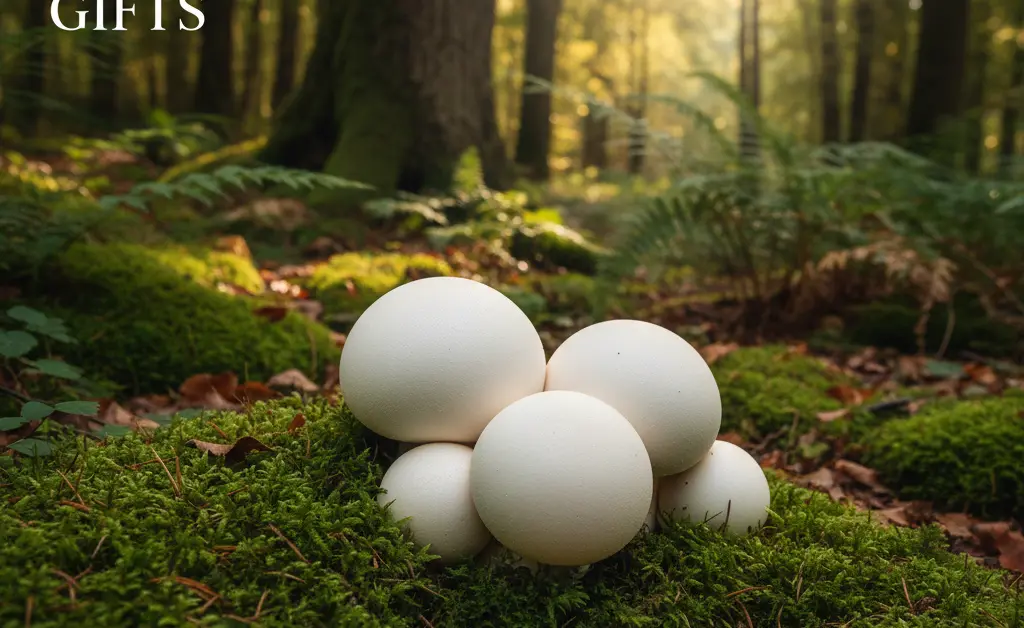
The Essential Guide to Puffball Mushrooms in India
This guide to the puffball mushroom india details safe identification, how to spot toxic lookalikes, and includes simple cooking recipes.
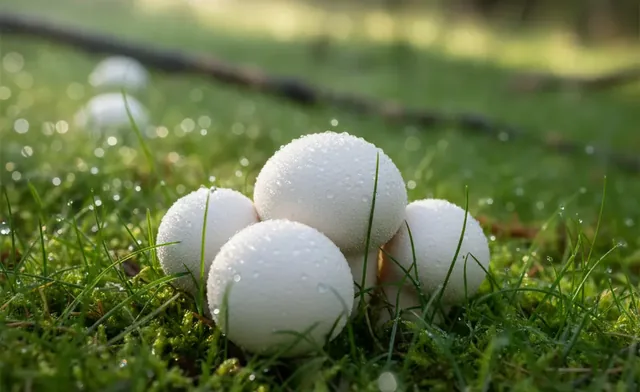
The Essential Guide to Young Puffball Mushrooms
This essential guide details the critical identification features and foraging safety protocols for the young puffball mushroom for safe consumption.

Where to Buy Fresh and Dried Puffball Mushrooms?
Our guide to semaglutide for weight loss reviews its clinical efficacy, side effects, and cost to help you evaluate if it's the right choice.