
The Essential Guide to Young Puffball Mushrooms
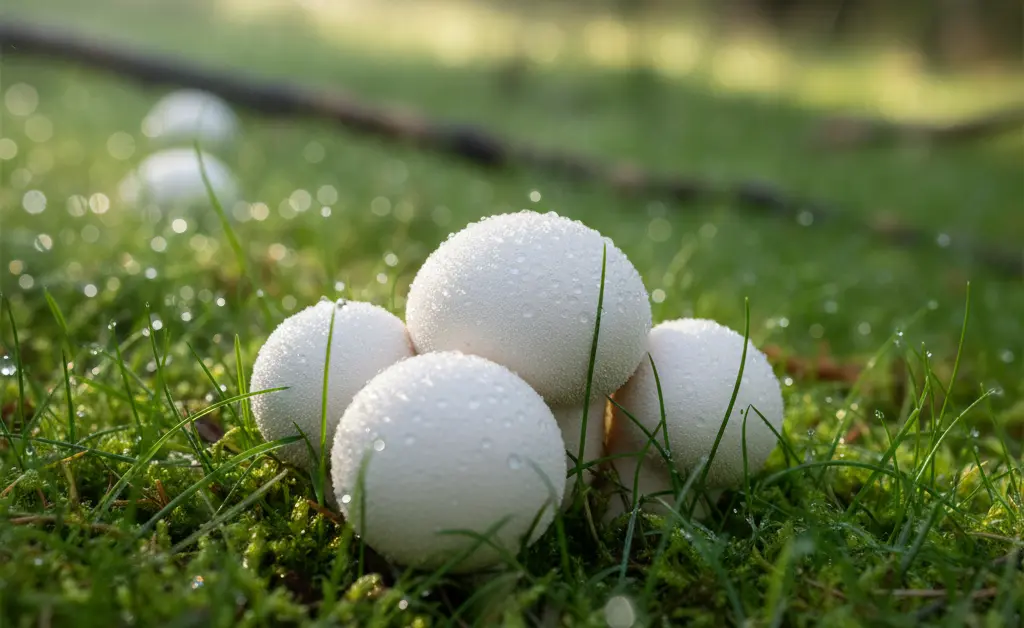
Imagine a crisp autumn morning, a light dew still clinging to the grass, and the scent of damp earth filling the air. You’re out for a leisurely walk, perhaps in a meadow or along a forest edge, when your eye catches something unusual – a perfectly spherical, pristine white form emerging from the soil. There’s a subtle thrill in recognizing it, a moment of quiet satisfaction as you realize you’ve stumbled upon a young puffball mushroom, pristine and ready for harvest. This isn’t just any fungus; it’s a culinary delight waiting to be transformed, offering a mild, earthy flavor and a unique texture. This comprehensive guide is designed to illuminate the world of this fascinating edible, providing essential knowledge on its identification, safe foraging practices, and delicious preparation methods, ensuring a rewarding experience for enthusiasts and novices alike.
What is a Young Puffball Mushroom?
A young puffball mushroom refers to the immature stage of various fungi species characterized by their round or pear-like shape and lack of a visible stem and cap structure typical of gilled mushrooms. At this stage, the interior of the puffball is solid, firm, and uniformly white, without any developing gills or color changes. This unique internal consistency is a critical indicator of its edibility, as mature puffballs develop spores that render them unpalatable and some look-alikes may have different internal structures. Recognizing a young puffball mushroom requires careful attention to both its external appearance and, crucially, its internal characteristics.
The Internal Structure of a Young Puffball
The internal structure is perhaps the most vital characteristic for identifying an edible young puffball. Upon slicing it open, a true young puffball should reveal a solid, marshmallow-like consistency, uniformly pure white from edge to center. There should be no signs of developing gills, discoloration, or any internal patterns that might suggest a different type of fungus. This pristine white, dense interior indicates that the mushroom has not yet begun to form its spores, which are typically found in mature puffballs and are often greenish or yellowish. Any deviation from this pure white, solid interior should be a clear warning sign to discard the specimen, as it could indicate maturity, decay, or even a potentially toxic look-alike.
Young Puffball Mushroom Identification
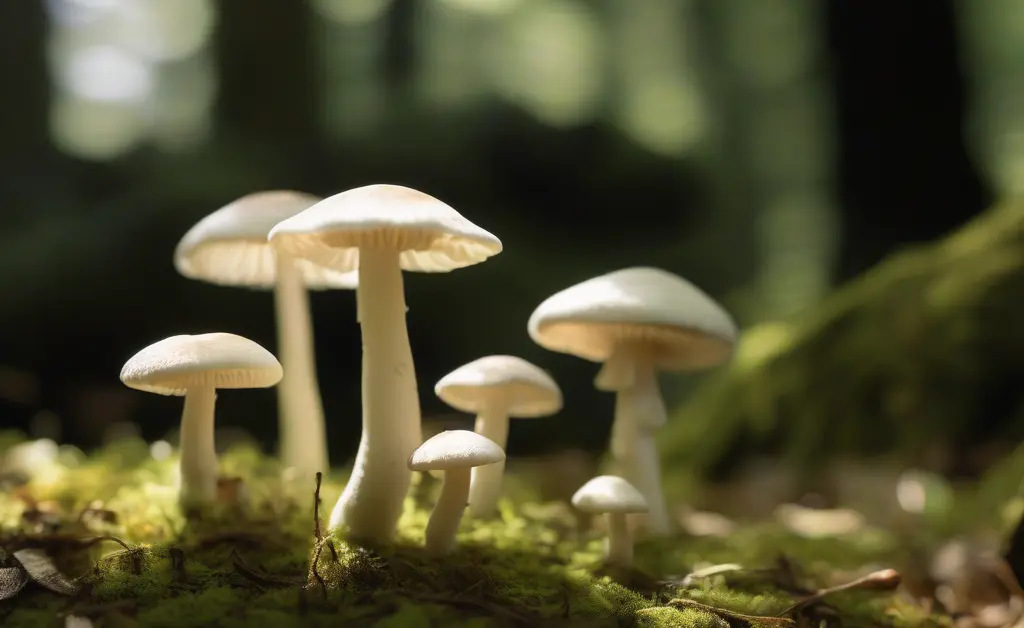
Accurate identification is paramount when foraging for any wild edible, and the young puffball mushroom is no exception. While many puffball species are edible when young, it is crucial to distinguish them from poisonous look-alikes. Key identification features include their spherical to pear-shaped form, typically white or off-white exterior, and the complete absence of gills, a stem, or a cap in the traditional sense. The surface texture can vary, ranging from smooth to slightly warted or scaly. Always double-check every characteristic and, when in doubt, it is best to err on the side of caution. For more details on how to identify puffball mushrooms, you can refer to this comprehensive guide on puffball mushroom identification.
What does a young puffball mushroom look like?
Externally, young puffball mushrooms commonly appear as spherical, ovoid, or pear-shaped bodies emerging directly from the soil or wood. Their color is usually white to off-white, sometimes with a slightly brownish or yellowish tint as they age or if exposed to certain conditions. The outer skin can be smooth, granular, or covered with small, soft warts or spines that are easily rubbed off. Sizes can vary significantly, from a small marble to a soccer ball or even larger, depending on the species. A crucial visual aspect is the absence of any stem or cap structure that would indicate it is a gilled mushroom.
Puffball mushroom inside
To confirm the identity and edibility of a puffball, it is absolutely essential to cut it in half from top to bottom. The interior of an edible puffball must be uniformly firm and pure white, resembling the texture and color of a fresh mozzarella ball. There should be no dark spots, yellowing, greening, or any indication of forming gills or a distinct mushroom shape inside. If you see anything other than a solid, pure white interior, such as a yellowish or greenish tint (indicating spore development), or a miniature gilled mushroom outline (which identifies it as a toxic Amanita button), it is not a puffball suitable for consumption and should be immediately discarded. Understanding what a puffball mushroom looks like inside is crucial, especially to differentiate it from poisonous varieties like an Amanita button.
Foraging Young Puffball Mushrooms
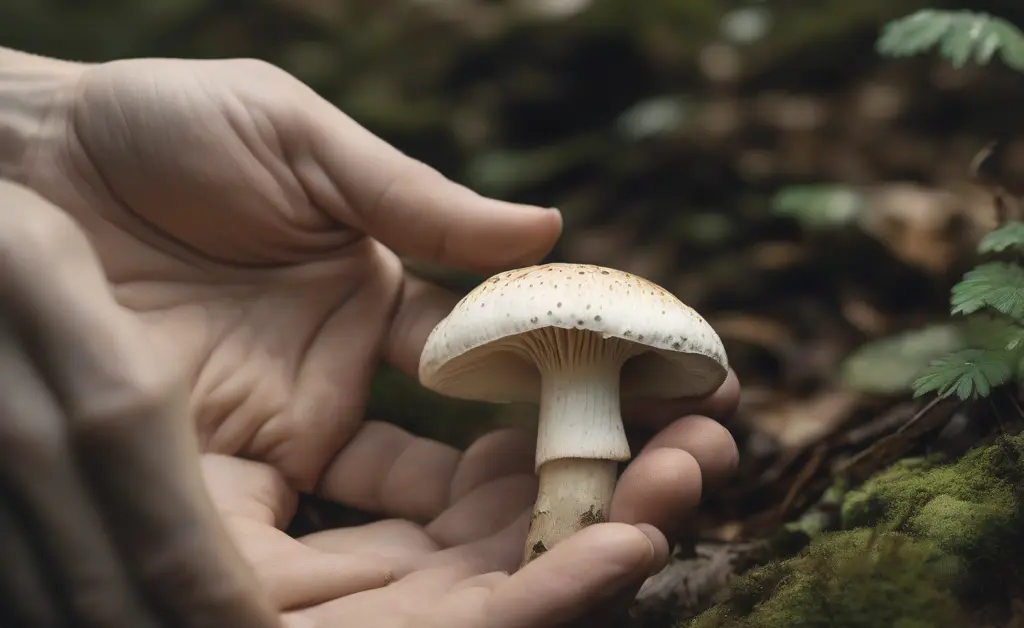
Foraging for wild mushrooms, including puffballs, can be a rewarding experience when approached with knowledge and respect for nature. Always ensure you have a definitive identification before harvesting. It is advisable to forage in clean environments, away from roadsides or areas potentially contaminated by pollutants. When you find a promising specimen, gently slice it open to confirm its internal purity before collecting. Harvest only what you can use, and avoid disturbing the surrounding ecosystem. Leaving some specimens to mature can also help ensure future growth and spore dispersal. Be aware of potential puffball mushroom look-alikes to ensure safe foraging.
Edibility of Young Puffball Mushrooms
Many varieties of young puffball mushroom are considered excellent edibles, prized for their mild flavor and unique texture. Their taste is often described as earthy, slightly nutty, and subtle, making them a versatile ingredient in many dishes. The key to their edibility lies in their immaturity; once the spores begin to form and the interior changes from pure white to yellow, green, or brown, they are no longer suitable for consumption. Some individuals may experience digestive upset even with properly identified and prepared puffballs, so it is always wise to try a small amount first. Always prioritize positive identification to ensure the safety of consuming any wild fungus. Remember, a puffball mushroom that is brown inside is generally past its prime for eating.
A crucial aspect of foraging is knowing when a puffball is no longer safe to eat. If you cut open a puffball and find it is puffball mushroom brown inside, it indicates spore development and it should not be consumed. This knowledge is vital for safe foraging practices.
Where to Find Young Puffball Mushrooms

Puffball mushrooms are quite widespread and can be found in a variety of habitats across temperate regions. They commonly grow in meadows, pastures, open woodlands, forest edges, and even in suburban lawns and gardens. Some species prefer to grow on decaying wood, while others emerge from the soil. They are often found growing solitarily or in scattered groups, sometimes appearing in large “fairy rings.” Factors like soil composition, moisture levels, and the presence of organic matter can influence their growth. Understanding the preferred habitats of local puffball species can significantly increase your chances of a successful foraging trip.
When to Harvest Young Puffball Mushrooms
The optimal time to harvest a young puffball mushroom is when it is still in its firm, white, immature stage. This period typically occurs during the late summer and autumn months, though some species may appear in spring or early summer depending on regional climate and conditions. It is crucial to harvest them before their internal flesh begins to change color, indicating spore development. A puffball that feels soft or squishy, has any yellow, green, or brown discoloration inside, or exhibits a powdery texture upon cutting is past its prime for eating. Harvesting at the right stage ensures both culinary quality and safety.
How to Prepare Young Puffball Mushrooms
Preparing young puffball mushrooms is relatively straightforward, but proper cleaning and cooking methods enhance their flavor and texture. First, gently brush off any dirt or debris from the exterior. Peeling the outer skin is optional; some prefer to remove it for a smoother texture, while others leave it on, especially if it’s thin and clean. Slice the puffball into uniform pieces, about ¼ to ½ inch thick, suitable for frying or sautéing. They absorb flavors well and can be cooked simply with butter, garlic, and herbs, or incorporated into more complex dishes like stir-fries, omelets, or gratins. Their mild flavor makes them a versatile addition to many culinary creations. For information on mushroom safety and regulations, consult the FDA.
Discovering, identifying, and preparing a young puffball mushroom can be a truly rewarding experience for anyone interested in wild edibles. With careful attention to identification, especially the critical internal characteristics, and adherence to safe foraging practices, these unique fungi offer a delightful and earthy addition to your culinary repertoire. Enjoy the process of connecting with nature and savoring the simple pleasure of a freshly foraged meal.
This article is written for general understanding and not for medical decision-making. The information provided about fungi is for educational purposes only and should not be used as a substitute for expert advice from a trained mycologist or medical professional. Foraging for wild mushrooms carries inherent risks, and misidentification can lead to serious health consequences. Always consult with a qualified expert before consuming any wild mushroom.
FAQ
Are young puffball mushrooms safe to eat?
Young puffball mushrooms are generally considered safe to consume when correctly identified. Their internal flesh should be uniformly white and firm, without any signs of gill formation or distinct cap and stem structures. Ingesting puffballs that are past their prime or mistaken for other fungi can lead to adverse reactions.
How can you identify a young puffball mushroom?
Identifying a young puffball mushroom involves checking for a distinct, uniformly white interior. When sliced in half, the flesh should be solid and free of any developing gills or the outline of a cap and stem, which are characteristic of toxic look-alikes like young Amanita species. A spongy, lightweight exterior is also a common feature.
What do young puffball mushrooms look like?
Young puffball mushrooms typically present as round or slightly irregular, smooth-surfaced fungi that grow directly from the ground or decaying wood. Their external appearance is often a pale white or cream color, and they lack the distinct cap and stem found in many other mushroom varieties. This simple, spherical shape is a key visual cue.
Continue reading
You May Also Like
The Essential Guide to Puffball Mushrooms in India
This guide to the puffball mushroom india details safe identification, how to spot toxic lookalikes, and includes simple cooking recipes.

Where to Buy Fresh and Dried Puffball Mushrooms?
Our guide to semaglutide for weight loss reviews its clinical efficacy, side effects, and cost to help you evaluate if it's the right choice.
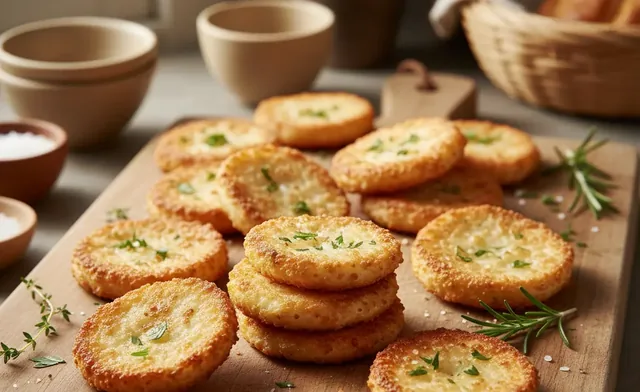
How to Fry Puffball Mushrooms to Golden Perfection
This step-by-step guide provides a complete recipe for fried puffball mushroom, covering preparation, batter, and the best frying technique.