
A Forager’s Guide to Puffballs in Massachusetts
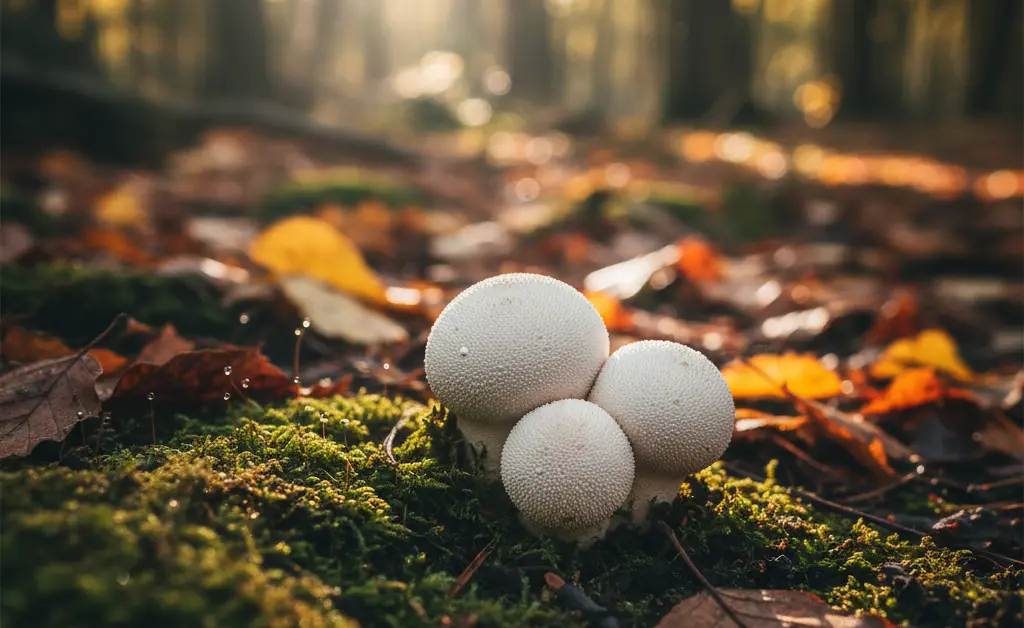
Imagine the simple joy of discovering a hidden treasure in nature, a pristine, edible gem awaiting your careful harvest. There’s a unique satisfaction in gathering wild foods, connecting us to the rhythm of the seasons and the land. Foraging for mushrooms offers a delightful adventure, combining outdoor exploration with the promise of a delicious meal. This guide will help you confidently identify and safely collect the diverse array of puffball mushroom massachusetts, transforming a simple walk in the woods into a rewarding culinary experience. Learn to distinguish common species, understand their preferred habitats, and prepare them for your table, ensuring a safe and enjoyable foraging journey.
Identifying Puffball Mushrooms in Massachusetts
Proper identification is paramount when foraging for any wild mushroom, and puffballs are no exception. While many puffball species are edible when young and pure white inside, some can be confused with toxic lookalikes, particularly young Death Caps or Destroying Angels (Amanita species) before their caps open. Foragers in Massachusetts looking for puffball mushroom massachusetts should familiarize themselves with the key characteristics of true puffballs. These fungi typically have a round or pear-shaped fruiting body, lacking a distinct cap and stem in most cases. A crucial identification feature is the interior flesh, which must be uniformly white, firm, and homogenous, resembling a marshmallow. Any discoloration, gills, or an outline of a developing mushroom inside signals that it is not a true, edible puffball.
Giant Puffball (Calvatia gigantea)
The Giant Puffball, Calvatia gigantea, is perhaps the most impressive and easily recognizable of all puffball species. As its name suggests, it can grow to an enormous size, often resembling a volleyball or even a basketball, though some specimens have been known to exceed these dimensions. Its exterior is typically smooth and white or off-white, sometimes with subtle indentations. When young and edible, the interior flesh is pure white and uniform throughout, lacking any visible gills or stem development. They tend to grow in grassy areas, meadows, and disturbed ground, often appearing in late summer and early autumn. The life cycle of this puffball involves a rapid expansion of its fruiting body, eventually turning its internal tissue into a mass of olive-brown spores that are released into the air.
Pear-Shaped Puffball (Apioperdon pyriforme)
The Pear-Shaped Puffball, Apioperdon pyriforme (formerly Lycoperdon pyriforme), is a common and distinctive species found abundantly in Massachusetts. Unlike the Giant Puffball, these tend to grow in clusters, often on decaying wood, stumps, or buried roots. Their shape is typically pear-like, with a slightly broader base tapering towards the top. The exterior is usually white to yellowish-brown, sometimes finely textured or granular. When young and edible, the internal flesh is solid white. As they mature, the interior turns yellowish, then olive-brown, becoming powdery as spores develop, which are eventually released through a small opening at the top. To learn more about puffball mushrooms, you can refer to puffball mushroom information.
Common Puffball (Lycoperdon perlatum)
The Common Puffball, Lycoperdon perlatum, also known as the Gem-studded Puffball, is another widespread species in Massachusetts woodlands. This puffball is characterized by its distinctive surface, which is covered with small, wart-like projections or “gems” that often flake off with age, leaving behind a net-like pattern. It is typically round to pear-shaped, growing singly or in small groups on the ground, often in forests. The color ranges from white to cream or pale brown. Like other edible puffballs, its internal flesh must be firm and pure white to be considered safe for consumption. Any yellowing or browning indicates maturity and spore development, rendering it inedible.
Foraging Puffball Mushrooms in Massachusetts
Successful foraging for puffball mushroom massachusetts requires not only identification skills but also an understanding of their preferred habitats and ethical foraging practices. Puffballs are decomposers, playing a vital role in forest ecosystems by breaking down organic matter. Knowing where to look significantly increases your chances of a bountiful harvest. Always carry a field guide, a sharp knife, and a mesh bag or basket, which allows spores to disperse as you move, aiding in future growth.
Seasonality in Massachusetts
Puffball mushrooms in Massachusetts typically have a defined growing season. While some species can appear throughout the warmer months, the most prolific period for many edible puffballs, especially the Giant Puffball, is from late summer through early autumn. Depending on rainfall and temperature, this usually spans from August into October. Observing local weather patterns and ground moisture levels can provide clues as to when conditions are optimal for these fungi to emerge.
Best Locations for Foraging
Puffballs exhibit various habitat preferences. Giant Puffballs (Calvatia gigantea) often thrive in open grassy areas, such as lawns, meadows, golf courses, and the edges of forests, especially where the soil has been disturbed. Pear-Shaped Puffballs (Apioperdon pyriforme) are typically saprobic, meaning they grow on decaying wood, so look for them on fallen logs, stumps, and wood debris in deciduous or mixed forests. Common Puffballs (Lycoperdon perlatum) are also primarily terrestrial, found on the forest floor, in clearings, and along trails in a wide range of wooded environments. Exploring diverse habitats increases the likelihood of encountering different species of puffball mushroom massachusetts.
Edibility and Safety of Massachusetts Puffballs
While many species of puffball mushroom massachusetts are considered edible and delicious when properly identified and prepared, caution is always advised. The golden rule for puffballs is that the internal flesh must be entirely white, firm, and uniform. If there is any yellowing, browning, or purple discoloration, or if you observe any developing gill structures or an outline of a typical mushroom cap and stem inside, it is not an edible puffball and must be discarded. This internal examination is crucial to avoid mistakenly consuming toxic young mushrooms, such as deadly Amanita species, which can appear as small, unexpanded “eggs” resembling puffballs. Researching mushroom safety is recommended, and resources from NIH can be very helpful.
It is important to remember that not all puffballs are created equal, and some smaller species may be less desirable or harder to identify. Always forage with a knowledgeable expert if you are uncertain, and consider a small “test bite and spit” to gauge flavor and reaction before consuming a large quantity of any new wild food. Never consume any wild mushroom unless 100% confident in its identification. While serious toxicity concerns with true puffballs are rare, digestive upset can occur if they are past their prime or not properly cooked.
How to Harvest and Prepare Puffball Mushrooms
Once you’ve confidently identified an edible puffball mushroom, the harvesting process is relatively straightforward. Use a sharp knife to cut the puffball at its base, close to the ground, taking care not to disturb the mycelial network unnecessarily. Avoid pulling them directly from the ground, as this can damage future growth. After harvesting, immediately check the interior flesh again to confirm it is pure white and free of imperfections. Any puffball that has begun to turn yellow or brown inside should not be consumed.
Preparation of puffballs is quite versatile. For larger specimens, you might peel the outer skin, although this is not always necessary for all species. Slice the puffball into planks, cubes, or slices, depending on your culinary preference. They have a mild flavor and porous texture, making them excellent at absorbing flavors. Common cooking methods include frying in butter or oil, baking, or adding them to stir-fries, soups, and stews. They can also be breaded and fried like cutlets. For storage, fresh puffballs are best consumed within a few days, stored in a paper bag in the refrigerator. For longer preservation, they can be sautéed and then frozen, though their texture may change slightly upon thawing.
Exploring the world of puffball mushroom massachusetts offers a rewarding connection to nature and a chance to enjoy a unique culinary experience. With careful identification, respectful foraging practices, and appropriate preparation, these fascinating fungi can become a delightful addition to your table.
The information presented in this article is educational and not meant as professional medical counsel. This content is intended for informational purposes only and should not be used as a substitute for professional advice. Always consult with a qualified expert or mycologist before consuming any wild mushrooms to ensure proper identification and to avoid potential health risks. Self-foraging and consumption of wild mushrooms carry inherent risks, and individual reactions may vary.
FAQ
When do puffball mushrooms grow in Massachusetts?
Puffball mushrooms typically emerge in Massachusetts during the late summer and fall months. This period often coincides with adequate moisture and moderate temperatures, creating favorable conditions for their fruiting bodies to develop. Their appearance can vary year to year based on local climate patterns.
Where can I find puffball mushrooms in MA?
You can often locate puffball mushrooms in Massachusetts within grassy areas like meadows, fields, and even lawns. They also favor woodland edges and sometimes appear in disturbed soils or along trails. The puffball mushroom massachusetts is a common sight in many natural and semi-natural landscapes across the state.
Continue reading
You May Also Like
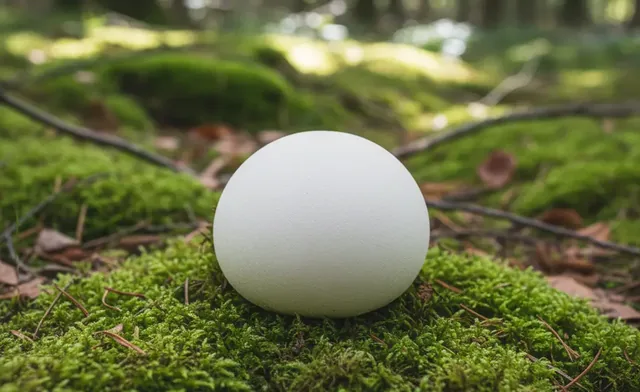
A Forager's Guide to Indiana Puffballs
This page covers the puffball mushroom Indiana provides, with details on safe identification, foraging locations, and poisonous look-alikes.
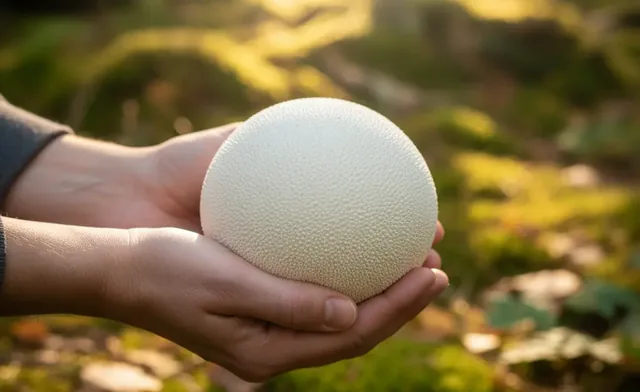
The Forager's Guide to Montana Puffballs
Proper identification is crucial when foraging for puffball mushroom Montana, letting you distinguish edible varieties from toxic look-alikes.
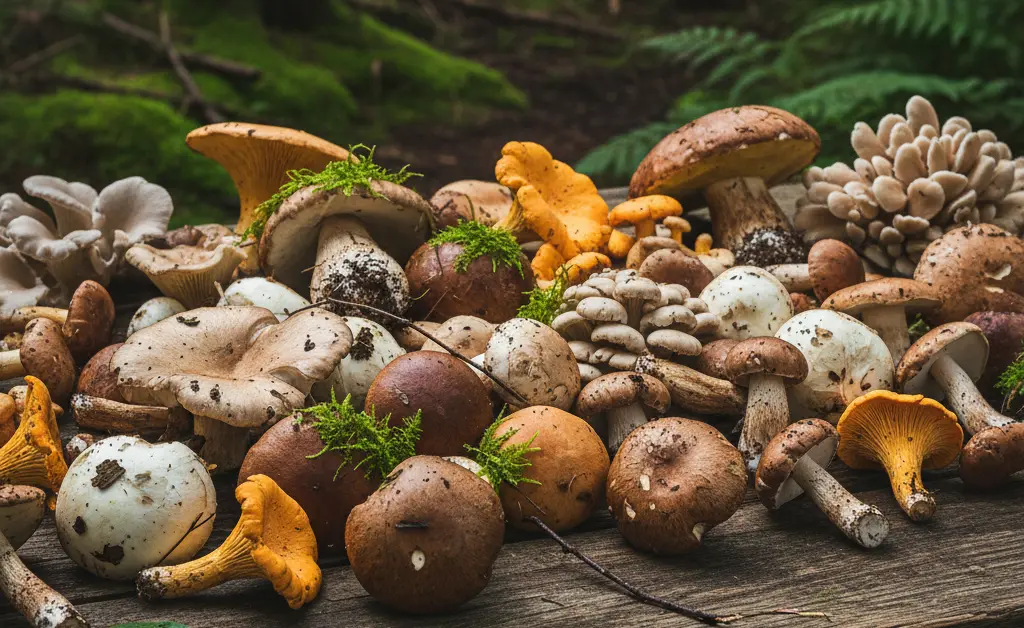
Foraging for Edible Mushrooms in Massachusetts
Get your forager's guide to finding common edible mushrooms Massachusetts, with tips on safe identification, prime locations, and seasonality.