
A Forager’s Guide to Puffball Mushrooms in Missouri
The increasing interest in foraging and incorporating wild, local foods into culinary practices has brought renewed attention to diverse natural edibles. This lifestyle trend emphasizes both sustainability and a deeper connection to nature. For enthusiasts seeking unique and readily available ingredients, the realm of wild mushrooms offers exciting possibilities. Among these, the distinctive puffball mushroom missouri presents a fascinating opportunity for foragers across the state. These spherical fungi, when correctly identified, are celebrated for their mild flavor and versatile culinary applications, making them a sought-after find for both novice and experienced gatherers. Understanding their characteristics and habitats is key to safely enjoying this natural bounty. This guide aims to equip foragers with the essential knowledge needed to identify, locate, and safely harvest puffball mushrooms within Missouri’s diverse ecosystems.
Identifying Giant Puffballs in Missouri
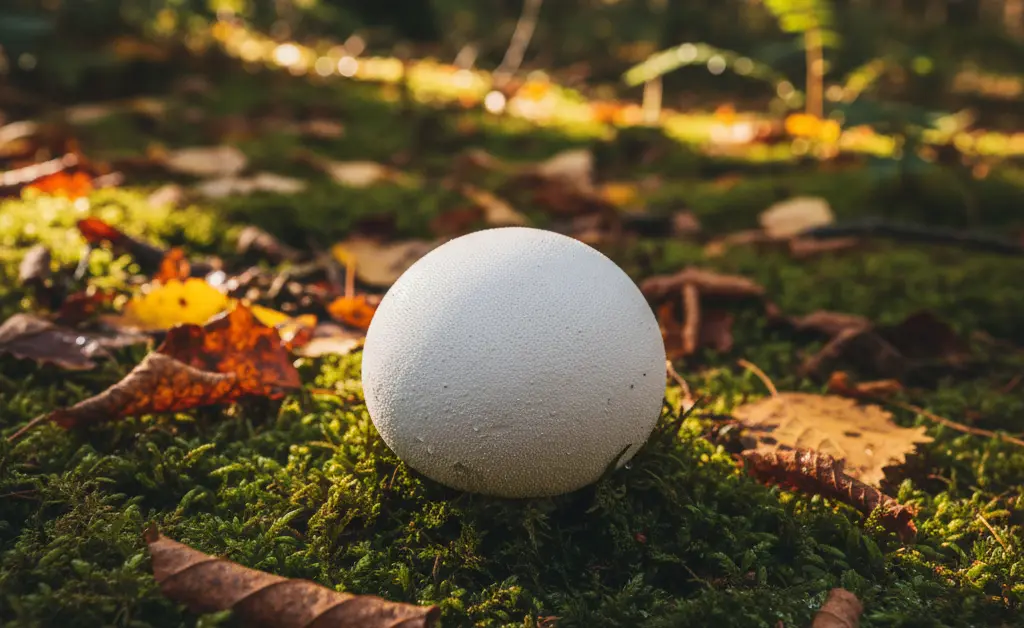
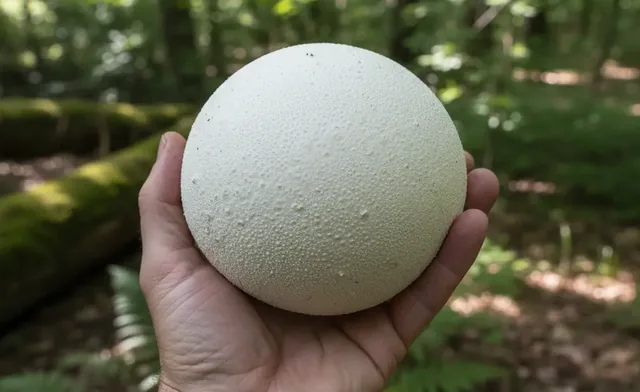
Giant puffball mushrooms (Calvatia gigantea) are among the most recognizable fungi found in the state, making them a popular target for foragers. These impressive specimens are typically large, often resembling a white or off-white soccer ball, though some can grow to be much larger. Their exterior is smooth or slightly leathery, without gills, a cap, or a distinct stem. Internally, a truly edible giant puffball will have a uniformly white, dense, marshmallow-like flesh. Any discoloration, particularly yellow or purple hues, suggests that the mushroom is past its prime or, more critically, could be a dangerous look-alike.
Giant puffball mushroom location
In Missouri, giant puffball mushrooms are commonly found in a variety of settings. They tend to prefer open, grassy areas such as meadows, pastures, and even suburban lawns. These fungi often appear in disturbed ground or areas rich in organic matter. While they can be found in woodlands, it is more typical to spot them at the edges of forests or in clearings rather than deep within dense tree cover. Understanding these preferred environments can significantly improve a forager’s chances of locating a thriving patch.
Confirming Edibility: The Importance of Interior Color
The single most critical factor in confirming the edibility of a puffball mushroom is its interior color. For safe consumption, the flesh must be pure, unblemished white from top to bottom. This uniform whiteness indicates that the mushroom is young, fresh, and free from developing spores or toxic look-alikes. If the interior shows any hint of yellow, green, or purple, or if there are discernible gill structures, it should be discarded immediately. A cross-section cut revealing a uniform white interior is the definitive test before considering a puffball for culinary use. For more on puffball mushrooms, consider reading about puffball mushrooms.
Where and When to Find Puffball Mushrooms in Missouri
Successfully foraging for puffball mushrooms in Missouri requires an understanding of their typical growing conditions and seasonal patterns. These distinctive fungi thrive in specific environments, and their appearance is often linked to particular times of the year, making seasonal awareness a valuable asset for any gatherer. Observing these patterns can greatly increase the likelihood of a successful harvest of the desired puffball mushroom Missouri foragers seek.
Preferred Habitats in Missouri
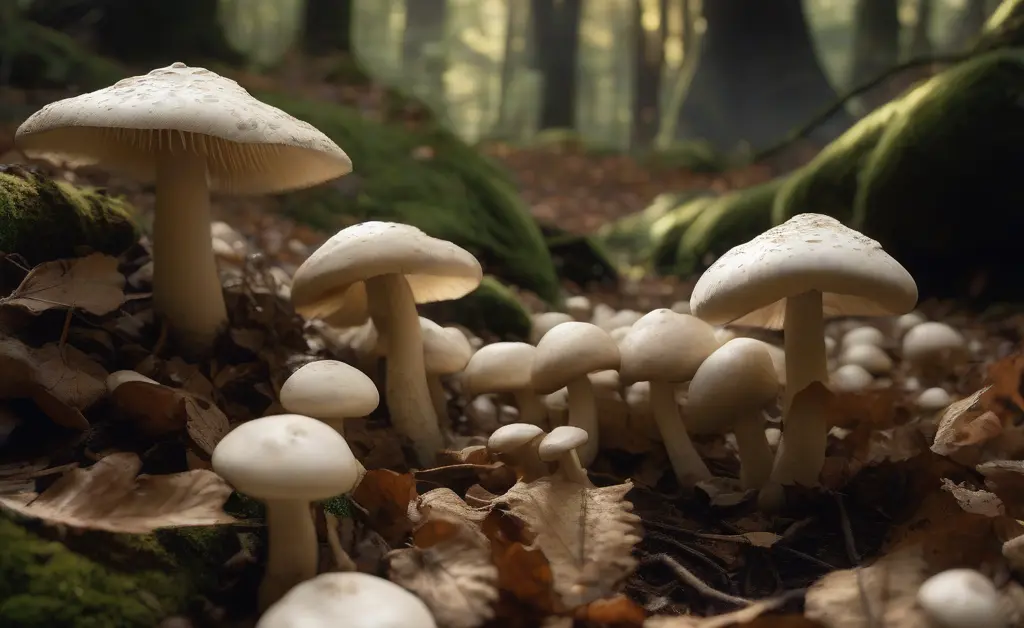
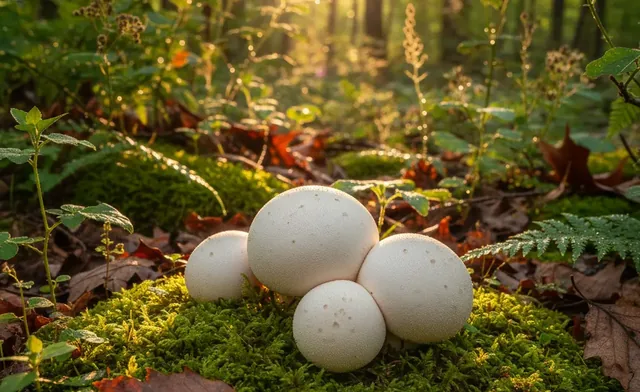
Puffball mushrooms in Missouri generally prefer areas with rich, moist soil and ample organic matter. They are frequently discovered in open deciduous woodlands, along forest edges, in meadows, and in grassy areas like parks, golf courses, and even residential lawns. While they can appear singly, it is not uncommon to find them in small clusters or scattered groups. Look for them in places where fallen leaves and decaying wood contribute to nutrient-rich soil, especially after a period of rainfall.
Seasonal Availability
The primary season for puffball mushrooms in Missouri typically runs from late summer through early autumn. While individual specimens may appear earlier or later depending on specific weather conditions, the peak “puffball mushroom season” generally occurs between August and October. Consistent moisture followed by warm temperatures can often trigger their growth. Foragers should pay close attention to local weather patterns during these months, as a good rain shower can often be a precursor to a fresh flush of puffballs.
Harvesting and Preparing Puffball Mushrooms
Once identified correctly, harvesting puffball mushrooms involves careful handling to ensure their quality. Preparing them for consumption is relatively straightforward, but proper cleaning and cooking methods can significantly enhance their mild flavor and texture. Approaching the task of harvesting and preparing puffball mushroom Missouri specimens with care will lead to a more enjoyable culinary experience.
When to Harvest for Best Quality
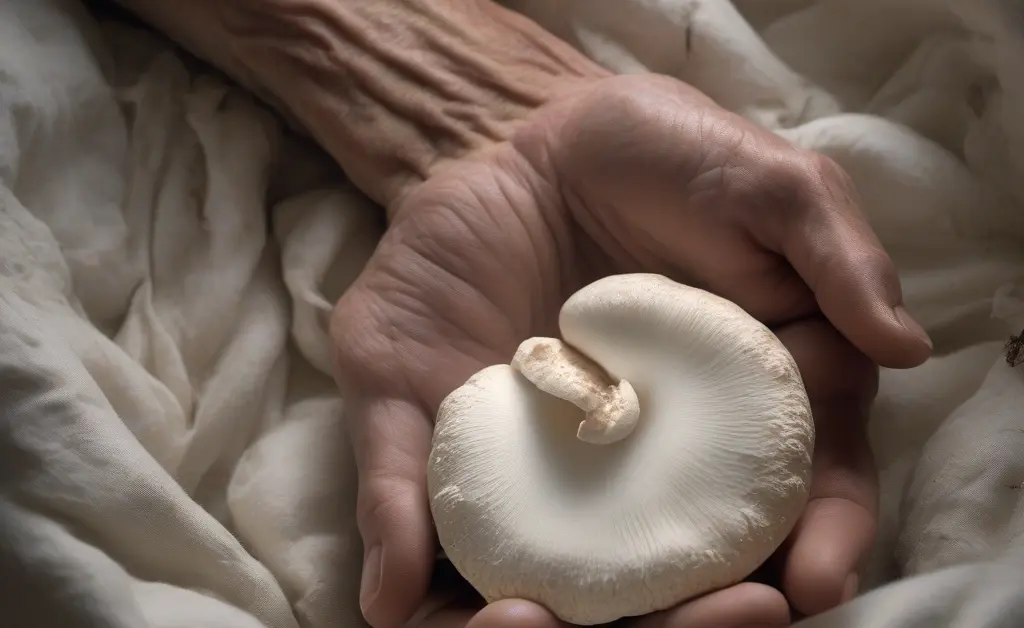
The optimal time to harvest a puffball mushroom is when it is young, firm, and has a completely white interior. This stage ensures the best flavor and texture, often described as mild and slightly earthy. As puffballs mature, their flesh begins to yellow, then turn greenish-brown as spores develop, at which point they become inedible. When harvesting, gently twist the mushroom from the ground or cut it at the base with a clean knife. Always inspect the interior immediately by cutting it open to confirm it is pure white. If it meets this crucial criterion, it is ready to be taken home for preparation.
Puffball Mushroom Safety and Misidentifications
Foraging for wild mushrooms always carries an element of risk, and the importance of accurate identification cannot be overstated, especially when it comes to the puffball mushroom Missouri foragers might encounter. While true puffballs are widely regarded as safe and delicious, there are several toxic fungi that can be mistaken for them, making careful examination absolutely essential.
Dangerous Look-alikes and How to Avoid Them
Several mushrooms can be confused with true puffballs, some of which are toxic. The most common and dangerous look-alikes are young, button-stage Amanita mushrooms, which include some of the most poisonous species in the world. When immature, these deadly fungi may appear as a spherical or egg-like shape, enclosed in a universal veil, much like a young puffball. The key distinguishing feature is that an Amanita will always reveal rudimentary gill structures and a developing stem (stipe) when cut in half, while a true puffball will have a solid, uniform white interior with no visible gills or stem formation. Another potential look-alike is the earthball (Scleroderma spp.), which, when cut open, will typically have a dark purple or black interior, often with a firm, rubbery texture, unlike the pure white, spongy flesh of an edible puffball. For more information on mushroom research, visit Cochrane Library.
Avoiding Poisonous Look-alikes
The most critical step in avoiding poisonous look-alikes is the “cut test.” Every puffball mushroom intended for consumption must be cut open lengthwise to reveal its interior. As previously mentioned, a true, edible puffball will have solid, uniformly white flesh, free of any internal structures such as gills or a stem. If any yellowing, purpling, or the presence of a developing cap and gills is observed, the mushroom must be discarded immediately. Never rely solely on external appearance. When in doubt, it is always best to err on the side of caution and discard the mushroom. Consulting experienced foragers or reliable field guides before consuming any wild mushroom is a highly recommended practice for ensuring safety.
Edible and Toxic Puffball Mushrooms in Missouri
Missouri’s diverse ecosystems support a range of fungal species, including various types of puffballs. It is crucial for foragers to distinguish between edible and potentially toxic varieties to ensure a safe and enjoyable foraging experience. The large, edible species are often the most sought-after puffball mushroom Missouri has to offer, but smaller types also exist and require careful identification.
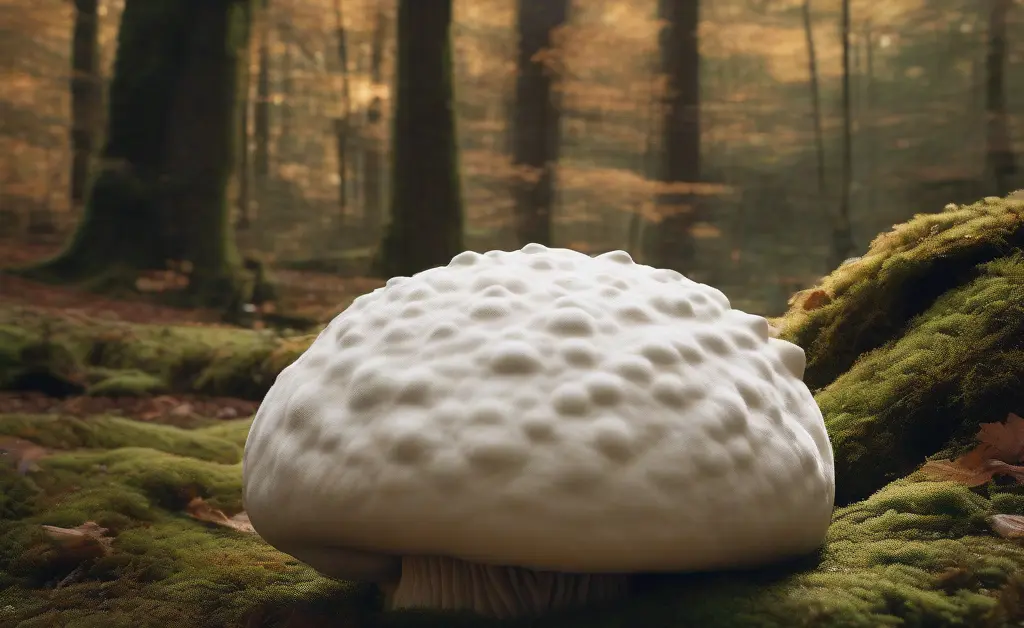
The most prized edible puffball is the Giant Puffball (Calvatia gigantea), known for its substantial size and pure white interior. Other edible puffball species found in the region may include the Pear-shaped Puffball (Lycoperdon pyriforme), often growing on decaying wood, and the Gem-studded Puffball (Lycoperdon perlatum), identifiable by its distinctive spines. These smaller puffballs also share the crucial characteristic of a solid, uniformly white interior when young and fresh. Any puffball, regardless of size, that exhibits internal discoloration (yellow, green, or purple) or displays developing gill structures must be considered inedible and potentially toxic. The “cut test” remains the ultimate safety check for all puffball types.
Foraging for puffball mushrooms in Missouri can be a rewarding endeavor, offering a unique connection to nature and a delicious culinary ingredient. By meticulously following identification guidelines, understanding preferred habitats and seasonal availability, and always prioritizing safety through careful inspection, foragers can confidently seek out and enjoy this distinctive wild edible. Remember that accurate identification, especially through the crucial interior color test, is paramount to distinguishing edible puffballs from their dangerous look-alikes. When in doubt, it is always best to leave the mushroom undisturbed.
This article is meant for general informational use and awareness. It is not intended to be a substitute for professional advice, diagnosis, or treatment. Foraging for wild mushrooms carries inherent risks, and misidentification can lead to serious health consequences. Always consult with experienced local experts or reliable field guides before consuming any wild fungi to ensure personal safety.
FAQ
Are giant puffball mushrooms poisonous in Missouri?
Giant puffball mushrooms are not poisonous when young and properly identified. However, any mushroom that is not definitively identified as edible carries a risk of being toxic. It is crucial to be absolutely certain of a mushroom’s identity before considering it for consumption.
How do I identify a giant puffball mushroom?
Young giant puffballs are typically spherical or slightly flattened, with a pure white exterior and no visible stem or cap. When sliced vertically, the interior should be uniformly white and solid, without any developing gills or distinct cap and stem structures. As they mature, the exterior may develop a yellowish or brownish hue, and the interior will transform into a powdery mass of spores.
Where do giant puffball mushrooms grow in Missouri?
In Missouri, giant puffball mushrooms are commonly found in open, grassy areas. These locations include meadows, pastures, lawns, and even along the edges of forests. They often favor well-fertilized soil, which can be found in areas frequented by grazing animals.
When is the best time to find giant puffballs in Missouri?
The prime season for encountering giant puffball mushrooms in Missouri generally spans from late summer through autumn. This period, typically from August into October, coincides with favorable moisture and temperature conditions that support their growth. Following periods of significant rainfall can often increase the likelihood of finding them.
Are these puffball mushrooms edible in Missouri?
When young and identifiable, giant puffball mushrooms are considered edible and have a mild, pleasant flavor. The key to safe consumption is ensuring they are absolutely fresh, pure white inside, and have not begun to develop any coloration or spore masses. Consuming older specimens or those misidentified can lead to adverse effects.
Continue reading
You May Also Like

A Forager's Guide to the Giant Puffball Mushroom
A practical guide to safely identify the edible giant puffball mushroom, from its key features to the dangerous look-alikes you must avoid.
A Forager's Guide to Puffball Mushrooms
This guide provides key identification features for the puffball mushroom, detailing its culinary uses and how to avoid dangerous look-alikes.
A Forager's Guide to Puffball Mushrooms in Alabama
This guide covers puffball mushroom Alabama identification, helping you safely distinguish between common edible and poisonous look-alike species.