
A Guide to New Jersey’s Puffball Mushrooms
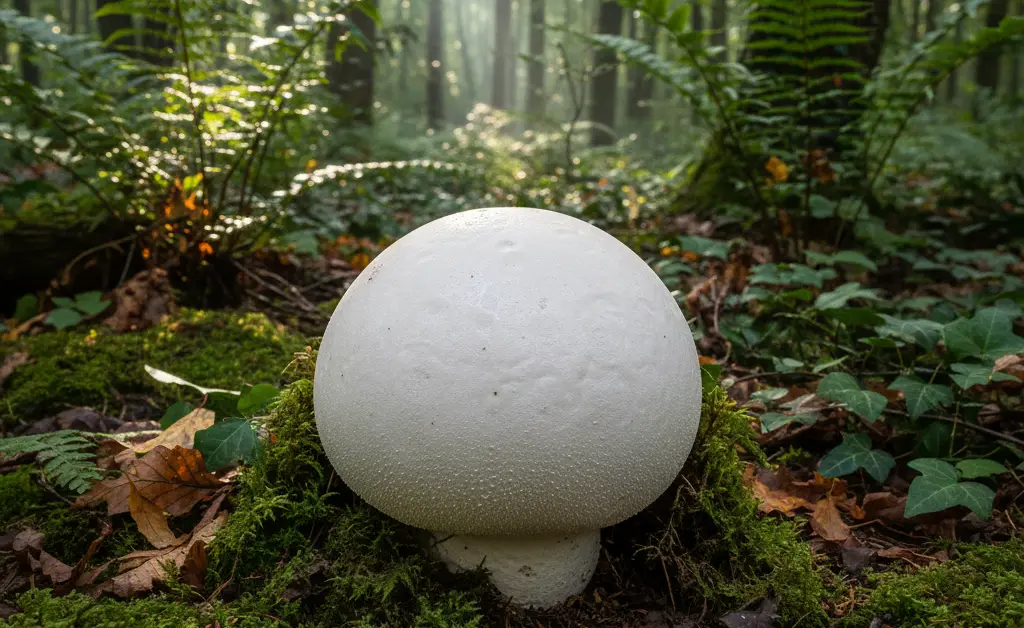
Imagine strolling through a serene New Jersey woodland, the scent of damp earth filling the air, when suddenly, a large, pristine white sphere emerges from the undergrowth – an unmistakable giant puffball mushroom. That moment of discovery, often unexpected and truly delightful, frequently sparks a desire to learn more about this remarkable edible fungus. For many local foragers and culinary enthusiasts, encountering a healthy puffball mushroom New Jersey specimen can be a highlight of their outdoor explorations. This guide delves into everything from identifying these unique fungi to understanding their preferred habitats and safe harvesting practices within the state. We’ll explore how to distinguish edible varieties and offer tips for preparing them, ensuring a rewarding experience for anyone interested in this natural bounty.
Identifying Giant Puffballs in New Jersey
Giant puffballs (Calvatia gigantea) are among the most distinctive and sought-after edible fungi. Their appearance is typically large, round, or somewhat pear-shaped, with a smooth, white to off-white exterior. Unlike many other mushrooms, they lack a traditional cap, stem, or gills. For anyone considering foraging for a puffball mushroom New Jersey, understanding its unique characteristics is the first step towards safe identification.
A critical identification feature for edibility involves cutting the puffball open. A true, edible giant puffball, when young and fresh, will have a uniformly pure white interior, often described as resembling a marshmallow. This internal consistency is key. If the inside is anything other than pristine white—such as yellow, olive, or purple—or if there are any signs of internal structures like gills developing, it should not be consumed. This discoloration or formation of internal patterns often indicates that the mushroom is either too old, or, more importantly, it could be a toxic look-alike. For more information on specific mushroom research, consult resources like NIH.
Several fungi can be mistaken for puffballs. Young Amanita species, which are highly toxic, can appear as white, egg-like structures before their caps emerge. However, cutting an Amanita “egg” in half will reveal a developing cap and gills within, immediately distinguishing it from a true puffball. Another common look-alike is the false puffball (Scleroderma species), which typically has a much firmer, tougher exterior and, when cut open, will display a dark purple to black, marbeled interior, often with a distinct smell. Always remember: when in doubt, throw it out.
Where to Find Giant Puffballs in New Jersey
Locating a suitable habitat is key to successfully finding a puffball mushroom New Jersey. Giant puffballs are saprobic, meaning they obtain nutrients from decaying organic matter in the soil. They are not typically found growing directly on wood but rather on the ground in rich, well-drained soils.
Their preferred habitats include grassy areas, such as meadows, pastures, golf courses, and lawns. They also frequently appear at the edges of woodlands, in open deciduous forests, and in other areas where the ground has been disturbed. These mushrooms tend to favor locations with ample organic material and moisture, often appearing after significant rainfall.
Common Locations in New Jersey
Within New Jersey, giant puffballs can be found across various regions, from suburban parks and open fields in central and northern New Jersey to the edges of state forests and protected natural areas. While specific locations are often guarded by foragers, searching in areas known for their fertile soil and mixed deciduous trees can increase your chances. Look for them in areas where sunlight penetrates to the forest floor or in open clearings adjacent to wooded sections.
Puffball Mushroom New Jersey Edible
When properly identified and harvested at the right stage, the puffball mushroom New Jersey offers a versatile culinary experience. As mentioned, the absolute prerequisite for consumption is that the mushroom must be entirely pure white inside, firm, and show no signs of yellowing, browning, or internal gill development. If any discoloration is present, or if it feels soft or watery, it indicates spoilage or an incorrect identification, and it should be discarded.
Regarding edibility and safety, true puffballs are considered a choice edible when young and pristine. However, consuming older, discolored puffballs may lead to digestive upset. It is critical to understand that while true puffballs are not poisonous, false puffballs (Scleroderma species) are toxic and can cause gastrointestinal distress, though generally not considered lethal. Misidentification is the primary risk factor.
It is generally not recommended to eat puffballs raw. Cooking them improves their flavor, texture, and digestibility. Their mild flavor and spongy texture allow them to absorb other flavors beautifully. They can be sliced into thick “steaks” and fried, breaded, or sautéed. Many people enjoy them prepared like eggplant parmesan, while others incorporate them into stir-fries, soups, or stews.
Harvesting and Storing Giant Puffballs
Successful foraging for a puffball mushroom New Jersey involves knowing not just where to find them and how to identify them, but also how to harvest and store them correctly to preserve their freshness and flavor. When you encounter a giant puffball that meets all the criteria for edibility (large, white, firm), harvest it by carefully cutting it at the base, close to the ground, using a sharp knife. Avoid pulling it out by the roots, as this can damage the mycelial network and prevent future growth.
After harvesting, gently brush off any excess dirt or debris. It’s a good practice to cut it open immediately to confirm the pristine white interior before taking it home. This prevents carrying potentially unsuitable specimens. Once confirmed, fresh puffballs are best consumed within a few days. They can be stored in the refrigerator in a paper bag or a breathable container to allow for air circulation and prevent moisture buildup. Learn more about puffball mushroom facts.
For longer-term storage, puffballs can be cooked and then frozen. Many foragers slice and sauté them lightly before freezing, as freezing raw puffballs can alter their texture significantly upon thawing. Properly stored, cooked and frozen puffballs can retain their quality for several months.
Best Times for Foraging in NJ
The prime season for foraging giant puffballs in New Jersey typically spans from late summer through early autumn. This period, generally from August to October, often provides the ideal conditions of warmth and moisture following summer rains that encourage their growth. While they can sometimes appear earlier or later depending on specific weather patterns, these months offer the highest likelihood of a successful harvest.
The experience of finding, identifying, and preparing a fresh puffball mushroom in New Jersey can be incredibly rewarding. By adhering to careful identification guidelines, respecting natural habitats, and practicing safe harvesting techniques, you can enjoy this unique and delicious fungal bounty.
The content provided in this article is intended for informational learning, not clinical application. This article explores general information about fungi. It is crucial to exercise extreme caution and consult with an experienced mycologist or expert before consuming any wild mushroom. Misidentification can lead to serious health consequences. This information should not be used as a substitute for professional advice regarding mushroom identification or consumption.
FAQ
How to identify puffball mushrooms in New Jersey?
Puffball mushrooms are typically characterized by their round or irregular shape and a lack of distinct gills, pores, or stem. Their interior is uniform and white when immature, gradually developing spores as they mature, which are then released when the mushroom is disturbed. Proper identification is crucial, especially as some poisonous mushrooms can resemble puffballs.
Are puffball mushrooms in New Jersey edible?
Many puffball mushroom species found in New Jersey are indeed edible when young and pure white throughout. However, it is absolutely essential to confirm identification as some toxic mushrooms can share similar visual characteristics. Only immature puffballs with solid white interiors are generally considered safe for consumption.
Where do puffball mushrooms grow in New Jersey?
Puffball mushrooms are commonly found in grassy areas, meadows, fields, and sometimes on decaying wood or in forests across New Jersey. They often prefer well-drained soils and can appear in lawns, pastures, and along woodland edges.
When is the season for puffball mushrooms in New Jersey?
The primary season for puffball mushrooms in New Jersey typically spans from late summer through autumn. This period often coincides with favorable moisture levels and moderate temperatures that support fungal growth.
Continue reading
You May Also Like

Where to Buy Fresh and Dried Puffball Mushrooms?
Our guide to semaglutide for weight loss reviews its clinical efficacy, side effects, and cost to help you evaluate if it's the right choice.
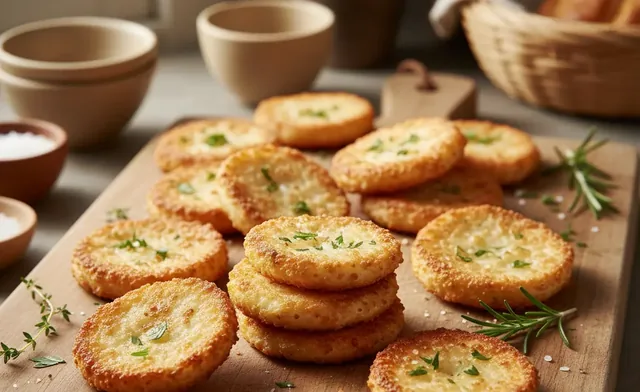
How to Fry Puffball Mushrooms to Golden Perfection
This step-by-step guide provides a complete recipe for fried puffball mushroom, covering preparation, batter, and the best frying technique.

A Forager's Guide to the Giant Puffball Mushroom
A practical guide to safely identify the edible giant puffball mushroom, from its key features to the dangerous look-alikes you must avoid.