
A Forager’s Guide to New Zealand’s Puffball Mushrooms
For many nature enthusiasts in New Zealand, the thrill of foraging for edible wild foods is often overshadowed by the challenge of accurate identification. It can be daunting to discern between safe, delicious varieties and those that are best left untouched, or even harmful. This uncertainty frequently leads to missed opportunities for culinary exploration, as individuals hesitate to pick unfamiliar fungi. This guide aims to alleviate such concerns by offering clear, practical information specifically on the puffball mushroom new zealand, helping you confidently identify, locate, and even prepare these unique native fungi. We’ll cover key features, preferred habitats, and responsible foraging practices to ensure a safe and rewarding experience.
Identifying Puffball Mushrooms in New Zealand
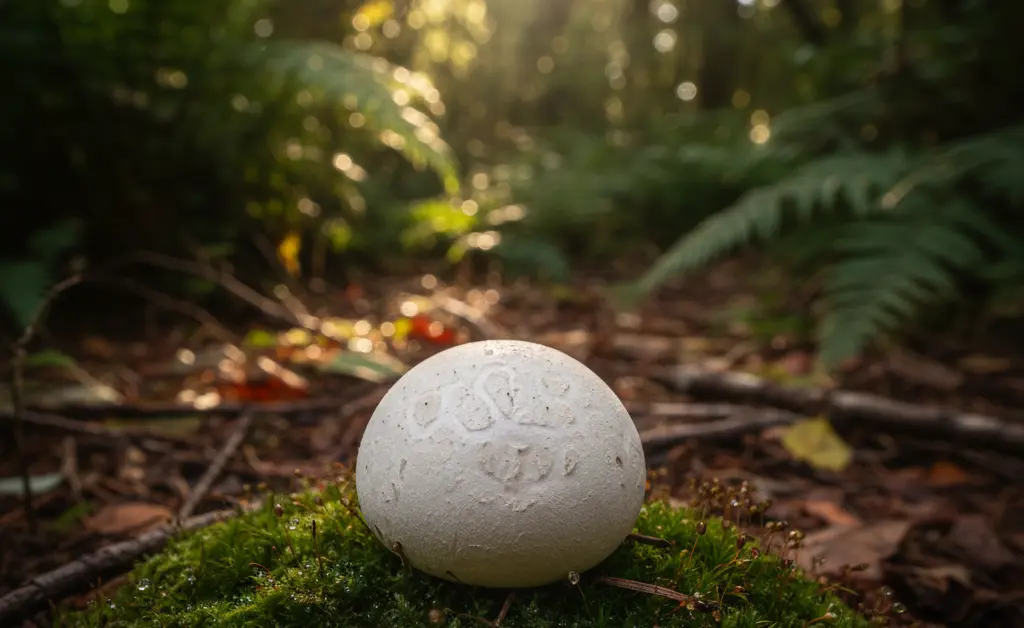
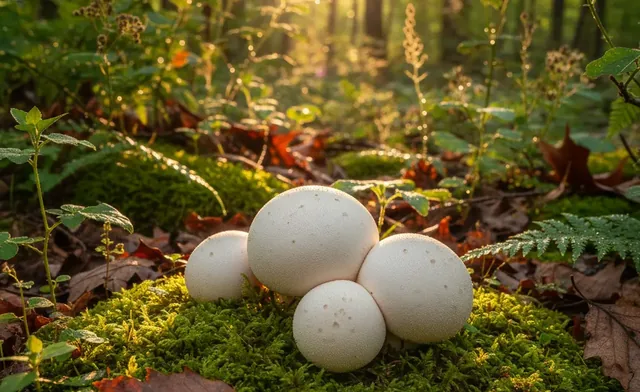
Understanding the distinct characteristics of puffball fungi is crucial for safe and successful foraging. These fascinating organisms, part of the larger group of gasteroid fungi, are known for their spherical to pear-shaped fruiting bodies, lacking a traditional cap and gills. Instead, their spores are produced internally and released through an opening or by the disintegration of the outer wall when mature. Key identification features often include a uniformly white, firm interior (gleba) when young, which gradually changes color to yellow, then olive-brown or purple as it ages and develops spores. The exterior may be smooth, warty, or spiny, depending on the species.
Distinguishing edible puffballs from similar fungi, including dangerous look-alikes, is paramount. Many puffball species found in New Zealand are considered edible when young and firm. However, it’s vital to be aware of other fungi that might resemble them, especially young poisonous mushrooms like some species of Amanita, which, in their ‘egg’ stage, can appear similar to small puffballs. A critical step in identification involves cutting the puffball in half to inspect the interior. A true puffball will have a solid, uniform white flesh with no discernible structures like gills or a stem base within. If any hint of a developing cap, gills, or a distinct stem is present, it is not a true puffball and should be discarded. The importance of positive identification cannot be overstated for any puffball mushroom new zealand you intend to consume.
Giant puffball mushroom new zealand
Among the most impressive and sought-after puffball species is the giant puffball (often referred to as Calvatia gigantea). This remarkable fungus lives up to its name, sometimes growing to an enormous size, reaching diameters that can exceed 50 centimeters. Its immense size alone makes it relatively easy to identify. When young, the giant puffball exhibits a smooth, bright white exterior, which can sometimes have a slightly leathery texture. The interior, when perfectly fresh, is uniformly marshmallow-white and firm, lacking any internal structures. As it matures, the interior begins to yellow and then turns into a greenish-brown powdery mass of spores. Only young, firm, and entirely white specimens are considered suitable for consumption. Its sheer size and lack of a stalk or gills, both externally and when cut open, are strong indicators of its identity, minimizing the chance of confusion with dangerous varieties.
Where to Find Puffball Mushrooms in New Zealand
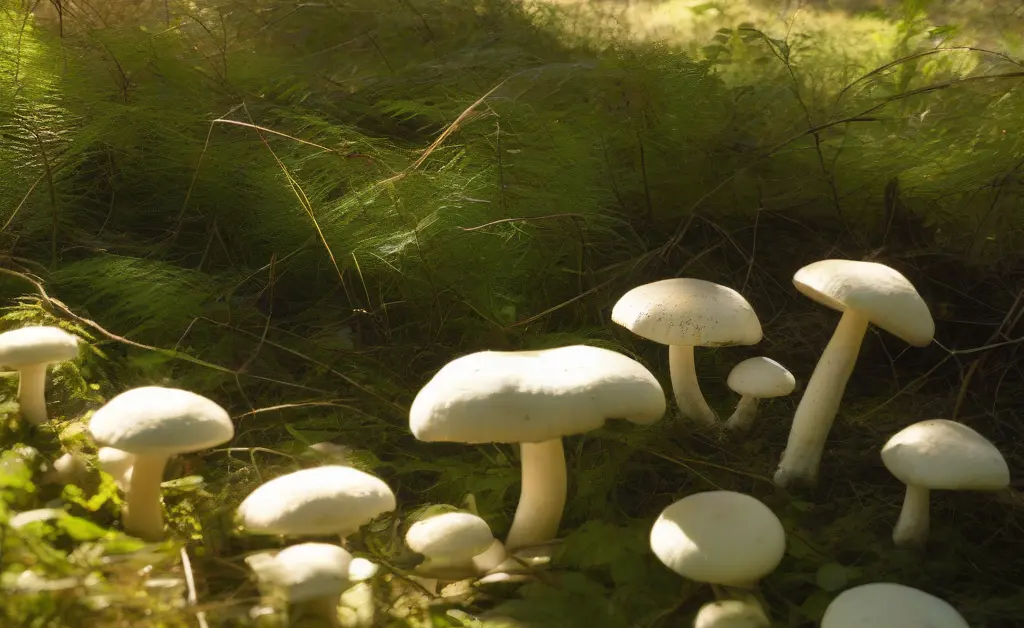
Puffball mushrooms exhibit a degree of adaptability, allowing them to thrive in various environments across New Zealand. Generally, they prefer rich, moist soils and are often found in grasslands, meadows, open woodlands, forest edges, and even disturbed areas like parks or gardens. Their specific habitat preferences can vary by species, but a common thread is access to decaying organic matter, as most puffballs are saprobic, meaning they obtain nutrients from dead organic material. The best seasons for discovery typically span late summer through autumn, coinciding with periods of consistent rainfall and moderate temperatures, which are conducive to fungal growth. Finding puffballs often involves scanning grassy areas or under deciduous trees.
When searching for a puffball mushroom new zealand, understanding these environmental factors can significantly increase your chances of a successful forage. Look for areas where the ground cover might be less dense, allowing the fruiting bodies to emerge prominently. While some species might favor deep forest environments, many common edible puffballs are surprisingly found in more accessible, open spaces. Paying attention to the type of surrounding vegetation and the overall moisture levels in the soil can guide you towards potential patches.
Specific Regions or Locations Known for Puffballs (e.g., Invercargill, Canterbury Plains)
While puffballs can be found throughout New Zealand where suitable conditions exist, certain regions are particularly well-known for their mushroom growth. For instance, the cooler, moister climate of the South Island, including areas around Invercargill and sections of the Canterbury Plains, can be quite productive for finding various fungal species, including puffballs. These regions often feature extensive pastures, parklands, and native bush remnants that provide ideal habitats. Areas with historical logging or agricultural activity, where the soil has been enriched and disturbed, can also be prime locations for puffball discovery. Exploring local reserves, farmlands (with permission), and even suburban parks after a period of rain can yield rewarding results. Always remember that local conditions and recent weather patterns will heavily influence mushroom appearance and distribution, so remaining observant and exploring different microclimates can be beneficial.
Puffball mushroom new zealand recipe
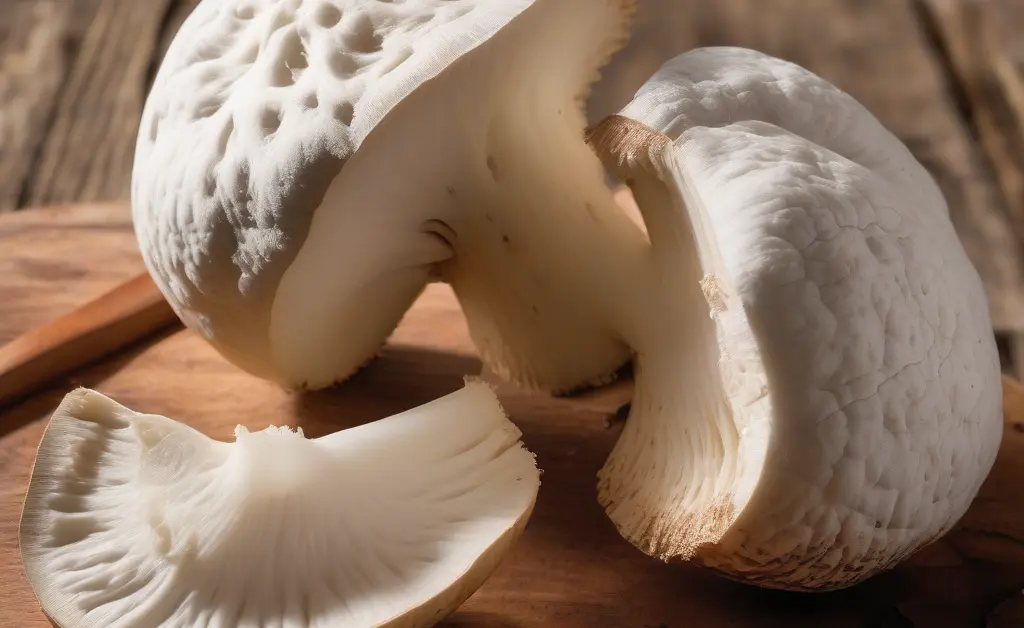
Once you have confidently identified and safely harvested an edible puffball mushroom new zealand, the culinary possibilities are diverse. The criteria for edibility are strict: only young, firm, and uniformly white puffballs should be considered. Any puffball with a yellowish, greenish, or brownish interior, or one that shows signs of insect damage or softness, should be discarded. Common edible species, once properly identified, are esteemed for their mild, earthy flavor and unique texture.
When to harvest is crucial; they should be picked when fresh and firm. Proper harvesting techniques involve gently cutting the mushroom at its base, leaving the mycelial network intact to allow for future growth. For storage and preservation, fresh puffballs can be refrigerated for a few days, or sliced and frozen for longer-term use. They can also be dried, though this changes their texture significantly.
Puffballs absorb flavors readily and can be prepared in various ways. A simple and popular method is to slice them into thick pieces, bread them, and pan-fry them until golden brown, much like a schnitzel. They can also be diced and added to stir-fries, soups, or stews, where their absorbent quality allows them to soak up the accompanying flavors. Remember, safety precautions for foraging puffball mushrooms include never consuming raw wild fungi and always cooking them thoroughly. The importance of positive identification cannot be overstressed, as misidentification carries potential risks and allergies. Always practice ethical foraging practices, taking only what you need and leaving plenty behind for wildlife and future growth. For information on general mushroom safety, consulting resources like the National Library of Medicine is recommended.
Foraging for puffball mushrooms in New Zealand offers a delightful blend of outdoor adventure and culinary reward. By meticulously following identification guidelines, understanding preferred habitats, and adhering to responsible harvesting practices, you can safely enjoy these unique fungi. Remember, knowledge and caution are your best tools in the wild, ensuring that your foraging experience is both safe and immensely satisfying.
The content presented here is not a substitute for professional medical guidance. Always consult with a healthcare professional or qualified expert for any health concerns or before making decisions related to your health or well-being. Foraging for wild mushrooms carries inherent risks, and accurate identification is crucial for safety. It is recommended to consult with experienced mycologists or join local foraging groups to confirm identification before consuming any wild fungi.
FAQ
Are puffball mushrooms poisonous in New Zealand?
While many puffball mushrooms are edible, some can be mistaken for poisonous species. It is crucial to correctly identify any mushroom before considering consumption, as misidentification can lead to severe illness. Consulting with local mycological experts or using reliable field guides specifically for New Zealand fungi is recommended for accurate identification.
When do puffball mushrooms grow in New Zealand?
Puffball mushrooms in New Zealand typically emerge during the warmer, wetter months, which generally fall between late spring and autumn. Their appearance is often associated with periods of consistent rainfall and moderate temperatures. Specific timing can vary depending on the particular species and local environmental conditions.
What do puffball mushrooms look like in New Zealand?
Puffball mushrooms are characterized by their spherical or ovate shape, lacking distinct gills or stems. Immature specimens are typically solid and white inside, resembling a marshmallow, and their spore-producing structures are contained within the fruiting body. As they mature, the interior mass turns powdery and can be released as a cloud of spores when disturbed.
Where can I find puffball mushrooms near me in New Zealand?
You can often find puffball mushrooms in grassy areas, meadows, woodlands, and on decaying wood throughout New Zealand. They thrive in a variety of habitats, from open fields to shaded forest floors. Checking local parks, nature reserves, and even well-maintained lawns after rainfall can increase your chances of discovery.
Continue reading
You May Also Like

A Forager's Guide to the Giant Puffball Mushroom
A practical guide to safely identify the edible giant puffball mushroom, from its key features to the dangerous look-alikes you must avoid.
A Forager's Guide to Puffball Mushrooms
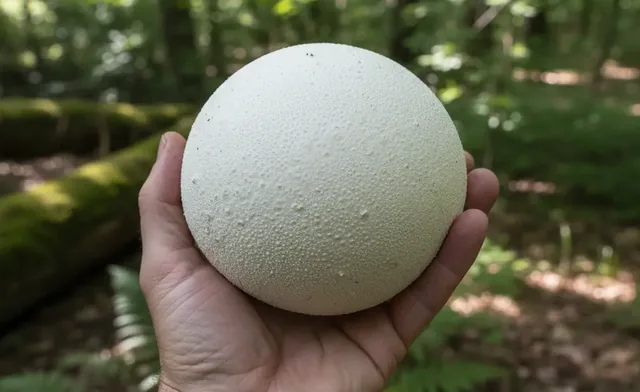
This guide provides key identification features for the puffball mushroom, detailing its culinary uses and how to avoid dangerous look-alikes.
A Forager's Guide to Puffball Mushrooms in Alabama
This guide covers puffball mushroom Alabama identification, helping you safely distinguish between common edible and poisonous look-alike species.