
Oregon Puffball Mushrooms: A Forager’s Guide
Are you looking to add some wild edibles to your culinary adventures but feel overwhelmed by the sheer variety and the critical need for accurate identification? Foraging for mushrooms can be incredibly rewarding, yet it often presents a challenge, particularly when distinguishing between safe and harmful species. Many enthusiasts dream of discovering delicious fungi, only to be held back by uncertainty regarding where to look and what to look for. This guide aims to demystify the process for one of the most distinctive and often abundant finds: the puffball mushroom Oregon. We’ll explore how to safely identify these unique fungi, understand their preferred habitats, and discover the best times to harvest them across the Beaver State.
Edible Puffball Mushrooms in Oregon
Many varieties of puffball mushrooms found in Oregon are considered edible and can be a delightful addition to culinary dishes, provided they are correctly identified and prepared. When determining edibility, it’s crucial to ensure the mushroom is firm, pure white inside, and has no gills or developing mushroom structures, which would indicate it is a look-alike. These fungi are appreciated for their mild flavor and spongy texture, which readily absorbs other flavors during cooking. Understanding the Edibility Guidelines is paramount for any forager interested in enjoying the bounty of a puffball mushroom Oregon harvest.
Giant Puffball Mushroom Oregon
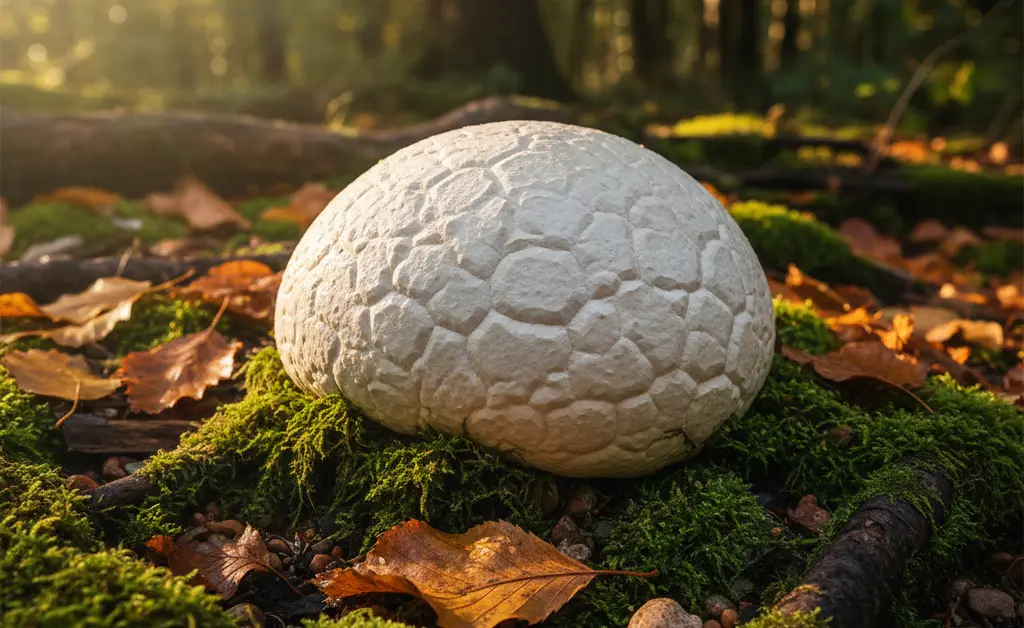
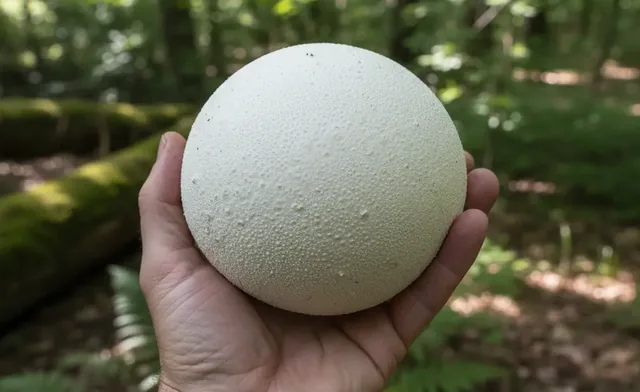
Among the most sought-after puffballs in the region is the Giant Western Puffball (Calvatia booniana). This impressive fungus can grow to significant sizes, often resembling a large, pale sphere on the forest floor or in open meadows. Its sheer size makes it a striking find for foragers. The interior of a young, edible Giant puffball mushroom should be uniformly white and marshmallow-like. As with all wild edibles, proper identification is key, but once confirmed, the Giant Western Puffball offers a generous yield for culinary experimentation throughout Oregon.
Identifying Puffball Mushrooms in Oregon
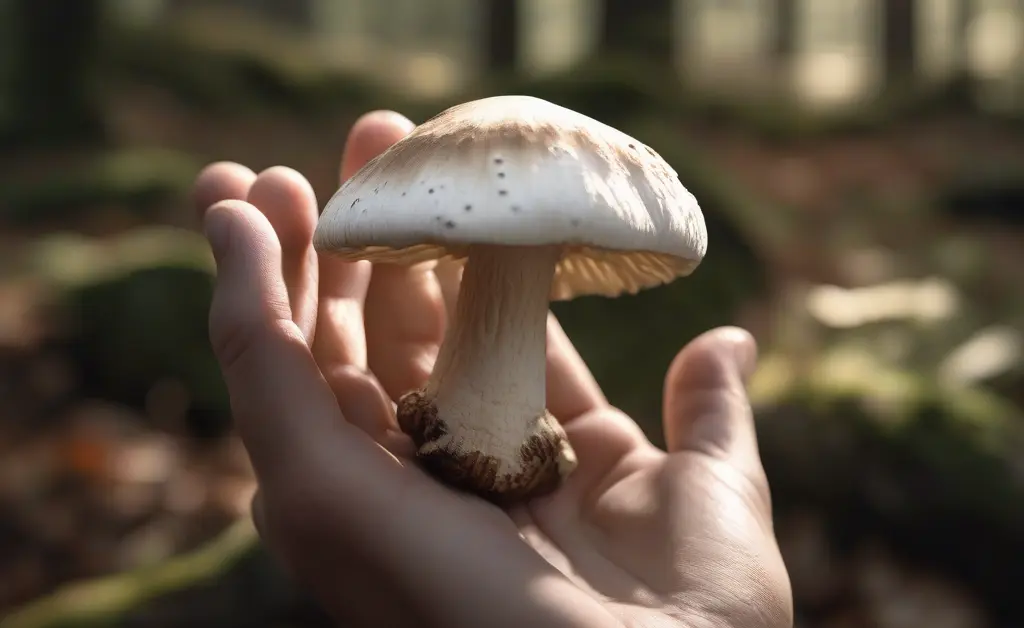
Accurate identification is the cornerstone of safe foraging, especially when it comes to the puffball mushroom Oregon. There are several Key Identification Features to look for. Edible puffballs are typically spherical, pear-shaped, or club-shaped, and when cut open, their interior flesh should be solid white, soft, and homogenous, with no sign of gills, a stem, or any cap formation. If gills are present, even embryonic ones, it is not a true puffball and could be a young, poisonous mushroom. Distinguishing Puffballs from Other Fungi is critical, as several Dangerous Look-Alikes, such as immature death caps (Amanita phalloides) or destroying angels (Amanita virosa), can appear somewhat spherical when very young. Always slice a suspected puffball open to inspect its interior. A professional Mushroom identification guide or expert consultation is always recommended if there is any doubt. Following Tips for Safe Foraging and verifying “How can you tell if a puffball mushroom is edible?” with absolute certainty are essential steps.
Common Puffball Species in Oregon
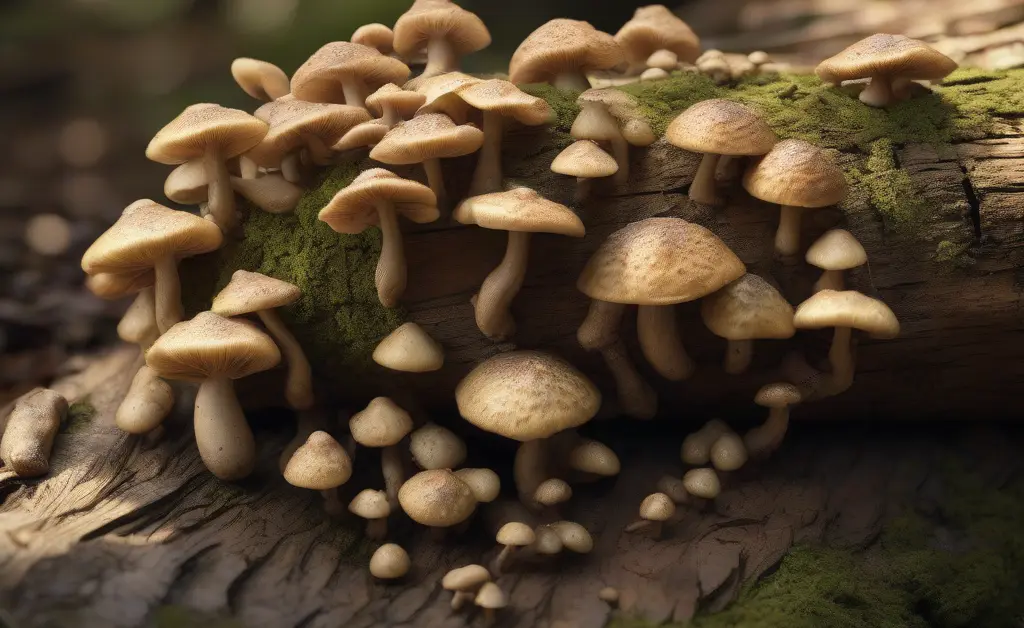
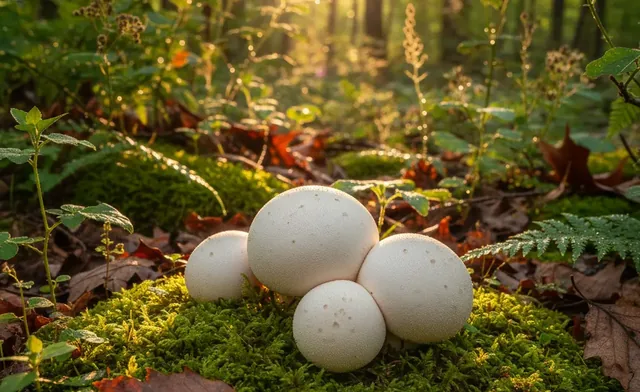
Oregon is home to a variety of puffball species, each with its own characteristics. Beyond the impressive Giant Western Puffball (Calvatia booniana), foragers may encounter others. The Pear-shaped Puffball (Apioperdon pyriforme), for instance, is often found growing on decaying wood in clusters and has a distinct pear-like shape. While smaller than its giant relative, it is also considered edible when young and firm. Other smaller species, sometimes referred to as ‘gem-studded’ puffballs (Lycoperdon perlatum), are also common. While these Other Notable Species are generally edible, always remember that the rule of cutting it open to check for white, uniform flesh and absence of gills applies to all puffball mushroom Oregon varieties before consumption.
Where to Find Puffball Mushrooms in Oregon
Successfully Finding puffball mushrooms in Oregon often depends on understanding their preferred growing conditions and habitats. These fungi are not always found in deep, dense forests. Instead, many species thrive in disturbed ground, meadows, pastures, along forest edges, and even in lawns or clearings. They often prefer areas with nutrient-rich soil and good moisture levels. The Habitat Preferences for puffballs can vary slightly by species, but generally, looking in grassy areas or open woodlands can be productive. Searching for a puffball mushroom Oregon requires patience and an understanding of the environment.
Specific Locations in Oregon
While specific coordinates for prime foraging spots are usually kept secret by experienced foragers, general guidance can be helpful. Areas known for their mixed deciduous and coniferous forests, such as those found in the Willamette Valley, Coast Range, and parts of the Cascades, can yield puffball finds. Check parks, clear-cut areas that are starting to regrow, and even some well-maintained lawns, especially after a good rain. Focus your search in locations that provide Optimal Growing Conditions, such as moist soil, dappled sunlight, and available organic matter. Remember, ethical foraging practices include respecting private property and leaving no trace.
When to Find Puffball Mushrooms in Oregon
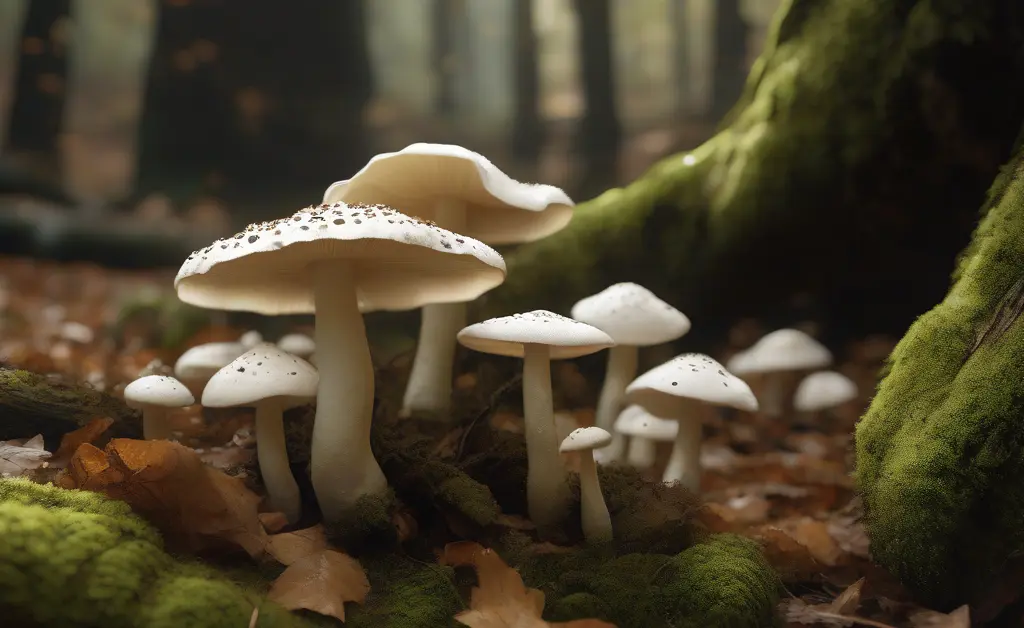
The best time to find puffball mushroom Oregon can vary depending on the species and local weather patterns, but generally, they are more prevalent during certain Seasonal Availability windows. Many puffball species, including the Giant Western Puffball, tend to fruit in late summer and fall, typically from August through October, especially after periods of rainfall that follow warmer temperatures. However, some smaller species may appear earlier in the summer. Understanding the Puffball mushroom season for your specific area is key. Consistent moisture combined with moderate temperatures usually creates ideal conditions for their emergence. Monitoring local rainfall and temperature can help foragers predict when a flush of these edible fungi might occur.
Puffball Mushroom Recipes Oregon
Once you’ve safely identified and harvested your puffball mushroom Oregon, the culinary possibilities are extensive. Due to their mild flavor and absorbent texture, puffballs are incredibly versatile. They can be sliced into steaks and fried like schnitzel, cubed and added to stir-fries, incorporated into soups or stews, or even breaded and deep-fried for a crispy treat. Simple Preparation and Cooking Methods often involve slicing the mushroom, seasoning it lightly, and pan-frying until golden brown. For Puffball mushroom recipes, consider them a blank canvas for flavors. They pair well with herbs, garlic, butter, and can be a delightful substitute for meat in many vegetarian dishes. Always ensure they are cooked thoroughly before consumption.
Foraging for puffball mushrooms in Oregon offers a unique opportunity to connect with nature and enjoy delicious wild edibles. By prioritizing accurate identification, understanding preferred habitats, and respecting ethical foraging practices, enthusiasts can safely enjoy the culinary delights these unique fungi provide. Always remember that when in doubt about a mushroom’s identity, it’s best to err on the side of caution and refrain from consumption.
Readers should understand that this article does not offer medical diagnosis or treatment. The information provided is for general educational and informational purposes only and does not constitute medical advice. Foraging for wild mushrooms carries inherent risks, and misidentification can lead to serious health consequences. Always consult with a qualified expert for mushroom identification and consume wild mushrooms at your own risk. Knowing about WHO guidelines can also be beneficial.
FAQ
What do puffball mushrooms look like in Oregon?
Puffball mushrooms in Oregon typically present as spherical or irregularly shaped fungi that lack a distinct stem or cap. When mature, their internal spore mass can be released in a cloud when disturbed, a characteristic that gives them their name. These fungi range in size from small, golf-ball-sized specimens to much larger varieties.
Where can I find giant puffball mushrooms in Oregon?
Giant puffball mushrooms in Oregon are often discovered in open, grassy areas such as meadows, fields, and pastures, sometimes even appearing in lawns. They prefer moist soil and can be found growing individually or in scattered groups. Observing where cattle or other grazing animals frequent may also provide clues to their habitat.
When is puffball mushroom season in Oregon?
Puffball mushroom season in Oregon generally spans the late summer and fall months, typically from August through October. Their appearance is heavily influenced by adequate rainfall, as moisture is crucial for their development. Ideal conditions after a period of dryness can lead to a more abundant fruiting.
Continue reading
You May Also Like

A Forager's Guide to the Giant Puffball Mushroom
A practical guide to safely identify the edible giant puffball mushroom, from its key features to the dangerous look-alikes you must avoid.
A Forager's Guide to Puffball Mushrooms
This guide provides key identification features for the puffball mushroom, detailing its culinary uses and how to avoid dangerous look-alikes.
A Forager's Guide to Puffball Mushrooms in Alabama
This guide covers puffball mushroom Alabama identification, helping you safely distinguish between common edible and poisonous look-alike species.