
A Forager’s Guide to Puffball Mushrooms in Tennessee
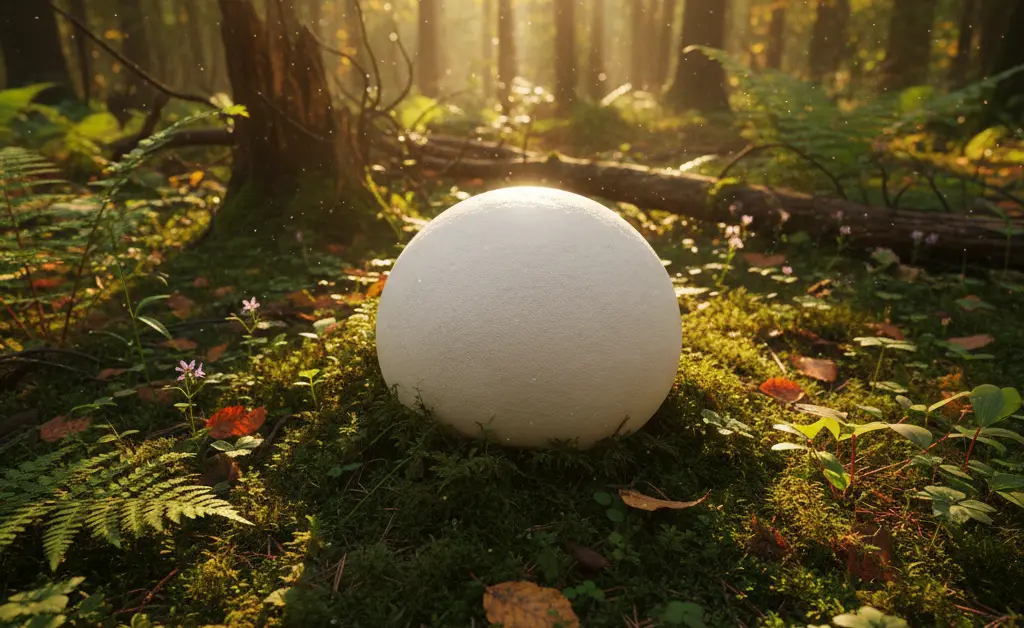
Many novice foragers believe that identifying wild mushrooms for consumption is an inherently complex and risky endeavor, requiring years of specialized knowledge. While diligence is paramount, this generalization often overlooks species that are remarkably distinct and beginner-friendly. The truth is, some fungal varieties present clear identifying characteristics, significantly lowering the barrier to entry for those keen on sustainable food sourcing. Among these accessible types are puffball mushrooms, which offer a unique and rewarding foraging experience. This guide delves into the specifics of finding and identifying the edible puffball mushroom tennessee, empowering enthusiasts with the knowledge to safely explore the state’s rich mycological landscape.
Identifying Puffball Mushrooms in Tennessee
Successful foraging for the puffball mushroom in Tennessee begins with a thorough understanding of its key identification features. Puffball fungi are generally characterized by their globular or pear-shaped appearance, lacking a distinct cap and stem in the traditional sense. Their outer surface can vary from smooth to warty, and their color typically ranges from white to off-white or yellowish. A crucial characteristic for identification is their internal structure: a pure white, solid, and homogeneous interior without any visible gills or embryonic mushroom shapes. As they mature, the interior transforms into a yellowish, then brownish, powdery mass of spores. Understanding the life cycle of puffball mushrooms can aid in identifying them at their prime edible stage, which is when they are firm and uniformly white inside.
Common Puffball Species Found in Tennessee
Tennessee is home to several types of puffball mushrooms, ranging from the very large to smaller varieties. The most sought-after are the giant puffballs (Calvatia gigantea), which can grow to impressive sizes, sometimes resembling a soccer ball or larger. These are characterized by their smooth, leathery white exterior. Other common species include the pear-shaped puffball (Apioperdon pyriforme), which often grows on decaying wood in clusters, and the gem-studded puffball (Lycoperdon perlatum), identifiable by its warty, spiny surface. While their sizes and textures may differ, the consistent internal feature of solid, pure white flesh without gills is paramount for safe identification. Always cross-reference multiple characteristics to confirm you have a genuine puffball mushroom.
Edible Puffball Mushroom Tennessee
The edibility of the puffball mushroom in Tennessee hinges on one critical factor: its internal appearance. Only puffballs that are pure white, solid, and uniform throughout their interior should be considered for consumption. If the flesh shows any discoloration, soft spots, or, most importantly, any hint of developing gills or a cap-and-stem structure, it should be discarded immediately. Young puffballs are generally considered to be at their best for eating, offering a mild, earthy flavor and a firm texture. They can be sliced and prepared in various ways, such as sautéed, fried, or added to soups and stews. Properly identified edible puffballs can be a delightful addition to a forager’s culinary repertoire, providing a unique taste experience from the local ecosystem.
Edible Puffball Identification in Middle Tennessee
In Middle Tennessee, foragers can frequently encounter several edible puffball varieties in diverse settings. The identification process remains consistent: look for firm, pure white interiors. Giant puffballs are often found in grassy areas, meadows, or the edges of woodlands, particularly after summer rains and into early autumn. Smaller varieties, like pear-shaped puffballs, are common on logs or decaying wood in more forested areas. When searching for an edible puffball mushroom in Tennessee’s central region, paying attention to both the macroscopic features of the mushroom and its immediate growing environment can greatly assist in successful and safe identification. Always be vigilant for any anomalies that might suggest a toxic look-alike.
Puffball Mushroom Tennessee Poisonous
While many puffballs are edible, it is crucial to be aware of poisonous look-alikes and the conditions under which a puffball might become unsafe. The primary danger associated with identifying a puffball mushroom in Tennessee is confusing it with toxic fungi, particularly young death cap (Amanita phalloides) or destroying angel (Amanita virosa) mushrooms, which can appear as a white, egg-like structure before developing a distinct cap and gills. The key differentiator is always the internal examination: a true puffball will have a solid, pure white interior without any hint of a developing cap, gills, or stem. Any sign of yellowing, browning, or internal structure other than solid white flesh means the mushroom should be discarded. Furthermore, some false puffballs (Scleroderma species) are toxic, characterized by their firm, dark, purplish-black interior. If there is any doubt whatsoever about a mushroom’s identity, it should never be consumed. Prioritizing safety and proper identification is paramount when foraging for a puffball mushroom in Tennessee.
Foraging Puffball Mushrooms in Tennessee
Foraging for the puffball mushroom in Tennessee is a rewarding outdoor activity, but it requires adherence to ethical practices and an understanding of optimal conditions. Ethical foraging means never over-harvesting, leaving plenty for wildlife and future growth, and minimizing disturbance to the environment. When collecting, cut the puffball at the base rather than pulling it from the ground, which helps preserve the underground mycelial network. Carrying a mesh bag or basket is ideal for spore dispersal as you move through the foraging area. Respect private property rights and check regulations for state parks or public lands regarding mushroom collection. Being a responsible forager ensures the sustainability of this natural resource for everyone.
When to Look for Puffballs in Tennessee
Puffball mushrooms in Tennessee are typically most abundant during late summer and early autumn, especially after periods of rainfall. The exact timing can vary year to year based on weather patterns, but generally, August through October are prime months for giant puffballs and other larger varieties. Smaller puffballs, such as the pear-shaped puffball, can sometimes be found earlier in the summer and even into late spring, often on decaying wood. Monitoring local weather conditions and recent precipitation can provide clues for when to head out for a successful forage. Consistent moisture combined with moderate temperatures creates ideal growing conditions for many fungal species, including the puffball mushroom in Tennessee.
Preferred Habitats in Tennessee (Forests, Fields)
Puffball mushrooms exhibit a preference for various habitats across Tennessee. Giant puffballs are frequently found in open areas, such as grassy fields, pastures, orchards, and the edges of woodlands. They can also appear in lawns and urban green spaces. Smaller puffball species, particularly those that grow on wood, are more common in deciduous or mixed forests, where they can be found on decaying logs, stumps, or leaf litter. When seeking out the puffball mushroom in Tennessee, exploring transition zones between open fields and forests can often yield good results. Moist, well-drained soils are generally favorable, and areas that have been undisturbed for some time are often productive foraging grounds.
Where to Find Puffball Mushrooms in Tennessee
Locating puffball mushrooms in Tennessee involves knowing their preferred environments. While they can be found across the state, focusing on areas with a history of fungal growth, suitable moisture levels, and appropriate substrates can increase your chances of success. Beyond general habitats, understanding local ecosystems and specific plant associations can sometimes provide additional clues. Remember that mushrooms often appear in the same spots year after year, so remembering successful foraging locations can be beneficial. Always prioritize safety and confirm identification with multiple sources if you are unsure.
Tennessee State Parks for Mushroom Foraging
Many Tennessee State Parks offer rich mycological diversity, including various puffball species. However, foraging regulations vary between parks and protected areas. It is crucial to always check with park authorities or consult their official websites before attempting to forage within state park boundaries. Some parks may permit recreational foraging for personal consumption, while others may strictly prohibit the removal of any natural materials. Obtaining the necessary permits or understanding specific rules before you go is essential for a responsible and legal foraging experience in any Tennessee State Park. Respecting these guidelines helps preserve the natural beauty and ecological balance of these treasured public lands.
Embarking on the journey of foraging for puffball mushrooms in Tennessee can be a truly rewarding experience, connecting you with nature and providing a unique culinary treat. By diligently applying proper identification techniques, understanding their preferred habitats, and adhering to ethical foraging practices, enthusiasts can safely enjoy the abundance the state’s natural landscapes have to offer. Always prioritize safety, and when in doubt, refrain from consumption. With careful attention and respect for the environment, the pursuit of these distinct fungi can become a delightful annual tradition.
This article is meant for general informational use and awareness. It should not be taken as professional advice. Foraging for wild mushrooms carries inherent risks, and misidentification can lead to serious health consequences. Always consult with a certified expert or field guide, and cross-reference information before consuming any wild mushroom. The authors and publishers are not responsible for any adverse effects resulting from the use of the information contained herein.
FAQ
Are puffball mushrooms poisonous in Tennessee?
While many puffball mushrooms are edible when young and entirely white, some toxic mushrooms can resemble them, especially when they are developing their internal spore structures. It is crucial to positively identify any wild mushroom before considering consumption, as misidentification can lead to serious health consequences. Consulting with experienced local mycologists or using reliable field guides specific to your region is recommended for accurate identification.
What do puffball mushrooms look like in Tennessee?
Puffball mushrooms are typically spherical or irregularly shaped, lacking the distinct cap and stem structure of many other mushroom varieties. Their internal flesh is uniformly white and solid when immature, and they release powdery spores from their exterior when mature or disturbed. The size of puffballs can vary significantly, ranging from small, golf ball-sized specimens to much larger ones.
When is puffball mushroom season in Tennessee?
Puffball mushroom season in Tennessee generally occurs during the warmer months, with peak growth often observed from late spring through summer and into early fall. Factors like rainfall and humidity play a significant role in their development, meaning they can appear after periods of consistent moisture. Observing local weather patterns can offer clues to when they might be most abundant.
Where can I find puffball mushrooms in Tennessee?
Puffball mushrooms in Tennessee can be found in a variety of habitats, often preferring grassy areas, open woodlands, and meadows. They may grow solitarily or in clusters on the ground, and sometimes on decaying wood. The puffball mushroom tennessee region offers diverse environments where these fungi commonly thrive.
Continue reading
You May Also Like
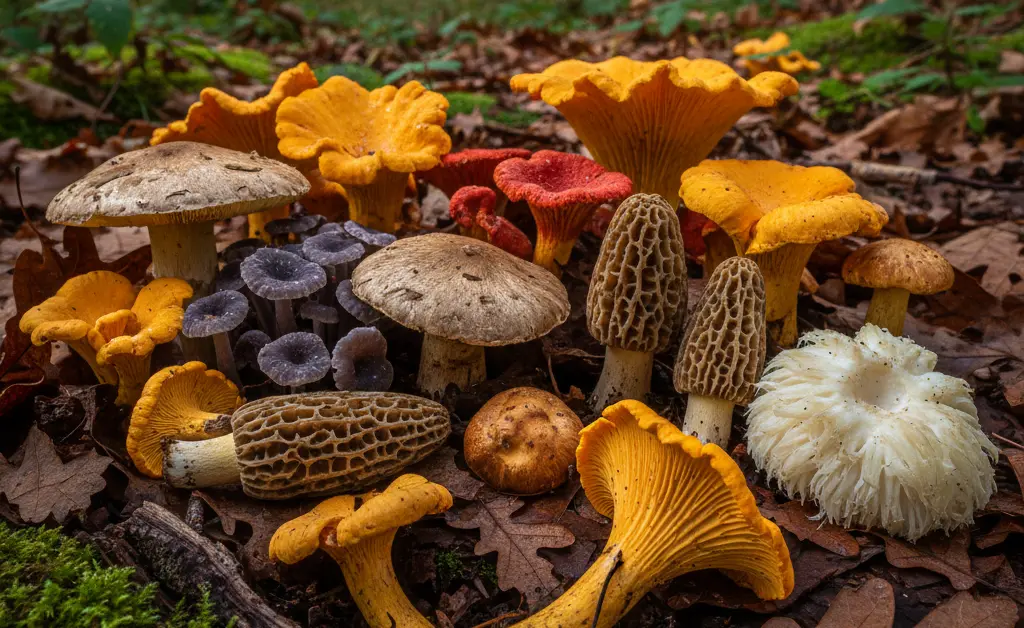
The Forager's Guide to East Tennessee Mushrooms
Our guide to edible mushrooms East Tennessee covers safe identification, key local varieties, and the best seasons for successful foraging.

A Forager's Guide to the Giant Puffball Mushroom
A practical guide to safely identify the edible giant puffball mushroom, from its key features to the dangerous look-alikes you must avoid.
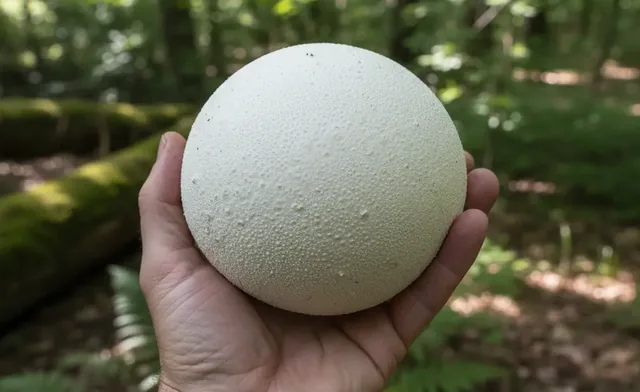
A Forager's Guide to Puffball Mushrooms
This guide provides key identification features for the puffball mushroom, detailing its culinary uses and how to avoid dangerous look-alikes.