
A Forager’s Guide to UK Puffball Mushrooms
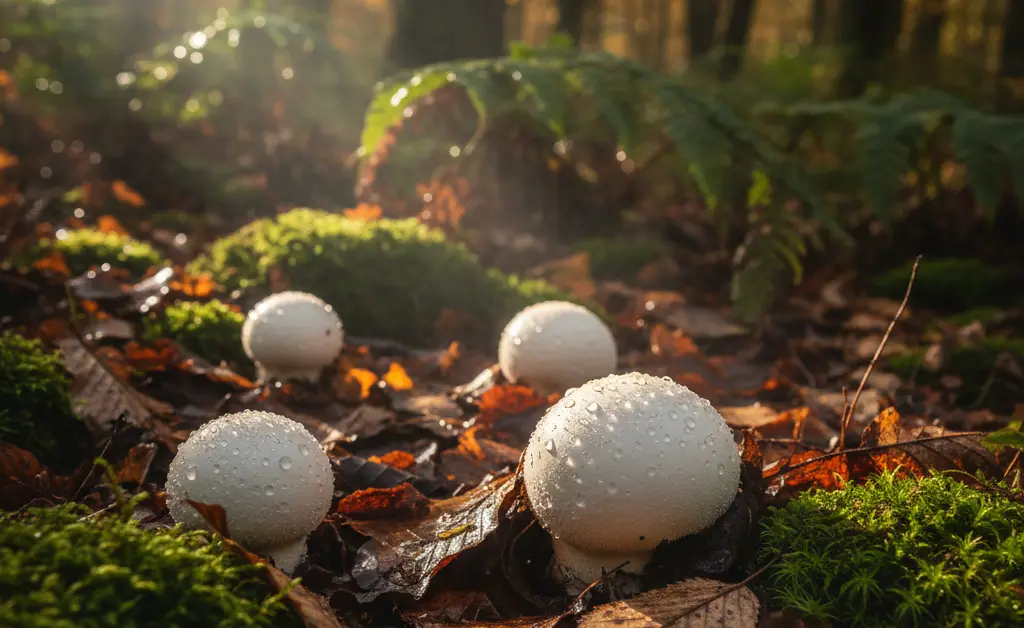
Imagine strolling through a British woodland after a refreshing autumn rain, the air crisp and earthy, when your eye catches a curious, perfectly round, white object nestled among the fallen leaves. This moment of discovery often marks the first encounter for many with the fascinating world of puffball mushrooms. Far from being just a woodland curiosity, these fungi are a culinary delight sought after by foragers and chefs alike. This guide delves into everything you need to know about the puffball mushroom UK, from identification and edibility to prime foraging locations and safe harvesting practices. Whether you’re a seasoned forager or a curious beginner, understanding these unique fungi opens up a new realm of seasonal cooking and outdoor exploration.
Identifying Puffball Mushrooms UK
Understanding the distinct characteristics of these fungi is paramount for any aspiring forager. Accurate identification ensures both safety and a rewarding culinary experience when seeking out a puffball mushroom UK. Most puffballs share a generally spherical or pear-shaped appearance, often white or off-white when young, and can range from golf ball size to truly immense proportions.
Common Puffball UK
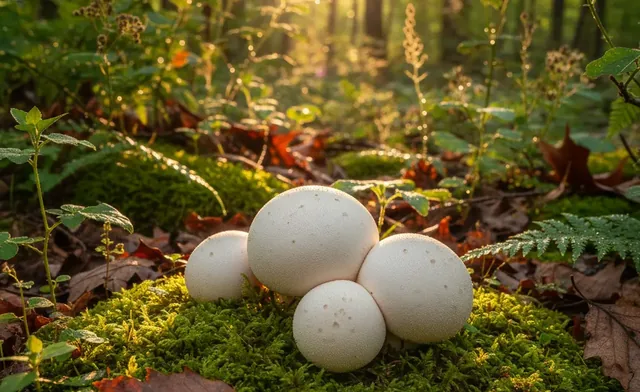
The Common Puffball (*Lycoperdon perlatum*) is one of the most frequently encountered species across the UK. It typically presents as a pear-shaped or round mushroom, usually white to off-white, and is covered in small, warty spines that are easily rubbed off. When mature, its skin often develops a brownish hue, and the internal flesh turns from white to a greenish-yellow, eventually becoming a powdery, olive-brown spore mass. These characteristics are key in distinguishing it from other fungi.
Common UK Puffball Species
Beyond the Common Puffball, the UK is home to several other species. The Stump Puffball (*Lycoperdon pyriforme*) often grows in clusters on rotting wood, having a more pronounced pear shape and smoother skin. The Meadow Puffball (*Lycoperdon pratense*) or Pasture Puffball (*Bovista plumbea*) are frequently found in grassy areas, often smaller and more spherical. A crucial identification feature for all edible puffballs, regardless of species, is a completely uniform, solid white interior when sliced open. Any discoloration, gills, or a distinct cap-and-stem structure internally should immediately raise a red flag.
Puffball Mushroom UK Edible
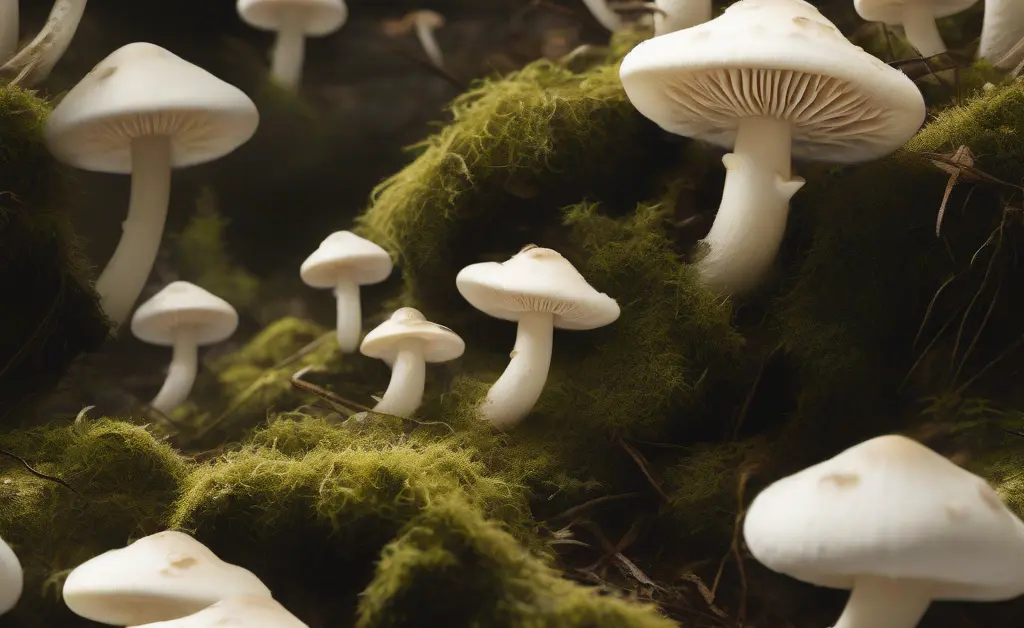
The edibility of the puffball mushroom UK is a significant draw for foragers, but it comes with strict guidelines. Only puffballs that are young, firm, and entirely white on the inside are considered suitable for consumption. If the internal flesh shows any signs of yellowing, greening, or has begun to soften and develop spores, it should not be eaten. These changes indicate maturity, and while not necessarily toxic, the texture and flavor will be compromised, and some individuals may experience digestive upset.
Before preparing any puffball, it is essential to slice it open from top to bottom to confirm its pristine white interior. This step also helps to rule out dangerous lookalikes that might have developing internal structures like gills. When confidently identified and confirmed to be in optimal condition, puffballs can be a versatile ingredient in many dishes, offering a mild, earthy flavor and a firm, almost tofu-like texture. For more information on puffball mushrooms, visit puffball mushroom.
Giant Puffball Mushroom UK
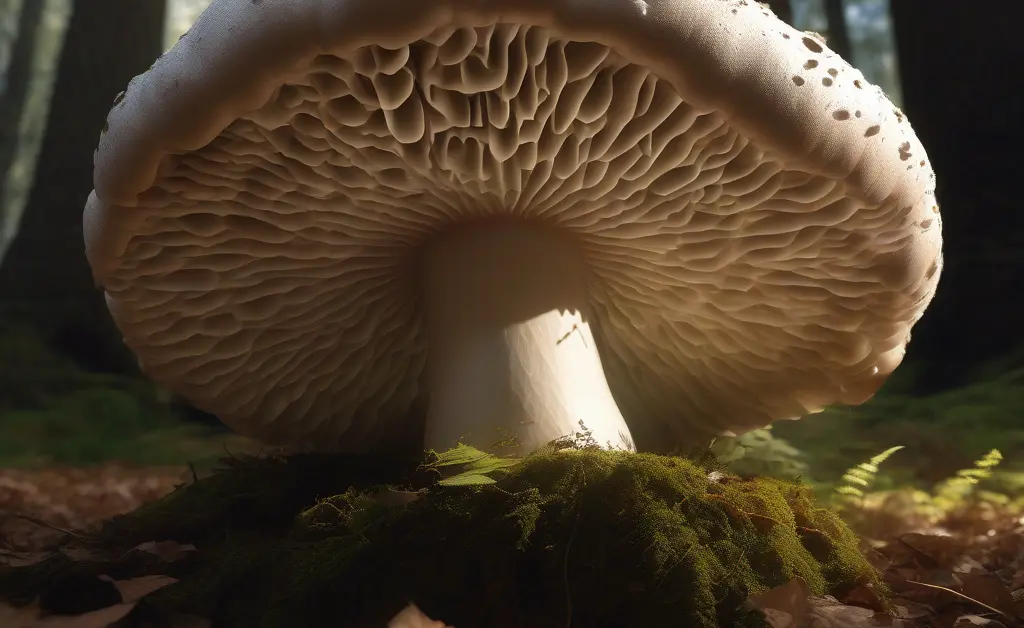
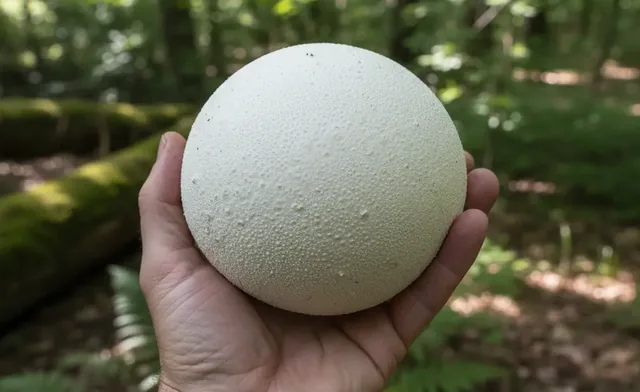
The Giant Puffball (*Calvatia gigantea*) is perhaps the most impressive and sought-after puffball species in the UK, renowned for its incredible size. These magnificent fungi can grow from the size of a football to an astonishing diameter of 60 cm or more, sometimes weighing several kilograms. Their distinctive appearance—large, round, and uniformly white or off-white with a smooth, leathery skin—makes them relatively easy to identify for experienced foragers.
Like other edible puffballs, the key to consuming a Giant Puffball mushroom UK safely is to ensure its internal flesh is pure white and firm. Its mild flavor and firm texture make it a popular culinary choice, often sliced into steaks, fried, or used as a meat substitute in various recipes. Finding a Giant Puffball is often considered a highlight for foragers, providing a substantial and delicious harvest.
When and Where to Find Puffballs in the UK
Foraging for puffball mushrooms in the UK requires a good understanding of their preferred habitats and seasonal availability. Knowing where and when to look significantly increases the chances of a successful and rewarding hunt for these distinctive fungi.
Puffball Mushroom UK Where to Find
Puffballs are quite adaptable and can be found in a variety of environments across the UK. Different species prefer different settings. Common puffballs and Stump Puffballs are frequently discovered in woodlands, often near fallen logs or decaying wood. Giant Puffballs, on the other hand, tend to favor open, grassy areas such as meadows, pastures, orchards, and even alongside roads. They also occasionally appear in gardens or parks, particularly where the soil is rich and undisturbed. Always seek permission before foraging on private land.
Habitat and Growing Locations
Most puffballs thrive in nutrient-rich soils. While some, like the Stump Puffball, are saprobic and feed on decaying wood, others, such as the Giant Puffball, are also saprobic, growing on organic matter in the soil. They often appear in areas with high humidity, making the damp British climate ideal. Look for them particularly after periods of rain, which encourages their growth. The presence of leaf litter and woody debris in forests can also indicate suitable conditions for certain puffball species. Research into fungal growth patterns can be found at Cochrane Library.
Seasonal Availability
The primary season for finding puffballs in the UK is generally late summer through to autumn. Giant Puffballs often make their appearance from late August through October, though their exact timing can vary slightly depending on local weather conditions. Common and Stump Puffballs can also be found during this period, sometimes extending into early winter if conditions remain mild. For best results, plan your foraging trips during these months, especially after warm, moist weather spells.
Harvesting and Storing Puffball Mushrooms
Proper harvesting and storage techniques are crucial for maintaining the quality and extending the shelf life of puffball mushrooms. When you find a puffball, first confirm its edibility by gently squeezing it (it should be firm) and then, crucially, slicing it open once harvested to check for a pure white, uniform interior with no sign of gills. If it meets these criteria, it’s ready to be collected.
To harvest, carefully twist the puffball from its base or cut it cleanly at the soil line, disturbing the surrounding mycelium as little as possible. This practice encourages future growth. Place your harvested puffballs in a breathable container, such as a wicker basket or a paper bag, to prevent them from sweating and spoiling. Avoid plastic bags, which can trap moisture and accelerate decay.
Upon returning home, clean any soil or debris from the surface with a soft brush or damp cloth; avoid washing them under running water until just before use, as they can absorb moisture. Puffballs are best consumed fresh, ideally within a few days of harvesting. They can be stored in the refrigerator, loosely wrapped in a paper towel, in a paper bag, or in a breathable container. For longer-term preservation, puffballs can be sliced and dried, or blanched and frozen. Dried slices can be rehydrated for use in cooking, while frozen pieces maintain their texture well in stews or stir-fries.
Potential Lookalikes and Safety Precautions
While identifying true puffball mushrooms can be relatively straightforward for the observant forager, it is absolutely critical to be aware of potential lookalikes. Misidentification can have serious consequences. The most significant danger comes from young, unexpanded buttons of certain poisonous mushrooms, particularly species within the *Amanita* genus, such as Death Caps or Destroying Angels. These toxic fungi, in their early stages, can appear as a round or egg-like structure, similar to a young puffball. However, a key differentiator is that when cut open, young *Amanitas* will reveal the distinct internal structures of a developing cap, stem, and gills, along with a ‘universal veil’ at the base which may form a volva or sac-like structure.
Another group of lookalikes are Earthballs (*Scleroderma* species), which are not considered edible and can cause digestive upset. Earthballs typically have a much tougher, thicker outer skin, often with a yellowish or brownish hue, and their internal flesh is purplish-black and firm, becoming powdery with age, never pure white. They also lack the solid, marshmallow-like texture of an edible puffball.
The paramount safety precaution when foraging for any wild mushroom is the “when in doubt, throw it out” rule. Never consume a mushroom unless you are 100% certain of its identification. It is highly recommended to consult multiple field guides, join a local mycological society, or forage with an experienced expert before consuming any wild fungi. Always cut the mushroom vertically to check for any internal structures that might indicate a poisonous lookalike. Proper identification is the cornerstone of safe and enjoyable wild mushroom foraging.
Exploring the world of puffball mushrooms in the UK offers a delightful journey into nature’s bounty. From the thrill of spotting a colossal Giant Puffball to understanding the subtle differences between common species, foraging provides a unique connection to the natural environment. By diligently adhering to identification guidelines, respecting foraging locations, and prioritizing safety above all else, enthusiasts can responsibly enjoy the culinary rewards these fascinating fungi have to offer. May your foraging adventures be safe, informed, and filled with delicious discoveries.
This article is written for general understanding and not for medical decision-making. The information provided is intended for educational purposes only and should not be used as a substitute for professional advice from a qualified expert, especially concerning the identification and consumption of wild mushrooms. Foraging wild fungi carries inherent risks, and misidentification can lead to serious health consequences. Always exercise extreme caution and consult multiple reliable sources or an expert mycologist before consuming any wild mushroom.
FAQ
Are UK puffball mushrooms edible?
Many species of puffball mushrooms found in the UK are indeed edible, but only when they are young and their internal flesh is uniformly white and firm. As they mature, their internal structure changes, making them unpalatable and potentially indigestible. Careful identification is crucial before considering any puffball for consumption.
How do you identify puffball mushrooms in the UK?
Identifying puffball mushrooms in the UK involves looking for their distinctive round or pear-shaped fruiting bodies that lack a stem and gills. The key characteristic is that they produce spores internally, releasing them through a pore or by bursting when mature. A cross-section revealing a uniform, white interior confirms its puffball identity.
When do puffball mushrooms grow in the UK?
Puffball mushrooms in the UK typically emerge during the warmer, wetter months, with their growing season usually spanning from late spring through autumn. Their appearance is often influenced by rainfall, with flushes of growth commonly occurring after periods of consistent moisture. Specific timing can vary slightly based on regional weather patterns and species.
What do puffball mushrooms look like in the UK?
Puffball mushrooms in the UK present a range of sizes and shapes, from small, golf-ball-sized specimens to much larger, football-sized varieties. Their exterior is generally smooth or slightly textured, and they lack the characteristic cap and stem structure of many other mushrooms. The defining feature is their sac-like or globular form, which contains powdery spores.
Are there poisonous puffball mushrooms in the UK?
While most common puffballs are safe when young, there is a significant caution: the immature stage of certain toxic gilled mushrooms can be mistaken for puffballs. If a mushroom that appears to be a puffball has any hint of developing gills or a distinct shape resembling a young toadstool within its white interior, it should be avoided entirely. Always ensure the entire interior is uniform white flesh, free of any internal structures.
Continue reading
You May Also Like

A Forager's Guide to the Giant Puffball Mushroom
A practical guide to safely identify the edible giant puffball mushroom, from its key features to the dangerous look-alikes you must avoid.
A Forager's Guide to Puffball Mushrooms
This guide provides key identification features for the puffball mushroom, detailing its culinary uses and how to avoid dangerous look-alikes.
A Forager's Guide to Puffball Mushrooms in Alabama
This guide covers puffball mushroom Alabama identification, helping you safely distinguish between common edible and poisonous look-alike species.