
Cultivating Wood Ear Mushrooms: A Practical Guide
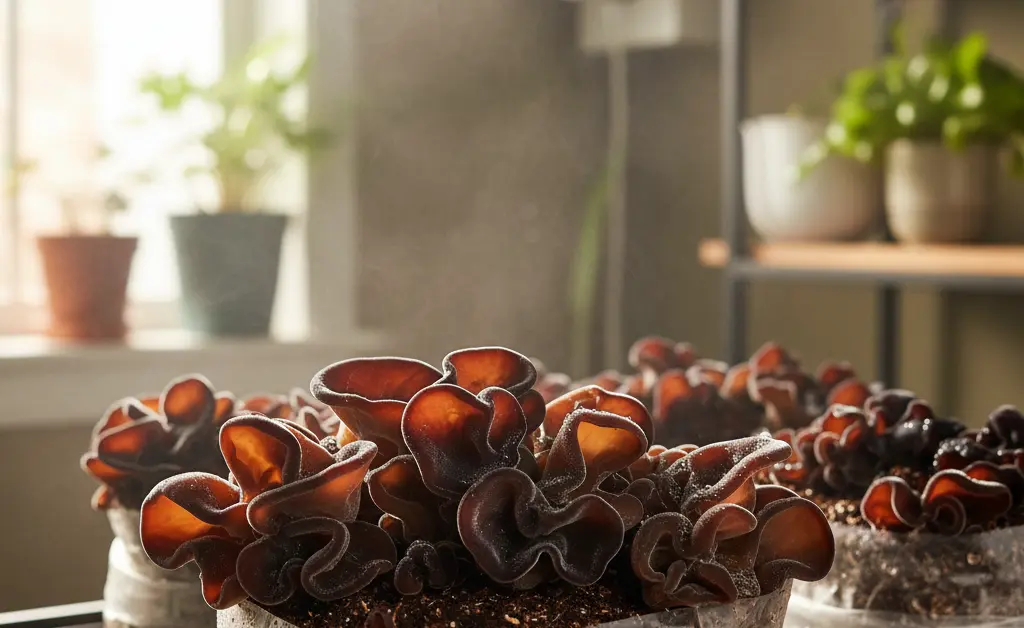
Transitioning from store-bought dried wood ear mushrooms to freshly harvested ones can significantly enhance dishes. Instead of relying on rehydrated products that can sometimes lack texture or flavor, a home cultivation setup allows for vibrant, plump mushrooms readily available. This practical guide shifts focus from the uncertainty of sourcing to the consistent yield of a successful home garden. By following straightforward steps, aspiring growers can move from viewing these fungi as a dried commodity to experiencing the superior quality of freshly cultivated wood ear mushroom cultivation. This approach emphasizes consistent, achievable results for anyone looking to bring this unique ingredient from their own space to their kitchen.
Wood Ear Mushroom Cultivation: A Comprehensive Guide
How to Grow Wood Ear Mushrooms (Auricularia polytricha)
Growing wood ear mushrooms, scientifically known as species like Auricularia polytricha, is an accessible and rewarding project for home cultivators. These fungi are saprotrophs, meaning they thrive by decomposing non-living organic matter, primarily wood. The general process involves introducing mushroom mycelium (the vegetative part of the fungus) to a suitable food source, or substrate. Once the mycelium fully colonizes this substrate, it is exposed to specific environmental conditions that trigger it to produce the edible “ears” or fruiting bodies. Understanding this lifecycle is the first step toward a successful harvest.
How to propagate wood ear mushrooms?
Propagating wood ear mushrooms allows a grower to expand their culture and produce more mushrooms without constantly buying new spawn. One common method is tissue cloning, where a small piece of a fresh, healthy mushroom is aseptically transferred to a sterile agar medium in a petri dish. The tissue will grow out into new mycelium. Another approach is expanding existing spawn. For example, a small amount of colonized grain spawn can be used to inoculate several new jars of sterilized grain, exponentially increasing the amount of available spawn for larger projects.
Choosing the Right Substrate for Wood Ear Mushroom Cultivation
Best Wood Types for Wood Ear Cultivation
Wood ear mushrooms have a strong preference for hardwoods. In nature, they are often found growing on dead or dying elder, oak, maple, and alder trees. For home cultivation using logs, it is best to use wood from these species. The logs should be healthy and recently cut, allowing the mycelium to establish itself before other competing fungi do. Softwoods, such as pine, are generally avoided because their natural resins can inhibit mycelial growth.
Other Substrate Options
While logs provide a natural and long-lasting method for growing wood ears, they are not the only option. Many cultivators achieve faster results using supplemented hardwood sawdust. This material is typically mixed with a nutrient source like wheat bran or soy hulls and hydrated. Other potential substrates include chopped straw, sugarcane bagasse, and cottonseed hulls. These alternative substrates are usually packed into specialized filter patch bags for sterilization and inoculation. For beginners, an all-in-one wood ear mushroom growing kit can simplify the initial steps of cultivation.
Substrate Preparation Techniques
Proper substrate preparation is critical to prevent contamination. For log cultivation, holes are drilled into the logs, which are then filled with plug or sawdust spawn and sealed with wax. This protects the mycelium from drying out and from competing organisms. For bulk substrates like sawdust or straw, preparation involves hydration and heat treatment. Pasteurization, which involves heating the substrate in hot water, reduces the population of competitor organisms. Full sterilization, typically done in a pressure cooker, aims to eliminate all living microbes, creating a clean slate for the mushroom mycelium.
Step-by-Step Wood Ear Mushroom Cultivation
Wood ear mushroom spawn
Mushroom spawn is the foundation of cultivation, acting as the delivery system for the mycelium. It is essentially a substrate that has been fully colonized by the mushroom’s root-like network. For wood ear mushroom spawn, spawn comes in several forms. Plug spawn consists of small wooden dowels colonized with mycelium, designed to be inserted into logs. Sawdust spawn serves a similar purpose for logs or can be used to inoculate bulk substrates. Grain spawn, made from sterilized grains like rye or millet, is highly nutritious and colonizes quickly, making it ideal for inoculating bags of sawdust or straw.
Inoculation Methods (Grain Spawn vs. Liquid Inoculum)
Inoculation is the process of introducing spawn to your prepared substrate. When using grain spawn with bulk substrates, the bag of colonized grain is broken up and thoroughly mixed into the pasteurized or sterilized material. This even distribution helps the mycelium colonize the new food source rapidly. Alternatively, a liquid inoculum, also known as liquid culture, can be used. This is a nutrient broth containing suspended mycelium, which can be injected directly into a substrate bag or used to create more grain spawn. Liquid cultures can offer faster colonization but may carry a higher risk of bacterial contamination if not prepared carefully.
Creating Spawn Runs
The spawn run, or colonization phase, is a period of incubation. After inoculation, the logs or substrate bags are placed in a dark, warm, and undisturbed location. During this time, the mycelium grows out from the spawn and spreads throughout the substrate, digesting nutrients. The substrate will gradually be covered in a white, web-like network. This is a crucial step for a successful round of wood ear mushroom cultivation, as a fully colonized substrate has the energy reserves needed to produce a robust crop of mushrooms.
Fruiting Chamber Setup
A fruiting chamber is a controlled environment designed to trigger mushroom formation. For home growers, this can be as simple as a large plastic tote with holes drilled for air exchange (often called a shotgun fruiting chamber or monotub) or a small indoor greenhouse. The key components of a fruiting chamber are the ability to maintain very high humidity, provide fresh air, and allow for some indirect light. The colonized substrate blocks or logs are placed inside this chamber once they are ready to fruit.
Initiating Fruiting Conditions
To coax mushrooms from a fully colonized substrate, you must simulate the natural conditions that signal the start of autumn. This is achieved by changing the environment inside the fruiting chamber. The primary triggers include introducing a consistent source of fresh air, providing exposure to low-level, indirect light, and maintaining a very high level of ambient humidity. Often, a slight drop in temperature can also encourage pinning, which is the formation of tiny, primordial mushrooms.
Environmental Conditions for Wood Ear Mushroom Growth
Temperature Requirements
Wood ear mushrooms are relatively adaptable, but they have preferred temperature ranges for different growth stages. The colonization phase (spawn run) generally proceeds best in warmer conditions, which encourages the mycelium to spread quickly through the substrate. For fruiting, many strains respond well to a slight drop in temperature, which acts as a natural trigger. Maintaining stable temperatures within these general ranges is more important than hitting a precise number.
Humidity Levels
Humidity is perhaps the most critical factor for successful wood ear mushroom fruiting. These mushrooms have a high water content and lack a protective skin, making them prone to drying out. The fruiting chamber must maintain very high relative humidity. This is typically achieved by regularly misting the chamber walls and substrate with a fine spray of water or by using an automated ultrasonic humidifier. Without adequate humidity, the developing mushrooms may abort or become tough and rubbery.
Light Exposure
Unlike plants, mushrooms do not photosynthesize and do not require light for energy. However, light does serve as an important environmental signal. For wood ear mushrooms, a small amount of indirect, ambient light is necessary to promote proper fruit body formation and guide their growth. Direct sunlight should be avoided as it can overheat and dry out the mushrooms. A room with a window that does not receive direct sun or a low-wattage LED light on a timer is sufficient.
Air Exchange (FAE)
Mushrooms respire similarly to humans, taking in oxygen and releasing carbon dioxide (CO2). As mycelium grows and fruits, CO2 levels can build up within an enclosed space. High concentrations of CO2 can lead to stalled growth or malformed mushrooms, such as long stems with small caps. Providing adequate fresh air exchange (FAE) is essential. This can be done by fanning the fruiting chamber several times a day or by designing the chamber with passive ventilation holes covered with a filter to prevent contaminants from entering. Proper air exchange is a cornerstone of healthy wood ear mushroom cultivation.
Harvesting and Storing Wood Ear Mushrooms
When to Harvest
Knowing when to harvest wood ear mushrooms ensures the best texture and flavor. They are ready when they have unfurled into their distinct cup or ear-like shape and have a firm, gelatinous texture. The edges should be well-formed and slightly wavy. If left for too long, they may begin to turn pale, become overly soft, or start to dry out at the edges. It is better to harvest them slightly young than too old.
Harvesting Techniques
Harvesting wood ears is a straightforward process. Grasp the mushroom cluster at its base and gently twist and pull it away from the substrate. Alternatively, a clean, sharp knife can be used to cut the cluster flush with the surface of the log or block. The latter method can be cleaner and may reduce damage to the substrate surface, potentially encouraging subsequent flushes of mushrooms from the same spot.
Drying and Storage Methods
Freshly harvested wood ear mushrooms are perishable and should be used within a few days. They can be stored in a refrigerator inside a paper bag, which allows them to breathe without accumulating moisture. For long-term preservation, drying is the most effective method and a key part of the broader cycle of wood ear mushroom cultivation. The mushrooms can be placed in a food dehydrator on a low setting, or air-dried in a well-ventilated area until they are completely hard and brittle. Once fully dried, they can be stored in an airtight container for many months. Adhering to food safety guidelines from organizations like the WHO is always recommended when preparing and storing food products.
Rehydrating Dried Wood Ear Mushrooms
To use dried wood ear mushrooms in cooking, they must first be rehydrated. This process restores their signature plump and gelatinous texture. Simply place the dried mushrooms in a bowl and cover them with warm water. They will absorb the water and expand significantly in size over a period of time. Once fully rehydrated, they can be rinsed, trimmed if necessary, and added to soups, stir-fries, and other dishes.
Troubleshooting Common Wood Ear Mushroom Cultivation Issues
Contamination Problems
Contamination from competing molds and bacteria is a common challenge in mushroom cultivation. Green mold (often Trichoderma) is a particularly aggressive competitor that can quickly overtake a substrate. Other issues include cobweb mold or bacterial blotches. The best defense is a proactive one: using sterile techniques during inoculation and ensuring proper pasteurization or sterilization of the substrate. If contamination appears, the affected substrate should typically be removed immediately to prevent it from spreading.
Slow Growth
If mycelial growth is slow or stalled, several factors could be at play. The most common causes are suboptimal environmental conditions, particularly temperature. If the incubation area is too cold, growth will be sluggish. Another possibility is incorrect substrate moisture content; a substrate that is too dry will not support growth, while one that is too wet can become anaerobic and favor bacteria. Finally, old or low-quality spawn may lack the vigor needed for robust colonization.
Poor Fruiting
Sometimes, a substrate will fully colonize but fail to produce mushrooms. This frustrating issue in wood ear mushroom cultivation usually points to a problem with the fruiting conditions. The most common culprits are insufficient humidity, which prevents the delicate mushroom pins from forming, or inadequate fresh air exchange, leading to high CO2 levels that suppress fruiting. Re-evaluating and adjusting the humidity, FAE, light, and temperature in your fruiting chamber will often resolve the problem and initiate pinning.
Cultivating wood ear mushrooms at home is a journey that transforms a simple dried ingredient into a fresh, vibrant part of your culinary practice. While the process requires attention to detail regarding substrate, environment, and hygiene, the steps are logical and achievable. From preparing logs or sawdust to watching the distinctive “ears” emerge, the experience is deeply rewarding. The superior taste and texture of homegrown mushrooms make the effort worthwhile, providing a consistent supply for countless dishes.
This article is written for general understanding and not for medical decision-making. The information presented here is for educational purposes only and should not be interpreted as a recommendation for any specific treatment plan, product, or course of action. Mushrooms can have varied effects on individuals, and you should always consult with a qualified healthcare professional before making any decisions related to your health or diet. Proper identification of any mushroom is critical, as some species can be toxic.
FAQ
How do you grow wood ear mushrooms indoors?
Growing wood ear mushrooms indoors typically involves inoculating a substrate, such as sawdust or straw, with mushroom spawn. The inoculated substrate is then incubated in a controlled environment where temperature, humidity, and light are carefully managed to encourage mycelial growth. Fruiting is initiated by providing specific environmental cues, allowing the mushrooms to develop.
What kind of wood is best for growing wood ear mushrooms?
Wood ear mushrooms are saprophytic, meaning they decompose dead organic matter. Hardwoods like oak, maple, and beech are often preferred for their nutrient content and structure, providing a suitable substrate for these fungi. The specific wood choice can influence growth rates and yield.
Can you grow wood ear mushrooms from spores?
While it is technically possible to initiate wood ear mushroom cultivation from spores, it is a more complex and less common method for home growers. Inoculating with established mycelium, known as spawn, is generally more reliable and efficient for successful wood ear mushroom cultivation. Spores require specific germination conditions that can be challenging to replicate consistently.
Continue reading
You May Also Like
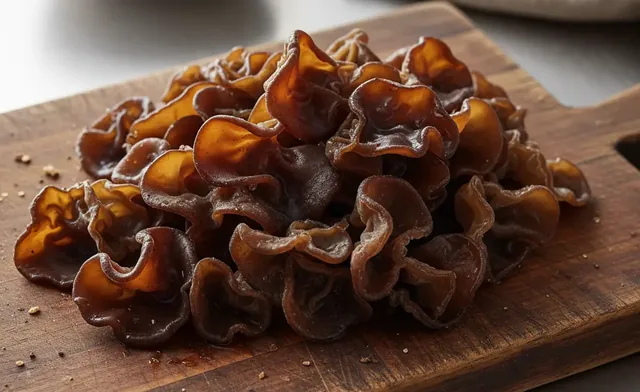
A Practical Guide to Wood Ear Mushroom Safety
This guide reviews the potential for wood ear mushroom bacteria, covering the associated health risks and the key steps for safe preparation.

A Practical Guide to Wood Ear Mushroom Jelly
Enjoy the unique chewy texture and health benefits of wood ear mushroom jelly, a surprisingly simple and delicious savory dish you can make yourself.
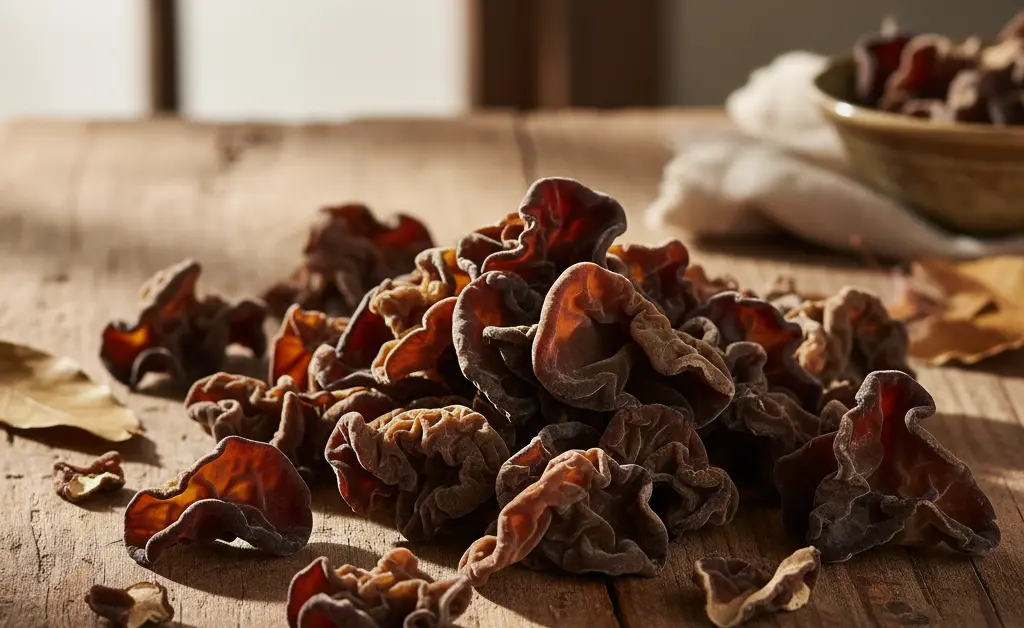
Unlock the Flavor of Dried Wood Ear Mushrooms
Sourced for their superior quality and snappy texture, you can buy dried wood ear mushrooms to add an authentic, crisp bite to your dishes.