
A Grower’s Primer on Wood Ear Mushroom Mycelium
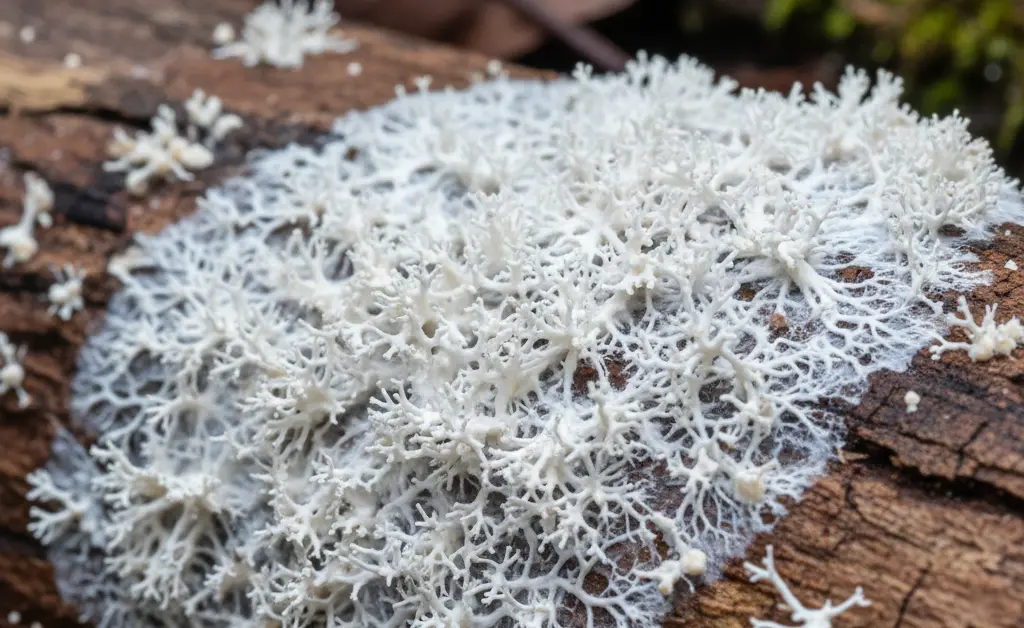
Wood ear mushrooms add a unique texture and mild flavor to a variety of dishes, and understanding how to work with their foundational element is key for successful cultivation. The starting point for growing these fascinating fungi lies in their mycelium, the vegetative part of the organism that forms a network beneath the surface. This network is responsible for absorbing nutrients and eventually producing the familiar mushroom fruiting bodies. For anyone interested in home cultivation or even exploring its potential in other applications, gaining insight into wood ear mushroom mycelium is the essential first step. This guide aims to provide a clear and practical overview for growers.
Understanding Wood Ear Mushroom Mycelium
Mycelium is the intricate, thread-like network that constitutes the primary mass of a fungus. In the case of wood ear, this network acts as the root and digestive system, breaking down organic matter and absorbing nutrients. Before any mushrooms appear, the mycelium must first fully colonize its food source, or substrate. A healthy, vigorous network is the direct precursor to a successful harvest. Understanding the nature of wood ear mushroom mycelium is therefore not just a preliminary step but the foundation of the entire cultivation process. Its health, density, and growth rate are all indicators of the potential yield and vitality of the eventual mushroom crop.
Sources and Selection of Wood Ear Mycelium
Growers can acquire wood ear mycelium in several forms, each suited for different applications. The most common sources include liquid culture, agar plates, and pre-colonized spawn. Liquid culture consists of mycelium suspended in a sterile nutrient broth, ideal for inoculating grain or other substrates. Agar plates contain mycelium grown on a solid nutrient gel, which is excellent for isolating specific genetics and verifying culture purity. Finally, grain or sawdust spawn is mycelium that has already colonized a carrier material, ready for direct use in bulk substrates. When selecting a culture, growers should consider the strain’s characteristics, such as its preferred temperature range and growth speed, to match their specific climate and cultivation goals. For beginners, a wood ear mushroom growing kit can be an excellent starting point.
Reputable Mycelium Suppliers
Choosing a reliable source for mycelium is crucial to avoid contamination and ensure strong genetics. Reputable suppliers prioritize quality control, offering pure, viable cultures that are correctly identified. Hallmarks of a trustworthy vendor include transparent information about their strains, sterile packaging, and positive reviews from the growing community. These suppliers often conduct rigorous testing to ensure their cultures are free from bacterial and fungal contaminants. Investing in high-quality starting material from a trusted source significantly increases the likelihood of a successful cultivation outcome.
Maintaining Mycelial Vigor
Once acquired, mycelium must be handled properly to maintain its health and vigor. Most mycelial cultures, whether in liquid form or on agar or spawn, should be stored in a cool, dark place to slow their metabolism and preserve their energy. Refrigeration is a common method for short- to medium-term storage. It’s essential to use the culture within the supplier’s recommended timeframe, as viability decreases over time. When working with the mycelium, maintaining sterile technique is paramount to prevent the introduction of competing organisms that could overpower the desired culture.
Wood Ear Mushroom Mycelium Identification
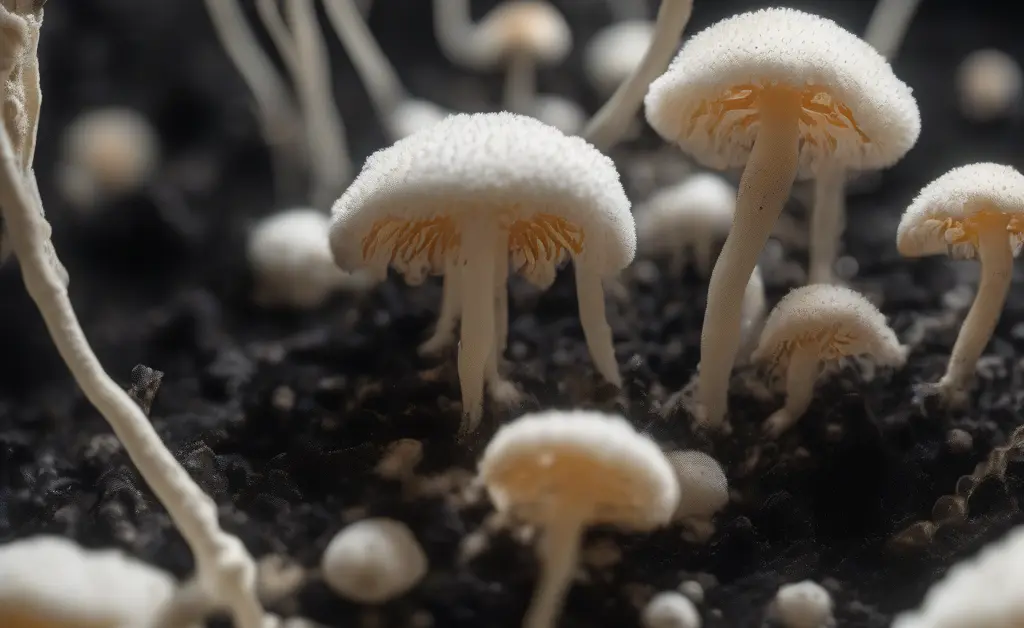
Correctly identifying healthy mycelium is a key skill for any cultivator. Healthy wood ear mycelium typically appears as a white, cottony or web-like growth that spreads across the substrate. Depending on the strain and the specific nutrients it is consuming, it can sometimes produce amber or brownish metabolites—tiny liquid droplets on the surface—which are generally a normal sign of metabolic activity. The key is to distinguish this healthy appearance from signs of contamination. Learning the visual characteristics of wood ear mushroom mycelium helps growers quickly assess the health of their projects and take action if any issues arise.
Types of Wood Ear Spawn
Spawn is essentially a carrier that has been fully colonized by mycelium, acting as the starter for the main substrate. For wood ear mushrooms, several types of spawn are commonly used. Grain spawn, often made with rye berries, millet, or oats, provides a high-nutrient start and allows for rapid colonization when mixed into a bulk substrate. Sawdust spawn, which uses sterilized hardwood sawdust, is another popular choice and can be used to inoculate bulk sawdust blocks or logs. Plug spawn consists of small wooden dowels colonized by mycelium, designed specifically for inoculating fresh hardwood logs for outdoor cultivation.
Wood Ear Mushroom Spawn Options
The choice of spawn depends heavily on the intended cultivation method. Grain spawn is highly versatile and considered the standard for indoor growers using supplemented sawdust blocks. Its small particle size allows for numerous points of inoculation, leading to fast and even colonization. Sawdust spawn is an excellent choice for those looking to grow on a similar material, as the mycelium is already adapted to digesting wood. Plug spawn is the go-to option for low-maintenance, long-term outdoor projects on logs, as the dowels are easy to insert and seal.
Cultivating Wood Ear Mushroom Mycelium
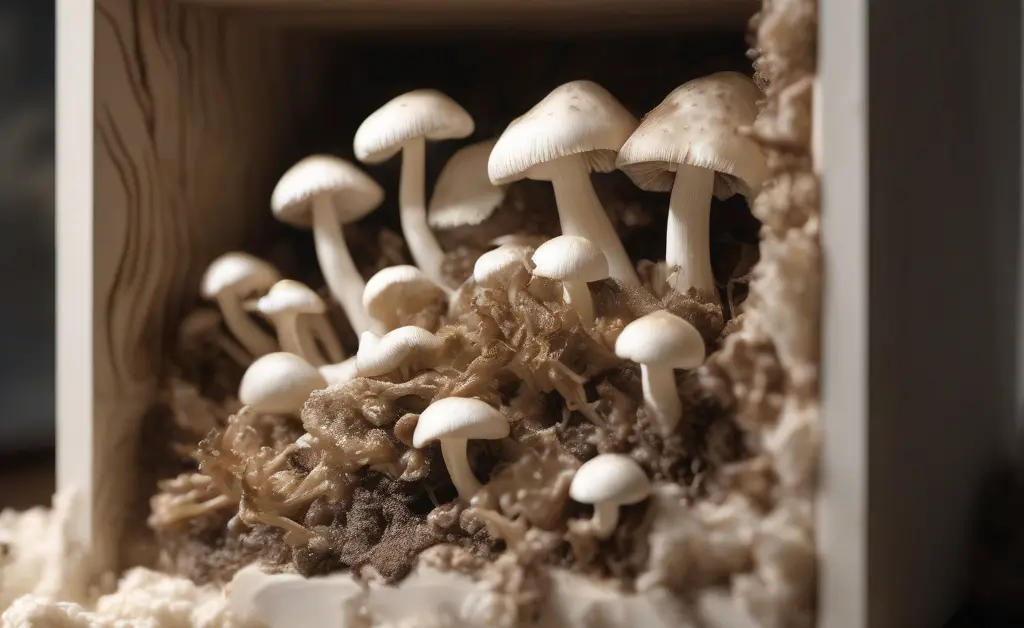
The process of cultivating mycelium involves encouraging the network to expand and fully colonize a prepared food source. This phase, known as the “spawn run” or colonization phase, is a quiet but critical period of growth. The goal is to create a solid, resilient block of mycelium that has consumed all available nutrients in its substrate, preparing it for the next stage of producing mushrooms. The success of this phase hinges on providing the right environment and using sterile techniques to give the wood ear mushroom mycelium a competitive advantage over any potential contaminants. Learn more about wood ear mushroom cultivation for comprehensive guidance.
Wood Ear Mushroom Mycelium Culture
Working with mycelium on a culture medium like agar is a fundamental practice in mycology. Culturing allows growers to clean up contaminated samples, isolate strong or unique genetic traits, and create a master bank of a particular strain. A small piece of mushroom tissue or a drop of spores can be placed on a sterile agar dish. As the mycelium grows out from the sample, clean, healthy-looking sectors can be transferred to new plates, effectively purifying and strengthening the culture for future propagation.
Wood Ear Mushroom Propagation
Propagation is the process of expanding a small amount of mycelium into a much larger volume. This is typically done in stages. For instance, a single colonized agar wedge can be used to inoculate a jar of sterilized grain. Once that grain jar is fully colonized, it can be used to inoculate several more jars in a grain-to-grain transfer. This exponentially increases the amount of available spawn, which can then be used to inoculate the final bulk substrate, such as supplemented sawdust blocks or straw bags.
Choosing a Suitable Substrate
Wood ear mushrooms are saprotrophs, meaning they feed on dead or decaying wood. In cultivation, they thrive on hardwood-based substrates. Supplemented hardwood sawdust is the most common choice for commercial and indoor hobby growers. Formulations often include a mix of hardwood sawdust and a nitrogen-rich supplement like wheat bran or soy hulls. For outdoor or log cultivation, hardwoods such as oak, maple, and alder are excellent choices. The substrate must be properly hydrated and sterilized or pasteurized before inoculation to eliminate competing organisms.
Inoculation Techniques
Inoculation is the moment of introduction, where the spawn is mixed with the prepared bulk substrate. This process must be performed with careful attention to cleanliness to prevent contamination. For substrates in bags, such as sawdust blocks, the spawn is typically shaken to break it up and then mixed thoroughly into the substrate before being sealed. For log cultivation, holes are drilled into the log, and plug or sawdust spawn is inserted before being sealed with wax to protect the mycelium from drying out and from pests.
Monitoring Mycelial Colonization
After inoculation, the mycelium begins its work of colonizing the new substrate. During this period, the substrate should be kept in a dark, warm area to encourage rapid growth. Growers should visually inspect their bags or containers regularly. Healthy colonization appears as white mycelium spreading from the spawn points and gradually consuming the entire substrate. It is also a critical time to watch for signs of contamination, such as green, black, or orange molds, which indicate the presence of competing fungi.
Wood Ear Mushroom Mycelium Growth Characteristics
The mycelium of wood ear mushrooms exhibits distinct characteristics that set it apart from other species. It is generally a robust and tenacious grower, capable of colonizing hardwood substrates efficiently. While its appearance can vary slightly between strains, it typically forms a dense, white mat as it matures. Observing these characteristics provides valuable feedback on the health of the culture and the suitability of the growing conditions. The growth of wood ear mushroom mycelium is a reliable indicator of what to expect from the fruiting stage. Understanding the entire wood ear mushroom life cycle is crucial for successful cultivation.
Key Characteristics of Wood Ear Mycelial Growth
Healthy wood ear mycelium often starts as fine, wispy threads (tomentose growth) that may later consolidate into stronger, more defined rope-like strands (rhizomorphic growth). The color is predominantly white, but as mentioned, it can produce brownish or amber-colored liquid exudates. This liquid, known as metabolites, is a byproduct of the mycelium’s digestive process and is not usually a cause for concern unless present in excessive amounts. A fully colonized block of substrate should feel firm and be almost entirely covered in the white mycelial network.
Unique Growth Habits (Stalling and Resuming)
One interesting habit of some wood ear strains is their resilience. The mycelium can sometimes appear to stall, with growth slowing or stopping, especially if environmental conditions fluctuate. However, it is often quite hardy and can resume vigorous growth once optimal conditions are restored. This resilience makes it a forgiving species for beginners, as it can recover from minor inconsistencies in the growing environment that might prove fatal to more sensitive species.
Expected Growth Rate
The growth rate of wood ear mycelium is considered moderate to fast. The exact speed depends on several factors, including the specific strain, the temperature of the incubation environment, and the nutritional content of the substrate. On a properly prepared and supplemented substrate, full colonization can be observed in a matter of weeks. More nutritious substrates and optimal temperatures will generally result in faster colonization times.
Impact of Environmental Factors on Mycelium
Environmental factors are the primary drivers of mycelial growth. Temperature, humidity, gas exchange, and light all play a role in the health, speed, and success of the colonization phase. Each factor must be managed to create an environment that favors the wood ear mycelium while discouraging the growth of competitors. Understanding and controlling these variables is the essence of mushroom cultivation.
Optimal Environmental Conditions for Mycelium Development
Providing the ideal environment is crucial for encouraging strong and rapid mycelial development. While wood ear is relatively adaptable, fine-tuning the conditions can significantly improve the speed of colonization and the overall health of the mycelial network, setting the stage for a productive fruiting phase. Specific wood ear mushroom growing conditions are detailed to help optimize yield.
Temperature Requirements
For the mycelial colonization phase, wood ear fungi prefer warmer temperatures than what is required for fruiting. The mycelium grows most actively within a specific warm range, which encourages rapid expansion through the substrate. Temperatures below this range will slow growth, while temperatures that are too high can stress or even kill the mycelium.
Humidity Levels
While the mycelium is growing inside its substrate, the primary concern for humidity is maintaining the moisture content of the substrate itself. The substrate should be hydrated to the proper level before sterilization. The bags or containers used for colonization are designed to keep this moisture in, preventing the substrate from drying out before the mycelium has a chance to fully colonize it.
Air Exchange (FAE)
During the colonization phase, the mycelium produces carbon dioxide. Some gas exchange is necessary to allow this CO2 to escape and fresh oxygen to enter. Most cultivation bags are equipped with a filter patch that allows for this passive gas exchange while preventing contaminants from entering. This is different from the active fresh air exchange (FAE) needed later to trigger mushroom formation.
Light Conditions
Mycelial growth for wood ear, like most fungi, does not require light. In fact, this stage is typically carried out in darkness or very low-light conditions. Exposure to direct or intense light during colonization can sometimes be detrimental or may trigger premature pinning (the formation of tiny mushrooms) before the substrate is fully colonized, which is generally undesirable.
Mastering the art of growing wood ear mushrooms begins with a solid understanding of their mycelium. From selecting a vigorous culture and providing a suitable substrate to maintaining the optimal environment for colonization, each step is crucial. By paying close attention to the needs of the mycelial network, cultivators can ensure a healthy and robust foundation, paving the way for a rewarding harvest of these uniquely textured fungi. The journey from nearly invisible threads to a full-fledged mushroom is a testament to the power and resilience of this fascinating organism. Further information on food safety standards can be found on the EFSA website.
This material is shared for educational insight, not for clinical decision-making. The information provided is for informational and cultivation-related purposes only and does not constitute medical, health, or dietary advice. Always consult with a qualified professional before making any decisions related to health, diet, or the consumption of any fungi. The edibility of any mushroom should be confirmed by an expert, as misidentification can lead to serious health issues.
FAQ
How fast does wood ear mycelium grow?
Wood ear mycelium growth speed can vary depending on environmental factors and nutrient availability. While it’s not typically the fastest-growing fungal species, its colonization rate is generally considered moderate. Specific conditions significantly influence its development pace.
What conditions does wood ear mycelium need to grow?
Wood ear mycelium thrives in humid environments with moderate temperatures, ideally between 65-75°F (18-24°C). It requires a consistent supply of moisture and benefits from good air exchange to prevent the buildup of stale air. This fungus also needs a nutrient-rich food source to sustain its growth.
Can wood ear mycelium stall its growth?
Yes, wood ear mycelium growth can stall if environmental conditions become unfavorable, such as a lack of moisture or extreme temperature fluctuations. It may also pause if its nutrient source is depleted or if it encounters competing microorganisms. Stressors like poor air quality or contamination can also cause its development to halt.
What is the best substrate for wood ear mushroom mycelium?
The wood ear mushroom mycelium performs well on a variety of lignocellulosic materials, with hardwood sawdust and wood chips being particularly effective. These substrates provide the necessary carbon and nutrients for robust fungal development. Supplementation with materials like bran or oat flour can further enhance its growth.
How do you get wood ear mushroom spawn?
Wood ear mushroom spawn is typically created by inoculating a sterile substrate, such as grain or sawdust, with a pure culture of the fungus. This colonized substrate then serves as the starter material to introduce the mycelium to its growing medium. Commercial suppliers also offer pre-made spawn for cultivators.
How long does it take for wood ear mycelium to colonize?
The time it takes for wood ear mycelium to fully colonize a substrate can range from a few weeks to a couple of months. This duration is influenced by factors like substrate type, temperature, humidity, and the health of the initial culture. Consistent, favorable conditions promote faster colonization.
What does healthy wood ear mycelium look like?
Healthy wood ear mycelium typically appears as a dense, white, and somewhat stringy network of fungal threads. It should have a consistent texture and a pleasant, earthy aroma. The absence of discolored patches, fuzzy molds, or foul odors indicates a vigorous and uncontaminated mycelial culture.
Continue reading
You May Also Like
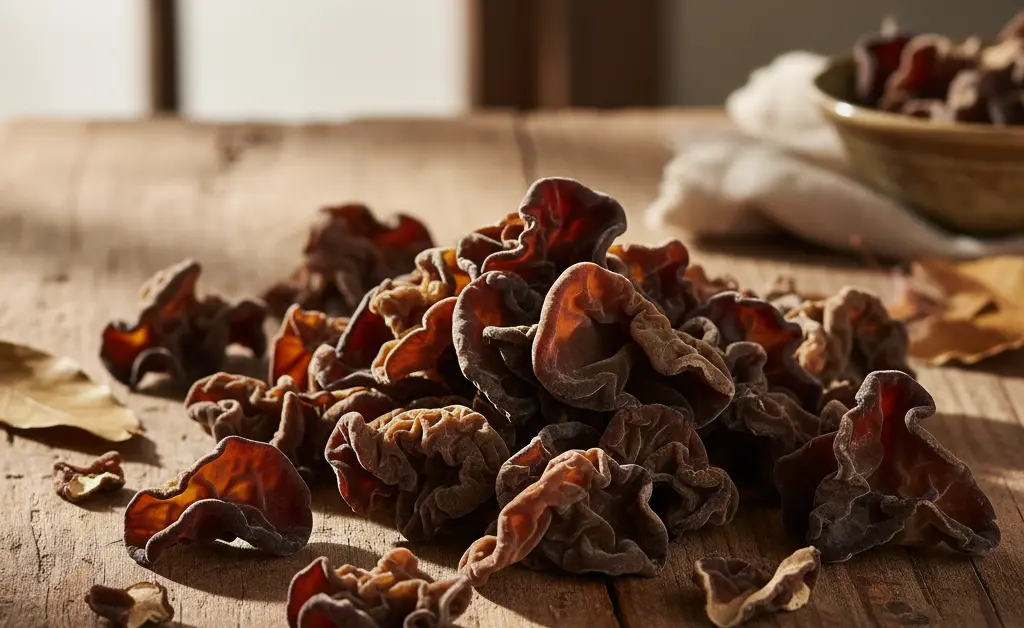
Unlock the Flavor of Dried Wood Ear Mushrooms
Sourced for their superior quality and snappy texture, you can buy dried wood ear mushrooms to add an authentic, crisp bite to your dishes.
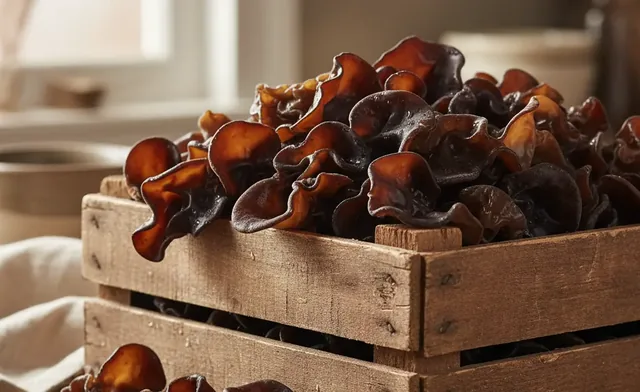
Your Destination for Fresh Wood Ear Mushrooms
We make it simple to buy fresh wood ear mushrooms online, with each batch carefully selected by our experts for perfect texture and flavor.
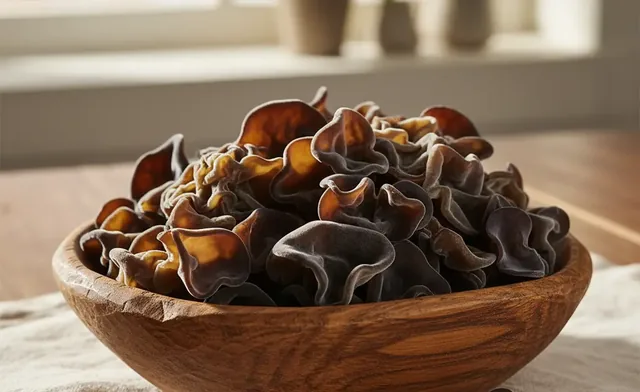
Organic Wood Ear Mushrooms: Fresh & Dried
Buy organic wood ear mushrooms from a trusted source, available in both fresh and dried forms to add unique texture and nutrients to your meals.