
A Guide to the Best Wood Ear Mushroom Growing Kits
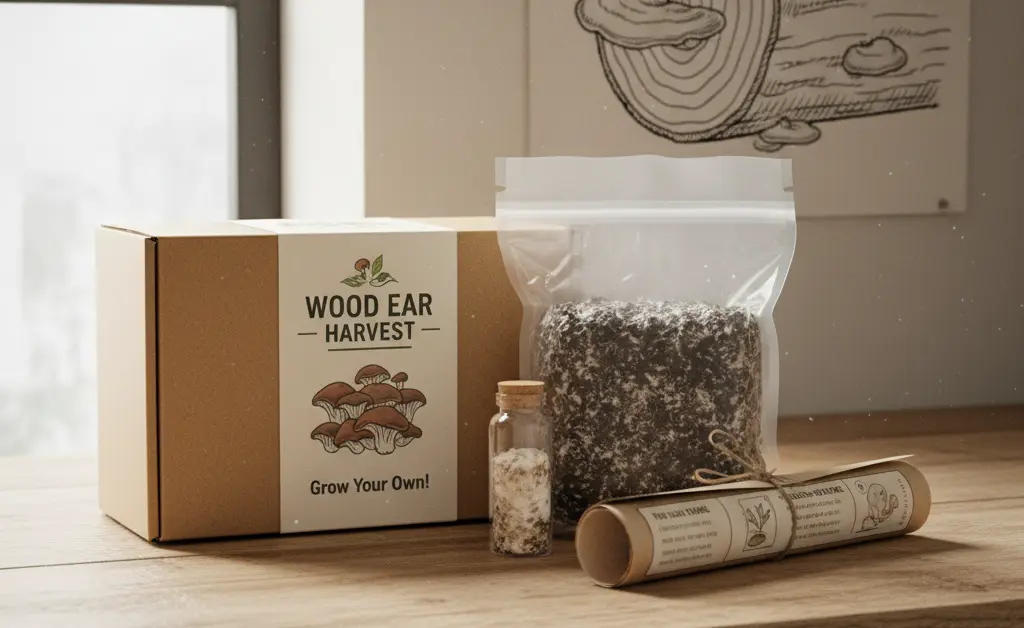
Many people enjoy adding unique textures and flavors to their home cooking. The wood ear mushroom, known for its slightly crunchy yet tender texture, is a popular choice in many cuisines. For those interested in cultivating these fascinating fungi at home without extensive prior knowledge, a wood ear mushroom growing kit offers a convenient and accessible solution. These kits provide everything needed to start your own mushroom cultivation journey, simplifying the process and making it achievable for hobbyists. Exploring the various options available can help you select the perfect kit to bring fresh, homegrown wood ear mushrooms from your countertop to your plate.
What is a Wood Ear Mushroom Growing Kit?
A wood ear mushroom growing kit is a self-contained system designed to make home cultivation of these unique mushrooms simple and straightforward. It removes the complex, multi-step process typically associated with mycology, such as sterilizing substrates and inoculating spawn. Instead, the kit provides a ready-to-grow environment, allowing hobbyists and food enthusiasts to experience the joy of harvesting their own mushrooms with minimal effort. These kits are essentially a block of mushroom mycelium ready to produce fruiting bodies (the mushrooms) when exposed to the right conditions.
Components of a Kit
While specifics can vary by brand, most kits include a core set of components. The central piece is the substrate block, which is usually composed of hardwood sawdust, soy hulls, or another woody material. This block is already fully colonized with wood ear mushroom mycelium. Accompanying the block is often a spray bottle for misting, which is crucial for maintaining humidity. Many kits also provide a humidity tent or a specially designed grow bag to create the perfect microclimate. Finally, a detailed instruction booklet guides the user through every step, from setup to harvest.
Choosing the Right Wood Ear Mushroom Growing Kit
Selecting the ideal kit depends on your goals, available space, and experience level. It’s important to consider several factors to ensure a successful and rewarding growing experience. Reading reviews and checking brand reputation can provide insight into the quality and reliability of a particular kit. A good kit should come with fresh, viable mycelium and clear, easy-to-follow instructions.
Types of Wood Ear Mushroom Kits
Mushroom growing kits primarily come in two popular formats: grow blocks and inoculated logs. Grow blocks, the most common type for beginners, are compact, fast-fruiting, and require minimal setup. They are typically “spray and grow” systems that can be placed on a kitchen counter. Inoculated log kits, on the other hand, more closely mimic the mushroom’s natural growing environment. These may be synthetic logs made of compressed sawdust or actual hardwood logs with pre-drilled holes filled with mushroom spawn. Log kits often produce for a longer period but may take more time to yield their first harvest.
Kit Size and Yield
The size of the kit directly correlates with the potential yield. A larger substrate block contains more nutrients and water, enabling it to produce a greater quantity of mushrooms. Kits are often sold by weight, and a heavier block will generally result in a more substantial harvest. When considering cost-effectiveness, a larger kit may offer a better value over time, especially since many blocks can produce multiple “flushes” or harvests if cared for properly.
Substrate Type
Wood ear mushrooms are saprobic, meaning they feed on decaying wood in nature. Therefore, the most effective substrates are those based on hardwood. Most commercial kits use blocks made from sterilized hardwood sawdust, often supplemented with other nutrients like wheat bran or soy hulls to boost yield. The quality and composition of the substrate are critical for the health of the mycelium and the success of the mushroom crop.
Wood Ear Mushroom Growing Kit for Beginners
For those new to mycology, a wood ear mushroom growing kit is an excellent starting point. These mushrooms are known for being particularly resilient and forgiving, making them a great choice for a first-time grower. A beginner-friendly kit prioritizes simplicity, often featuring a pre-colonized block that is ready to fruit almost immediately after unboxing. The instructions are typically simplified with clear visuals, and the required daily maintenance is minimal, usually just misting a few times a day. Success with a simple kit can build the confidence needed to explore more complex cultivation projects in the future.
Best Wood Ear Mushroom Growing Kit
Defining the “best” wood ear mushroom growing kit is subjective and depends on individual needs, but several key qualities indicate a high-quality product. Look for kits from reputable brands with positive customer reviews, as this often reflects reliable performance and good customer support. The best kits use a fresh, vigorously colonized substrate, which will appear densely white with mycelium. The packaging should protect the block from contamination and drying out during shipping. For information regarding food safety standards, consult resources such as EFSA. Ultimately, the best kit for you will align with your desired yield, the space you have for indoor growing, and your budget, providing a great balance of value and a high probability of a successful harvest.
How to Use a Wood Ear Mushroom Growing Kit
Using a growing kit is a straightforward process designed for success even with no prior experience. The general principle involves providing the mycelium block with the humidity, light, and air exchange it needs to produce mushrooms. Following the specific instructions provided with your kit is always the most important step.
Unboxing and Setup
Upon receiving your kit, the first step is to unbox it and inspect the substrate block. It should be firm and mostly covered in white mycelium. The setup process usually involves cutting an “X” or a slit in the plastic grow bag, which exposes the mycelium to air and signals it to start fruiting. Some instructions may recommend a brief soaking period to rehydrate the block before placing it in its growing location, which should be away from direct sunlight but in an area with ambient light.
Optimal Growing Conditions (Temperature, Humidity)
Wood ear mushrooms thrive in high humidity. This is the most critical factor for success. Most kits require misting the area around the opening in the bag several times a day with the provided spray bottle. Using the included humidity tent can help maintain a consistently moist environment. These mushrooms are not overly sensitive to temperature but generally prefer a moderate, stable indoor climate. Avoiding drafts and direct heat sources is beneficial.
Fruiting and Harvesting
Within a week or two, you should begin to see tiny mushroom “pins” forming at the opening. These will develop quickly, growing into the characteristic ear-like shapes. The mushrooms are ready to harvest when they feel firm and have reached a desirable size but before their edges begin to dry or curl excessively. To harvest, gently twist and pull the mushrooms from the block or use a clean knife to cut them at the base. Proper harvesting helps protect the mycelium, potentially encouraging a second or even third flush of mushrooms.
Troubleshooting Common Issues
If your kit isn’t producing, the most common culprit is low humidity. Increase the frequency of misting and ensure the humidity tent is being used correctly. Another issue can be contamination, which might appear as green, black, or orange mold. Contaminated kits are often difficult to save and should be discarded to prevent spores from spreading. If the block seems to dry out too quickly, try moving it to a location with less airflow. Learning to identify these common problems is part of the cultivation journey.
Benefits of Using a Wood Ear Mushroom Growing Kit
The advantages of using a kit extend beyond simply having fresh mushrooms. These kits offer a significant level of convenience, providing a nearly foolproof entry into a fascinating hobby. They are also highly educational, offering a hands-on look at the fungal life cycle. For many, the cost-effectiveness is a major benefit; a single kit that produces multiple flushes can yield more mushrooms than what could be purchased at a specialty market for the same price. Above all, there is a unique satisfaction that comes from growing and eating your own food. A **wood ear mushroom growing kit** makes this rewarding experience accessible to everyone.
DIY Wood Ear Mushroom Growing Kit
For the more adventurous, creating a DIY wood ear mushroom growing kit is an option, but it is a much more involved process. This path requires sourcing materials independently, such as mushroom spawn (in grain, liquid, or sawdust form), a substrate like hardwood pellets, and sterilization equipment. Those interested in creating their own kit might look for wood ear mushroom spawn for sale from specialized suppliers. The substrate must be pasteurized or sterilized to eliminate competing organisms before being inoculated with the spawn. While a DIY approach offers more control and can be cheaper in the long run for large-scale production, it has a steep learning curve and a higher risk of failure from contamination. For this reason, most home growers prefer the reliability and ease of a pre-made commercial kit.
In conclusion, a wood ear mushroom growing kit is an exceptional way for anyone, from curious cooks to aspiring mycologists, to cultivate these delicious fungi at home. They remove the guesswork and provide all the necessary components for a successful harvest. By understanding the different types of kits available and the simple care they require, you can easily add fresh, homegrown wood ear mushrooms to your culinary repertoire and enjoy the rewarding process of watching them grow.
While this article discusses health-related topics, it does not provide medical guidance. The information presented is for educational purposes only and should not be considered a substitute for professional medical advice, diagnosis, or treatment. Always seek the advice of your physician or another qualified health provider with any questions you may have regarding a medical condition. Never disregard professional medical advice or delay in seeking it because of something you have read here.
FAQ
What do you get in a wood ear mushroom growing kit?
A wood ear mushroom growing kit typically includes a substrate block already colonized with mushroom mycelium, often in a plastic bag or container. You’ll also find instructions on how to initiate fruiting and care for the developing mushrooms. Some kits may include a spray bottle for maintaining humidity.
How long does it take for a wood ear mushroom kit to fruit?
The time it takes for a wood ear mushroom kit to produce mushrooms can vary depending on the specific species and environmental conditions. Generally, after initiating the fruiting process, you can expect to see pins or tiny mushrooms emerge within one to two weeks. Full development into harvestable mushrooms usually follows within another few days to a week.
Can I grow wood ear mushrooms indoors with a kit?
Yes, wood ear mushrooms are well-suited for indoor cultivation using a grow kit. These kits are specifically designed to provide the necessary environment for mycelium to colonize the substrate and then fruit mushrooms indoors. Maintaining adequate humidity and indirect light are key factors for success.
What are the best wood ear mushroom growing kits?
The quality and suitability of wood ear mushroom growing kits can depend on the supplier and the specific strain of mushroom included. Look for kits from reputable sources that provide clear instructions and have a good track record. Some kits may be optimized for ease of use and faster fruiting times.
Continue reading
You May Also Like
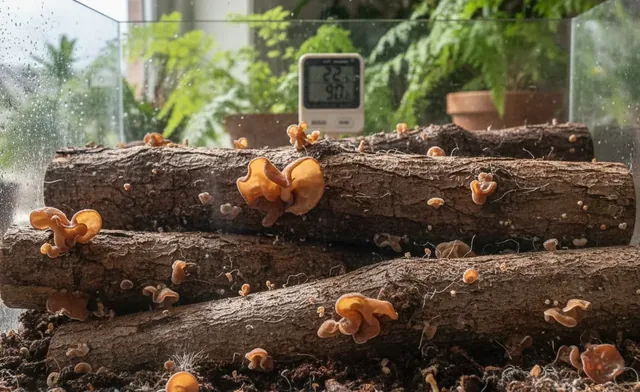
Creating the Ideal Habitat for Wood Ear Mushrooms
Mastering the ideal wood ear mushroom growing conditions means managing key factors like substrate choice, temperature, light, and humidity.
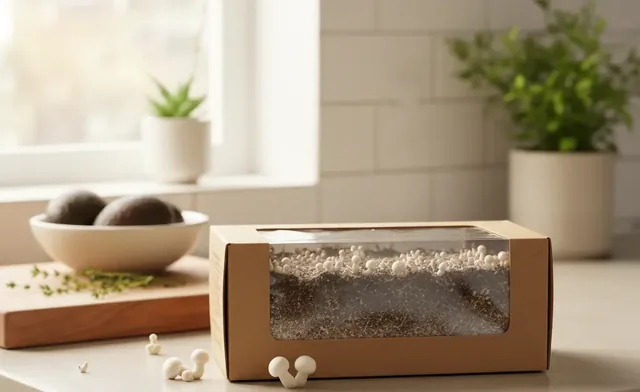
A Beginner's Guide to Button Mushroom Growing Kits
Get clear, step-by-step instructions for your button mushroom growing kit, including simple setup, daily care, and harvesting tips.
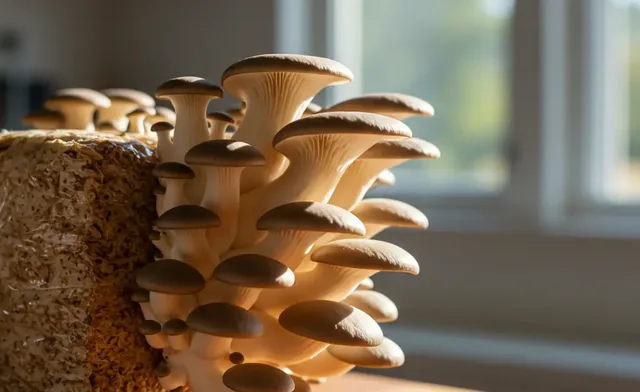
Oyster Mushroom Growing Kits: The Ultimate Beginner's Guide
This complete guide helps you choose, set up, and get the most from your oyster mushroom growing kit, yielding fresh, delicious mushrooms.