
The Life Cycle of a Wood Ear Mushroom
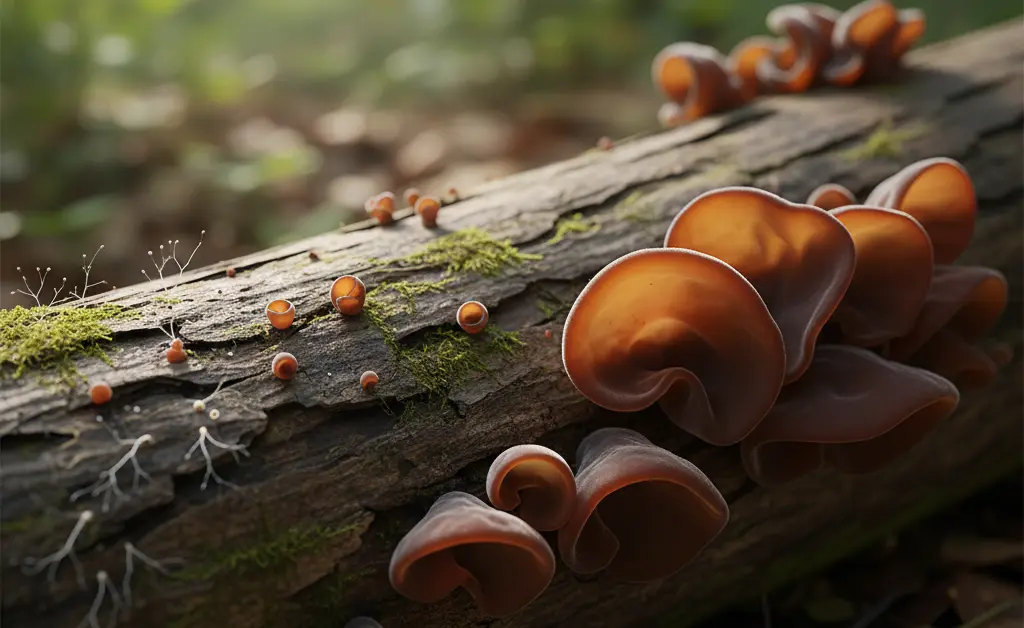
Ever wondered how that uniquely textured wood ear mushroom, often found in stir-fries, actually grows from nothing into the edible fungus we recognize? It’s a fascinating journey that begins with microscopic spores and unfolds through distinct stages, culminating in the familiar gelatinous fruiting bodies. Understanding the wood ear mushroom life cycle provides a deeper appreciation for these often-overlooked fungi, revealing the intricate biological processes that sustain them in their natural environments. This exploration will guide you through each phase, from the initial germination of spores to the eventual release of new spores, completing the cycle and ensuring the continuation of the species.
The Wood Ear Life Cycle Stages
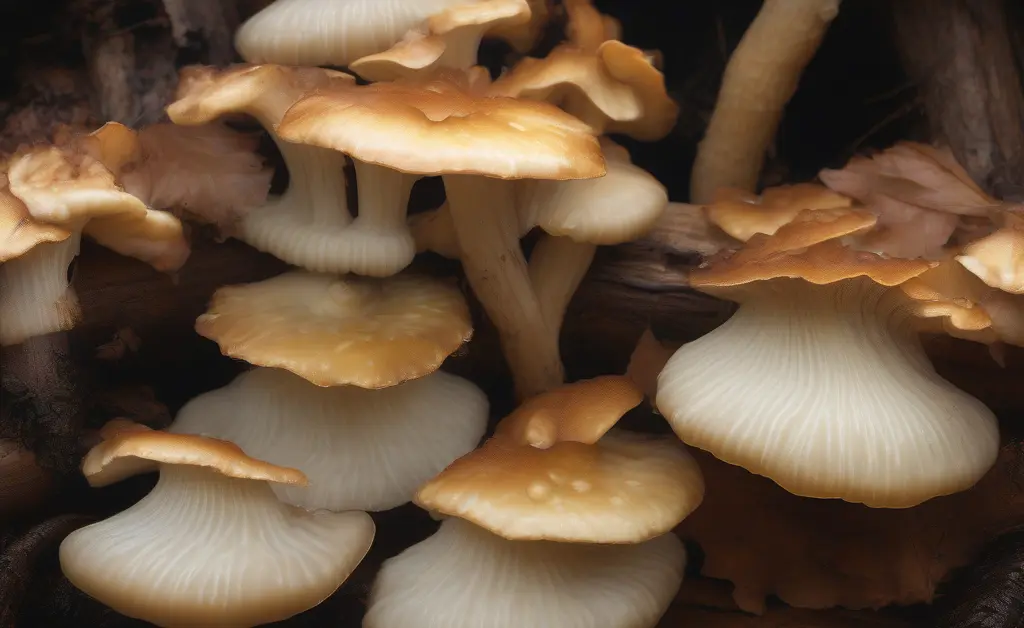
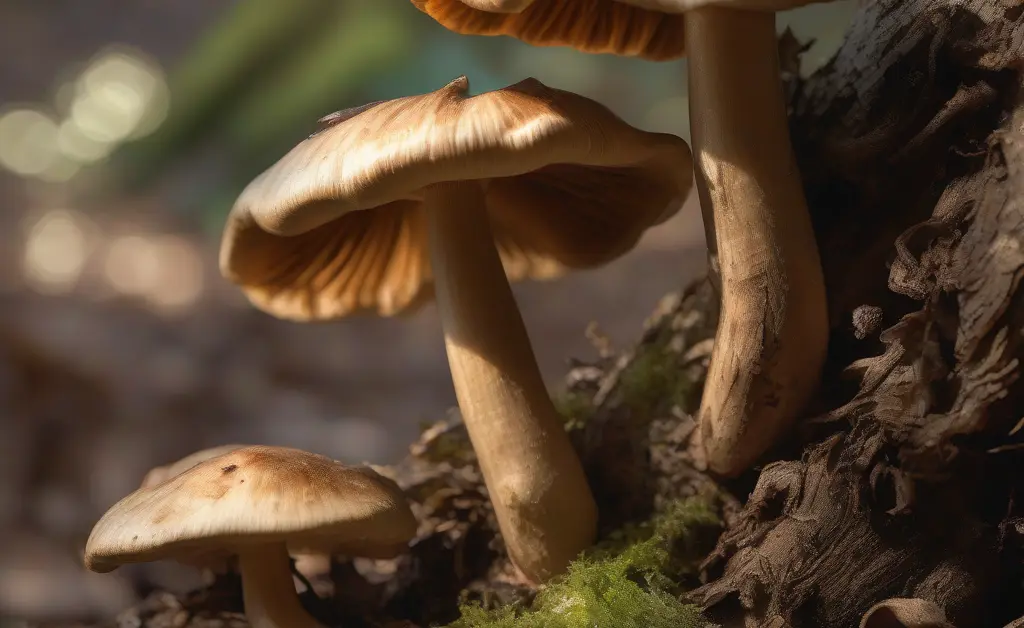
The development of a wood ear mushroom is a continuous process that botanists divide into several key phases for better understanding. This cycle illustrates the mushroom’s journey from a nearly invisible beginning to a full-fledged reproductive organism. Each stage is dependent on specific environmental conditions, including temperature, humidity, and the availability of a suitable food source, which is typically dead or decaying hardwood. Understanding these environmental needs is key for successful wood ear mushroom cultivation. This natural progression ensures the fungus can effectively colonize its habitat, mature, and propagate.
Spore Germination and Mycelial Growth
The journey begins with the germination of a microscopic spore. These single-celled reproductive units are incredibly lightweight and can be carried long distances by the wind. When a spore lands on a suitable substrate, such as a fallen log or a dead branch on a host tree, and conditions are favorable, it begins to germinate. It sends out a tiny, thread-like filament called a hypha. As this hypha grows, it branches out, and when it encounters other compatible hyphae, they fuse together. This process creates a vast, interconnected network of threads known as mycelium. The mycelium is the true vegetative body of the fungus, spreading throughout the wood, releasing enzymes to break down the material and absorb nutrients. For those looking to grow them, wood ear mushroom spawn can be a useful starting point. This colonization phase is the longest and least visible part of the wood ear mushroom life cycle, yet it is foundational for all future growth.
Fruiting Body Development
Once the mycelium has established a strong network and accumulated sufficient energy, it is ready to enter the reproductive phase. This transition is often triggered by environmental cues, such as a shift in temperature, increased humidity after a rain, or changes in light exposure. The mycelium begins to form dense knots of hyphae, which are the initial primordia, or “pins,” of the mushroom. These pins push through the surface of the wood and start to develop into the recognizable fruiting bodies. As they grow, they take on their characteristic ear-like shape, with a rubbery, gelatinous texture. The color can range from reddish-brown to dark brown or nearly black, often becoming darker with age. Modern techniques, such as using wood ear mushroom liquid culture, can accelerate this growth. This visible stage of the wood ear mushroom life cycle is focused entirely on preparing for reproduction.
Sporulation and Dispersal
The ultimate purpose of the fruiting body is sporulation—the production and release of spores. The surfaces of the mature wood ear mushroom are covered in specialized cells that produce millions of new spores. When conditions are right, these spores are released into the air. The unique, often wrinkled or folded shape of the mushroom helps to maximize the surface area available for spore production. Dispersal is primarily handled by air currents, which can carry the spores to new potential habitats. Other factors, like raindrops splashing on the mushroom or animals brushing past, can also aid in spreading the spores. Once a spore lands on a new piece of suitable wood, the entire cycle has the potential to begin again, ensuring the continuation of the species. This final phase completes the wood ear mushroom life cycle, linking one generation to the next.
Wood Ear Mushroom Life Cycle Pictures
Visually capturing the fungus’s development provides a clear understanding of its progression. An ideal way to observe these stages firsthand is through a wood ear mushroom growing kit. A pictorial series of the wood ear mushroom life cycle would begin with a microscopic view of a single, oval-shaped spore. The next image would show these spores germinating into fine, white, thread-like hyphae. This would be followed by a depiction of mycelium, a dense, web-like mass, colonizing the dark, damp interior of a log. Subsequently, pictures would show the emergence of tiny, dark “pins” or knots on the bark’s surface. These would be followed by a sequence showing the pins expanding and unfolding into the small, cup-shaped, and eventually ear-shaped, gelatinous mushrooms. The final images would feature a mature, fully formed wood ear mushroom, perhaps with a faint dusting of spores on its surface, ready to be dispersed by the wind to start the cycle anew.
The journey of the wood ear mushroom is a testament to the quiet, persistent processes of nature. From an invisible spore to a flourishing colony that plays a vital role in forest decomposition, each stage is perfectly adapted for survival and propagation. Understanding this cycle not only demystifies where these unique fungi come from but also highlights their essential function within their ecosystem, breaking down dead organic matter and returning nutrients to the soil. This continuous loop of growth, reproduction, and decay is a fundamental part of a healthy forest environment. The importance of healthy ecosystems for global well-being is often highlighted by organizations such as the WHO.
Readers should understand that this article does not offer medical diagnosis or treatment. The information provided is for educational and informational purposes only and should not be considered a substitute for professional advice. Always consult with a qualified expert, such as a mycologist, for identification of wild fungi before considering consumption. The safety and edibility of any mushroom can only be confirmed by an expert.
FAQ
What is the life cycle of a wood ear mushroom?
The wood ear mushroom life cycle begins with microscopic spores that are released from mature fruiting bodies. These spores, when conditions are favorable, germinate into a network of thread-like hyphae, which collectively form the mycelium. The mycelium grows within its substrate, often decaying wood, and eventually produces the visible mushroom structure.
How do wood ear mushrooms reproduce?
Wood ear mushrooms reproduce through the release of spores, which are produced in vast quantities on the underside of their fruiting bodies. These spores are carried by wind or water and, upon landing on a suitable environment with adequate moisture and nutrients, will germinate and grow into new mycelium, the vegetative part of the fungus. This mycelial network is essential for the eventual development of new mushrooms, continuing the wood ear mushroom life cycle.
Continue reading
You May Also Like
The Button Mushroom Life Cycle, Explained
The button mushroom life cycle involves four distinct stages, detailing the journey from microscopic spore germination to a fully mature fungus.
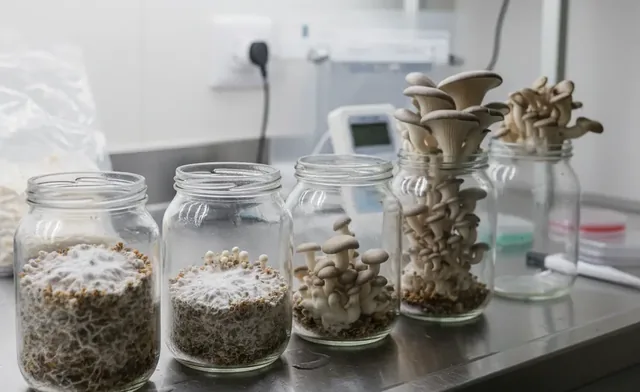
Decoding the Mushroom Cultivation Life Cycle
Detailing the sequence from spore germination to harvest, the mushroom cultivation life cycle is a process where each stage impacts your final yield.
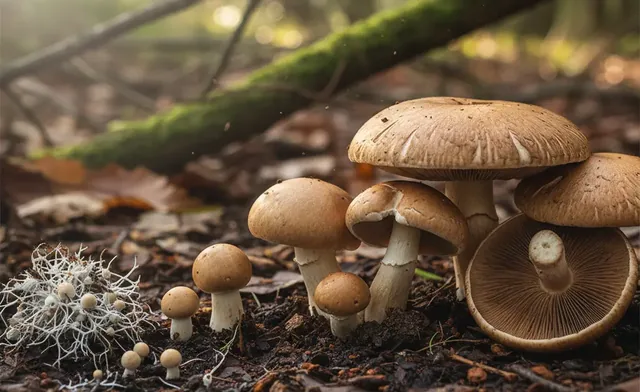
The Life Cycle of a Portobello Mushroom
Follow the complete portobello mushroom life cycle from tiny spore to mature cap with this practical guide to each distinct growth stage.